Scientia Agricultura Sinica ›› 2026, Vol. 59 ›› Issue (20): 4655-4672.doi: 10.3864/j.issn.0578-1752.2026.20.017

• SPECIAL FOCUS: THEORY, TECHNOLOGY AND PRACTICE OF LOW-CARBON TRANSITION IN AGRIFOOD SYSTEMS AND ENTERIC METHANE MITIGATION IN RUMINANTS • Previous Articles     Next Articles

Effects of Dietary Soluble Protein Levels on Production Performance, Methane Emission and Rumen Microbial Flora of Reserve Cattle

ZHANG MengMeng(), ZHANG ChuanKai, SUN ShiQin, YIN XiangHui, LI WenJuan, ZHANG LiYang, FU Tong, GAO TengYun(), LIU KaiZhen()   

  1. Henan Agricultural University of Animal Science and Technology/Henan Provincial Livestock Nutrition Regulation and Ecological Breeding International Joint Laboratory, Zhengzhou 450046
  • Received:2025-09-09 Accepted:2026-01-22 Online:2026-10-16 Published:2026-10-21
  • Contact: GAO TengYun, LIU KaiZhen

Abstract:

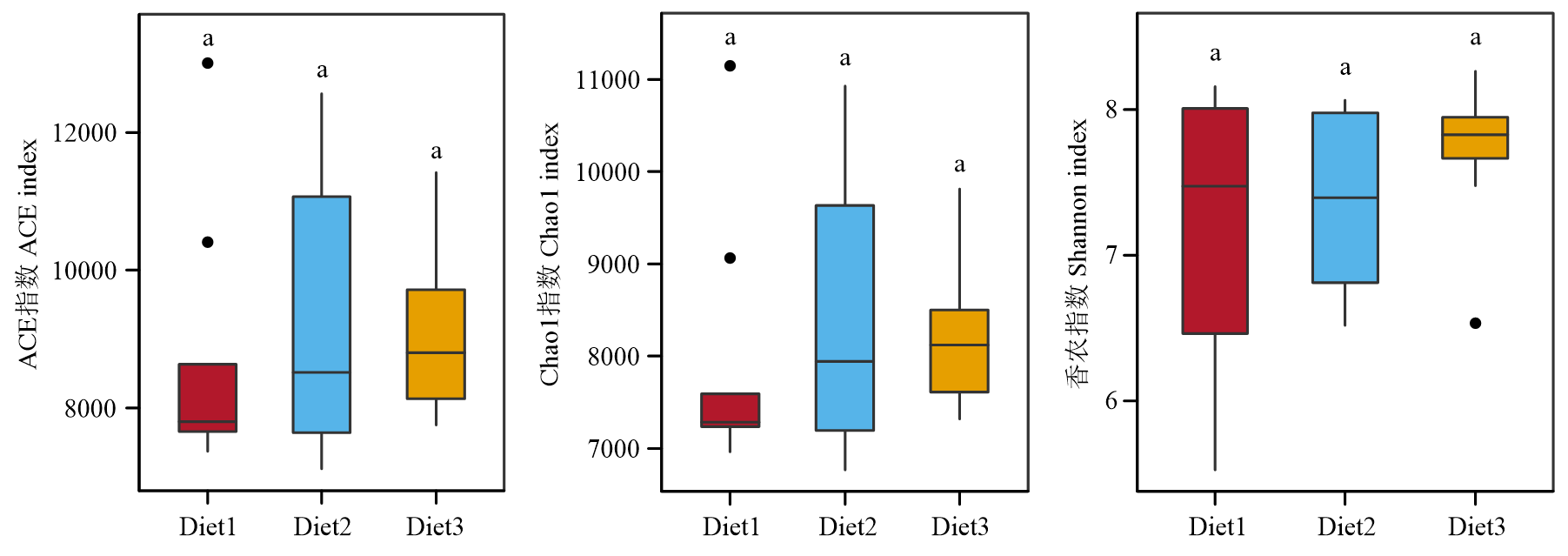
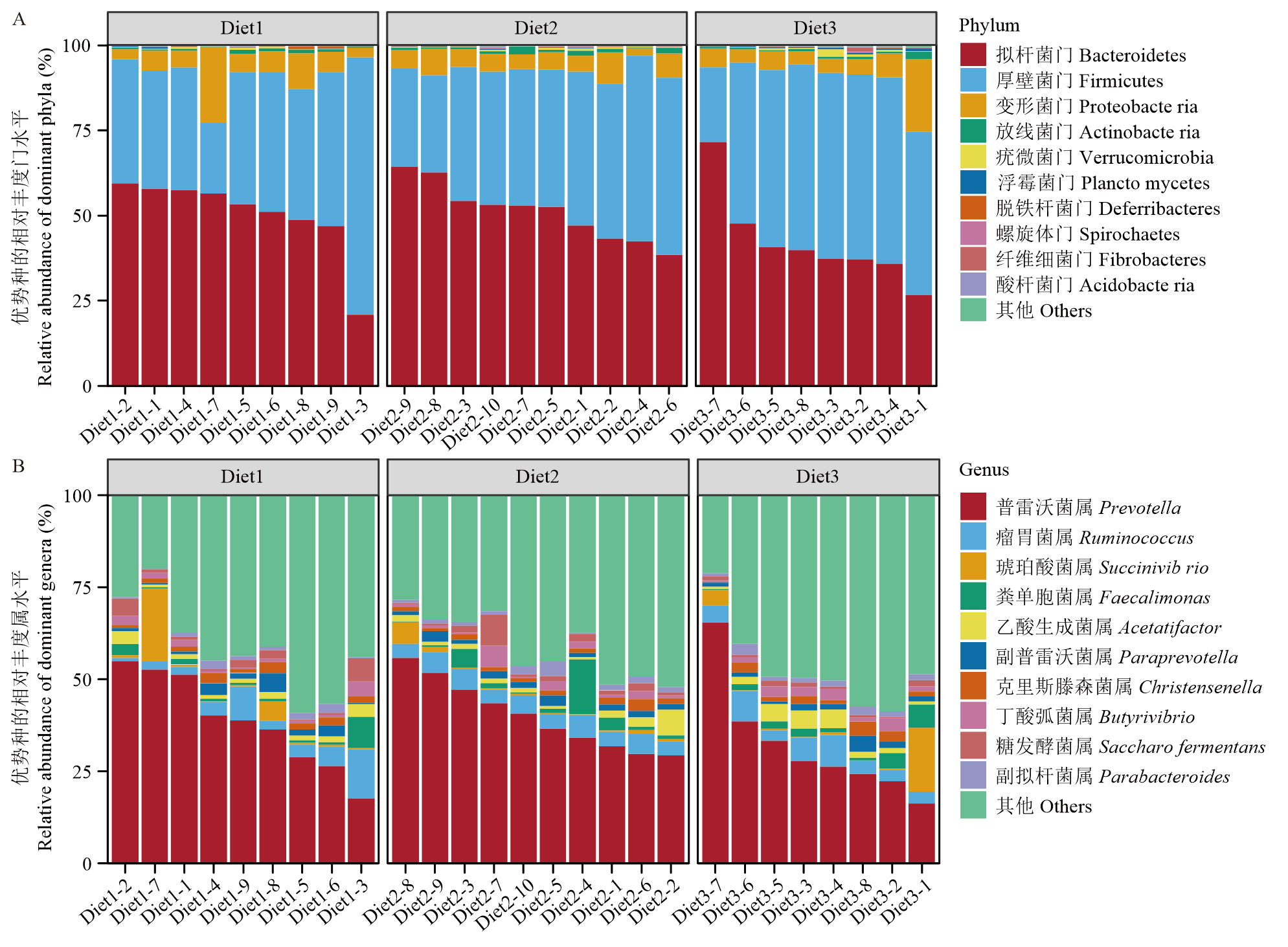
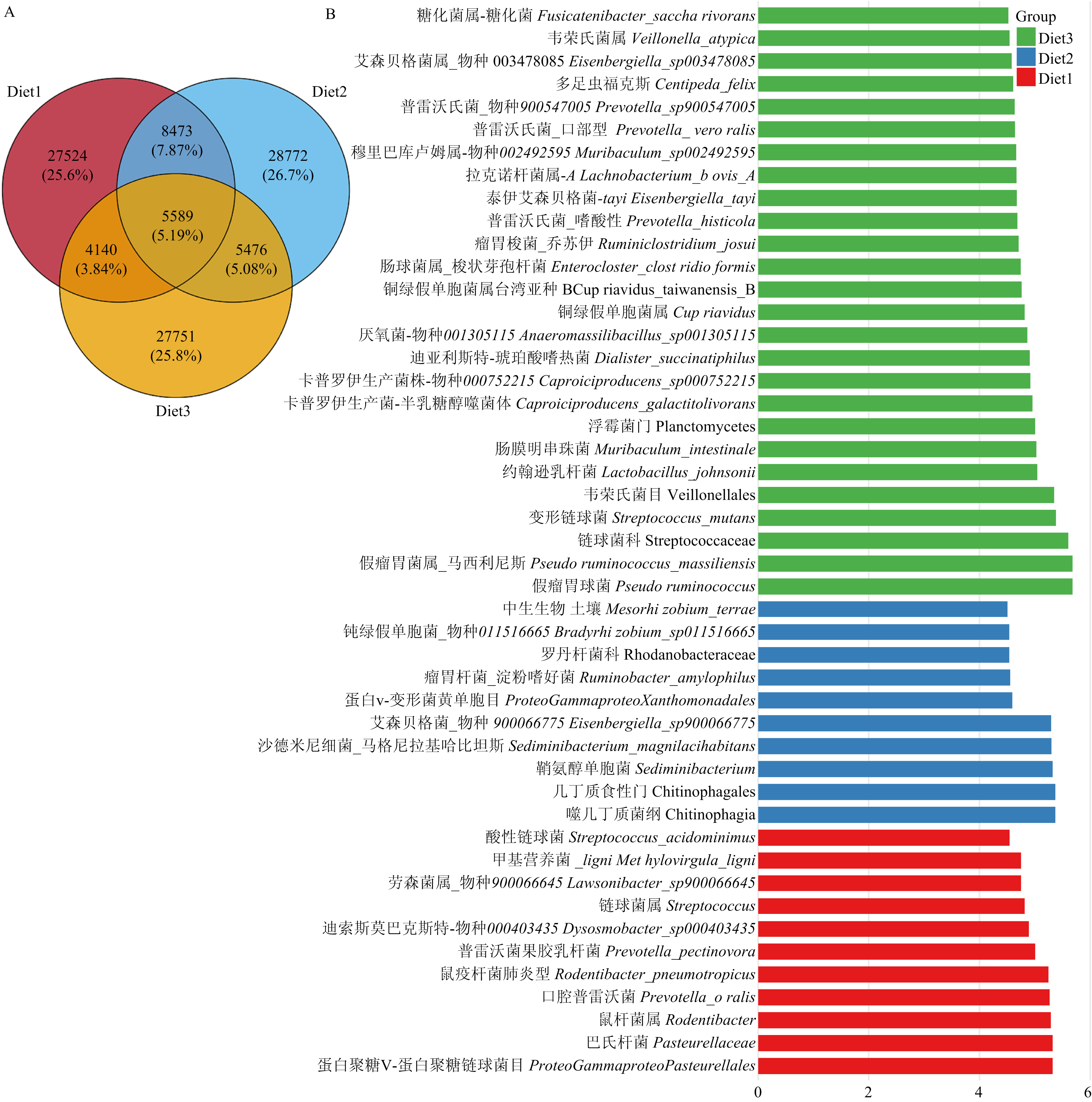
【Objective】Soluble protein ( SP ) can be rapidly degraded and utilized by microorganisms in the rumen. Through the analysis of the changes of soluble protein in the diet, the rumen microorganisms and their metabolites were analyzed to explore the effect of soluble protein on methane emission. 【Method】A total of thirty healthy, five-month-old Holstein heifers (94.55 ± 6.27 kg body weight) were randomly allocated to three dietary treatments (n=10 per group). All groups were fed a diet with a 60:40 concentrate-to-roughage ratio. The three dietary treatments differed only in their soluble protein (SP) content, expressed as a percentage of total dietary dry matter: Diet 1 (6.00% SP), Diet 2 (6.48% SP), and Diet 3 (6.96% SP). Following an eight-week feeding period, methane production was measured over three consecutive days, and rumen fluid samples were collected for subsequent analysis.【Result】(1)The daily gain of Diet 3 was significantly higher than that of Diet 2 and Diet 1 during 29-56 days in the whole experimental period (P<0.05 ),There was no significant difference in dry matter intake during the whole experimental period (P>0.05).No significant differences in methane emissions were observed among the treatment groups(P>0.05), while methane to body weight ratio, Diet 2 was significantly higher than Diet 3 and Diet 1 ( <0.05).In the rumen fermentation parameters, the ammonia nitrogen content increased first and then decreased with the soluble protein content. The content of volatile fatty acids was the highest in Diet 3. (2) In microbial diversity, there was no significant difference in ACE, Chao1, Shannon and index among the three groups (P>0.05); at the phylum level, Bacteroidetes in Diet 3 was lower than that in Diet 2 and Diet 1. At the genus level, Prevotella in Diet 2 was slightly higher than the other two groups. LEfSe analysis identified microbial taxa with LDA scores greater than 4.5 in the Diet 3 group, which included Pseudoruminococcus、Streptococcaceae、Veillonellales、Streptococcus_mutans、Ruminiclostridium_josui、Prevotella_histicola、Prevotella_veroralis.(3) There were 240 significantly different metabolites between Diet 1 and Diet 3, 109 significantly different metabolites between Diet 2 and Diet 1, and 60 significantly different metabolites between Diet 3 and Diet 2. Among them, the differences in metabolites were mainly in organic acids and their derivatives, lipids and lipid molecules. The metabolites of succinic acid, 23-demethoxycholic acid, spermidine, histidine, threonine and glutamine increased significantly with the increase of SP content. D-erythritol-4-phosphate, isocitrate, leucine and other metabolites were enriched in Diet 1. (4)There was a significant positive correlation between Veillonella and propionic acid. Ruminiclostridium _ josui, Prevotella _ veroralis and Streptococcus _ mutans were significantly positively correlated with Histidine, threonine and glutamine.【Conclusion】Increasing the level of soluble protein (SP) in the diet improved the average daily gain of heifers and concomitantly exerted a moderate inhibitory effect on methane emissions per unit of body weight. Furthermore, the higher SP level promoted the colonization of beneficial bacteria such as Prevotella, which facilitates volatile fatty acid (VFA) production. These shifts in the rumen enhanced the synthesis of energy and amino acids through ruminal metabolism, thereby potentially supporting immune function.

Key words: soluble protein, methane emissions, reserve cattle, growth performance, rumen microorganisms

Table 1

Basic diet composition and nutrient level (air-dried basis %)"

项目
Item
含量 Content (%)
Diet 1 Diet 2 Diet 3
原料组成Ingredients
燕麦干草Dried oat hay 20.00 20.00 20.00
苜蓿干草Alfalfa hay 13.34 6.67 0.00
苜蓿青贮Alfalfa silage 0.00 6.67 13.34
小麦秸秆Wheat straw 6.33 6.33 6.33
颗粒料Granular compound1) 60.33 60.33 60.33
营养水平Nutritional level2)
粗蛋白CP (% of DM) 16.88 16.82 16.75
代谢能ME (Mcal/kg) 2.99 2.98 2.98
可溶性蛋白SP3) (% of DM) 6.00 6.48 6.96
SP/ME 2.01 2.17 2.34
SP/CP 0.36 0.39 0.42
中性洗涤纤维NDF (% of DM) 33.03 33.56 34.09
酸性洗涤纤维ADF (% of DM) 17.89 18.29 18.69

Table 2

Regression equation of penetration tube"

渗透管号
Permeation tube number
牛号
Cattle number
回归方程
Regression equation
R2 渗透速率
Permeation rate (mg·d-1)
73 24170 y = -0.0015x + 101.71 0.9992 1.5
64 2948 y = -0.0031x + 177.33 0.9996 3.1
138 2465 y = -0.0041x + 35.625 0.9998 4.1
1 2963 y = -0.0029x + 165.90 0.9998 2.9
39 2464 y = -0.0026x + 155.26 0.9993 2.6
74 2979 y = -0.0014x + 98.074 0.9990 1.4
148 24174 y = -0.0019x + 119.67 0.9998 1.9
86 3000 y = -0.0012x + 89.577 0.9996 1.2
11 3009 y = -0.0073x + 365.99 0.9997 7.3
19 3019 y = -0.0046x + 243.39 0.9998 4.6
90 3012 y = -0.0029x + 35.671 0.9996 2.9
20 2468 y = -0.0014x + 101.07 0.9998 1.4
92 3008 y = -0.0067x + 343.84 0.9996 6.7
63 2938 y = -0.0028x + 161.05 0.9999 2.8
95 24155 y = -0.0096x + 472.28 0.9998 9.6

Table 3

Effects of soluble protein on growth performance of heifers"

项目
Item
组别Group P值
P value
Diet 1 Diet 2 Diet 3
第1天体重 (kg) 96.60±11.77 98.30±7.01 95.60±6.20 0.885
第28天体重 (kg) 120.40±12.27 126.90±9.93 119.40±3.47 0.413
第56天体重 (kg) 144.70±13.48 151.20±10.52 150.00±4.32 0.576
1-28 d
干物质采食量 (DMI, kg) 3.10±0.36 3.08±0.17 2.91±0.16 0.445
平均日增重 (ADG, kg) 0.85±0.17 1.02±0.28 0.85±0.14 0.342
料重比F/G 3.74±0.70 3.17±0.72 3.50±0.62 0.431
29-56 d
干物质采食量 (DMI, kg) 3.86±0.29 4.02±0.21 3.95±0.08 0.497
平均日增重 (ADG, kg) 0.87b±0.09 0.87b±0.11 1.09a±0.17 0.025
料重比F/G 4.48a±0.49 4.68a±0.55 3.69b±0.55 0.028
1-56 d
干物质采食量 (DMI, kg) 3.48±0.31 3.55±0.19 3.43±0.09 0.694
平均日增重 (ADG, kg) 0.86±0.09 0.94±0.18 0.97±0.14 0.433
料重比F/G 4.06±0.30 3.83±0.50 3.59±0.52 0.290

Table 4

Effects of soluble protein on methane emission intensity of heifers"

项目
Item
组别Group P值
P value
Diet 1 Diet 2 Diet 3
平均甲烷排放量Average methane emission(g·d-1) 101.47±26.00 69.82±19.48 92.83±26.37 0.143
CH4/BW 0.70a±0.12 0.45b±0.13 0.62ab±0.17 0.049
CH4/DMI 23.81±5.72 16.92±5.57 17.48±8.93 0.256

Table 5

Effects of soluble protein on rumen fermentation parameters of heifers"

项目
Item
组别Group P值
P value
Diet 1 Diet 2 Diet 3
pH 6.70±0.39 6.65±0.10 6.63±0.18 0.913
NH3 -N/(mg·dL-1) 5.74±1.33 6.90±1.40 6.31±1.31 0.072
MCP ( mg·mL-1) 1.33±0.10 1.26±0.18 1.25±0.13 0.516
乙酸 Acetic acid (AA, mmol·L-1) 45.01±5.70 43.69±4.58 50.07±5.54 0.175
丙酸 Propionic acid (PA, mmol·L-1) 13.39±1.96 12.53±0.74 14.08±1.44 0.286
异丁酸 Isobutyric acid (mmol·L-1) 0.96±0.11 0.97±0.10 1.05±0.24 0.658
丁酸 Butyric acid (mmol·L-1) 4.28±0.93 4.49±0.37 5.15±1.23 0.325
异戊酸 Isovaleric acid (mmol·L-1) 1.24±0.06 1.24±0.05 1.49±0.65 0.488
戊酸 Valeric acid (mmol·L-1) 1.54±0.15 1.53±0.08 1.85±0.56 0.281
乙/丙 (AA/PA) 3.39±0.36 3.48±0.20 3.56±0.22 0.147
总挥发性脂肪酸 Total VFAs (mmol·L-1) 66.42±8.04 64.46±5.29 73.69±8.04 0.603

Fig. 1

Rumen microbial α diversity index of replacement cattle fed with different soluble protein levels"

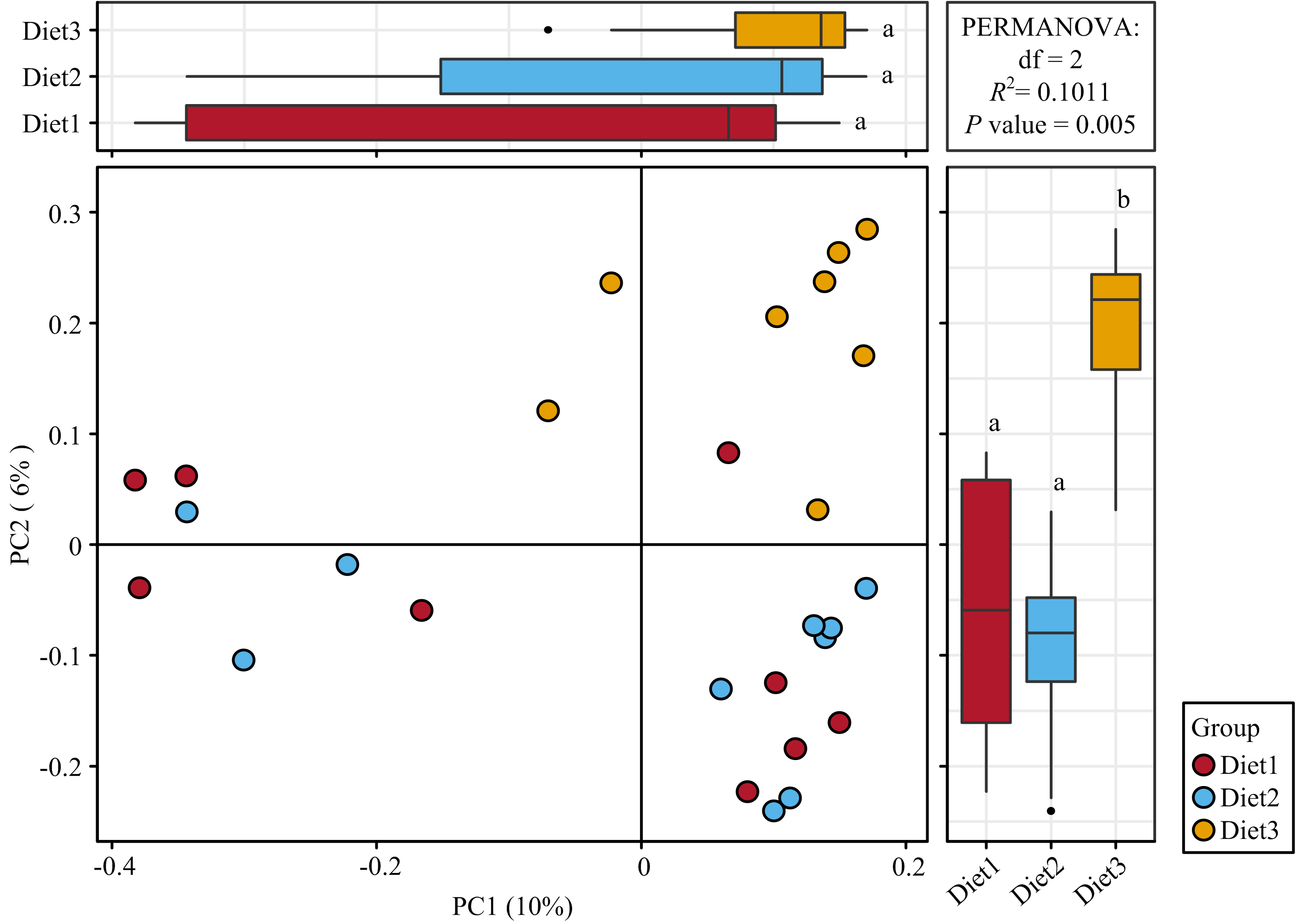
Fig. 2

PCoA results of rumen microorganisms fed with different soluble protein levels of reserve cattle"

Fig. 3

Differences in the composition of rumen microorganisms in reserve cattle (phylum level and genus level)"

Fig. 4

Screening of differential microorganisms in rumen of reserve cattle A: OTUs Venn diagram between groups; B: LEfSe analysis was used to screen microorganisms with significant differences between groups"

Fig. 5

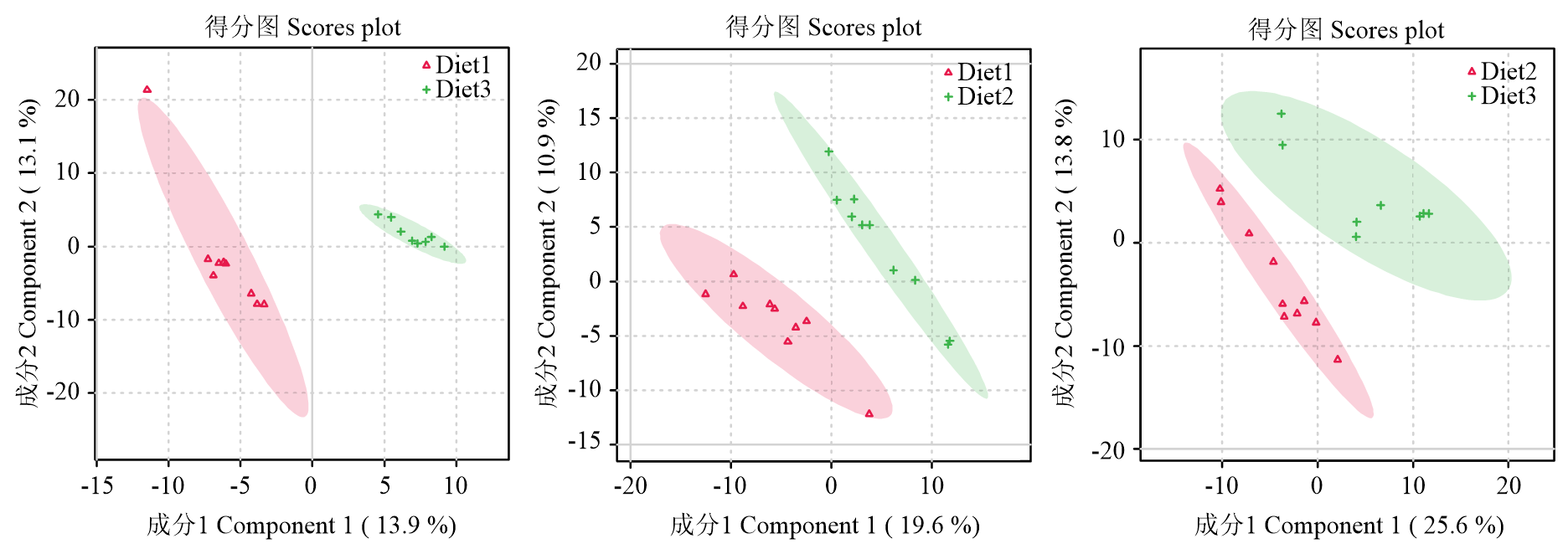
Pairwise comparison of PLS-DA principal component score plot"

Fig. 6

Volcano diagram of differential metabolites by pairwise comparison"

Fig. 7

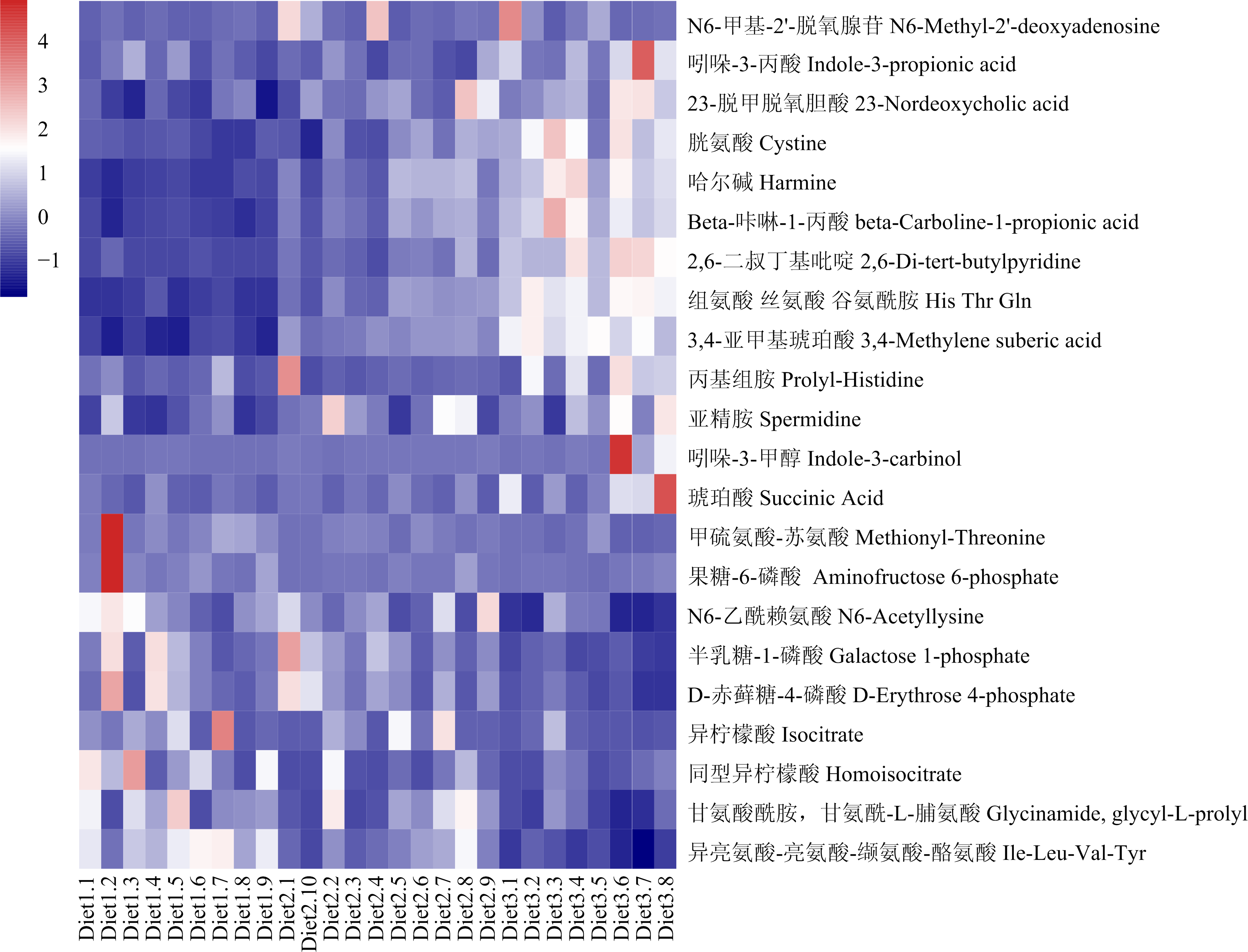
Thermograms of three groups of related differential metabolites"

Fig. 8

KEGG enrichment map of differential metabolites by pairwise comparison"

Fig. 9

Heatmap of correlation between rumen microorganisms and rumen fermentation and methane emission"

Fig. 10

Heatmap of correlation between rumen microorganisms and rumen metabolites"

[1]
Russell J B, O’Connor J D, Fox D G, Van Soest P J, Sniffen C J. A net carbohydrate and protein system for evaluating cattle diets: I. Ruminal fermentation[J]. Journal of Animal Science, 1992, 70(11): 3551-3561.

doi: 10.2527/1992.70113551x pmid: 1459918
[2]
Hedqvist H, Udén P. Measurement of soluble protein degradation in the rumen[J]. Animal Feed Science and Technology, 2006, 126(1/2): 1-21.

doi: 10.1016/j.anifeedsci.2005.05.011
[3]
Davison T M, Black J L, Moss J F. Red meat-an essential partner to reduce global greenhouse gas emissions[J]. Animal Frontiers, 2020, 10(4): 14-21.

doi: 10.1093/af/vfaa035 pmid: 33150007
[4]
Davidson S, Hopkins B A, Diaz D E, Bolt S M, Brownie C, Fellner V, Whitlow L W. Effects of amounts and degradability of dietary protein on lactation, nitrogen utilization, and excretion in early lactation Holstein cows[J]. Journal of Dairy Science, 2003, 86(5): 1681-1689.

pmid: 12778579
[5]
Dijkstra J, Oenema O, Bannink A. Dietary strategies to reducing N excretion from cattle: Implications for methane emissions[J]. Current Opinion in Environmental Sustainability, 2011, 3(5): 414-422.

doi: 10.1016/j.cosust.2011.07.008
[6]
Zhang Z B, Shahzad K, Shen S J, Dai R, Lu Y, Lu Z Q, Li C, Chen Y F, Qi R X, Gao P F, Yang Q Y, Wang M Z. Altering dietary soluble protein levels with decreasing crude protein may be a potential strategy to improve nitrogen efficiency in Hu sheep based on rumen microbiome and metabolomics[J]. Frontiers in Nutrition, 2021, 8: 815358.

doi: 10.3389/fnut.2021.815358
[7]
Aguilar-Marin S B, Betancur-Murillo C L, Isaza G A, Mesa H, Jovel J. Lower methane emissions were associated with higher abundance of ruminal Prevotella in a cohort of Colombian buffalos[J]. BMC Microbiology, 2020, 20(1): 364.

doi: 10.1186/s12866-020-02037-6 pmid: 33246412
[8]
Zhang Z B, Wei W J, Yang S H, Huang Z L, Li C, Yu X, Qi R X, Liu W J, Loor J J, Wang M Z, Zhang X. Regulation of dietary protein solubility improves ruminal nitrogen metabolism in vitro: Role of bacteria-protozoa interactions[J]. Nutrients, 2022, 14(14): 2972.

doi: 10.3390/nu14142972
[9]
张彩霞. 不同蛋白水平日粮对川南黑山羊生产性能、瘤胃微生物及血清代谢组学的影响[D]. 雅安: 四川农业大学, 2024.
Zhang C X. Effects of different protein levels of diet on production performance, rumen microbiota and serum metabolomics of Chuannan black goats[D]. Yaan: Sichuan Agricultural University, 2024. (in Chinese)
[10]
杜海东, 李科南, 娜梅拉, 娜仁花. 粗饲料对反刍动物瘤胃微生物和生产性能的影响研究进展[J]. 饲料研究, 2024, 47(5): 133-138.
Du H D, Li K N, Na M L, Na R H. Research progress on effect of roughage on rumen microorganism and production performance of ruminants[J]. Feed Research, 2024, 47(5): 133-138. (in Chinese)
[11]
NRC. Nutrient Requirements of Dairy Cattle: Eighth Revised Edition[M]. Washington, D.C.: National Academies Press, 2021.
[12]
周荣, 王加启, 周振峰, 卜登攀, 魏宏阳, 周凌云. 饲料非蛋白氮与可溶性蛋白测定方法概述[J]. 中国奶牛, 2011(11): 39-41.
Zhou R, Wang J Q, Zhou Z F, Bu D P, Wei H Y, Zhou L Y. Standardization of procedures of nonprotein nitrogen and buffer-soluble protein[J]. China Dairy Cattle, 2011(11): 39-41. (in Chinese)
[13]
Martin C, Koolaard J, Rochette Y, Clark H, Jouany J P, Pinares- Patiño C S. Effect of release rate of the SF6 tracer on methane emission estimates based on ruminal and breath gas samples[J]. Animal, 2012, 6(3): 518-525.

doi: 10.1017/S175173111100156X pmid: 22436232
[14]
Li B, Zhang X X, Guo F, Wu W M, Zhang T. Characterization of tetracycline resistant bacterial community in saline activated sludge using batch stress incubation with high-throughput sequencing analysis[J]. Water Research, 2013, 47(13): 4207-4216.

doi: 10.1016/j.watres.2013.04.021 pmid: 23764571
[15]
Lim M Y, Song E J, Kim S H, Lee J, Nam Y D. Comparison of DNA extraction methods for human gut microbial community profiling[J]. Systematic and Applied Microbiology, 2018, 41(2): 151-157.

doi: S0723-2020(17)30179-0 pmid: 29305057
[16]
Majdoub A, Lane G T, Aitchison T E. Milk production response to nitrogen solubility in dairy rations[J]. Journal of Dairy Science, 1978, 61(1): 59-65.

doi: 10.3168/jds.S0022-0302(78)83551-6
[17]
Grandl F, Amelchanka S L, Furger M, Clauss M, Zeitz J O, Kreuzer M, Schwarm A. Biological implications of longevity in dairy cows: 2. Changes in methane emissions and efficiency with age[J]. Journal of Dairy Science, 2016, 99(5): 3472-3485.

doi: S0022-0302(16)00173-9 pmid: 26923053
[18]
Chizzotti F H, Pereira O G, Tedeschi L O, Valadares Filho S C, Chizzotti M L, Leão M I, Pereira D H. Effects of dietary nonprotein nitrogen on performance, digestibility, ruminal characteristics, and microbial efficiency in crossbred steers[J]. Journal of Animal Science, 2008, 86(5): 1173-1181.

doi: 10.2527/jas.2006-654 pmid: 18272861
[19]
刘金平, 拜彬强, 鲍宇红, 胡广卫, 周建伟, 徐振华, 成艳芬, 郝力壮. 低质粗饲料型发酵全混合日粮对牦牛生长性能、血清生化指标及瘤胃发酵的影响[J]. 饲料工业, 2025, 46(8): 93-98.
Liu J P, Bai B Q, Bao Y H, Hu G W, Zhou J W, Xu Z H, Cheng Y F, Hao L Z. Effects of a low-quality roughage-based fermented total mixed diet on growth performance, serum biochemistry indices and rumen fermentation in yaks[J]. Feed Industry, 2025, 46(8): 93-98. (in Chinese)
[20]
Salter D N, Daneshvar K, Smith R H. The origin of nitrogen incorporated into compounds in the rumen bacteria of steers given protein- and urea-containing diets[J]. British Journal of Nutrition, 1979, 41(1): 197-209.

pmid: 420753
[21]
Evans N J, Brown J M, Murray R D, Getty B, Birtles R J, Hart C A, Carter S D. Characterization of novel bovine gastrointestinal tract Treponema Isolates and comparison with bovine digital dermatitis treponemes[J]. Applied and Environmental Microbiology, 2011, 77(1): 138-147.

doi: 10.1128/AEM.00993-10
[22]
Singh K M, Ahir V B, Tripathi A K, Ramani U V, Sajnani M, Koringa P G, Jakhesara S, Pandya P R, Rank D N, Murty D S, Kothari R K, Joshi C G. Metagenomic analysis of Surti buffalo (Bubalus bubalis) rumen: A preliminary study[J]. Molecular Biology Reports, 2012, 39(4): 4841-4848.

doi: 10.1007/s11033-011-1278-0 pmid: 21947953
[23]
Mitsumori M, Shinkai T, Takenaka A, Enishi O, Higuchi K, Kobayashi Y, Nonaka I, Asanuma N, Denman S E, McSweeney C S. Responses in digestion, rumen fermentation and microbial populations to inhibition of methane formation by a halogenated methane analogue[J]. The British Journal of Nutrition, 2012, 108(3): 482-491.

doi: 10.1017/S0007114511005794 pmid: 22059589
[24]
Whitford M F, Yanke L J, Forster R J, Teather R M. Lachnobacterium bovis gen. Nov., sp. Nov., a novel bacterium isolated from the rumen and faeces of cattle[J]. International Journal of Systematic and Evolutionary Microbiology, 2001, 51(Pt 6): 1977-1981.

pmid: 11760937
[25]
Zhang J C, Xu C B, Huo D X, Hu Q S, Peng Q N. Comparative study of the gut microbiome potentially related to milk protein in Murrah buffaloes (Bubalus bubalis) and Chinese Holstein cattle[J]. Scientific Reports, 2017, 7: 42189.

doi: 10.1038/srep42189 pmid: 28176851
[26]
Dalile B, Van Oudenhove L, Vervliet B, Verbeke K. The role of short-chain fatty acids in microbiota-gut-brain communication[J]. Nature Reviews Gastroenterology & Hepatology, 2019, 16(8): 461-478.
[27]
Hiippala K, Khan I, Ronkainen A, Boulund F, Vähä-Mäkilä H, Suutarinen M, Seifert M, Engstrand L, Satokari R. Novel strain of Pseudoruminococcus massiliensis possesses traits important in gut adaptation and host-microbe interactions[J]. Gut Microbes, 2022, 14(1): 2013761.

doi: 10.1080/19490976.2021.2013761 pmid: 34965174
[28]
Schofield B J, Lachner N, Le O T, McNeill D M, Dart P, Ouwerkerk D, Hugenholtz P, Klieve A V. Beneficial changes in rumen bacterial community profile in sheep and dairy calves as a result of feeding the probiotic Bacillus amyloliquefaciens H57[J]. Journal of Applied Microbiology, 2018, 124(3): 855-866.

doi: 10.1111/jam.13688 pmid: 29314469
[29]
Pang K Y, Chai S T, Yang Y K, Wang X, Liu S J, Wang S X. Dietary forage to concentrate ratios impact on yak ruminal microbiota and metabolites[J]. Frontiers in Microbiology, 2022, 13: 964564.

doi: 10.3389/fmicb.2022.964564
[30]
Martínez-Reyes I, Chandel N S. Mitochondrial TCA cycle metabolites control physiology and disease[J]. Nature Communications, 2020, 11: 102.

doi: 10.1038/s41467-019-13668-3
[31]
Averesch N J H, Krömer J O. Metabolic engineering of the shikimate pathway for production of aromatics and derived compounds-present and future strain construction strategies[J]. Frontiers in Bioengineering and Biotechnology, 2018, 6: 32.

doi: 10.3389/fbioe.2018.00032 pmid: 29632862
[32]
Schonewille M, de Boer J F, Groen A K. Bile salts in control of lipid metabolism[J]. Current Opinion in Lipidology, 2016, 27(3): 295-301.

doi: 10.1097/MOL.0000000000000303 pmid: 27031274
[33]
Ridlon J M, Harris S C, Bhowmik S, Kang D J, Hylemon P B. Consequences of bile salt biotransformations by intestinal bacteria[J]. Gut Microbes, 2016, 7(1): 22-39.

doi: 10.1080/19490976.2015.1127483 pmid: 26939849
[34]
Patel K, Gadewar M, Tripathi R, Prasad S, Patel D K. A review on medicinal importance, pharmacological activity and bioanalytical aspects of beta-carboline alkaloid “Harmine”[J]. Asian Pacific Journal of Tropical Biomedicine, 2012, 2(8): 660-664.

doi: 10.1016/S2221-1691(12)60116-6 pmid: 23569990
[1] WANG ShaoHua, FAN QiuLi, YANG JinChang, SUN YuJie, YU Niu, JIANG ShouQun. Effects of Different Levels of Mytilaria laosensis Leaves Feeding on Growth Performance, Immune Function, Antioxidant Capacity, Carcass Quality and Meat Quality of Yellow-Feathered Chickens [J]. Scientia Agricultura Sinica, 2026, 59(5): 1111-1127.
[2] SHEN YueYu, CHEN ShaoKan, MA YaDong, LIU JianYe, ZHANG YaYi, CHEN Tong, ZHAO Xin, ZHANG Xin, TU Yan. Effects of Low-Soybean Meal Diets on Dairy Cow Production Performance and Methane Emission [J]. Scientia Agricultura Sinica, 2026, 59(20): 4673-4683.
[3] YANG GuoChang, ZHENG Yue, BAO XiangNan, DAI YingChun, WANG JinGang, BAI XueFeng, SUN Wei, LI XiHe, ZHANG ShuJun. Research Progress on the Application of Mid-Infrared Spectroscopy Analysis Technology in Predicting Methane Emissions from Cows [J]. Scientia Agricultura Sinica, 2025, 58(9): 1856-1866.
[4] WU YongBao, TANG Jing, CAO JunTing, WANG QiMeng, XIE Ming, ZHOU ZhengKui, HOU ShuiSheng, WEN ZhiGuo. Effects of Methionine Supplementation on Growth Performance, Carcass Trait, and Plasma Biochemical Indice of Growing Pekin Ducks Fed a Low-Energy and Low-Protein Diet [J]. Scientia Agricultura Sinica, 2025, 58(12): 2475-2486.
[5] REN GuoDong, HAO XiaoYan, ZHANG XuanZi, LIU Sen, ZHANG HongXiang, TIAN GuangYuan, ZHANG JianXin. Effects of Guanidinoacetic Acid and Betaine Supplementation on Growth Performance, Rumen Fermentation and Blood Metabolites in Lambs [J]. Scientia Agricultura Sinica, 2023, 56(4): 766-778.
[6] LU Meng, HU FengMing, TU Yan, DIAO QiYu. Effects of Anemoside B4 on Growth Performance, Nutrition Digestion and Rumen Fermentation of Calves [J]. Scientia Agricultura Sinica, 2023, 56(4): 754-765.
[7] WANG XiuJuan, GAO Han, LI HaiPeng, GAO Xue, SUN BaoZhong, CHENG Qiang, XU Lei, ZHANG YaPeng, LEI YuanHua, WEI Meng, LI SanLu, HU JunWei, ZHANG ChangQing, GAO HuiJiang, LI JunYa, ZHANG LuPei, CHEN Yan. Analysis of Growth Performance as well as Carcass and Meat Quality Traits in Pingliang Red Cattle [J]. Scientia Agricultura Sinica, 2023, 56(3): 559-571.
[8] CHE DaLu,ZHAO LiChen,CHENG SuCai,LIU AiYu,LI XiaoYu,ZHAO ShouPei,WANG JianCheng,WANG Yuan,GAO YuHong,SUN XinSheng. Effect of Litter Bed on Growth Performance and Odor Emission in Fattening Lamb [J]. Scientia Agricultura Sinica, 2022, 55(24): 4943-4956.
[9] LIU WangJing,TANG DeFu,AO ChangJin. Effect of Allium mongolicum Regel and Its Extracts on the Growth Performance, Carcass Characteristics, Meat Quality and Serum Biochemical Indices of Captive Small-Tailed Han Sheep [J]. Scientia Agricultura Sinica, 2022, 55(17): 3461-3472.
[10] CHEN ZhiMin,CHANG WenHuan,ZHENG AiJuan,CAI HuiYi,LIU GuoHua. Effect of Expanded Feather Powder on Growth Performance, Slaughter Performance and Serum Biochemical Index of Broiler [J]. Scientia Agricultura Sinica, 2022, 55(13): 2643-2653.
[11] WANG JinFei,YANG GuoYi,FAN ZiHan,LIU Qi,ZHANG PengCheng,REN YouShe,YANG ChunHe,ZHANG ChunXiang. Effects of Whole Plant Corn Silage Ratio in Diet on Growth Performance, Rumen Fermentation, Nutrient Digestibility and Serological Parameters of Dorper×Hu Crossbred Female Lambs [J]. Scientia Agricultura Sinica, 2021, 54(4): 831-844.
[12] LIU Jiao,CHEN ZhiMin,ZHENG AiJuan,LIU GuoHua,CAI HuiYi,CHANG WenHuan. Effects of Glucose Oxidase on Growth Performance, Immune Functions and Intestinal Health of Ducks Challenged by Escherichia coli [J]. Scientia Agricultura Sinica, 2021, 54(22): 4917-4930.
[13] ZHANG Lan,WANG LiangZhi,HUANG YanLing,LIAO XiuDong,ZHANG LiYang,LÜ Lin,LUO XuGang. Effects of Dietary Supplemental Pattern of Trace Eloments on the Growth Performance, Carcass Traits and Meat Quality of Broilers [J]. Scientia Agricultura Sinica, 2021, 54(22): 4906-4916.
[14] WANG Chen,ZHANG HongWei,WANG HuCheng,SUN XiaoPing,LI FaDi,YANG BoHui. Energy and Protein Requirements of Alpine Merino Growing Sheep [J]. Scientia Agricultura Sinica, 2021, 54(16): 3537-3548.
[15] YANG YunYan,WANG QiYan,PENG DiWei,PAN YiFan,GAO XiaoMei,XUAN ZeYi,CHEN ShaoMei,ZOU CaiXia,CAO YanHong,LIN Bo. Effects of Cinnamaldehyde on Growth Performance,Health Status, Rumen Fermentation and Microflora of Dairy Calves [J]. Scientia Agricultura Sinica, 2021, 54(10): 2229-2238.
Viewed
Full text


Abstract

Cited

  Shared   
  Discussed   
No Suggested Reading articles found!