Scientia Agricultura Sinica ›› 2026, Vol. 59 ›› Issue (22): 5230-5242.doi: 10.3864/j.issn.0578-1752.2026.22.019

• ANIMAL SCIENCE·VETERINARY SCIENCE • Previous Articles    

Genome-Wide Selective Sweep Analysis of Plumage Color Variation in Ducks

LIU HongXiang1(), ZHOU Wei2, WANG YiFei1, ZHOU ShiHeng2, LI Yin2, LI ZhaoJun2, GU HaoTian1, WANG ZhiCheng1, SONG WeiTao1, TAO ZhiYun1, XU WenJuan1, ZHANG ShuangJie1, LI HuiFang1, ZHU ChunHong1()   

  1. 1 Jiangsu Institute of Poultry Sciences, Yangzhou 225125, Jiangsu
    2 Jiangsu Guiliu Livestock Group Co., Ltd, Xuzhou 221699, Jiangsu
  • Received:2026-01-28 Accepted:2026-07-15 Online:2026-11-19 Published:2026-11-19
  • Contact: ZHU ChunHong

Abstract:

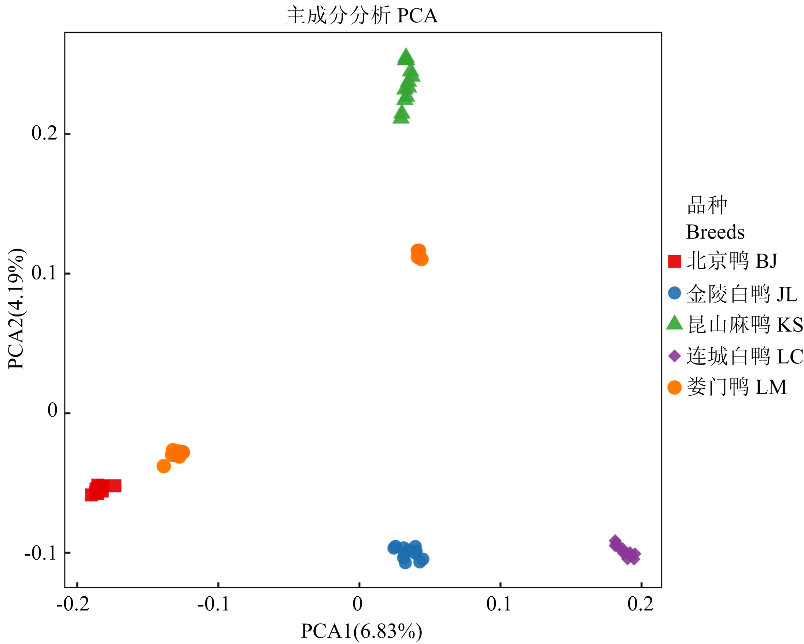
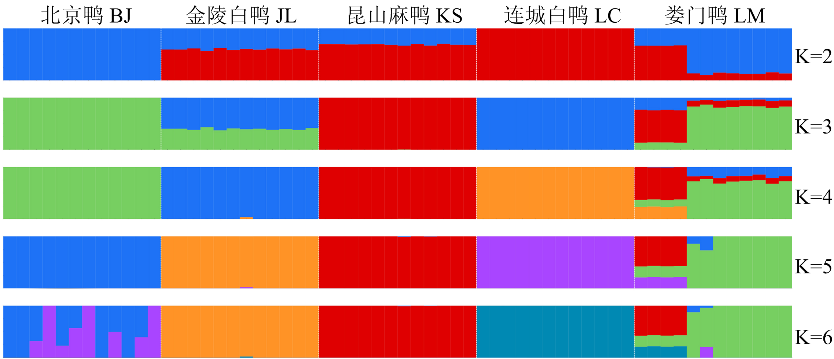
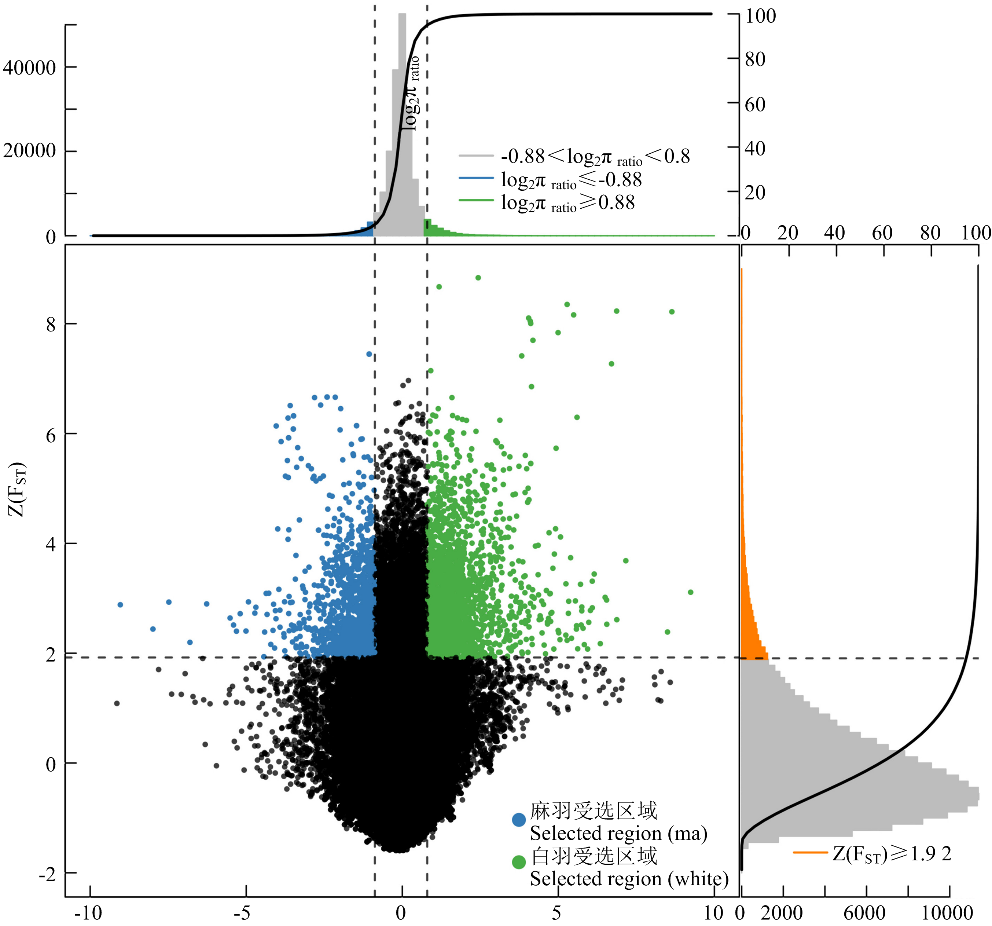
【Objective】 Based on selective sweep analysis using the sliding window and single-site methods, this study aimed to systematically identify candidate genes and potential molecular markers associated with duck plumage color by scanning the whole genome for fixation index (FST) and nucleotide diversity (π). 【Method】Five duck breeds (Beijing duck, Jinling White duck, Liancheng White duck, Kunshan Ma duck, and Loumen duck) with distinct plumage color characteristics were selected as research subjects, with 20 individuals per breed. All individuals underwent whole-genome resequencing and SNP detection. Population genetic structure analysis and linkage disequilibrium decay analysis were performed to systematically assess the population genetic variation characteristics. Based on these analyses, two technical strategies, including the sliding window approach and the single-site method, were employed, using FST and log2πratio as selection signal metrics to screen for genomic regions under selection and identify potential molecular markers associated with duck plumage color phenotype, and to annotate candidate genes within the selected regions. 【Result】(1) After aligning the resequencing data from 100 individuals across the five breeds to the reference genome and performing quality control filtering using PLINK software, a total of 7 784 715 high-quality SNPs were obtained. (2) Principal Component Analysis (PCA) showed the clear genetic clustering among the breeds, effectively separating individuals from different breeds with no significant hybridization observed. Individuals within the Loumen duck breed were relatively dispersed but did not intermix with other breeds. ADMIXTURE analysis at K=2 showed that Beijing duck and Liancheng White duck formed distinct genetic components, clearly separated from other breeds. At K=3 to 5, Jinling White duck and Kunshan Ma duck successively separated from the other groups, while Loumen duck exhibited a higher degree of genetic admixture, which was consistent with the PCA results. (3) Combined analysis based on the sliding window method using FST and log2πratio identified selected genes involved in the duck melanogenesis pathway, including MC1R, TYR, FZD4, ADCY1, GNAI3, CALM1, and WNT7A. Further combined analysis based on the single-site method using FST and log2πratio identified multiple significant selected loci in the upstream promoter regions or exon regions of the ADCY1, GNAI3, CALM1, and WNT7A.【Conclusion】These selected genes and variations within their regulatory regions might influence the expression levels of related genes, thereby regulating melanin synthesis and feather follicle development. This finding provided a potential polygenic regulatory mechanism for understanding the genetic basis of duck plumage color diversity, and offered a theoretical foundation, from known pigment genes to potential regulatory loci, and molecular marker resources for the molecular breeding of duck plumage color traits.

Key words: duck, feathers color, selection signal, local varieties, genetic structure

Fig. 1

Principal component plot of five duck populations"

Fig. 2

Genetic structure of five duck populations"

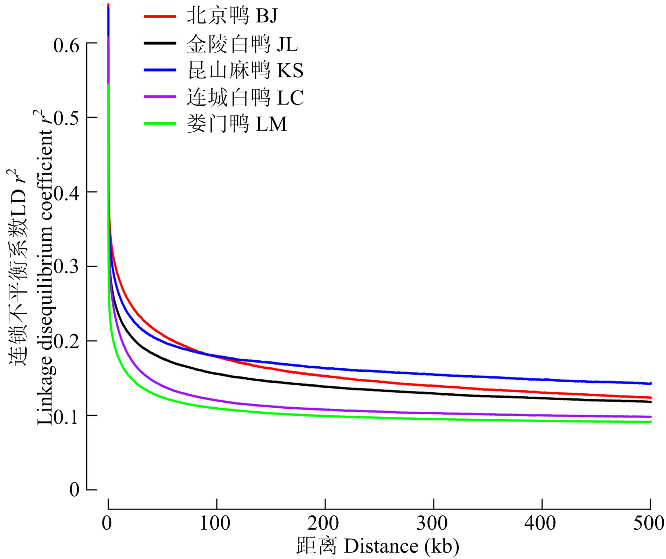
Fig. 3

Linkage disequilibrium decay analysis of the five populations"

Fig. 4

Scatter plot of the combined FST and log2πratio analysis based on the sliding window method"

Fig. 5

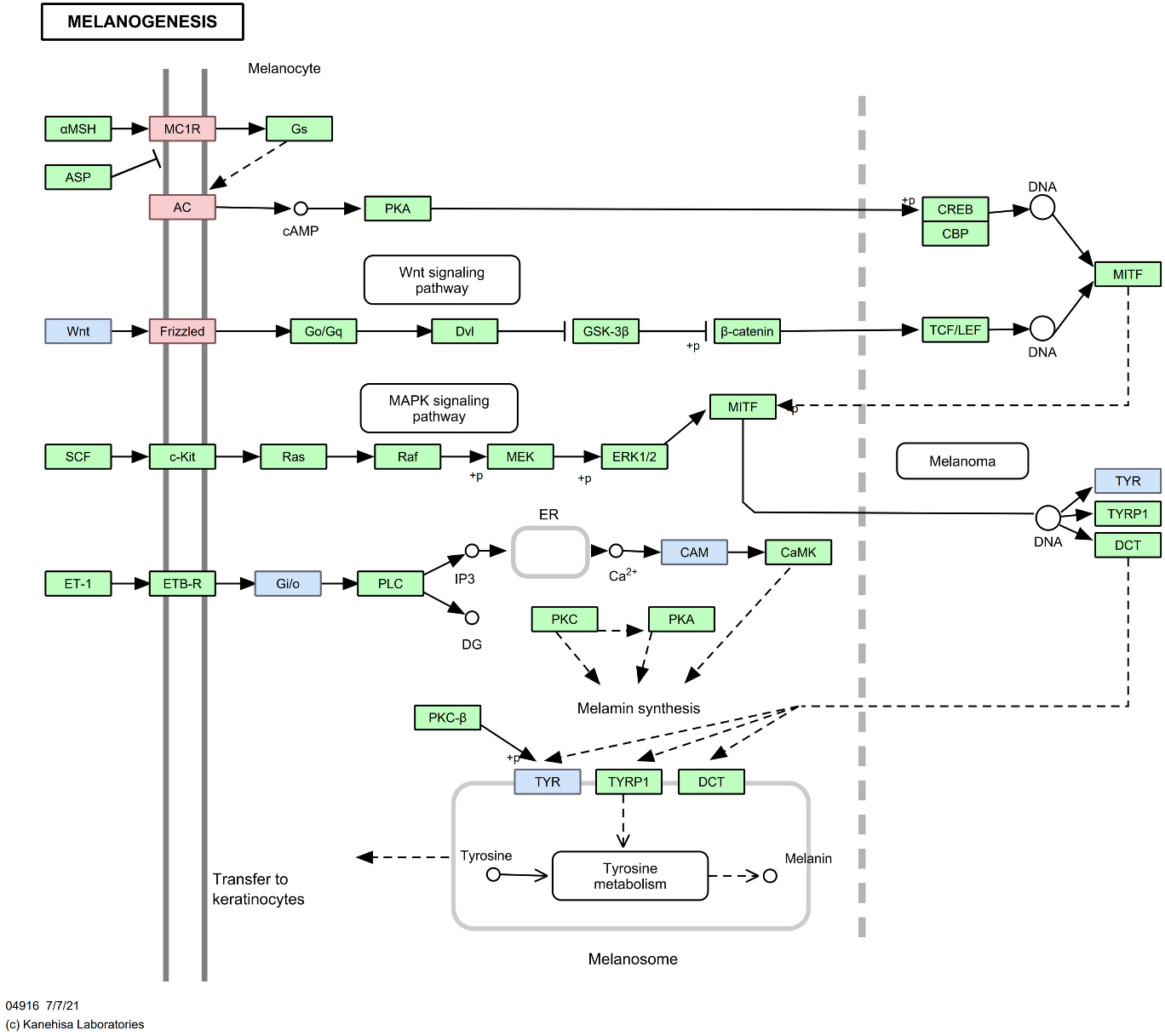
KEGG diagram of selection-screened candidate genes for duck melanogenesis In the figure, light red represents selected genes associated with white plumage, and light blue represents those associated with ma plumage.Genes associated with the white plumage trait include ADCY1 (labeled as AC in the figure), FZD4 (labeled as Frizzled), and MC1R. Genes associated with the ma plumage trait include CALM1 (labeled as CAM), GNAI3 (labeled as Gi/o), TYR, and WNT7A (labeled as Wnt)"

Fig. 6

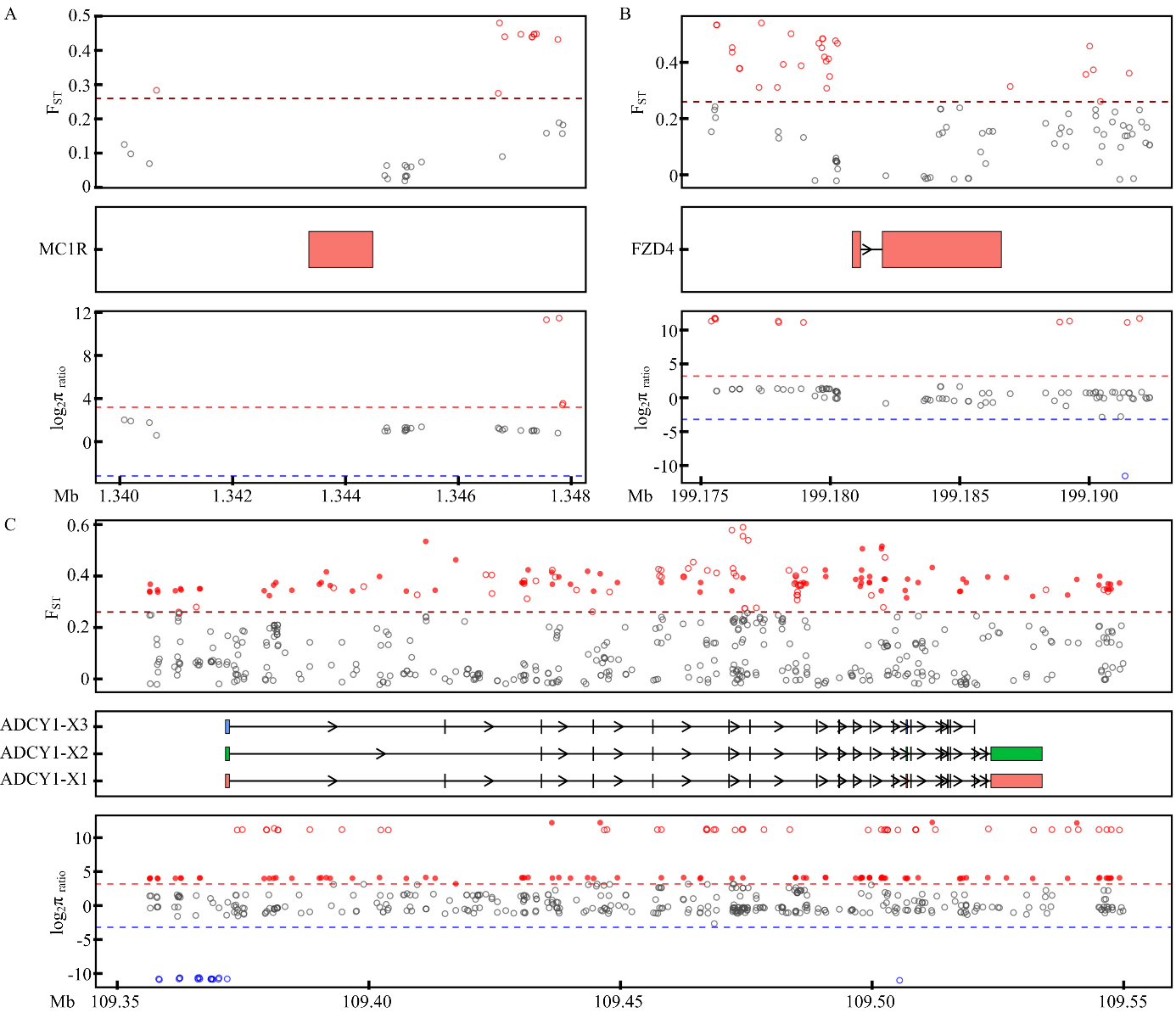
Distribution of candidate loci in selected genes for white plumage The FST threshold (or high log2πratio threshold) and the low log2πratio threshold are indicated by red and blue dashed lines, respectively. Hollow red (or blue) circles represent SNPs significant for only a single metric (either FST or log2πratio); solid red (or blue) circles represent SNPs significant for both metrics simultaneously"

Fig. 7

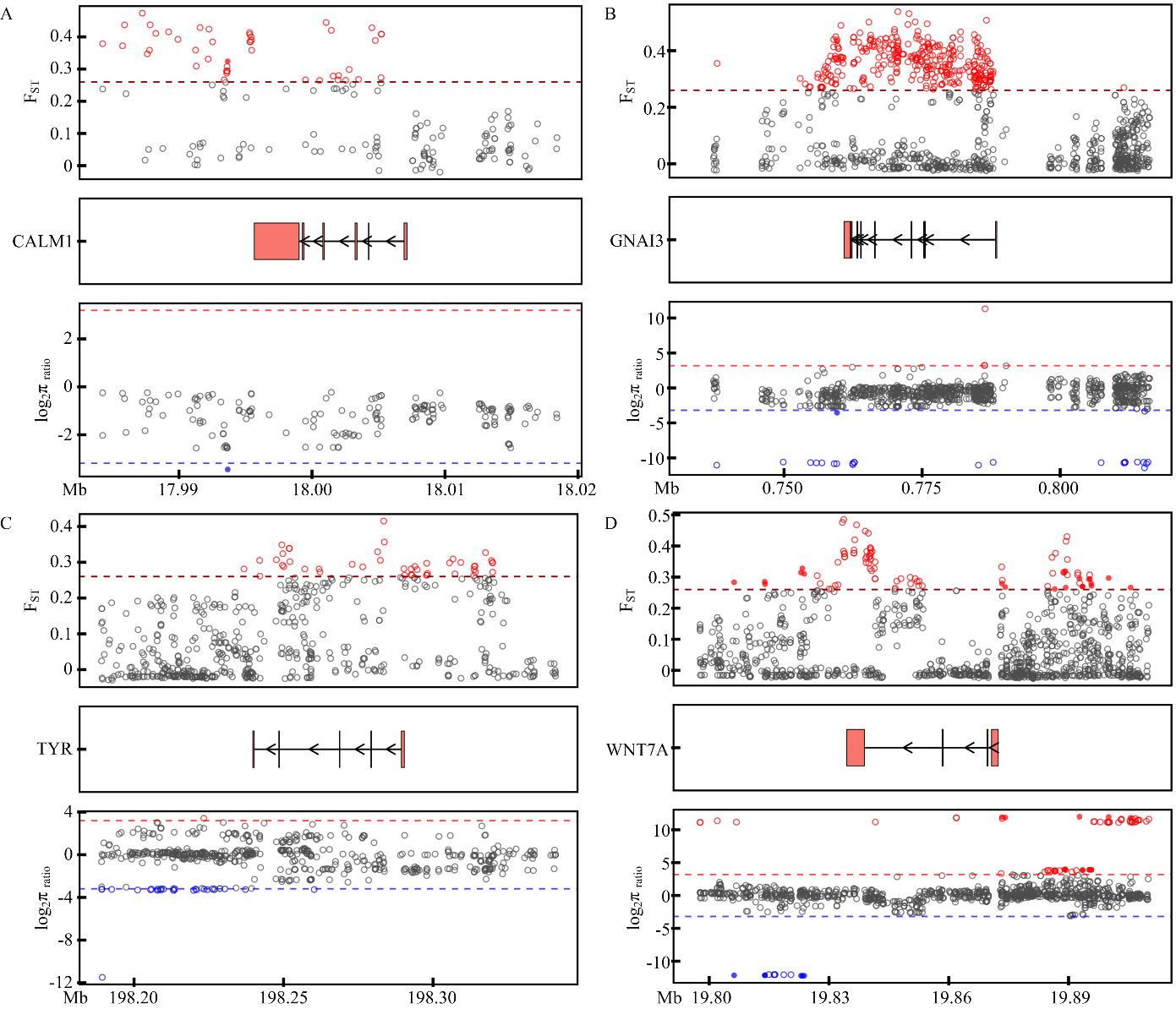
Distribution of candidate loci in selected genes for ma plumage The FST threshold (or high log2πratio threshold) and the low log2πratio threshold are indicated by red and blue dashed lines, respectively. Hollow red (or blue) circles represent SNPs significant for only a single metric (either FST or log2πratio); solid red (or blue) circles represent SNPs significant for both metrics simultaneously"

Table 1

The number and distribution of significant SNP Loci in seven plumage color-associated selected genes and their flanking sequences"

基因名
Gene name
位点总数
Total SNPs
条件1
Case 1
条件2
Case 2
条件3
Case 3
条件4
Case 4
条件5
Case 5
上游15kb内
within 15 kb upstream
外显子区域
Exonic region
内含子区域
Intronic region
下游15kb内
within 15 kb downstream
MC1R 245 103 0 24 0 0 0 0 0 0
FZD4 214 53 0 12 0 0 0 0 0 0
ADCY1 530 140 0 131 0 83 8 3 62 10
CALM1 196 49 1 0 1 0 0 0 0 1
GNAI3 711 341 13 2 1 0 1 0 0 0
TYR 291 33 5 0 0 0 0 0 0 0
WNT7A 1385 88 13 76 6 15 15 0 0 6

Table 2

SNP distribution and allele frequencies in upstream/exonic regions of selected plumage color genes"

染色体
Chrom
位置
Position
b1 b2 p1white p1ma 相关基因
Gene name
相对距离
Relative distance
备注
Note
2 109366340 C T 0.9583 0.4167 ADCY1 上游U5170 潜在启动子区putative promoter region
2 109366474 C T 0.9583 0.4167 ADCY1 上游U5036 潜在启动子区putative promoter region
2 109506849 G A 0.9583 0.4500 ADCY1 第13外显子Exon 13 CDS区沉默突变CDS silent mutation
2 109526685 C A 0.9583 0.3636 ADCY1 第20外显子Exon 20 3'UTR
2 109531919 A G 0.9583 0.4500 ADCY1 第20外显子Exon 20 3'UTR
27 759592 C T 0.5417 1 GNAI3 上游U1276 潜在启动子区putative promoter region
13 19873326 C T 1 0.6667 WNT7A 上游U939 核心启动子区core promoter region
13 19874144 A G 1 0.6818 WNT7A 上游U1757 核心启动子区core promoter region
[1]
Li H F, Zhu W Q, Song W T, Shu J T, Han W, Chen K W. Origin and genetic diversity of Chinese domestic ducks[J]. Molecular Phylogenetics and Evolution, 2010, 57(2): 634-640.
[2]
Cooke T F, Fischer C R, Wu P, Jiang T X, Xie K T, Kuo J, Doctorov E, Zehnder A, Khosla C, Chuong C M, Bustamante C D. Genetic mapping and biochemical basis of yellow feather pigmentation in budgerigars[J]. Cell, 2017, 171(2): 427-439.e21.
[3]
Cannon M E, Mohlke K L. Deciphering the emerging complexities of molecular mechanisms at GWAS loci[J]. The American Journal of Human Genetics, 2018, 103(5): 637-653.
[4]
Zhou Z K, Li M, Cheng H, Fan W L, Yuan Z R, Gao Q, Xu Y X, Guo Z B, Zhang Y S, Hu J, Liu H H, Liu D P, Chen W H, Zheng Z Q, Jiang Y, Wen Z G, Liu Y M, Chen H, Xie M, Zhang Q, et al. An intercross population study reveals genes associated with body size and plumage color in ducks[J]. Nature Communications, 2018, 9: 2648.
[5]
Wang Z, Guo Z B, Liu H F, Liu T, Liu D P, Yu S M, Tang H H, Zhang H, Mou Q M, Zhang B, Cao J T, Schroyen M, Hou S S, Zhou Z K. A high-quality assembly revealing the PMEL gene for the unique plumage phenotype in Liancheng ducks[J]. GigaScience, 2025, 14: giae114.
[6]
Sultana H, Seo D W, Park H B, Choi N R, Hoque R, Bhuiyan S A, Heo K N, Lee S H, Lee J H. Identification of MC1R SNPs and their association with plumage colors in Asian duck[J]. The Journal of Poultry Science, 2017, 54(2): 111-120.
[7]
Guo Q X, Jiang Y, Wang Z X, Bi Y L, Chen G H, Bai H, Chang G B. Genome-wide analysis identifies candidate genes encoding feather color in ducks[J]. Genes, 2022, 13(7): 1249.
[8]
Vilchez V, Dieckmann E, Tammelin T, Cheeseman C, Lee K Y. Upcycling poultry feathers with (nano)cellulose: Sustainable composites derived from nonwoven whole feather preforms[J]. ACS Sustainable Chemistry & Engineering, 2020, 8(38): 14263-14267.
[9]
Wang Y F, Zhu C H, Wang Z C, Song W T, Lu L Z, Tao Z Y, Xu W J, Zhang S J, Zhou W, Liu H X, Li H F. RNA sequencing analysis reveals key genes and pathways associated with feather pigmentation in mule ducks[J]. Animal Genetics, 2025, 56(2): e70007.
[10]
Wang X R, Jiang G T, Kebreab E, Li J H, Feng X Y, Li C, Zhang X, Huang X, Fang C K, Fang R J, Dai Q Z. 1H NMR-based metabolomics study of breast meat from Pekin and Linwu duck of different ages and relation to meat quality[J]. Food Research International, 2020, 133: 109126.
[11]
Liu D P, Zhang H, Yang Y Y, Liu T, Guo Z B, Fan W L, Wang Z, Yang X T, Zhang B, Liu H F, Tang H H, Yu D X, Yu S M, Gai K, Mou Q M, Cao J T, Hu J, Tang J, Hou S S, Zhou Z K. Metabolome-based genome-wide association study of duck meat leads to novel genetic and biochemical insights[J]. Advanced Science, 2023, 10(18): 2300148.
[12]
Li H, Durbin R. Fast and accurate long-read alignment with Burrows-Wheeler transform[J]. Bioinformatics, 2010, 26(5): 589-595.
[13]
Li H, Handsaker B, Wysoker A, Fennell T, Ruan J, Homer N, Marth G, Abecasis G, Durbin R. The sequence alignment/map format and SAMtools[J]. Bioinformatics, 2009, 25(16): 2078-2079.
[14]
Montana G, Hoggart C. Statistical software for gene mapping by admixture linkage disequilibrium[J]. Briefings in Bioinformatics, 2007, 8(6): 393-395.
[15]
Zhang C, Dong S S, Xu J Y, He W M, Yang T L. PopLDdecay: A fast and effective tool for linkage disequilibrium decay analysis based on variant call format files[J]. Bioinformatics, 2019, 35(10): 1786-1788.
[16]
Danecek P, Auton A, Abecasis G, Albers C A, Banks E, DePristo M A, Handsaker R E, Lunter G, Marth G T, Sherry S T, McVean G, Durbin R. The variant call format and VCFtools[J]. Bioinformatics, 2011, 27(15): 2156-2158.
[17]
Quinlan A R. BEDTools: The Swiss-army tool for genome feature analysis[J]. Current Protocols in Bioinformatics, 2014, 47: 11.12. 1-11.1234.
[18]
Akey J M, Zhang G, Zhang K, Jin L, Shriver M D. Interrogating a high-density SNP map for signatures of natural selection[J]. Genome Research, 2002, 12(12): 1805-1814.
[19]
da Silva Ribeiro T, Galván J A, Pool J E. Maximum SNP FST outperforms full-window statistics for detecting soft sweeps in local adaptation[J]. Genome Biology and Evolution, 2022, 14(10): evac143.
[20]
Pham L D, Do D N, Nam L Q, Van Ba N, Ninh P H, Thuy D P, Van Son P, Thieu P C. Evaluation of genetic diversity and population structure in four indigenous duck breeds in Vietnam[J]. Animal Biotechnology, 2022, 33(6): 1065-1072.
[21]
Ren P W, Peng Y D, Yang L, Khan M Z, Jing Y D, Qi C, Liu Z S, Zhang S E, Zheng N Z, Zhang M X, Liu X, Zhu Z M, Zhu M X. Whole genome resequencing reveals genetic diversity, population structure, and selection signatures in local duck breeds[J]. BMC Genomics, 2025, 26(1): 734.
[22]
Zhang Y, Wang L D, Bian Y Q, Wang Z S, Xu Q, Chang G B, Chen G H. Marginal diversity analysis of conservation of Chinese domestic duck breeds[J]. Scientific Reports, 2019, 9: 13141.
[23]
Lee J, Kim D H, Lee K. Research Note: Injection of adenoviral CRISPR/Cas9 system targeting melanophilin gene into different sites of embryos induced regional feather color changes in posthatch quail[J]. Poultry Science, 2023, 102(11): 103087.
[24]
Song W, Yang H Y, Liu S, Yu H H, Li D, Li P C, Xing R E. Melanin: Insights into structure, analysis, and biological activities for future development[J]. Journal of Materials Chemistry B, 2023, 11(32): 7528-7543.
[25]
Ando H, Kondoh H, Ichihashi M, Hearing V J. Approaches to identify inhibitors of melanin biosynthesis via the quality control of tyrosinase[J]. Journal of Investigative Dermatology, 2007, 127(4): 751-761.
[26]
Riley P A. Melanin[J]. The International Journal of Biochemistry & Cell Biology, 1997, 29(11): 1235-1239.
[27]
McNamara M E, Rossi V, Slater T S, Rogers C S, Ducrest A L, Dubey S, Roulin A. Decoding the evolution of melanin in vertebrates[J]. Trends in Ecology & Evolution, 2021, 36(5): 430-443.
[28]
Tian X Y, Wang H Y, Liu S, Liu W, Zhang K Y, Gao X H, Li Q C, Zhao H J, Zhang L R, Liu P W, Liu M, Wang Y J, Zhu X L, Cui R T, Zhou J. Melanocortin 1 receptor mediates melanin production by interacting with the BBSome in primary Cilia[J]. PLoS Biology, 2024, 22(12): e3002940.
[29]
Almathen F, Elbir H, Bahbahani H, Mwacharo J, Hanotte O. Polymorphisms in MC1R and ASIP genes are associated with coat color variation in the Arabian camel[J]. The Journal of Heredity, 2018, 109(6): 700-706.
[30]
Zhong H W, Zhang J, Tan C, Shi J S, Yang J, Cai G Y, Wu Z F, Yang H Q. Pig coat color manipulation by MC1R gene editing[J]. International Journal of Molecular Sciences, 2022, 23(18): 10356.
[31]
Jakaria J, Kholijah K, Darwati S, Rahman Q, Daulay W L, Suhendro I, Londra I M, Ulum M F, Noor R R. Lack of association between coat color abnormalities in Bali cattle (Bos javanicus) and the coding regions of the MC1R and KIT genes[J]. Veterinary World, 2023: 1312-1318.
[32]
Kerje S, Lind J, Schütz K, Jensen P, Andersson L. Melanocortin 1-receptor (MC1R) mutations are associated with plumage colour in chicken[J]. Animal Genetics, 2003, 34(4): 241-248.
[33]
Chen S Y, Zhu B, Yin C Q, Liu W, Han C P, Chen B E, Liu T Z, Li X, Chen X, Li C Y, Hu L M, Zhou J, Xu Z X, Gao X M, Wu X, Goding C R, Cui R T. Palmitoylation-dependent activation of MC1R prevents melanomagenesis[J]. Nature, 2017, 549(7672): 399-403.
[34]
Wu C S, Cioanca A V, Gelmi M C, Wen L, Di Girolamo N, Zhu L, Natoli R, Conway R M, Petsoglou C, Jager M J, McCluskey P J, Madigan M C. The multifunctional human ocular melanocortin system[J]. Progress in Retinal and Eye Research, 2023, 95: 101187.
[35]
Näsman J, Kukkonen J P, Holmqvist T, Åkerman K E O. Different roles for Gi and Go proteins in modulation of adenylyl cyclase type-2 activity[J]. Journal of Neurochemistry, 2002, 83(6): 1252-1261.
[36]
Sahadevan S, Gunawan A, Tholen E, Große-Brinkhaus C, Tesfaye D, Schellander K, Hofmann-Apitius M, Cinar M U, Uddin M J. Pathway based analysis of genes and interactions influencing porcine testis samples from boars with divergent androstenone content in back fat[J]. PLoS ONE, 2014, 9(3): e91077.
[37]
Young A, Dandekar U, Pan C, Sader A, Zheng J J, Lewis R A, Farber D B. GNAI3 another candidate gene to screen in persons with ocular albinism[J]. PLoS ONE, 2016, 11(9): e0162273.
[38]
Lv J P, Zhang X M, An X H, Cao Y, Meng D, Zou K, Gao R Y, Zhang R Z. The inhibition of VDAC1 oligomerization promotes pigmentation through the CaMK-CRTCs/CREB-MITF pathway[J]. Experimental Cell Research, 2024, 434(2): 113874.
[39]
陈晓燕, 郑嫩珠, 朱志明, 缪中纬, 辛青武. 家禽羽色性状相关基因的研究进展[J]. 福建畜牧兽医, 2012(1): 17-20.
Chen X Y, Zheng N Z, Zhu Z M, Miao Z W, Xin Q W. Advances in research on poultry plumage color-related genes[J]. Fujian Journal of Animal Husbandry and Veterinary Medicine, 2012(1): 17-20. (in Chinese)
[40]
申济瑞, 李绍梅, 刘安芳, 牟春燕. Wnt信号通路调控禽类羽囊发育及羽毛生长的作用机制[J]. 中国畜牧杂志, 2025, 61(1): 36-45.
Shen J R, Li S M, Liu A F, Mou C Y. The mechanism of Wnt signaling pathwayon the regulation of poultry feather follicle development and feather growth[J]. Chinese Journal of Animal Science, 2025, 61(1): 36-45. (in Chinese)
[41]
Davoodi P, Ehsani A, Vaez Torshizi R, Masoudi A A. New insights into genetics underlying of plumage color[J]. Animal Genetics, 2022, 53(1): 80-93.
[42]
Liu H H, Xi Y, Tang Q, Qi J J, Zhou Z K, Guo Z B, Fan W L, Hu J, Xu Y X, Liang S Y, Xie M, Tang J, Zhang Y S, Hou S S. Genetic fine-mapping reveals single nucleotide polymorphism mutations in the MC1R regulatory region associated with duck melanism[J]. Molecular Ecology, 2023, 32(12): 3076-3088.
[1] CHEN YaRu, WANG Lei, FU Ming, HUANG Tao, ZHANG Hao, LIANG ZhenHua, PI JinSong, WU Yan. Molecular Mechanism of USP18 Facilitating Ferroptosis by Suppressing GPX4 Ubiquitination and Degradation in Duck Granulosa Cells [J]. Scientia Agricultura Sinica, 2026, 59(5): 1128-1140.
[2] TAO ZhiYun, XU WenJuan, LU LiZhi, SONG WeiTao, ZHANG ShuangJie, LIU HongXiang, WANG ZhiCheng, GU HaoTian, ZHU ChunHong, LI HuiFang. Atlas Construction and Regulatory Analysis of Duck Testicular Cell Development [J]. Scientia Agricultura Sinica, 2026, 59(2): 441-458.
[3] MIAO JunJie, XIE PingHua, LIAO XiaoHua, MAO HuiRong, XIE ChongChong, ZHOU Jing, TAN HongLi, WU LiPing, WANG YaNan, OUYANG Jing, YAN XueMing, CHEN Hao. The Whole Genome Data Revealed the Characteristics of Germplasm Resource and Genetic Diversity of Fengcheng Ducks [J]. Scientia Agricultura Sinica, 2026, 59(11): 2513-2525.
[4] LIU HongXiang, ZHANG XuePing, WANG YiFei, WANG ZhiCheng, GU HaoTian, SONG WeiTao, TAO ZhiYun, XU WenJuan, ZHANG ShuangJie, LU LiZhi, LI HuiFang, ZHU ChunHong. Genome-Wide Association Study of Egg Production Traits in Jinding Duck [J]. Scientia Agricultura Sinica, 2025, 58(15): 3145-3158.
[5] WU YongBao, TANG Jing, CAO JunTing, WANG QiMeng, XIE Ming, ZHOU ZhengKui, HOU ShuiSheng, WEN ZhiGuo. Effects of Methionine Supplementation on Growth Performance, Carcass Trait, and Plasma Biochemical Indice of Growing Pekin Ducks Fed a Low-Energy and Low-Protein Diet [J]. Scientia Agricultura Sinica, 2025, 58(12): 2475-2486.
[6] SUN YanFa, WU Qiong, LIN RuLong, CHEN HongPing, GAN QiuYun, SHEN Yue, WANG YaRu, XUE PengFei, CHEN FeiFan, LIU JianTao, ZHOU ChenXin, LAN ShiShi, PAN HaoZhe, DENG Fan, YUE Wen, JIANG XiaoBing, LI Yan. Genome-Wide Association Study of Egg Quality Traits in Longyan Shan-Ma Duck [J]. Scientia Agricultura Sinica, 2023, 56(3): 572-586.
[7] JING LiQuan, LI Fan, ZHAO YiHan, WANG XunKang, ZHAO FuCheng, LAI ShangKun, SUN XiaoLin, WANG YunXia, YANG LianXin. Research Progress on the Carbon and Nitrogen Sink of Duckweed Growing in Paddy and Its Effects on Rice Yield [J]. Scientia Agricultura Sinica, 2023, 56(23): 4717-4728.
[8] WU ShiHao, HUANG TianRan, HUANG Ming. Effect of Heat Treatment on the Warmed-Over Flavor of Nanjing Water-Boiled Salted Duck Detected by HS-SPME-GC-MS Technology and Electronic Nose [J]. Scientia Agricultura Sinica, 2023, 56(17): 3435-3451.
[9] WU Yan,ZHANG Hao,LIANG ZhenHua,PAN AiLuan,SHEN Jie,PU YueJin,HUANG Tao,PI JinSong,DU JinPing. circ-13267 Regulates Egg Duck Granulosa Cells Apoptosis Through Let-7-19/ERBB4 Pathway [J]. Scientia Agricultura Sinica, 2022, 55(8): 1657-1666.
[10] ZHANG YaNan,JIN YongYan,ZHUANG ZhiWei,WANG Shuang,XIA WeiGuang,RUAN Dong,CHEN Wei,ZHENG ChunTian. Comparison of Shell Mechanical Property, Ultrastructure and Component Between Chicken and Duck Eggs [J]. Scientia Agricultura Sinica, 2022, 55(24): 4957-4968.
[11] NIE XingHua, ZHENG RuiJie, ZHAO YongLian, CAO QingQin, QIN Ling, XING Yu. Genetic Diversity Evaluation of Castanea in China Based on Fluorescently Labeled SSR [J]. Scientia Agricultura Sinica, 2021, 54(8): 1739-1750.
[12] ZHAO DongMin,HUANG XinMei,ZHANG LiJiao,LIU QingTao,YANG Jing,HAN KaiKai,LIU YuZhuo,LI Yin. The Induction of Unfolded Protein Response in Tembusu Virus Infected Ducklings [J]. Scientia Agricultura Sinica, 2021, 54(4): 855-863.
[13] LIU Jiao,CHEN ZhiMin,ZHENG AiJuan,LIU GuoHua,CAI HuiYi,CHANG WenHuan. Effects of Glucose Oxidase on Growth Performance, Immune Functions and Intestinal Health of Ducks Challenged by Escherichia coli [J]. Scientia Agricultura Sinica, 2021, 54(22): 4917-4930.
[14] LIU YanXia,WANG ZhenYu,ZHENG XiaoChun,ZHU YaoDi,CHEN Li,ZHANG DeQuan. Prediction of Center Temperature of Beijing Roast Duck Based on Quality Index [J]. Scientia Agricultura Sinica, 2020, 53(8): 1655-1663.
[15] JiaJie CUI,Qiang XIE,ShuangShuang ZHAI,Tao GONG,YongWen ZHU,Lin YANG,WenCe WANG. Effects of Light Intensity on c-fos, Biological Clock Gene Expression and Melatonin in Cherry Valley Meat Ducks [J]. Scientia Agricultura Sinica, 2020, 53(4): 848-856.
Viewed
Full text


Abstract

Cited

  Shared   
  Discussed   
No Suggested Reading articles found!