Scientia Agricultura Sinica ›› 2023, Vol. 56 ›› Issue (24): 4916-4929.doi: 10.3864/j.issn.0578-1752.2023.24.010

• HORTICULTURE • Previous Articles     Next Articles

Effects of Intercropping with Vulpia myuros in Tea Plantation on Soil and Tea Quality Components

CHEN YiYong1(), LI JianLong1, ZHOU Bo1, WU XiaoMin2, CUI YingYing1, FENG ShaoMao2, HU HaiTao3, TANG JinChi1()   

  1. 1 Tea Research Institute, Guangdong Academy of Agricultural Sciences/Guangdong Key Laboratory of Tea Plant Resources Innovation and Utilization, Guangzhou 510640
    2 Enping Xingwan Tea Factory, Enping 529471, Guangdong
    3 Guangdong Hongyan Tea Industry Co., LTD., Qingyuan 513000, Guangdong
  • Received:2023-04-18 Accepted:2023-09-01 Online:2023-12-16 Published:2023-12-21
  • Contact: TANG JinChi

Abstract:

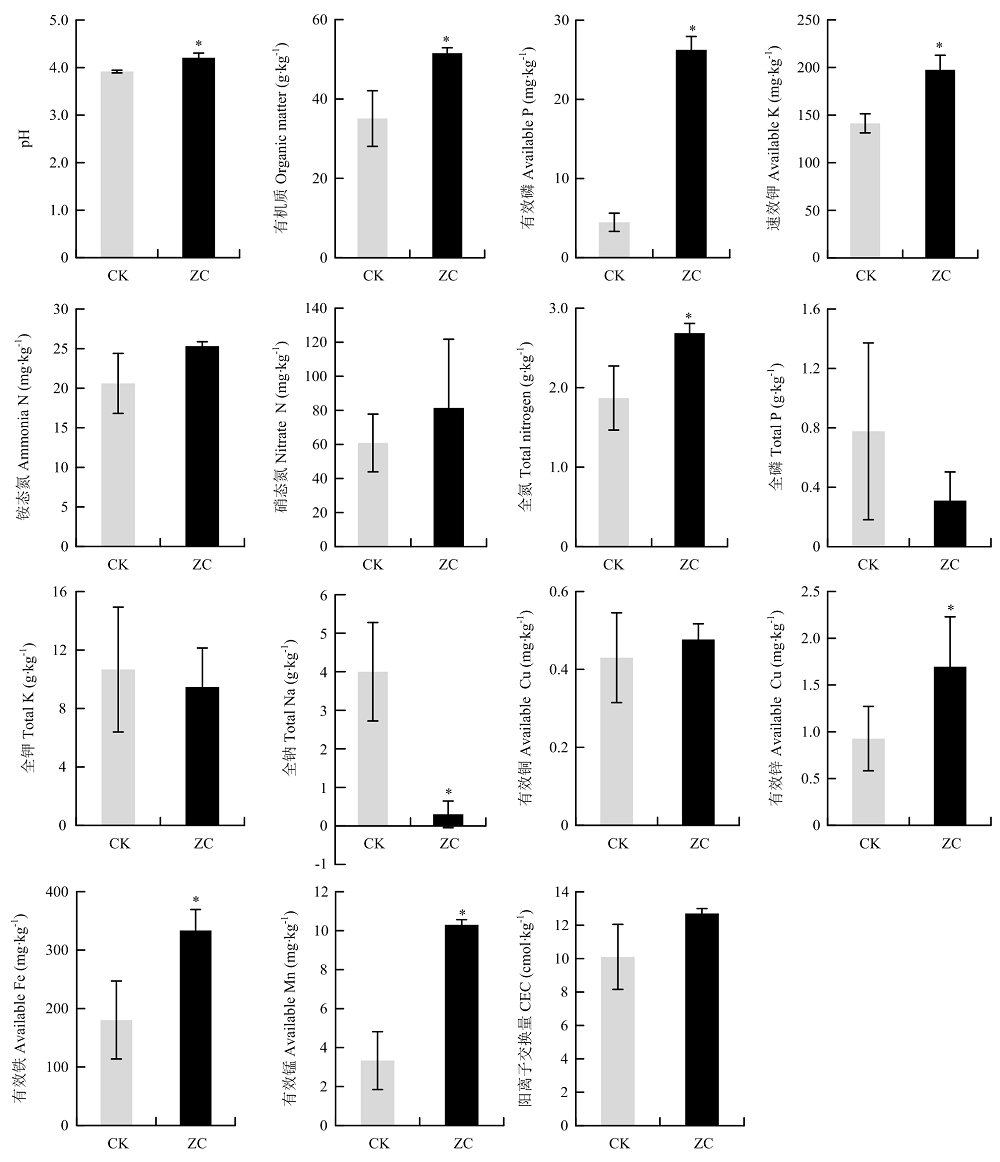
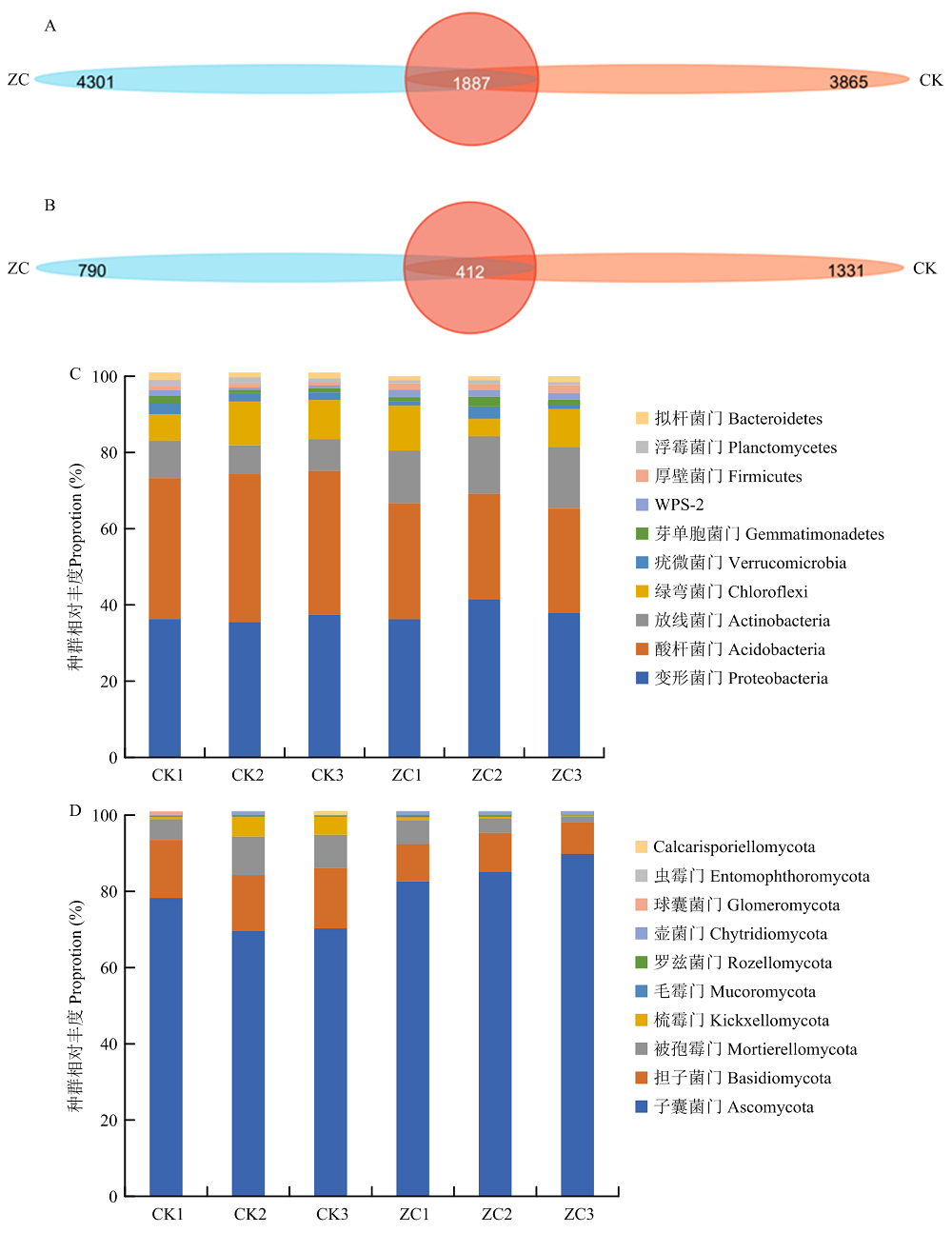
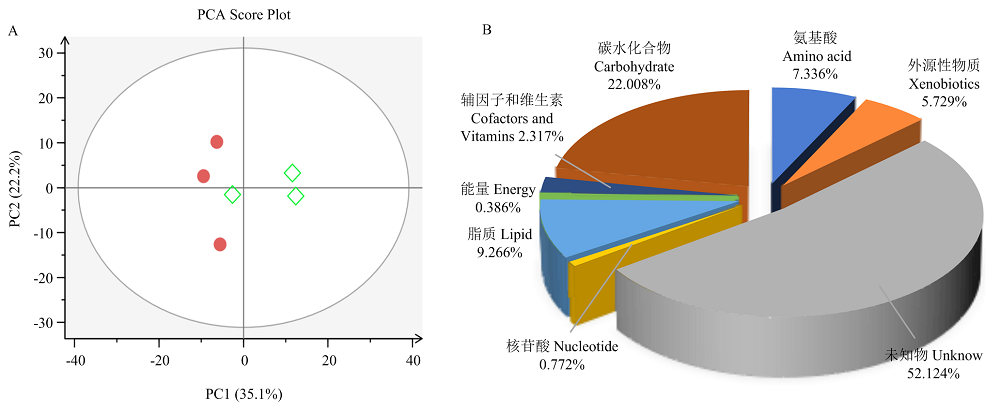
【Objective】 The objective of this study was to analyze the impact of intercropping Vulpia myuros on soil nutrient composition, soil microbial community structure, and tea quality components in tea plantations, so as to provide the data support for intercropping V. myuros as a means to enhance the ecological environment and quality of tea cultivation.【Method】The experimental materials consisted of soil and fresh leaves from a tea garden that had been intercropped with V. myuros for a duration of 2 years, and the control group was a clear-ploughed tea garden. The pH, organic matter, and mineral nutrients of the topsoil in the tea garden were measured. Additionally, the population structure of soil bacteria and fungi was analyzed using 16S and ITS high-throughput sequencing techniques. The quality components of tea were determined through Agilent-7890B gas chromatography.【Result】After intercropping V. myuros in a tea garden for 2 years, the soil pH increased by 0.29, and the soil organic matter content increased by 16.46 g∙kg-1. Additionally, the available phosphorus, available potassium, ammonium nitrogen, and nitrate nitrogen also increased to varying degrees in the tea garden soil planted with V. myuros. Notably, the available phosphorus was 5.88 times higher in the intercropped tea garden compared with the clear-cultivated tea garden. The total nitrogen content in the V. myuros plantation soil was higher than that in the clear-cultivated tea plantation, while the total phosphorus, potassium, and sodium contents were lower. Moreover, the tea garden soil planted with V. myuros had higher levels of available zinc, available iron, available copper, and cation exchange capacity. The intercropping of V. myuros in the tea garden also led to an increase in the number of bacteria and fungi in the soil. Furthermore, the relative abundance of Actinobacteria and Ascomycota associated with organic matter decomposition increased in the soil of the V. myuros tea plantation. A total of 259 metabolites were identified from the fresh leaves of the grass plantation and the clear cultivation garden. Among them, the content of 20 metabolites showed significant differences, and these different metabolites mainly included sugars, fatty acids, and catechins. The tea leaves of the V. myuros plantation had more than 2 times the contents of leucrose, methyl-β-D-glucopyranoside, lacttol alcohol, galactoglycerol, and α-lactose compared to the tea plantation. On the other hand, the content of (9Z)-octadecatrienoic acid and (9Z,12Z,15Z)-octadecatrienoic acid were significantly lower in the cultivated tea garden. Additionally, compared with the clear-ploughed tea garden the intercultivated tea plantation had significantly lower contents of (+)-galligallocatechin, galligallocatechin, and epicatechin metabolites. 【Conclusion】When V. myuros was interplanted with tea gardens, the acidity of the soil might be successfully alleviated, and the amount of organic matter and mineral nutrient components in the soil increased. Then, tea plants could more easily absorb and use soil nutrients when there were changes in the amount and community structure of soil bacteria and fungi. The structure of the microbial population and variations in soil nutrients had a significant impact on the quality of tea.

Key words: Vulpia myuros, Camellia sinensis, intercropping, soil microorganisms, quality components

Fig. 1

Effects of with Vulpia myuros intercropping in tea plantation on soil mineral nutriments CK: Clear-ploughed tea garden; ZC: Tea garden intercropped with Vulpia myuros. * indicate significant difference (P<0.05). The same as below"

Table 1

Effects of with Vulpia myuros intercropping in tea plantation on Alpha diversity index of soil bacteria and fungi"

比较项目
Compare item
茶园类型
Tea plantation type
Chao1 指数
Chao1 index
微生物覆盖率
Goods_coverage
物种数目
Observed_species
香浓指数
Shannon
细菌16S
Bacterial 16S
清耕茶园 CK 2570.20±49.84a 0.99±0.01a 2308.37±64.15a 9.52±0.28a
鼠茅草间作茶园ZC 2501.38±368.24a 0.99±0.01a 2289.03±294.64a 9.62±0.33a
真菌ITS
Fungi ITS
清耕茶园 CK 617.02±105.09a 0.99±0.01a 614.93±105.36a 6.53±0.51a
鼠茅草间作茶园ZC 456.78±118.44a 0.99±0.01a 455.25±116.75a 4.05±1.27b

Fig. 2

Effects of with Vulpia myuros intercropping on soil microbial community structure in tea plantation A: Venn map of bacteria community in soil; B: Venn map of fungal community in rhizosphere soil; C: Relative abundance of bacteria community composition at phylum level; D: Relative abundance of fungal community composition at phylum level"

Fig. 3

Cluster analysis on abundance of genus horizontal community of bacterial (A) and fungal (B) in tea plantation soil"

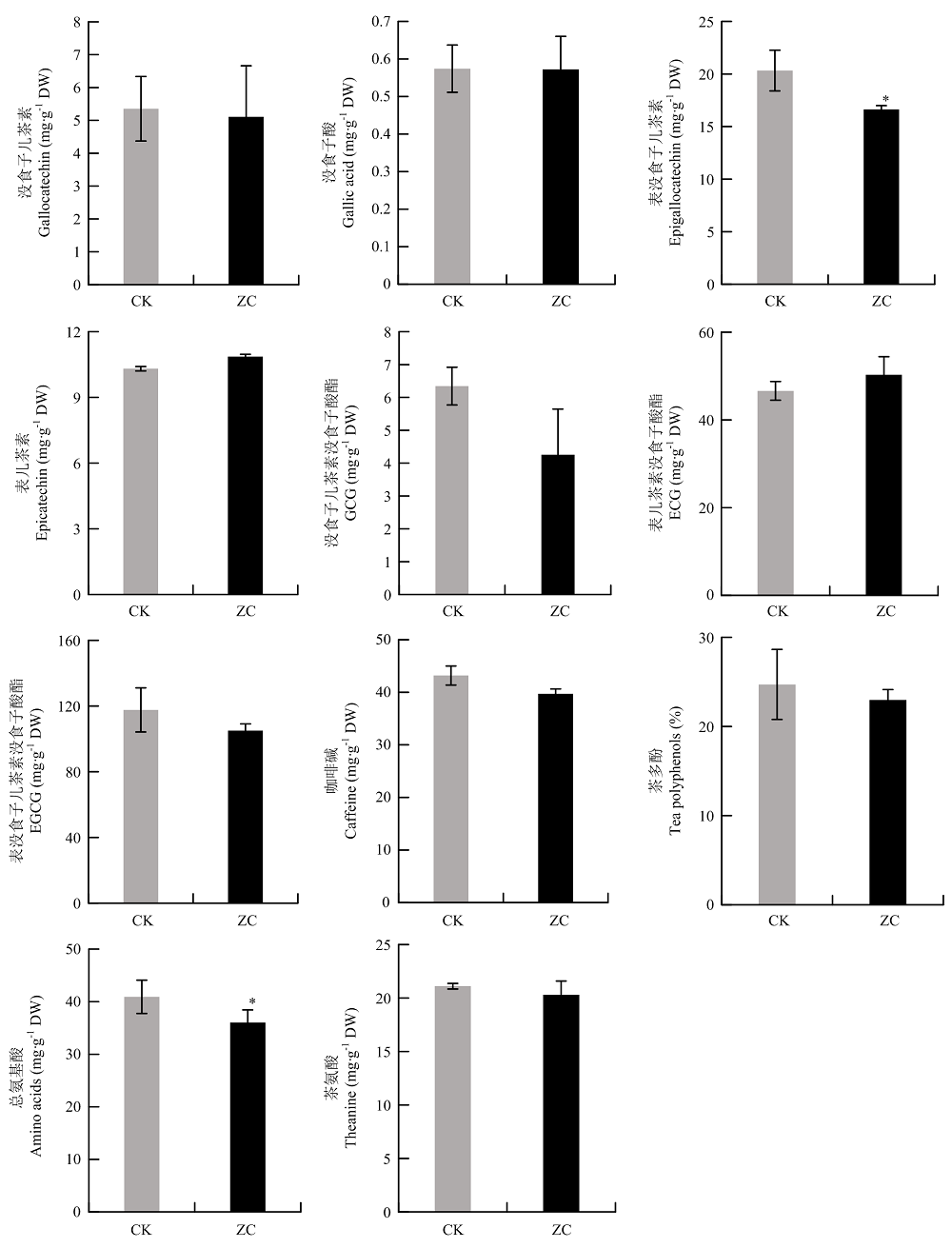
Fig. 4

Effects of with Vulpia myuros intercropping in tea plantation on tea quality components"

Fig. 5

Principal component analysis (A) and classification (B) of tea metabolites in Vulpia myuros intercropping and clear ploughing tea plantation"

Table 2

The significantly different metabolites in tea leaves of Vulpia myuros intercropping and clear ploughing tea plantation"

化合物名称
Compound name
MZ 保留时间
RT(min)
差异倍数Fold change ZC/CK P
P-value
1 麦白糖Leucrose 204.13 13.85 4.52 0.01
2 甲基-β-D-吡喃葡萄糖苷 Methyl beta-D-glucopyranoside 204.13 12.21 3.01 0.01
3 乳糖醇 Lactitol 204.13 14.86 2.82 0.03
4 半乳糖甘油 Galactosylglycerol 204.13 12.79 2.58 0.02
5 α-乳糖 alpha-Lactose 204.12 13.83 2.14 0.03
6 beta-D-鼠李糖, 2-(乙酰氨基)-2-脱氧基-
beta-D-Mannopyranose, 2-(acetylamino)-2-deoxy-
205.14 11.78 1.85 0.01
7 α-半乳糖 alpha-D-Galactose 205.06 10.86 1.83 0.05
8 D-葡萄糖-6-磷酸 6-o-Phosphonohexose 99.09 12.85 1.70 0.00
9 乳酮糖 Lactulose 361.21 14.37 1.62 0.05
10 L-别苏氨酸 L-Allothreonine 218.15 7.85 1.52 0.04
11 2-O-甲基-D-鼠李糖 2-O-Methyl-D-mannopyranosa 204.13 10.56 1.51 0.02
12 (9Z)-十八碳烯酸 (9Z)-Octadecenoic acid 131.07 12.48 0.64 0.01
13 (9Z,12Z,15Z)-十八碳三烯酸 (9Z,12Z,15Z)-Octadecatrienoic acid 95.06 12.49 0.60 0.01
14 苯乙醛 Phenylacetaldehyde 119.08 8.24 0.58 0.04
15 6-脱氧-L-阿洛糖 6-Deoxy-L-galactose 217.14 10.00 0.51 0.05
16 (+)-没食子儿茶 (+)-Gallocatechin 456.23 15.42 0.48 0.00
17 没食子儿茶酚 Gallocatechol 456.23 15.42 0.48 0.00
18 咖啡酸酯 Caffeate 219.09 12.09 0.32 0.01
19 L-表儿茶 L-Epicatechin 368.21 15.18 0.12 0.01
20 (-)-表儿茶 (-)-Epicatechin 368.21 15.18 0.12 0.01
[1]
TREVISANATO S I, KIM Y I. Tea and health. Nutrition Reviews, 2009, 58(1): 1-10.

doi: 10.1111/j.1753-4887.2000.tb01818.x
[2]
谢克孝, 薛志慧, 陈志丹. 茶园间作不同植物对茶叶产量和品质及茶园土壤的影响. 茶叶通讯, 2021, 48(3): 422-429.
XIE K X, XUE Z H, CHEN Z D. Effects of intercropping different plants in tea garden on yield and quality of tea and soil of tea garden. Tea Communication, 2021, 48(3): 422-429. (in Chinese)
[3]
DUCHENE O, VIAN J F, CELETTE F. Intercropping with legume for agroecological cropping systems: Complementarity and facilitation processes and the importance of soil microorganisms: A review. Agriculture, Ecosystems & Environment, 2017, 240: 148-161.

doi: 10.1016/j.agee.2017.02.019
[4]
苏本营, 陈圣宾, 李永庚, 杨文钰. 间套作种植提升农田生态系统服务功能. 生态学报, 2013, 33(14): 4505-4514.
SU B Y, CHEN S B, LI Y G, YANG W Y. Intercropping enhances the farmland ecosystem services. Acta Ecologica Sinica, 2013, 33(14): 4505-4514. (in Chinese)

doi: 10.5846/stxb
[5]
王慧敏. 间作芳香植物对茶园土壤肥力状况的影响[D]. 泰安: 山东农业大学, 2016.
WANG H M. Effect of intercropping aromatic plants on soil fertility in tea garden[D]. Tai’an: Shandong Agricultural University, 2016. (in Chinese)
[6]
王东, 卢健, 汪群, 朱建杰, 徐荣炳, 阮燕勤. 鼠茅草在茶园生草中的应用前景分析. 现代农业科技, 2021(21): 175-177.
WANG D, LU J, WANG Q, ZHU J J, XU R B, RUAN Y Q. Analysis on the application prospect of mouse grass in tea garden. XianDai NongYe KeJi, 2021(21): 175-177. (in Chinese)
[7]
王林军, 李玉胜, 王兆顺, 张圣先, 姜宏浩, 赵春. 北方茶园生草栽培关键技术. 中国茶叶, 2019, 41(5): 52-54.
WANG L J, LI Y S, WANG Z S, ZHANG S X, JIANG H H, ZHAO C. Key techniques of planting grass in tea garden in North China. China Tea, 2019, 41(5): 52-54. (in Chinese)
[8]
曹雨欣, 张广娜, 王芸, 林祥杰, 于军香, 郑亚琴. 冬季干旱胁迫后复水对鼠茅草生理特性的影响. 中国果菜, 2020, 40(3): 54-60.
CAO Y X, ZHANG G N, WANG Y, LIN X J, YU J X, ZHENG Y Q. The effect of rehydration after winter drought stress on the physiological characteristics of Vulpia myuros C.Gmelin. China Fruit & Avegetable, 2020, 40(3): 54-60. (in Chinese)
[9]
赵珠蒙, 马军辉, 范冬梅, 王树茂, 王校常. 茶园间作鼠茅草初探. 茶叶, 2021, 47(2): 80-84.
ZHAO Z M, MA J H, FAN D M, WANG S M, WANG X C. A preliminary study on intercropping salvia in tea garden. Journal of Tea, 2021, 47(2): 80-84. (in Chinese)
[10]
梁春莉, 崔佟. 生草对酿酒葡萄园土壤理化性质的影响. 辽宁农业职业技术学院学报, 2017, 19(5): 1-3.
LIANG C L, CUI T. Study on the influence of weed growing on soil physical and chemical properties of vineyard. Journal of Liaoning Agricultural College, 2017, 19(5): 1-3. (in Chinese)
[11]
李艳红, 石德杨, 张培苹, 孙强生, 孙瑶, 王洪章. 鼠茅草对苹果园土壤物理性状及产量的影响. 中国果树, 2017(4): 17-19.
LI Y H, SHI D Y, ZHANG P P, SUN Q S, SUN Y, WANG H Z. Effects of rattan grass on soil physical properties and yield in apple orchard. China Fruits, 2017(4): 17-19. (in Chinese)
[12]
赵金元, 胡金祥, 刘广勤. 果园覆盖作物鼠茅栽培研究. 江苏农业科学, 2011, 39(4): 179-181.
ZHAO J Y, HU J X, LIU G Q. Study on cultivation of cropping crops in orchard. Jiangsu Agricultural Sciences, 2011, 39(4): 179-181. (in Chinese)
[13]
梁秀华, 李腊梅, 陈锦宇, 张剑. 鼠茅草在绍兴市的种植表现及在茶园的应用前景. 乡村科技, 2020(19): 100-101.
LIANG X H, LI L M, CHEN J Y, ZHANG J. Planting performance and application prospect in tea garden of Rattan grass in Shaoxing city. Xiangcun Keji, 2020(19): 100-101. (in Chinese)
[14]
李元雪, 张广娜, 苗悦, 林祥杰, 王芸, 于军香, 郑亚琴. 鼠茅草生草对苹果园土壤理化性质的影响. 中国果菜, 2019, 39(10): 86-89.
LI Y X, ZHANG G N, MIAO Y, LIN X J, WANG Y, YU J X, ZHENG Y Q. Effects of Vulpia myuros C.Gmelin planting on physical and chemical properties of soil in apple orchard. China Fruit & Avegetable, 2019, 39(10): 86-89. (in Chinese)
[15]
毕明浩, 梁斌, 董静, 李俊良. 果园生草对氮素表层累积及径流损失的影响. 水土保持学报, 2017, 31(3): 102-105.
BI M H, LIANG B, DONG J, LI J L. Effects of cover crop (Vulpia myuros) on the accumulation and runoff loss of nitrogen in orchard. Journal of Soil and Water Conservation, 2017, 31(3): 102-105. (in Chinese)
[16]
李秋红, 付丽春, 王家祥, 郑素莲, 吴明伟, 顾胜. 种植鼠茅草对苹果园土壤理化性状及果实产量和品质的影响. 农业与技术, 2014, 34(6): 26.
LI Q H, FU L C, WANG J X, ZHENG S L, WU M W, GU S. Effects of planting Rattan grass on soil physical and chemical properties, fruit yield and quality in apple orchard. Agriculture & Technology, 2014, 34(6): 26. (in Chinese)
[17]
张敬亮, 阮树兴, 马新龙, 毕高兵, 孔庆敏. 苹果园连年种植鼠茅草对绿盲蝽与金纹细蛾的影响. 河北果树, 2014(1): 37-38.
ZHANG J L, RUAN S X, MA X L, BI G B, KONG Q M. Effects of planting rat grass in apple orchard for years on green blind stinkbug and golden moth. Hebei Fruits, 2014(1): 37-38. (in Chinese)
[18]
鲍士旦. 土壤农化分析. 3版. 北京: 中国农业出版社, 2000.
BAO S D. Soil and Agricultural Chemistry Analysis. 3rd ed. Beijing: China Agriculture Press, 2000. (in Chinese)
[19]
鲁如坤. 土壤农业化学分析方法. 北京: 中国农业科技出版社, 2000: 130-209.
LU R K. Methods of Soil Agrochemical Analysis. Beijing: China Agriculture Scientech Press, 2000: 130-209. (in Chinese)
[20]
FIEHN O, WOHLGEMUTH G, SCHOLZ M, KIND T, LEE D Y, LU Y, MOON S, NIKOLAU B. Quality control for plant metabolomics: reporting MSI-compliant studies. The Plant Journal, 2008, 53(4): 691-704.

doi: 10.1111/j.1365-313X.2007.03387.x pmid: 18269577
[21]
陆建良, 梁月荣. 茶树根系特性与茶园管理. 茶叶科学简报, 1994(1): 1-5.
LU J L, LIANG Y R. Root characteristics of tea trees and tea garden management. Tea Science and Technology, 1994(1): 1-5. (in Chinese)
[22]
王晓艳. 覆盖鼠茅草条件下油茶林土壤理化性质与土壤酶活性. 福建林业, 2022(1): 45-48.
WANG X Y. Soil physical and chemical properties and soil enzyme activity of Camellia oleifera forest mulched with Vulpia myuros. Fujian Linye, 2022(1): 45-48. (in Chinese)
[23]
方丽, 王涛, 柏德林, 马立锋. 适宜茶园种植的生态绿肥: 鼠茅草. 中国茶叶, 2021, 43(4): 59-61.
FANG L, WANG T, BAI D L, MA L F. Ecological green manure suitable for tea garden planting-Salvia. China Tea, 2021, 43(4): 59-61. (in Chinese)
[24]
WEN B, LI L, DUAN Y, ZHANG Y Y, SHEN J Z, XIA M, WANG Y H, FANG W P, ZHU X J. Zn, Ni, Mn, Cr, Pb and Cu in soil-tea ecosystem: the concentrations, spatial relationship and potential control. Chemosphere, 2018, 204: 92-100.

doi: S0045-6535(18)30668-4 pmid: 29653327
[25]
何霞, 夏建国, 赵文甫, 王文跃. 铁锰配施对川西蒙山茶叶品质的影响. 中国农学通报, 2009, 25(19): 90-94.
HE X, XIA J G, ZHAO W F, WANG W Y. Effects under combined treatment of manganese and EDTA-Fe on qualities of Mengshan tea in western Sichuan. Chinese Agricultural Science Bulletin, 2009, 25(19): 90-94. (in Chinese)
[26]
潘介春, 徐石兰, 丁峰, 张振镜, 周煜棉, 王金英, 徐炯志, 邓英毅, 程夕冉, 莫云川. 生草栽培对龙眼果园土壤理化性质和微生物学性状的影响. 中国果树, 2019(6): 59-64.
PAN J C, XU S L, DING F, ZHANG Z J, ZHOU Y M, WANG J Y, XU J Z, DENG Y Y, CHENG X R, MO Y C. Study on the effects of cover crops on the physic and chemical properties and the organism of soils in Longan orchards. China Fruits, 2019(6): 59-64. (in Chinese)
[27]
姜莉莉, 宫庆涛, 武海斌, 盛福敬, 孙瑞红. 不同生草处理对苹果园土壤微生物群落的影响. 应用生态学报, 2019, 30(10): 3482-3490.

doi: 10.13287/j.1001-9332.201910.039
JIANG L L, GONG Q T, WU H B, SHENG F J, SUN R H. Effects of different grasses cultivation on apple orchard soil microbial community. Chinese Journal of Applied Ecology, 2019, 30(10): 3482-3490. (in Chinese)
[28]
封海胜, 万书波, 左学青, 成波. 花生连作土壤及根际主要微生物类群的变化及与产量的相关. 花生学报, 1999, 28(S1): 277-283.
FENG H S, WAN S B, ZUO X Q, CHENG B. Changes of main microbial groups in peanut continuous cropping soil and rhizosphere and their correlation with yield. Journal of Peanut Science, 1999, 28(S1): 277-283. (in Chinese)
[29]
郭永霞, 李彩华, 靳学慧. 农业措施对大豆根际土壤微生物区系的影响. 中国农学通报, 2006, 22(10): 234-237.
GUO Y X, LI C H, JIN X H. Effects of different agricultural practices on rhizosphere soil microbe floras in soybean field. Chinese Agricultural Science Bulletin, 2006, 22(10): 234-237. (in Chinese)

doi: 10.11924/j.issn.1000-6850.0610234
[30]
丁文沙, 魏志超, 孟李群, 刘志刚, 刘爱琴. 生物炭对杉木人工林土壤细菌多样性的影响. 森林与环境学报, 2019, 39(6): 584-592.
DING W S, WEI Z C, MENG L Q, LIU Z G, LIU A Q. Effects of biochar on soil bacterial diversity in Chinese fir plantations. Journal of Forest and Environment, 2019, 39(6): 584-592. (in Chinese)
[31]
王峰, 陈玉真, 吴志丹, 尤志明, 余文权, 俞晓敏, 杨贞标. 有机管理模式对茶园土壤真菌群落结构及功能的影响. 茶叶科学, 2022, 42(5): 672-688.
WANG F, CHEN Y Z, WU Z D, YOU Z M, YU W Q, YU X M, YANG Z B. Effects of organic management mode on soil fungal community structure and functions in tea gardens. Journal of Tea Science, 2022, 42(5): 672-688. (in Chinese)
[32]
何苑皞, 周国英, 王圣洁, 李河. 杉木人工林土壤真菌遗传多样性. 生态学报, 2014, 34(10): 2725-2736.
HE Y H, ZHOU G Y, WANG S J, LI H. Fungal diversity in Cunninghamia lanceolata plantation soil. Acta Ecologica Sinica, 2014, 34(10): 2725-2736. (in Chinese)
[33]
YELLE D J, RALPH J, LU F C, HAMMEL K E. Evidence for cleavage of lignin by a brown rot basidiomycete. Environmental Microbiology, 2008, 10(7): 1844-1849.

doi: 10.1111/j.1462-2920.2008.01605.x pmid: 18363712
[34]
马立锋, 杨向德, 王涛, 柏德林, 季凌飞, 方丽, 阮建云. “鼠茅草+有机肥+茶树专用肥” 高效施用技术模式. 中国茶叶, 2020, 42(4): 48-49.
MA L F, YANG X D, WANG T, BAI D L, JI L F, FANG L, RUAN J Y. “Vulpia myuros + organic fertilizer + tea specific fertilizer” efficient application technology mode. China Tea, 2020, 42(4): 48-49. (in Chinese)
[35]
ROLLAND F, BAENA-GONZALEZ E, SHEEN J. Sugar sensing and signaling in plants: conserved and novel mechanisms. Annual Review of Plant Biology, 2006, 57: 675-709.

pmid: 16669778
[36]
段玉, 邢弘擎, 刘国栋, 王婷, 刘乐峰, 朱旭君, 钟增涛, 房婉萍. 茶树-绿豆/大豆间作对茶园土壤和茶叶品质的影响. 南京农业大学学报, 2022, 45(3): 511-520.
DUAN Y, XING H Q, LIU G D, WANG T, LIU L F, ZHU X J, ZHONG Z T, FANG W P. The effects of tea plants-mung bean/soybean intercropped on soil physicochemical properties and tea quality in tea plantation. Journal of Nanjing Agricultural University, 2022, 45(3): 511-520. (in Chinese)
[1] WANG JiaXin, HU JingYi, ZHANG Wei, WEI Qian, WANG Tao, WANG XiaoLin, ZHANG Xiong, ZHANG PanPan. Effects of Different Mulching Methods on the Production of Photosynthetic Substances and Water Use Efficiency of Intercropped Maize [J]. Scientia Agricultura Sinica, 2025, 58(3): 460-477.
[2] GAO ChunHua, ZHAO HaiJun, ZHAO FengTao, KONG WeiLin, JU FeiYan, LI ZongXin, SHI DeYang, LIU Ping. Effect of Growth Regulators on the Stem Characteristics and Yield of Summer Maize in Maize-Soybean Strip Intercropping [J]. Scientia Agricultura Sinica, 2025, 58(23): 4920-4935.
[3] YANG ShuQi, ZHAO YingXing, QIAN Xin, ZHANG XuePeng, MENG WeiWei, SUI Peng, LI ZongXin, CHEN YuanQuan. Comprehensive Evaluation of the Maize-Soybean Intercropping Pattern in the Huang-Huai Region [J]. Scientia Agricultura Sinica, 2025, 58(23): 4936-4951.
[4] SONG XuHui, ZHAO XueYing, ZHAO Bin, REN BaiZhao, ZHANG JiWang, LIU Peng, REN Hao. Effects of Row Ratio Allocation on Light Distribution and Photosynthetic Production Capacity of Maize-Soybean Strip Intercropping [J]. Scientia Agricultura Sinica, 2025, 58(23): 4858-4871.
[5] FANG Jian, QIN ZhaoJi, YU YuanYuan, YU NingNing, ZHAO Bin, LIU Peng, REN BaiZhao, ZHANG JiWang. Impacts of Varying Row Ratio Arrangements on Plant Performance, Stand Yield, and Comprehensive Benefits in Soybean-Maize Strip intercropping [J]. Scientia Agricultura Sinica, 2025, 58(23): 4841-4857.
[6] SHI DeYang, GAO ChunHua, LI YanHong, ZHAO HaiJun, XIA DeJun. Effects of Row Spacing Configuration on the Canopy Characteristics and Grain Yield of the Intercropping Maize [J]. Scientia Agricultura Sinica, 2025, 58(23): 4872-4885.
[7] ZHANG MengYu, HE ZaiJu, WANG XingXing, REN Hao, REN BaiZhao, LIU Peng, ZHANG JiWang, ZHAO Bin. The Influences of Different Plant Height Combinations of Maize Varieties on Light Distribution in the Canopy and the Photosynthetic Characteristics of Maize Under Maize-Soybean Strip Intercropping Pattern [J]. Scientia Agricultura Sinica, 2025, 58(23): 4886-4904.
[8] KONG WeiLin, GAO ChunHua, ZHAO FengTao, JU FeiYan, LI ZongXin, ZHAO HaiJun, LIU Ping. Effects of Nitrogen Application Rate Combined with Drip Irrigation Amount After Sowing on Yield, Economic Benefit, Water Use Characteristics of Maize-Soybean Strip Intercropping Planting System [J]. Scientia Agricultura Sinica, 2025, 58(23): 4905-4919.
[9] LUO Qin, CHEN XieYong, XU YuYing, WEI Hang, HUANG Biao, YAO QingHua, YE NaiXing, ZHENG DeYong, YAN MingJuan. Characterization of Non-Volatile Metabolites of White Peony Tea Make of Camellia sinensis Fu’an-dabaicha from Different Origins [J]. Scientia Agricultura Sinica, 2025, 58(22): 4757-4770.
[10] LIANG Na, WANG JiangTao, WANG YingChao, ZHENG Bin, WANG XiaoXiao, LIU Juan, LIU Ling, FU GuoZhan, JIAO NianYuan. Effects of Co-Ridge Planting on the Distribution Characteristics of Soil Available Phosphorus and the Absorption and Utilization of Phosphorus by Crops in Maize||Peanut [J]. Scientia Agricultura Sinica, 2025, 58(13): 2564-2577.
[11] CHEN HuiXian, HE Wen, RUAN LiXia, HUANG XiaoJuan, LAN Xiu, CAI ZhaoQin, LI HengRui, HUANG ZhenLing, WEI WanLing, LIANG ZhenHua, LI TianYuan, CAO Sheng, LI XiDi, WEI JunCan. Effects of Intercropping Soybean on Cassava Growth and Soil Characteristics [J]. Scientia Agricultura Sinica, 2025, 58(11): 2176-2189.
[12] REN Qiang, XU Ke, FAN ZhiLong, YIN Wen, FAN Hong, HE Wei, HU FaLong, CHAI Qiang. Nitrogen Fertilizer Postponing Application Benefits Wheat-Maize Intercropping by Reducing Soil Evaporation and Improving Water Use Efficiency [J]. Scientia Agricultura Sinica, 2024, 57(7): 1295-1307.
[13] DONG KuiJun, ZHANG YiTao, LIU HanWen, ZHANG JiZong, WANG WeiJun, WEN YanChen, LEI QiuLiang, WEN HongDa. Effects of Nitrogen Reduction Application of Summer Maize- Soybean Intercropping on Agronomic Traits and Economic Benefits as well as Its Yield of Subsequent Wheat [J]. Scientia Agricultura Sinica, 2024, 57(22): 4495-4506.
[14] ZHANG YongLi, ZHANG Ning, XU Jiao, XU DouDou, CHENG Fang, ZHANG ChengLong, WU BiBo, GONG YangCang, HE YunXin, WEI ShangZhi, TU XiaoJu, LIU AiYu, ZHOU ZhongHua. Effects of Different Strip Intercropping Patterns on the Growth and Productivity in Cotton [J]. Scientia Agricultura Sinica, 2024, 57(22): 4444-4458.
[15] XIA Yang, HAN GuangJie, LI ChuanMing, LIU Qin, ZHANG Nan, HUANG LiXin, LU YuRong, XU Bin, XU Jian. Survival Adaptability and Damage Potential of Spodoptera frugiperda in the Soybean-Maize Strip Intercropping [J]. Scientia Agricultura Sinica, 2024, 57(20): 4035-4044.
Viewed
Full text


Abstract

Cited

  Shared   
  Discussed   
No Suggested Reading articles found!