Scientia Agricultura Sinica ›› 2026, Vol. 59 ›› Issue (9): 1836-1847.doi: 10.3864/j.issn.0578-1752.2026.09.002

• CROP GENETICS & BREEDING·GERMPLASM RESOURCES·MOLECULAR GENETICS • Previous Articles     Next Articles

Functional Identification and Breeding Evolution Analysis of the Key Gene GhPDF1 for Fruit Branch Angle in Upland Cotton

ZHANG WenJiao1(), WEI JiaZhi1, ZHOU YaRong1, YANG HaoRan1, GUO RongXin1, MA JunFeng1, YANG JiaHui1, WANG CaiXiang1(), SU JunJi1,2()   

  1. 1 College of Life Science and Technology, Gansu Agricultural University/State Key Laboratory of Aridland Crop Science, Lanzhou 730070
    2 Western Research Institute, Chinese Academy of Agricultural Sciences, Changji 831100, Xinjiang
  • Received:2025-10-19 Accepted:2025-12-05 Online:2026-05-01 Published:2026-05-06
  • Contact: WANG CaiXiang, SU JunJi

Abstract:

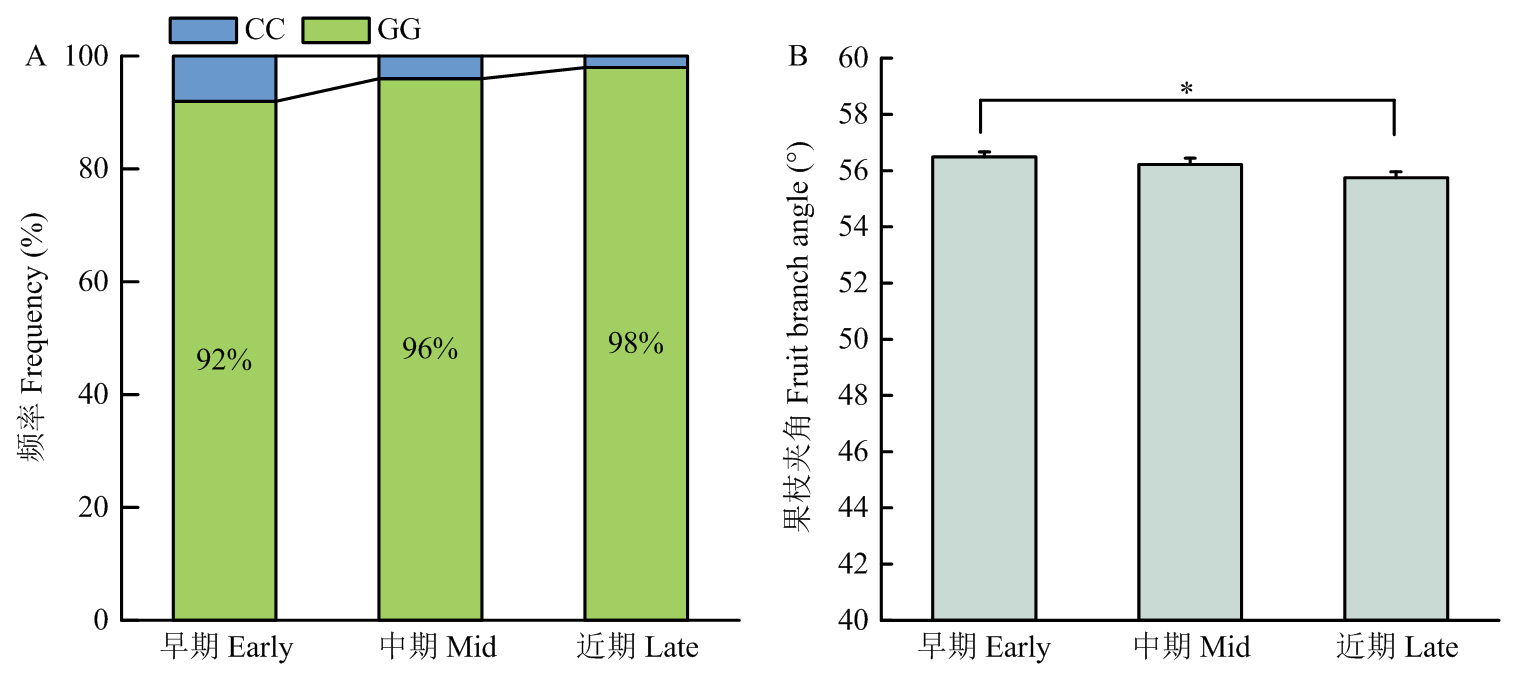
【Objective】The fruit branch angle is a key determinant of cotton plant architecture. Previous studies revealed differential expression of GhPDF1 in materials with extreme fruit branch angles. This study aimed to functionally characterize GhPDF1 and systematically dissect its superior allelic variations, thereby providing genetic resources and a theoretical basis for improving plant architecture and breeding machine-harvestable cotton varieties.【Method】The sequences of PDF1 homologs from 25 species, including upland cotton (Gossypium hirsutum), were obtained through homology alignment for phylogenetic analysis. A virus-induced gene silencing (VIGS) vector targeting GhPDF1 was constructed using double digestion and transformed into upland cotton to investigate its role in regulating the fruit branch angle. Single nucleotide polymorphisms (SNPs) within GhPDF1 were identified using resequencing data from 418 upland cotton accessions, with key SNPs validated by Sanger sequencing. The distribution of superior allelic variations of GhPDF1 was analyzed across Chinese cotton varieties from different breeding eras.【Result】A phylogenetic tree of the PDF1 gene from Gossypium hirsutum and its homologous genes from different species revealed that it is most closely related to Malvaceae, while being distantly related to Poaceae. Expression analysis showed that GhPDF1 was lowly expressed in large‑angle materials but highly expressed in small‑angle materials. Tissue‑specific expression profiling revealed high transcript levels in pistils, petals, and stems. VIGS‑mediated silencing of GhPDF1 significantly reduced the cell number at the fruit branch junction by approximately 170 and increased the fruit branch angle by 8.2° compared with empty‑vector controls, demonstrating its crucial role in regulating fruit branch angle. Phenotypic comparison between two allelic variants, GhPDF1GG and GhPDF1CC, indicated a significantly smaller branch angle in GhPDF1GG carriers. Moreover, the frequency of this superior allele (GhPDF1GG) increased from 92% to 98% over successive breeding periods.【Conclusion】Silencing GhPDF1 in upland cotton reduces cell proliferation at the branch junction, leading to a significant increase in the fruit branch angle. The superior allelic variant GhPDF1GG has been progressively enriched during modern cotton breeding in China.

Key words: Upland cotton, fruit branch angle, GhPDF1, virus-induced gene silencing, allelic variation

Table 1

Primer list"

引物名称 Primer name 引物序列 Primer sequence (5′-3′) 产物长度 Product length (bp) 用途 Purpose
GhPDF1-F GTGGCAGTCCACCAACTACT 400 克隆
Cloning
GhPDF1-R GCAAGCTTGAAGAGACGAGC
MQGhPDF1-F gactagtGTGGCAGTCCACCAACTACT 415 沉默
VIGS
MQGhPDF1-R aggcgcgccGCAAGCTTGAAGAGACGAGC
qGhPDF1-F TGTGGGTTTTGGTTGCTGC 122 实时荧光定量PCR
qRT-PCR
qGhPDF1-R TGAAGGGGGAGTTCCAGCAT
SNPGhPDF1-F CCGCCCATGTTCCATGAGT 319 SNP验证
SNP validation
SNPGhPDF1-R GCAGCAACCAAAACCCACAT

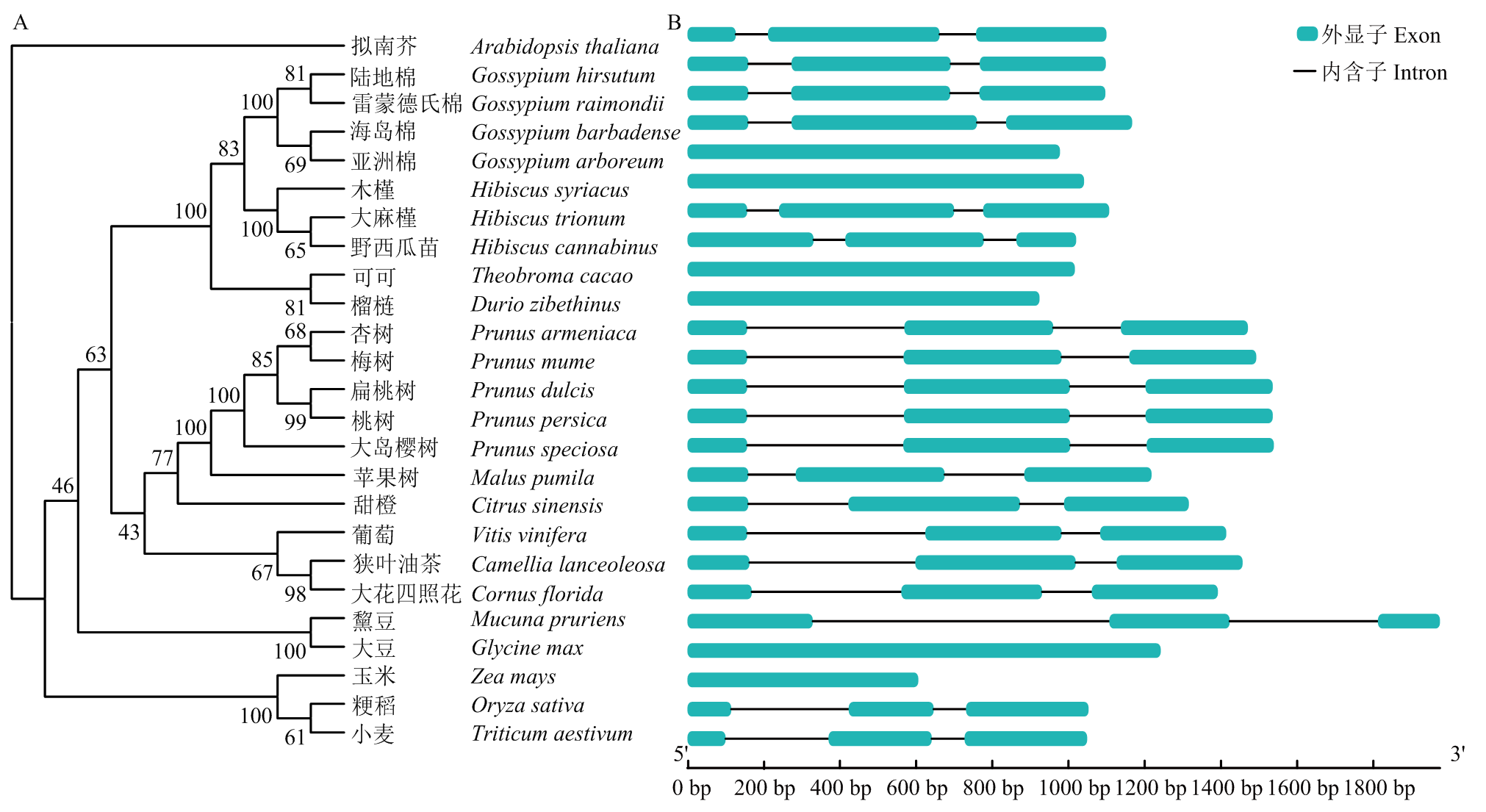
Fig. 1

Phylogenetic trees and gene structures of PDF1 in different species A: Phylogenetic trees of PDF1 in different species; B: Genetic structure of PDF1 in different species"

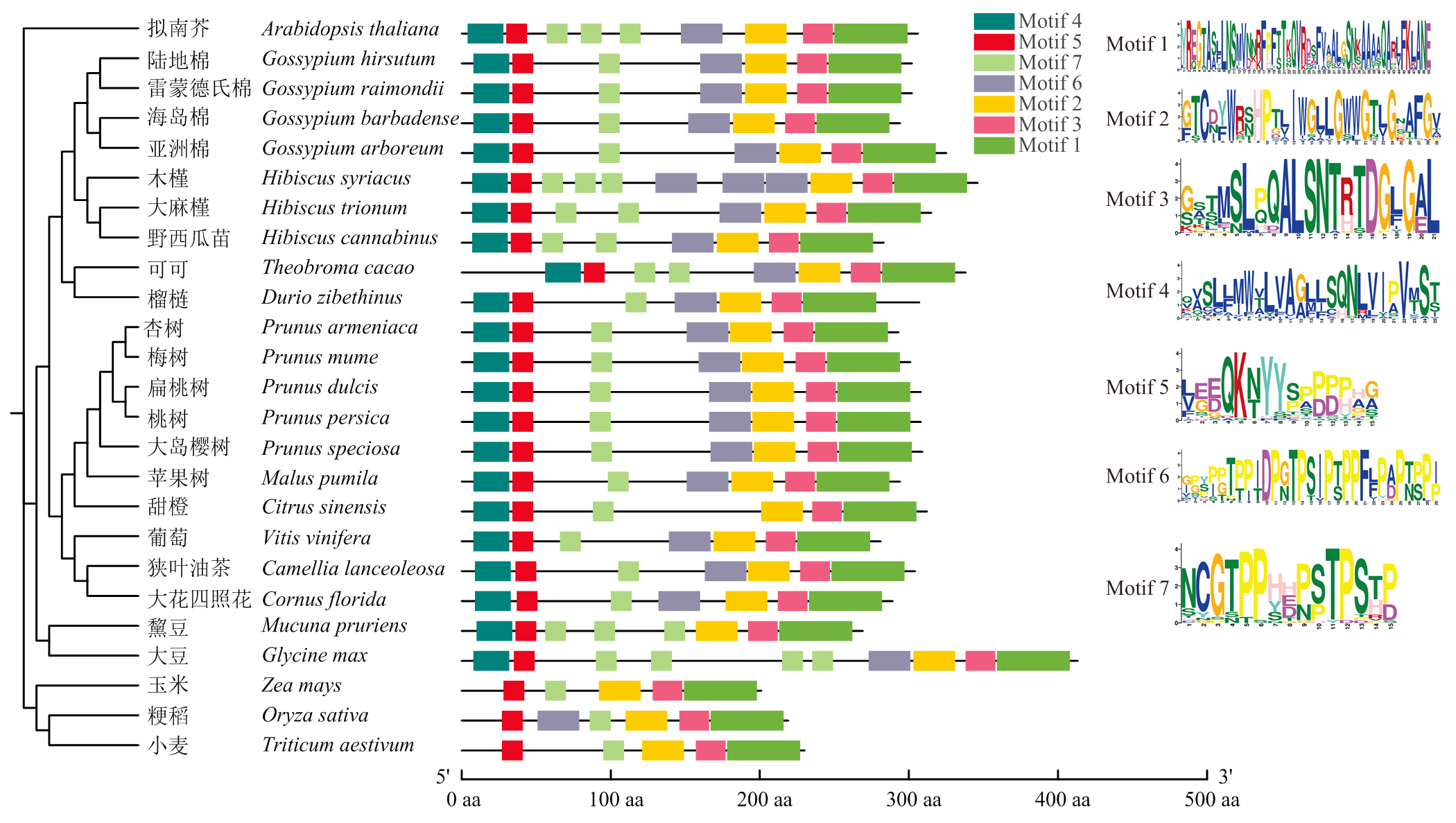
Fig. 2

Conserved domains of PDF1 in different species"

Fig. 3

Cis-acting elements of PDF1 in different species"

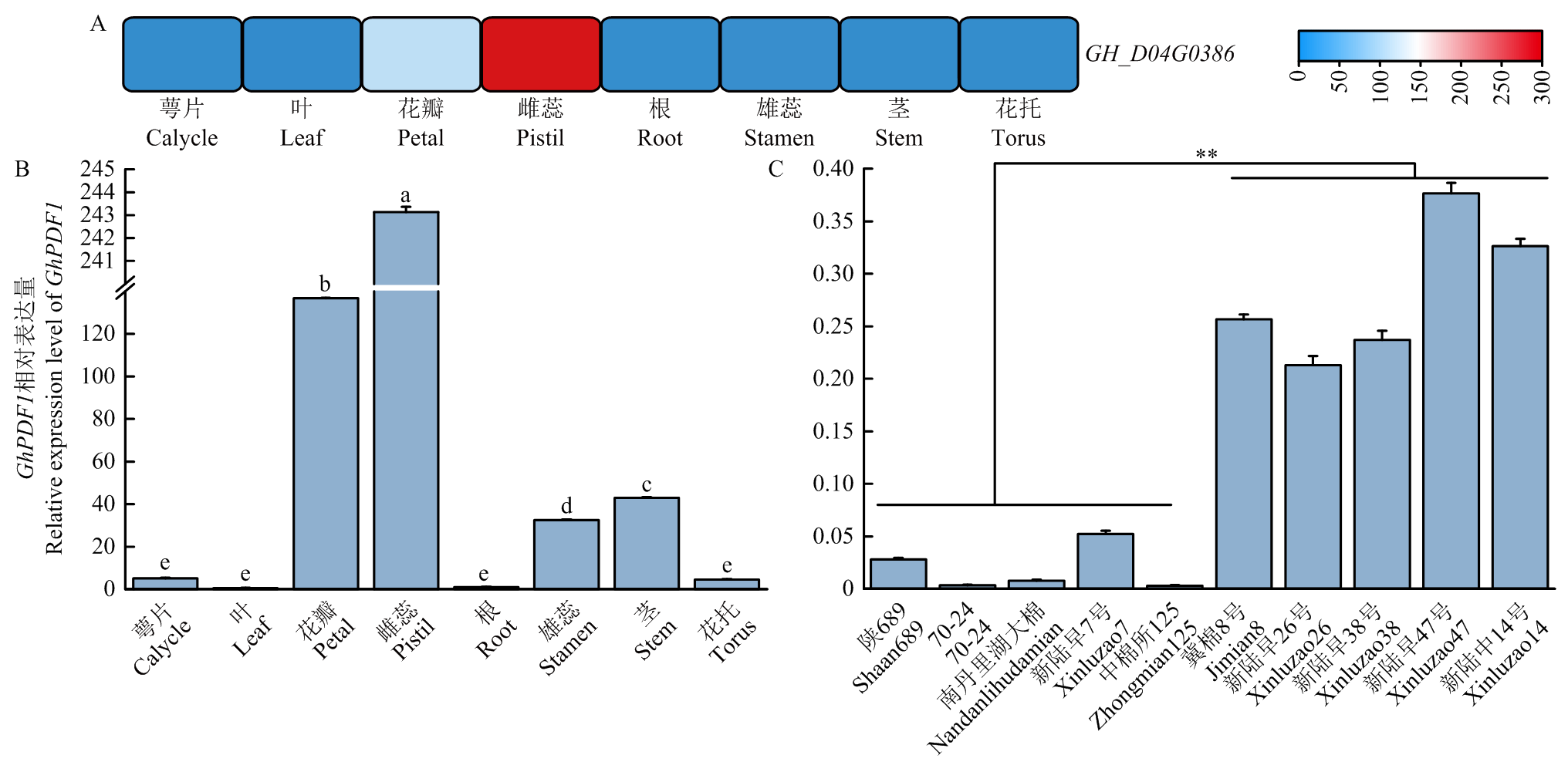
Fig. 4

Analysis of the expression level and expression characteristics of GhPDF1 in extreme materials of fruit branch angles in upland cotton A: Prediction of GhPDF1 expression patterns across various tissues via RNA‑seq analysis; B: Expression pattern of GhPDF1 in different tissues; C: The expression level of GhPDF1 in extreme materials of fruit branch angles in upland cotton. ** indicates a very significant difference with P≤0.01. The same as below"

Fig. 5

Phenotypic analysis of GhPDF1-silenced plants A: Phenotype of CLCrV:GhchlI positive plants; B: Detection of GhPDF1 silencing efficiency; C: Phenotype of fruit branches in the GhPDF1 silenced plants; D: Statistical analysis of the phenotypes of the silenced plants, the sample size n is greater than 10"

Fig. 6

Histological analysis of the fruit branch angles in the same parts of the GhPDF1-silenced plants A: Histology of parenchyma cells in the cortex at the fruit branch angle; B: Quantification of parenchyma cell numbers in the cortex of the branch crotch"

Fig. 7

Analysis and verification of excellent alternative alleles within the GhPDF1 gene A: Genetic structure of GhPDF1; B: Phenotypic statistical analysis of excellent allelic variations within the GhPDF1 gene; C: Verification of SNP loci in 5 small-angle materials and 5 large-angle materials"

Fig. 8

Analysis of favorable allelic variants in GhPDF1GG A: The distribution of allele frequency in different breeding eras; B: Statistical analysis of phenotypic traits across different breeding generations. * indicates a significant difference with P≤0.05"

Fig. 9

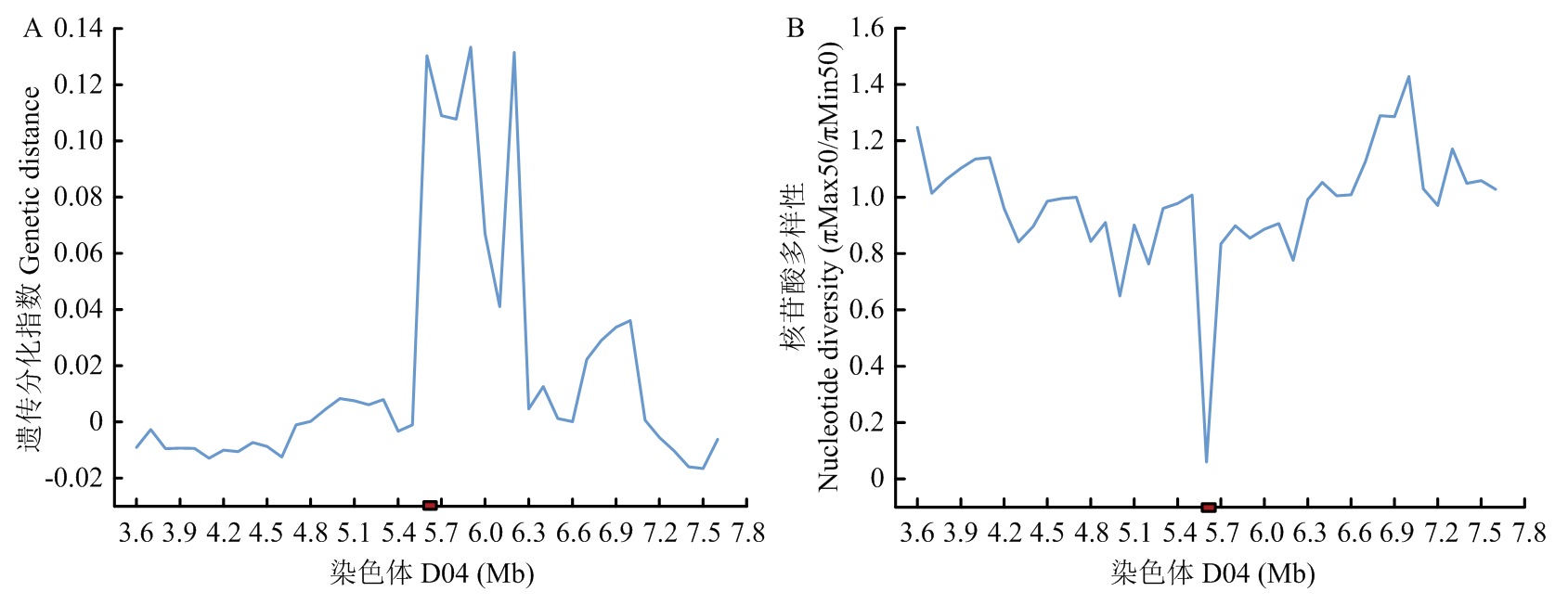
Genetic differentiation index and nucleotide polymorphism analysis of GhPDF1 A: The genetic differentiation index (FST) of GhPDF1 (2 Mb upstream and downstream respectively); B: The nucleotide diversity ratio of GhPDF1 (2 Mb upstream and downstream respectively)"

[1]
MCGARRY R C, PREWITT S F, CULPEPPER S, ESHED Y, LIFSCHITZ E, AYRE B G. Monopodial and sympodial branching architecture in cotton is differentially regulated by the Gossypium hirsutum single flower truss and self-pruning orthologs. New Phytologist, 2016, 212(1): 244-258.

doi: 10.1111/nph.2016.212.issue-1
[2]
SI Z F, LIU H, ZHU J K, CHEN J D, WANG Q, FANG L, GAO F K, TIAN Y, CHEN Y L, CHANG L J, et al. Mutation of SELF-PRUNING homologs in cotton promotes short-branching plant architecture. Journal of Experimental Botany, 2018, 69(10): 2543-2553.

doi: 10.1093/jxb/ery093 pmid: 29547987
[3]
HE X, WANG T Y, XU Z, LIU N, WANG L C, HU Q, LUO X Y, ZHANG X L, ZHU L F. The cotton HD-Zip transcription factor GhHB12 regulates flowering time and plant architecture via the GhmiR157-GhSPL pathway. Communications Biology, 2018, 1: 229.

doi: 10.1038/s42003-018-0234-0 pmid: 30564750
[4]
JI G X, LIANG C Z, CAI Y F, PAN Z E, MENG Z G, LI Y Y, JIA Y H, MIAO Y C, PEI X X, GONG W F, et al. A copy number variant at the HPDA-D12 locus confers compact plant architecture in cotton. New Phytologist, 2021, 229(4): 2091-2103.

doi: 10.1111/nph.17059 pmid: 33129229
[5]
WU H H, REN Z Y, ZHENG L, GUO M Z, YANG J Y, HOU L Y, QANMBER G, LI F G, YANG Z R. The bHLH transcription factor GhPAS1 mediates BR signaling to regulate plant development and architecture in cotton. The Crop Journal, 2021, 9(5): 1049-1059.

doi: 10.1016/j.cj.2020.10.014
[6]
ZHAN J J, CHU Y, WANG Y, DIAO Y Y, ZHAO Y Y, LIU L S, WEI X, MENG Y, LI F G, GE X Y. The miR164-GhCUC2-GhBRC1 module regulates plant architecture through abscisic acid in cotton. Plant Biotechnology Journal, 2021, 19(9): 1839-1851.

doi: 10.1111/pbi.13599 pmid: 33960609
[7]
FU Y Z, DONG C G, WANG J, WANG Y Y, LI C Q. Genome-wide association study reveals the genetic control underlying node of the first fruiting branch and its height in upland cotton (Gossypium hirsutum L.). Euphytica, 2019, 215(2): 35.

doi: 10.1007/s10681-019-2361-1
[8]
WEN T W, DAI B S, WANG T, LIU X X, YOU C Y, LIN Z X. Genetic variations in plant architecture traits in cotton (Gossypium hirsutum) revealed by a genome-wide association study. The Crop Journal, 2019, 7(2): 209-216.

doi: 10.1016/j.cj.2018.12.004
[9]
SHAO P X, PENG Y B, WU Y L, WANG J, PAN Z Y, YANG Y, AINI N, GUO C P, SHUI G L, CHAO L, et al. Genome-wide association study and transcriptome analysis reveal key genes controlling fruit branch angle in cotton. Frontiers in Plant Science, 2022, 13: 988647.

doi: 10.3389/fpls.2022.988647
[10]
ABE M, TAKAHASHI T, KOMEDA Y. Cloning and characterization of an L1 layer-specific gene in Arabidopsis thaliana. Plant & Cell Physiology, 1999, 40(6): 571-580.
[11]
ABE M, KATSUMATA H, KOMEDA Y, TAKAHASHI T. Regulation of shoot epidermal cell differentiation by a pair of homeodomain proteins in Arabidopsis. Development, 2003, 130(4): 635-643.

doi: 10.1242/dev.00292
[12]
邓锋林. 核心顺式元件HDZIP2ATATHB2依赖的海岛棉表皮原因子1(GbPDF1)在棉花纤维起始过程中起重要作用[D]. 武汉: 华中农业大学, 2011.
DENG F L. GbPDF1 (PROTODEMAL FACTOR 1) is involved in cotton fiber initiation via the core cis-element HDZIP2ATATHB2. Wuhan: Huazhong Agricultural University, 2011. (in Chinese)
[13]
LEE J J, HASSAN O S S, GAO W, WEI N E, KOHEL R J, CHEN X Y, PAYTON P, SZE S H, STELLY D M, CHEN Z J. Developmental and gene expression analyses of a cotton naked seed mutant. Planta, 2006, 223(3): 418-432.

doi: 10.1007/s00425-005-0098-7 pmid: 16254724
[14]
KUMAR S, STECHER G, TAMURA K. MEGA7: Molecular evolutionary genetics analysis version 7.0 for bigger datasets. Molecular Biology and Evolution, 2016, 33(7): 1870-1874.

doi: 10.1093/molbev/msw054 pmid: 27004904
[15]
LETUNIC I, BORK P. Interactive tree of life (iTOL) v5: An online tool for phylogenetic tree display and annotation. Nucleic Acids Research, 2021, 49(W1): W293-W296.

doi: 10.1093/nar/gkab301
[16]
BAILEY T L, BODEN M, BUSKE F A, FRITH M, GRANT C E, CLEMENTI L, REN J Y, LI W W, NOBLE W S. MEME Suite: Tools for motif discovery and searching. Nucleic Acids Research, 2009, 37(Suppl_2): W202-W208.

doi: 10.1093/nar/gkp335
[17]
CHEN C J, CHEN H, ZHANG Y, THOMAS H R, FRANK M H, HE Y H, XIA R. TBtools: An integrative toolkit developed for interactive analyses of big biological data. Molecular Plant, 2020, 13(8): 1194-1202.

doi: S1674-2052(20)30187-8 pmid: 32585190
[18]
LESCOT M, DÉHAIS P, THIJS G, MARCHAL K, MOREAU Y, VAN DE PEER Y, ROUZÉ P, ROMBAUTS S. PlantCARE, a database of plant Cis-acting regulatory elements and a portal to tools for in silico analysis of promoter sequences. Nucleic Acids Research, 2002, 30(1): 325-327.
[19]
ZHAO L J, Y J, CHEN W, YAO J B, LI Y, LI Q L, PAN J W, FANG S T, SUN J, ZHANG Y S. Genome-wide identification and analyses of the AHL gene family in cotton (Gossypium). BMC Genomics, 2020, 21(1): 69.

doi: 10.1186/s12864-019-6406-6 pmid: 31969111
[20]
RAO X Y, HUANG X L, ZHOU Z C, LIN X. An improvement of the 2ˆ (-delta delta CT) method for quantitative real-time polymerase chain reaction data analysis. Biostatistics, Bioinformatics and Biomathematics, 2013, 3(3): 71-85.
[21]
WILLEMS E, LEYNS L, VANDESOMPELE J. Standardization of real-time PCR gene expression data from independent biological replicates. Analytical Biochemistry, 2008, 379(1): 127-129.

doi: 10.1016/j.ab.2008.04.036 pmid: 18485881
[22]
MA Z Y, HE S P, WANG X F, SUN J L, ZHANG Y, ZHANG G Y, WU L Q, LI Z K, LIU Z H, SUN G F, et al. Resequencing a core collection of upland cotton identifies genomic variation and loci influencing fiber quality and yield. Nature Genetics, 2018, 50(6): 803-813.

doi: 10.1038/s41588-018-0119-7 pmid: 29736016
[23]
DONG H J, ZHAO H, XIE W B, HAN Z M, LI G W, YAO W, BAI X F, HU Y, GUO Z L, LU K, et al. A novel tiller angle gene, TAC3 together with TAC1 and D2 largely determine the natural variation of tiller angle in rice cultivars. PLoS Genetics, 2016, 12(11): e1006412.

doi: 10.1371/journal.pgen.1006412
[24]
WANG B B, LIN Z C, LI X, ZHAO Y P, ZHAO B B, WU G X, MA X J, WANG H, XIE Y R, LI Q Q, et al. Genome-wide selection and genetic improvement during modern maize breeding. Nature Genetics, 2020, 52(6): 565-571.

doi: 10.1038/s41588-020-0616-3 pmid: 32341525
[25]
KUAI J, SUN Y Y, ZUO Q S, HUANG H D, LIAO Q X, WU C Y, LU J W, WU J S, ZHOU G S. The yield of mechanically harvested rapeseed (Brassica napus L.) can be increased by optimum plant density and row spacing. Scientific Reports, 2015, 5: 18835.

doi: 10.1038/srep18835
[26]
ZHI X Y, TAO Y F, JORDAN D, BORRELL A, HUNT C, CRUICKSHANK A, POTGIETER A, WU A, HAMMER G, GEORGE- JAEGGLI B, et al. Genetic control of leaf angle in sorghum and its effect on light interception. Journal of Experimental Botany, 2022, 73(3): 801-816.

doi: 10.1093/jxb/erab467
[27]
HUANG G Q, HU H, VAN DE MEENE A, ZHANG J, DONG L, ZHENG S, ZHANG F L, BETTS N S, LIANG W Q, BENNETT M J, et al. AUXIN RESPONSE FACTORS 6 and 17 control the flag leaf angle in rice by regulating secondary cell wall biosynthesis of Lamina joints. The Plant Cell, 2021, 33(9): 3120-3133.

doi: 10.1093/plcell/koab175
[28]
SHEN Y S, YANG Y, XU E S, GE X H, XIANG Y, LI Z Y. Novel and major QTL for branch angle detected by using DH population from an exotic introgression in rapeseed (Brassica napus L.). Theoretical and Applied Genetics, 2018, 131(1): 67-78.

doi: 10.1007/s00122-017-2986-1
[29]
TIAN J G, WANG C L, XIA J L, WU L S, XU G H, WU W H, LI D, QIN W C, HAN X, CHEN Q Y, et al. Teosinte ligule allele narrows plant architecture and enhances high-density maize yields. Science, 2019, 365(6454): 658-664.

doi: 10.1126/science.aax5482 pmid: 31416957
[30]
YU B S, LIN Z W, LI H X, LI X J, LI J Y, WANG Y H, ZHANG X, ZHU Z F, ZHAI W X, WANG X K, et al. TAC1, a major quantitative trait locus controlling tiller angle in rice. The Plant Journal, 2007, 52(5): 891-898.

doi: 10.1111/tpj.2007.52.issue-5
[31]
KU L X, WEI X M, ZHANG S F, ZHANG J, GUO S L, CHEN Y H. Cloning and characterization of a putative TAC1 ortholog associated with leaf angle in maize (Zea mays L.). PLoS ONE, 2011, 6(6): e20621.

doi: 10.1371/journal.pone.0020621
[32]
陈民志, 杨延龙, 王宇轩, 田景山, 徐守振, 刘宁宁, 党科, 张旺锋. 新疆早熟陆地棉品种更替过程中的株型特征及主要经济性状的演变. 中国农业科学, 2019, 52(19): 3279-3290. doi: 10.3864/j.issn.0578-1752.2019.19.001.
CHEN M Z, YANG Y L, WANG Y X, TIAN J S, XU S Z, LIU N N, DANG K, ZHANG W F. Plant type characteristics and evolution of main economic characters in early maturing upland cotton cultivar replacement in Xinjiang. Scientia Agricultura Sinica, 2019, 52(19): 3279-3290. doi: 10.3864/j.issn.0578-1752.2019.19.001. (in Chinese)
[33]
VARSHNEY R K, MOHAN S M, GAUR P M, PANDEY M K, BOHRA A, CHITIKINENI A, KIMURTO P K, JANILA P, et al. Achievements and prospects of genomics-assisted breeding in three legume crops of the semi-arid tropics. Biotechnology Advances, 2013, 31(8): 1120-1134.

doi: 10.1016/j.biotechadv.2013.01.001 pmid: 23313999
[34]
WANG C X, LIU J J, XIE X Y, WANG J, MA Q, CHEN P Y, YANG D L, MA X F, HAO F S, SU J J. GhAP1-D 3 positively regulates flowering time and early maturity with no yield and fiber quality penalties in upland cotton. Journal of Integrative Plant Biology, 2023, 65(4): 985-1002.

doi: 10.1111/jipb.v65.4
[35]
HAN B, ZHANG W H, WANG F J, YUE P K, LIU Z L, YUE D D, ZHANG B, MA Y Z, LIN Z X, YU Y, et al. Dissecting the superior drivers for the simultaneous improvement of fiber quality and yield under drought stress via genome-wide artificial introgressions of Gossypium barbadense into Gossypium hirsutum. Advanced Science, 2024, 11(34): 2400445.

doi: 10.1002/advs.v11.34
[36]
FU C, WANG N, MENG Q Y, XU Z Y, LE Y, ZHANG X L, WEI Y Y, PENG R H, SHEN C, LIN Z X. Gossypium latifolium genome reveals the genetic basis of domestication of upland cotton from semi-wild races to cultivars. The Crop Journal, 2025, 13(3): 929-941.

doi: 10.1016/j.cj.2025.02.014
[1] WANG LiYuan, WANG Hui, WANG MuMu, WANG DongJian, LI RuYu, ZHENG YongSheng, ZHANG Han. Construction and Application of DNA Fingerprint Database for Known Varieties in Upland Cotton DUS Testing [J]. Scientia Agricultura Sinica, 2025, 58(22): 4570-4588.
[2] YU Zhe, ZHOU FangXue, LIU RunFa, TIAN YaQi, JIHAO MuHa, WANG YongXiang, FENG WenMi, MOU KeXin, JING Yan, LI HaiYan. Screening for Soybean Host Factors that Interact with Soybean Mosaic Virus Nuclear Inclusion Proteins Using the Yeast Two-Hybrid System [J]. Scientia Agricultura Sinica, 2025, 58(19): 3799-3813.
[3] LI KaiLi, WEI YunXiao, CHONG ZhiLi, MENG ZhiGang, WANG Yuan, LIANG ChengZhen, CHEN QuanJia, ZHANG Rui. Red and Blue Light Promotes Cotton Callus Induction and Proliferation [J]. Scientia Agricultura Sinica, 2024, 57(4): 638-649.
[4] LI ChuXin, SONG ChenHu, ZHOU JinHuan, LI JiaXin, WANG XinLiang, TIAN XuBin, SONG Zhen. Research on Prevention and Control Technology of Citrus Yellow Vein Clearing Virus Based on VIGS [J]. Scientia Agricultura Sinica, 2024, 57(22): 4473-4482.
[5] JIA XiaoYun, WANG ShiJie, ZHU JiJie, ZHAO HongXia, LI Miao, WANG GuoYin. Construction of A High-Density Genetic Map and QTL Mapping for Yield Related Traits in Upland Cotton [J]. Scientia Agricultura Sinica, 2023, 56(4): 587-598.
[6] WANG CaiXiang,YUAN WenMin,LIU JuanJuan,XIE XiaoYu,MA Qi,JU JiSheng,CHEN Da,WANG Ning,FENG KeYun,SU JunJi. Comprehensive Evaluation and Breeding Evolution of Early Maturing Upland Cotton Varieties in the Northwest Inland of China [J]. Scientia Agricultura Sinica, 2023, 56(1): 1-16.
[7] DONG YongXin,WEI QiWei,HONG Hao,HUANG Ying,ZHAO YanXiao,FENG MingFeng,DOU DaoLong,XU Yi,TAO XiaoRong. Establishment of ALSV-Induced Gene Silencing in Chinese Soybean Cultivars [J]. Scientia Agricultura Sinica, 2022, 55(9): 1710-1722.
[8] XIE XiaoYu, WANG KaiHong, QIN XiaoXiao, WANG CaiXiang, SHI ChunHui, NING XinZhu, YANG YongLin, QIN JiangHong, LI ChaoZhou, MA Qi, SU JunJi. Restricted Two-Stage Multi-Locus Genome-Wide Association Analysis and Candidate Gene Prediction of Boll Opening Rate in Upland Cotton [J]. Scientia Agricultura Sinica, 2022, 55(2): 248-264.
[9] WANG Juan, MA XiaoMei, ZHOU XiaoFeng, WANG Xin, TIAN Qin, LI ChengQi, DONG ChengGuang. Genome-Wide Association Study of Yield Component Traits in Upland Cotton (Gossypium hirsutum L.) [J]. Scientia Agricultura Sinica, 2022, 55(12): 2265-2277.
[10] QIN HongDe, FENG ChangHui, ZHANG YouChang, BIE Shu, ZHANG JiaoHai, XIA SongBo, WANG XiaoGang, WANG QiongShan, LAN JiaYang, CHEN QuanQiu, JIAO ChunHai. F1 Performance Prediction of Upland Cotton Based on Partial NCII Design [J]. Scientia Agricultura Sinica, 2021, 54(8): 1590-1598.
[11] WANG Na,ZHAO ZiBo,GAO Qiong,HE ShouPu,MA ChenHui,PENG Zhen,DU XiongMing. Cloning and Functional Analysis of Salt Stress Response Gene GhPEAMT1 in Upland Cotton [J]. Scientia Agricultura Sinica, 2021, 54(2): 248-260.
[12] WEI Xin, WANG HanTao, WEI HengLing, FU XiaoKang, MA Liang, LU JianHua, WANG XingFen, YU ShuXun. Cloning and Drought Resistance Analysis of GhWRKY33 in Upland Cotton [J]. Scientia Agricultura Sinica, 2020, 53(22): 4537-4549.
[13] QU YuJie, SUN JunLing, GENG XiaoLi, WANG Xiao, Zareen Sarfraz, JIA YinHua, PAN ZhaoE, HE ShouPu, GONG WenFang, WANG LiRu, PANG BaoYin, DU XiongMing. Correlation Between Genetic Distance of Parents and Heterosis in Upland Cotton [J]. Scientia Agricultura Sinica, 2019, 52(9): 1488-1501.
[14] WANG QiuYing,WANG WeiQiao,ZHANG Yan,WANG GuoNing,WU LiQiang,ZHANG GuiYin,MA ZhiYing,YANG Jun,WANG XingFen. Cloning and Functional Characterization of Gene CRVW Involved in Cotton Resistance to Verticillium Wilt [J]. Scientia Agricultura Sinica, 2019, 52(11): 1858-1869.
[15] LIU YuFei,JIN JiQiang,YAO MingZhe,CHEN Liang. Screening, Cloning and Functional Research of the Rare Allelic Variation of Caffeine Synthase Gene (TCS1g) in Tea Plants [J]. Scientia Agricultura Sinica, 2019, 52(10): 1772-1783.
Viewed
Full text


Abstract

Cited

  Shared   
  Discussed   
No Suggested Reading articles found!