Scientia Agricultura Sinica ›› 2023, Vol. 56 ›› Issue (9): 1696-1707.doi: 10.3864/j.issn.0578-1752.2023.09.007

• PLANT PROTECTION • Previous Articles     Next Articles

Cuticle Protein Genes are Involved in Phosphine Resistance of Cryptolestes ferrugineus

CHEH ErHu(), SHEN DanRong, DU WenWei, MENG HongJie, TANG PeiAn()   

  1. College of Food Science and Engineering/Collaborative Innovation Center for Modern Grain Circulation and Safety of Jiangsu Province/Key Laboratory of Grains and Oils Quality Control and Processing of Jiangsu Province, Nanjing University of Finance and Economics, Nanjing 210023
  • Received:2023-01-20 Accepted:2023-02-24 Online:2023-05-01 Published:2023-05-10

Abstract:

【Objective】As an important structural component of insect cuticle, the cuticle protein (CP) plays an important role in the formation of cuticle penetration resistance to pesticides. The phosphine resistance of Cryptolestes ferrugineus is increasingly prominent, and the current study was conducted to reveal the roles of CP genes in the formation of phosphine resistance in C. ferrugineus.【Method】According to the phosphine bioassay method that recommended by the Food and Agriculture Organization of the United Nations (FAO), the difference in phosphine sensitivity from five geographical populations (Zhangjiagang, Xiangyin, Huaian, Huaihua and Taicang populations) of C. ferrugineus was analyzed. The four CP genes were identified from the previous transcriptome data of C. ferrugineus, and then the phylogenetic tree of CPs was constructed and the corresponding amino acid sequence of C. ferrugineus CPs was further analyzed. Afterwards, the RT-qPCR was used to analyze the spatio-temporal (different developmental stages and different tissues of adults) expression patterns of four CP genes, and their expression levels under different phosphine resistance levels, as well as the expression patterns of four CP genes in response to phosphine stress were explored. Subsequently, a specific CP gene (CfRR2-1) was selected to be knocked down by using RNAi (RNA interference) technology, and the change of phosphine sensitivity of C. ferrugineus was determined.【Result】The results of phosphine sensitivity bioassay analysis showed that there were significant differences in phosphine resistance levels of different geographical populations, and the range of insecticide resistance ratio (RR) was 7.2-1 906.8. The further sequence analysis suggested that the four CPs all contained chitin binding domain, which belonged to the RR2 subfamily of CPR family, and they were named as CfRR2-1, CfRR2-2, CfRR2-3 and CfRR2-4, respectively. The gene expression patterns demonstrated that four CP genes were specifically highly expressed in the pupal stage of C. ferrugineus, and the high expression levels of four CP genes were detected in the peripheral tissues of C. ferrugineus as well. Besides, the CP genes were highly expressed in the phosphine resistant population (Taicang population, RR=1 906.8), and their expression levels could be significantly induced by phosphine in C. ferrugineus. Lastly, a CP gene CfRR2-1 was selected for the further functional study. After the gene expression level of CfRR2-1 was significantly knocked down in phosphine resistance (TC) population of C. ferrugineus via the injection of dsRNA, the sensitivity of C. ferrugineus to phosphine was significantly increased.【Conclusion】The over-expression of CP gene is involved in the formation of phosphine resistance.

Key words: Cryptolestes ferrugineus, phosphine resistance, cuticle protein, RNA interference (RNAi)

Table 1

Primer sequences used in this study"

引物类型Primer type 引物名称Primer name 引物序列Primer sequence (5′to 3′)
qPCR引物
Primers for qPCR
CfRR2-1-F CGGACACACTGGAGACAAGA
CfRR2-1-R TCCATGAGTGGCTACGACAG
CfRR2-2-F CACCGTCAAAGGCCAATACT
CfRR2-2-R ATGACCAAGACCACCGAGTC
CfRR2-3-F TACCATACCCCAGCCCATTA
CfRR2-3-R TACAGCATGTCCCACACGTT
CfRR2-4-F TGCAGGCATTCTTGGATATG
CfRR2-4-R ACCATCAGGTTCAGCTACGG
CfRPS13-F ATCCGTAAGCATTTGGAACG
CfRPS13-R AGCCACTAAGGCTGAAGCTG
CfEFLα-F CCAGGCATGGTAGTGACCTT
CfEFLα-R TTGGAGGGTTGTTTTTGGAG
dsRNA引物
Primers for dsRNA
dsCfRR2-1-F ggatcctaatacgactcactataggGTGATTGGAGGCGGAATTGG
dsCfRR2-1-R ggatcctaatacgactcactataggTCCACCTCCCAATCCAAGTC
dsGFP-F ggatcctaatacgactcactataggATGGTGAGCAAGGGCGAGA
dsGFP-R ggatcctaatacgactcactataggTTACTTGTACAGCTCGTCCA

Table 2

Determination of phosphine sensitivity in different C. ferrugineus geographical populations"

种群
Population
采集地
Collection site
抗性倍数
Resistance ratio
ZJG 张家港Zhangjiagang 7.2
XY 湘阴 Xiangyin 29.6
HA 淮安Huaian 325.4
HH 怀化Huaihua 362.7
TC 太仓Taicang 1906.8

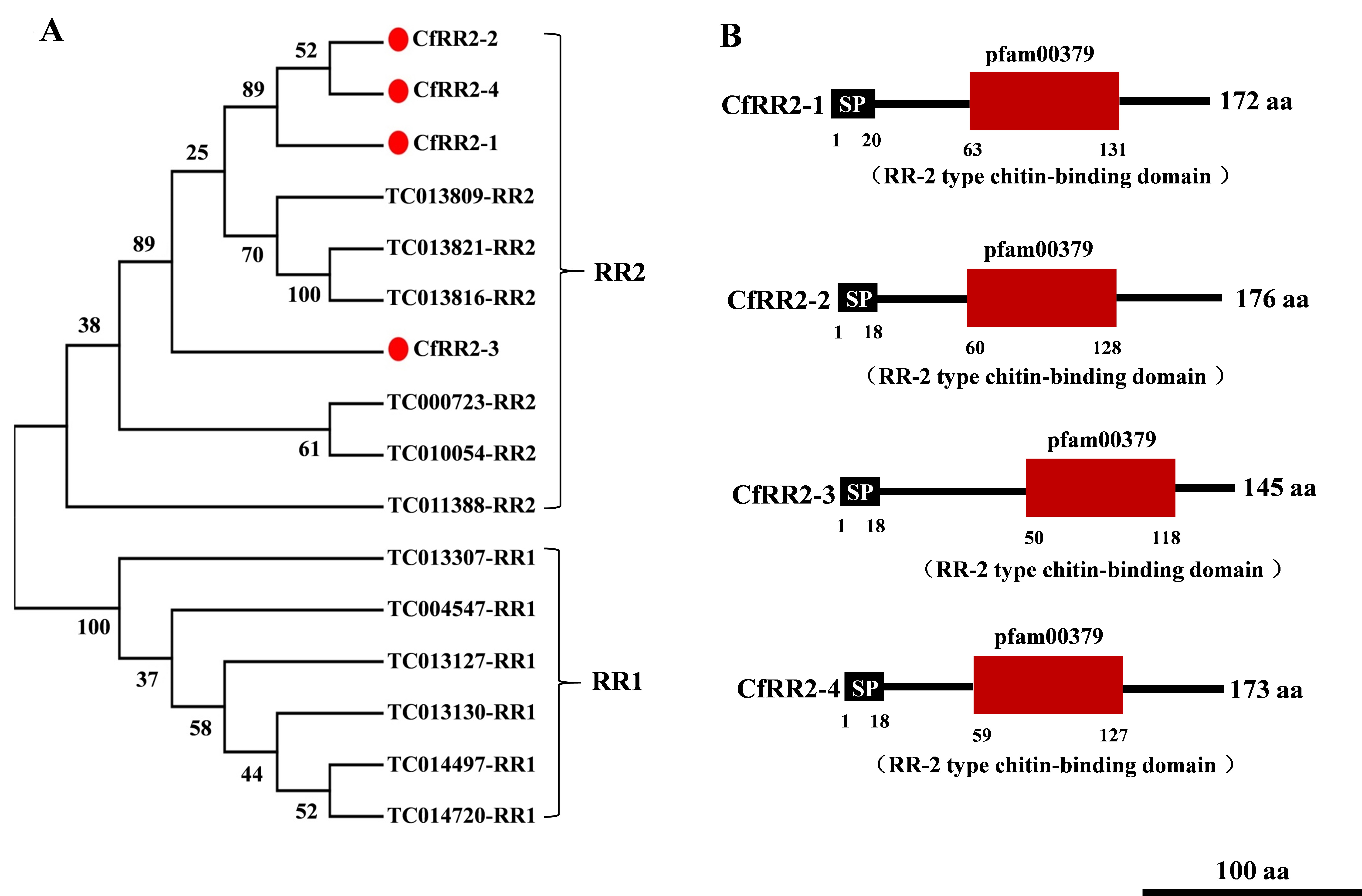
Fig. 1

The phylogenetic tree and sequence structure of cuticle proteins in C. ferrugineus The red circles represent cuticle proteins in C. ferrugineus, black and red boxes represent signal peptide and conserved domains, respectively"

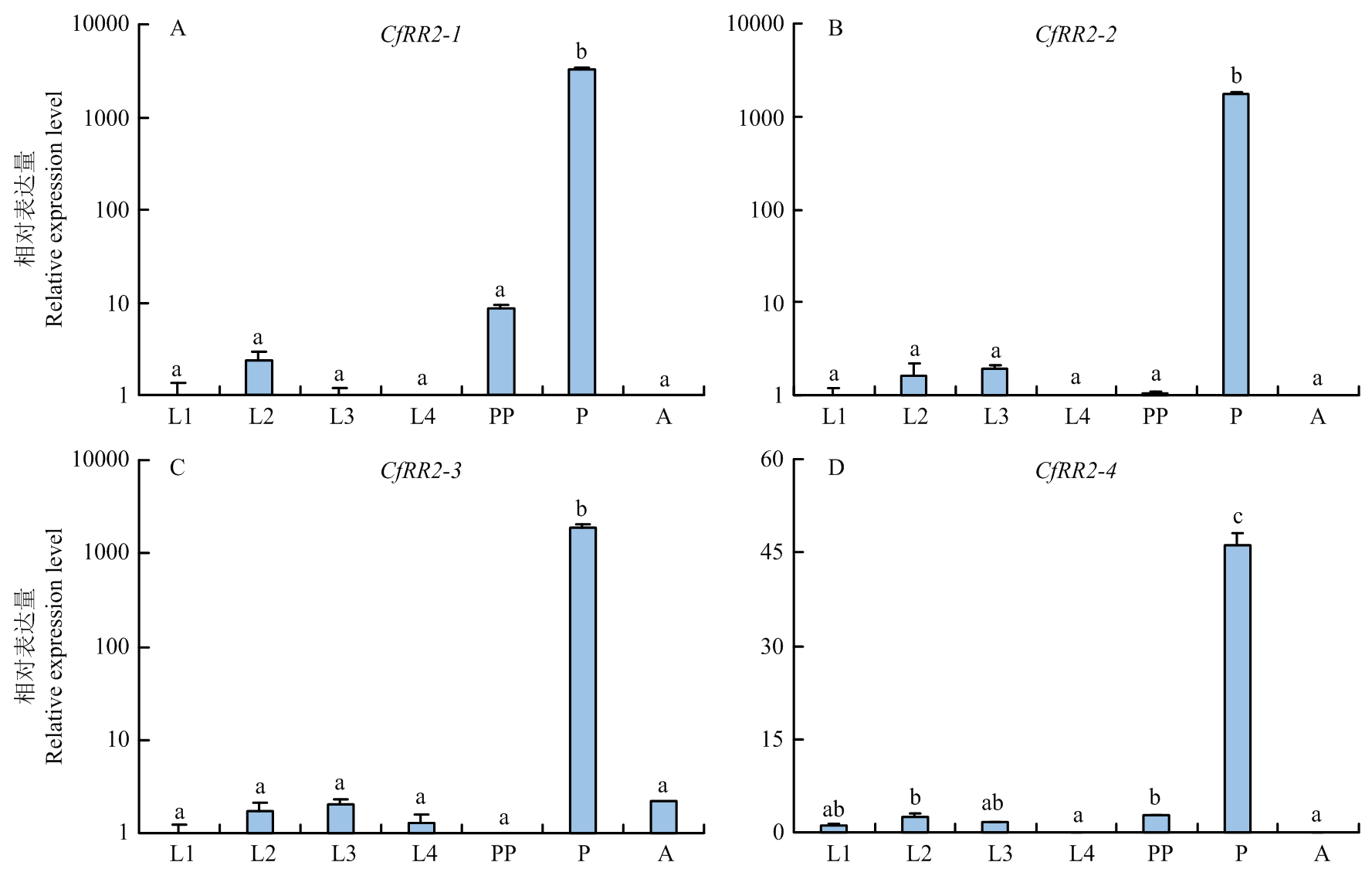
Fig. 2

The expression patterns of cuticle protein genes during different developmental stages in C. ferrugineus L1—L4: 1st-4th instar larva;PP: Pre-pupal stage;P: Pupal stage;A: Adult Data are mean±SD in the figure, and different lowercases on the bars indicate significant differences among different treatments (P<0.05, Tukey’s test)。The same as Fig. 3, Fig. 4, Fig. 6"

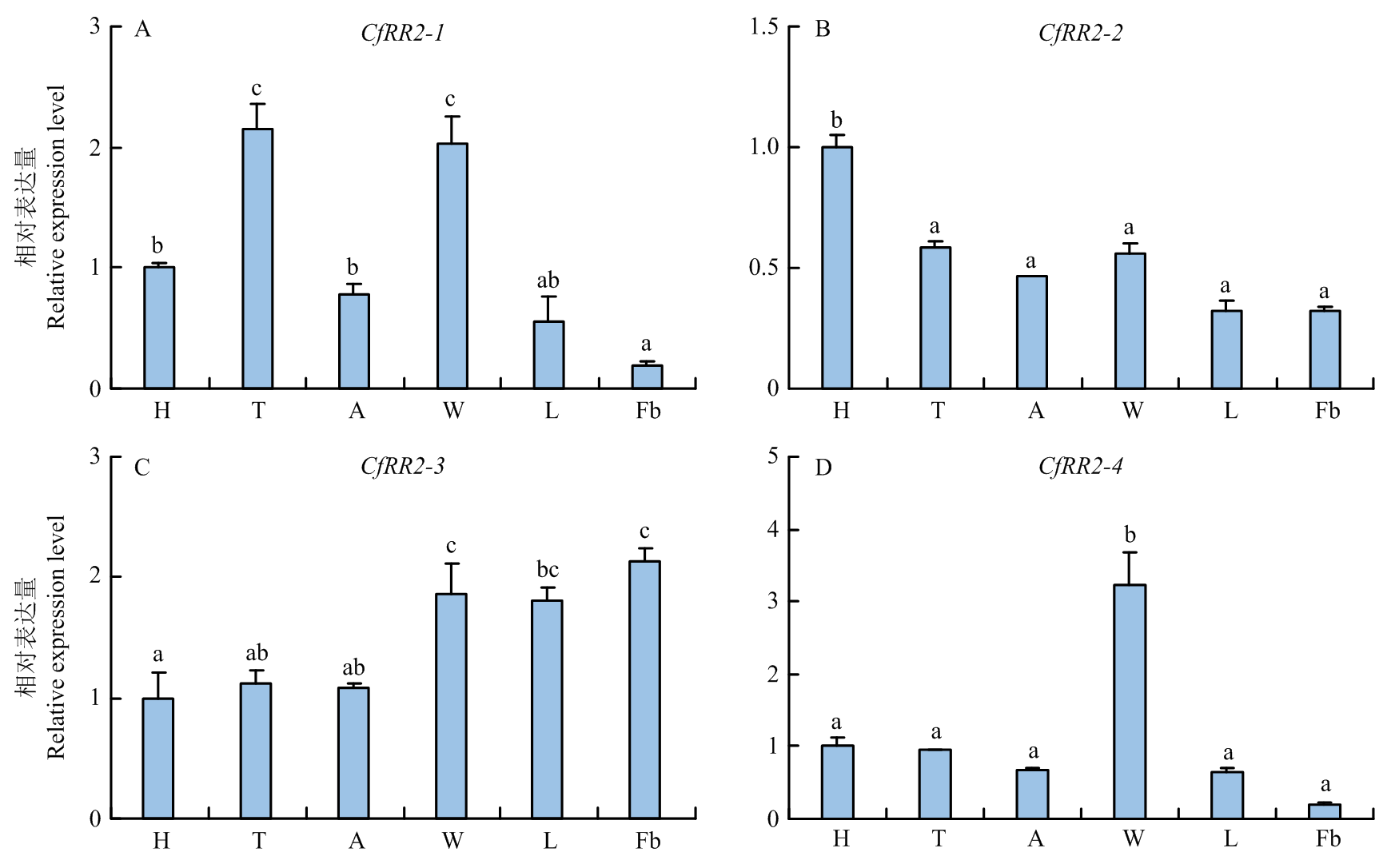
Fig. 3

The expression patterns of cuticle protein genes in different tissues of C. ferrugineus"

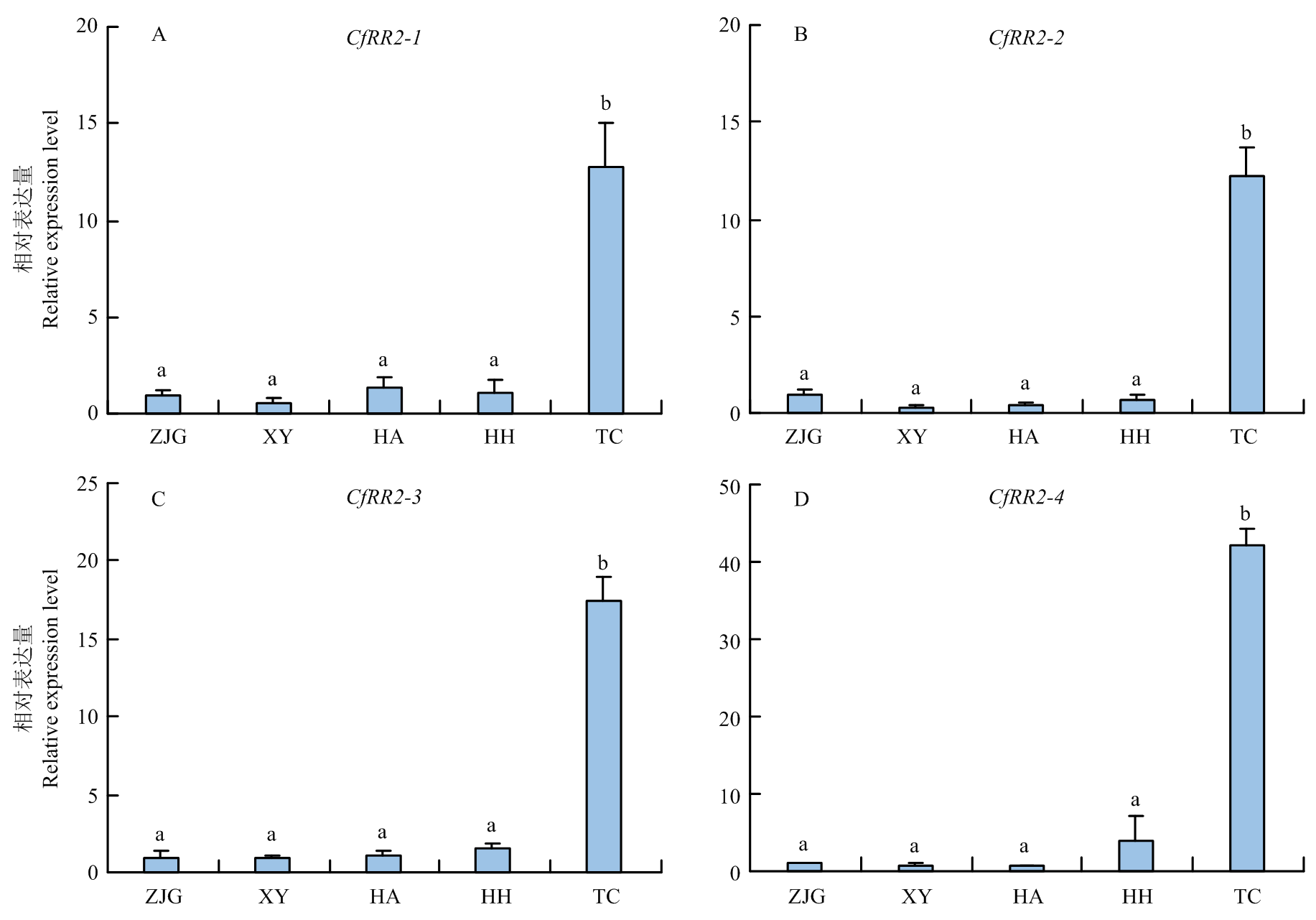
Fig. 4

The expression patterns of cuticle protein genes in different phosphine-resistant populations of C. ferrugineus"

Fig. 5

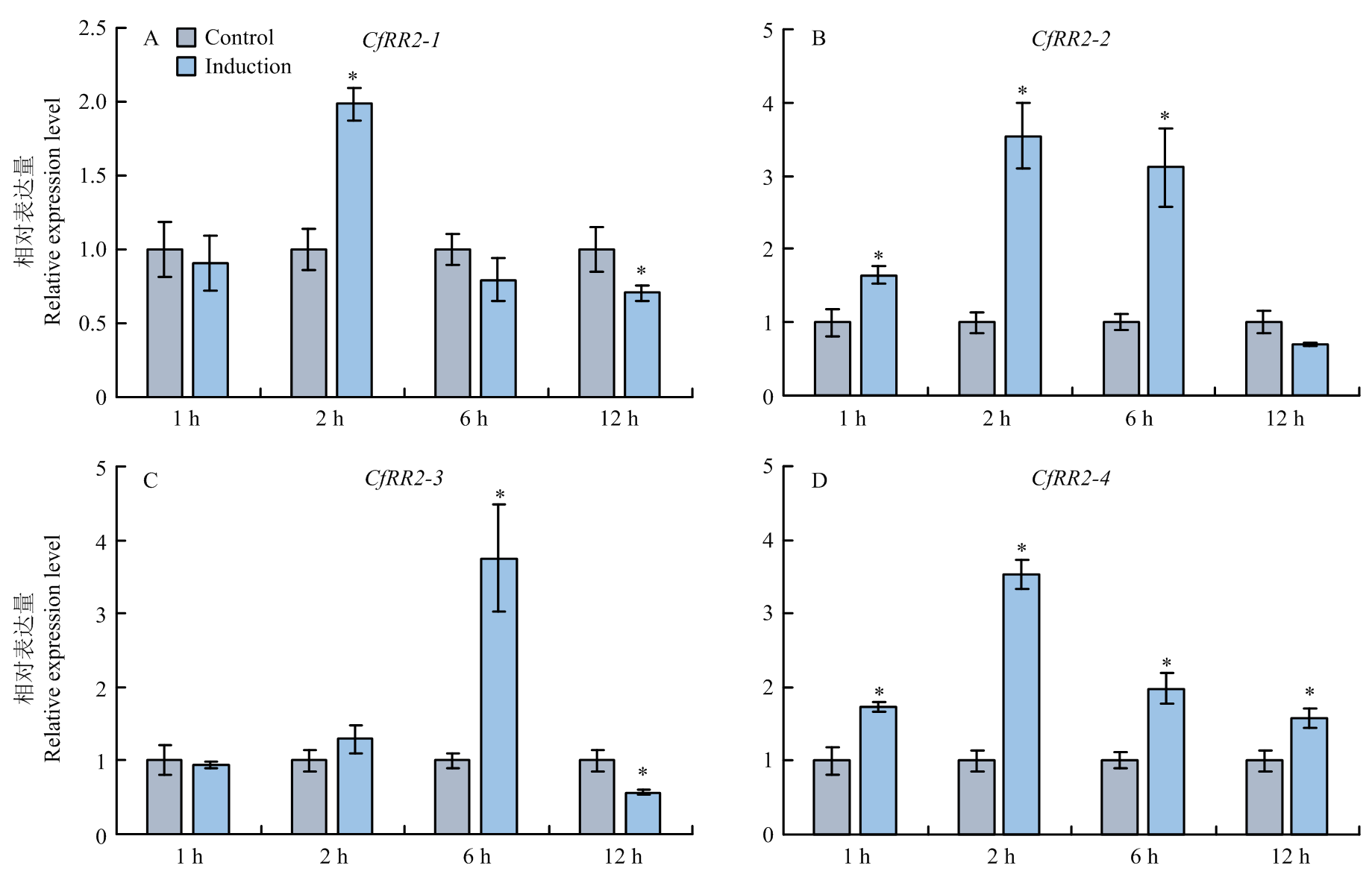
The expression patterns of cuticle protein genes of C. ferrugineus after phosphine treatments Data are mean±SD in the figure. Significant differences of the two treatments were analyzed using a Student’s t-test (* indicates significant difference at P<0.05 level)"

Fig. 6

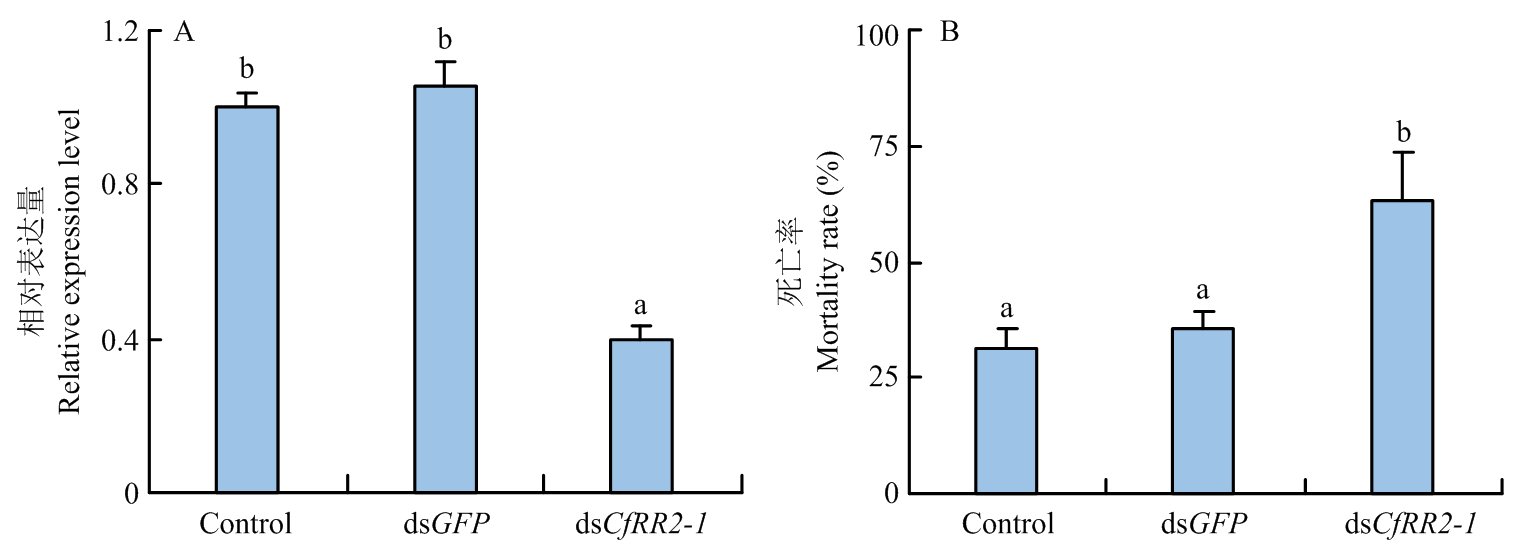
Silence efficiency of CfRR2-1 and the change of sensitivity to phosphine after gene silencing"

[1]
PHILLIPS T W, THRONE J E. Biorational approaches to managing stored-product insects. Annual Review of Entomology, 2010, 55: 375-397.

doi: 10.1146/annurev.ento.54.110807.090451 pmid: 19737083
[2]
LOSEY S M, DAGLISH G J, PHILLIPS T W. Orientation of rusty grain beetles, Cryptolestes ferrugineus (Coleoptera: Laemophloeidae), to semiochemicals in field and laboratory experiments. Journal of Stored Products Research, 2019, 84: 101513.

doi: 10.1016/j.jspr.2019.101513
[3]
AULICKY R, STEJSKAL V, FRYDOVA B. Field validation of phosphine efficacy on the first recorded resistant strains of Sitophilus granarius and Tribolium castaneum from the Czech Republic. Journal of Stored Products Research, 2019, 81: 107-113.

doi: 10.1016/j.jspr.2019.02.003
[4]
NAYAK M K, HOLLOWAY J C, EMERY R N, PAVIC H, BARTLET J, COLLINS P J. Strong resistance to phosphine in the rusty grain beetle, Cryptolestes ferrugineus (Stephens) (Coleoptera: Laemophloeidae): Its characterisation, a rapid assay for diagnosis and its distribution in Australia. Pest Management Science, 2013, 69(1): 48-53.

doi: 10.1002/ps.2013.69.issue-1
[5]
AGRAFIOTI P, ATHANASSIOU C G, NAYAK M K. Detection of phosphine resistance in major stored-product insects in Greece and evaluation of a field resistance test kit. Journal of Stored Products Research, 2019, 82: 40-47.

doi: 10.1016/j.jspr.2019.02.004
[6]
NAYAK M K, DAGLISH G J, PHILLIPS T W, EBERT P R. Resistance to the fumigant phosphine and its management in insect pests of stored products: A global perspective. Annual Review of Entomology, 2020, 65: 333-350.

doi: 10.1146/annurev-ento-011019-025047 pmid: 31610132
[7]
ALZAHRANI S, EBERT P R. Oxygen and arsenite synergize phosphine toxicity by distinct mechanisms. Toxicological Sciences, 2019, 167(2): 419-425.

doi: 10.1093/toxsci/kfy248 pmid: 30304530
[8]
ZURYN S, KUANG J, EBERT P. Mitochondrial modulation of phosphine toxicity and resistance in Caenorhabditis elegans. Toxicological Sciences, 2008, 102(1): 179-186.

doi: 10.1093/toxsci/kfm278
[9]
PIMENTEL M A G, FARONI L R D, TÓTOLA M R, GUEDES R N C. Phosphine resistance, respiration rate and fitness consequences in stored-product insects. Pest Management Science, 2007, 63(9): 876-881.

pmid: 17597470
[10]
OPIT G P, PHILLIPS T W, AIKINS M J, HASAN M M. Phosphine resistance in Tribolium castaneum and Rhyzopertha dominica from stored wheat in Oklahoma. Journal of Economic Entomology, 2012, 105(4): 1107-1114.

doi: 10.1603/EC12064
[11]
SCHLIPALIUS D I, VALMAS N, TUCK A G, JAGADEESAN R, MA L, KAUR R, GOLDINGER A, ANDERSON C, KUANG J, ZURYN S, et al. A core metabolic enzyme mediates resistance to phosphine gas. Science, 2012, 338(6108): 807-810.

doi: 10.1126/science.1224951 pmid: 23139334
[12]
SCHLIPALIUS D I, TUCK A G, PAVIC H, DAGLISH G, NAYAK M K, EBERT P R. A high-throughput system used to determine frequency and distribution of phosphine resistance across large geographical regions. Pest Management Science, 2019, 75(4): 1091-1098.

doi: 10.1002/ps.5221 pmid: 30255667
[13]
HUANG Y, LI F F, LIU M W, WANG Y Z, SHEN F, TANG P A. Susceptibility of Tribolium castaneum to phosphine in China and functions of cytochrome P450s in phosphine resistance. Journal of Pest Science, 2019, 92: 1239-1248.

doi: 10.1007/s10340-019-01088-7
[14]
YANG J O, PARK J S, LEE H S, KWON M, KIM G H, KIM J. Identification of a phosphine resistance mechanism in Rhyzopertha dominica based on transcriptome analysis. Journal of Asia-Pacific Entomology, 2018, 21(4): 1450-1456.

doi: 10.1016/j.aspen.2018.11.012
[15]
GIROTTI J R, MIJAILOVSKY S J, PATRICIA JUÁREZ M. Epicuticular hydrocarbons of the sugarcane borer Diatraea saccharalis (Lepidoptera: Crambidae). Physiological Entomology, 2012, 37(3): 266-277.

doi: 10.1111/pen.2012.37.issue-3
[16]
MOUSSIAN B. Recent advances in understanding mechanisms of insect cuticle differentiation. Insect Biochemistry and Molecular Biology, 2010, 40(5): 363-375.

doi: 10.1016/j.ibmb.2010.03.003 pmid: 20347980
[17]
BALABANIDOU V, GRIGORAKI L, VONTAS J. Insect cuticle: A critical determinant of insecticide resistance. Current Opinion in Insect Science, 2018, 27: 68-74.

doi: S2214-5745(17)30119-0 pmid: 30025637
[18]
CHEN N, PEI X J, LI S, FAN Y L, LIU T X. Involvement of integument-rich CYP4G19 in hydrocarbon biosynthesis and cuticular penetration resistance in Blattella germanica (L.). Pest Management Science, 2020, 76(1): 215-226.

doi: 10.1002/ps.v76.1
[19]
DANG K, DOGGETT S L, SINGHAM G V, LEE C Y. Insecticide resistance and resistance mechanisms in bed bugs, Cimex spp. (Hemiptera: Cimicidae). Parasites & Vectors, 2017, 10(1): 318.
[20]
YANG C H, YANG P C, ZHANG S F, SHI Z Y, KANG L, ZHANG A B. Identification, expression pattern, and feature analysis of cuticular protein genes in the pine moth Dendrolimus punctatus (Lepidoptera: Lasiocampidae). Insect Biochemistry and Molecular Biology, 2017, 83: 94-106.

doi: 10.1016/j.ibmb.2017.03.003
[21]
刘晓健, 刘卫敏, 赵小明, 张建珍, 马恩波. 昆虫表皮发育研究进展及展望. 应用昆虫学报, 2019, 56(4): 625-638.
LIU X J, LIU W M, ZHAO X M, ZHANG J Z, MA E B. Progress in the study of insect cuticle development and prospects for future research. Chinese Journal of Applied Entomology, 2019, 56(4): 625-638. (in Chinese)
[22]
QIAO L, XIONG G, WANG R X, HE S Z, CHEN J, TONG X L, HU H, LI C L, GAI T T, XIN Y Q, LIU X F, CHEN B, XIANG Z H, LU C, DAI F Y. Mutation of a cuticular protein, BmorCPR2, alters larval body shape and adaptability in silkworm, Bombyx mori. Genetics, 2014, 196(4): 1103-1115.

doi: 10.1534/genetics.113.158766 pmid: 24514903
[23]
ASANO T, TAOKA M, SHINKAWA T, YAMAUCHI Y, ISOBE T, SATO D. Identification of a cuticle protein with unique repeated motifs in the silkworm, Bombyx mori. Insect Biochemistry and Molecular Biology, 2013, 43(4): 344-351.

doi: 10.1016/j.ibmb.2013.01.001 pmid: 23376333
[24]
陈二虎, 孟宏杰, 陈艳, 唐培安. 表皮蛋白基因TcCP14.6TcLCPA3A参与介导赤拟谷盗对磷化氢的抗性形成. 中国农业科学, 2022, 55(11): 2150-2160. doi: 10.3864/j.issn.0578-1752.2022.11. 006.

doi: 10.3864/j.issn.0578-1752.2022.11.006
CHEN E H, MENG H J, CHEN Y, TANG P A. Cuticle protein genes TcCP14.6 and TcLCPA3A are involved in phosphine resistance of Tribolium castaneum. Scientia Agricultura Sinica, 2022, 55(11): 2150-2160. doi: 10.3864/j.issn.0578-1752.2022.11.006. (in Chinese)

doi: 10.3864/j.issn.0578-1752.2022.11.006
[25]
TAMURA K, STECHER G, PETERSON D, FILIPSKI A, KUMAR S. MEGA6: Molecular evolutionary genetics analysis version 6.0. Molecular Biology and Evolution, 2013, 30(12): 2725-2729.

doi: 10.1093/molbev/mst197 pmid: 24132122
[26]
TANG P A, DUAN J Y, WU H J, JU X R, YUAN M L. Reference gene selection to determine differences in mitochondrial gene expressions in phosphine-susceptible and phosphine-resistant strains of Cryptolestes ferrugineus, using qRT-PCR. Scientific Reports, 2017, 7: 7047.

doi: 10.1038/s41598-017-07430-2
[27]
LIVAK K J, SCHMITTGEN T D. Analysis of relative gene expression data using real-time quantitative PCR and the 2-ΔΔCTmethod. Methods, 2001, 25(4): 402-408.

doi: 10.1006/meth.2001.1262
[28]
KAUR R, SUBBARAYALU M, JAGADEESAN R, DAGLISH G J, NAYAK M K, NAIK H R, RAMASAMY S, SUBRAMANIAN C, EBERT P R, SCHLIPALIUS D I. Phosphine resistance in India is characterised by a dihydrolipoamide dehydrogenase variant that is otherwise unobserved in eukaryotes. Heredity, 2015, 115(3): 188-194.

doi: 10.1038/hdy.2015.24 pmid: 25853517
[29]
KONEMANN C E, HUBHACHEN Z, OPIT G P, GAUTAM S, BAJRACHARYA N S. Phosphine resistance in Cryptolestes ferrugineus (Coleoptera: Laemophloeidae) collected from grain storage facilities in Oklahoma, USA. Journal of Economic Entomology, 2017, 110(3): 1377-1383.
[30]
PRICE N R. Active exclusion of phosphine as a mechanism of resistance in Rhyzopertha dominica (F.)(Coleoptera: Bostrychidae). Journal of Stored Products Research, 1984, 20(3): 163-168.

doi: 10.1016/0022-474X(84)90025-0
[31]
OPPERT B, GUEDES R N C, AIKINS M J, PERKIN L, CHEN Z, PHILLIPS T W, ZHU K Y, OPIT G P, HOON K, SUN Y, et al. Genes related to mitochondrial functions are differentially expressed in phosphine-resistant and -susceptible Tribolium castaneum. BMC Genomics, 2015, 16: 968.

doi: 10.1186/s12864-015-2121-0
[32]
TANG L, LIANG J, ZHAN Z, XIANG Z, HE N. Identification of the chitin-binding proteins from the larval proteins of silkworm, Bombyx mori. Insect Biochemistry and Molecular Biology, 2010, 40(3): 228-234.

doi: 10.1016/j.ibmb.2010.01.010 pmid: 20149871
[33]
叶长青, 包涵, 刘田, 杨青. 双叉犀金龟表皮蛋白TdCPR12611与TdCPR7854的表达纯化及特性分析. 昆虫学报, 2021, 64(1): 19-29.
YE C Q, BAO H, LIU T, YANG Q. Expression, purification and characterization of the cuticular proteins TdCPR12611 and TdCPR7854 from Trypoxylus dichotomus (Coleoptera: Scarabaeidae). Acta Entomologica Sinica, 2021, 64(1): 19-29. (in Chinese)
[34]
VANNINI L, WILLIS J H. Localization of RR-1 and RR-2 cuticular proteins within the cuticle of Anopheles gambiae. Arthropod Structure and Development, 2017, 46(1): 13-29.

doi: 10.1016/j.asd.2016.10.002
[35]
SHAHIN R, IWANAGA M, KAWASAKI H. Cuticular protein and transcription factor genes expressed during prepupal-pupal transition and by ecdysone pulse treatment in wing discs of Bombyx mori. Insect Molecular Biology, 2016, 25(2): 138-152.

doi: 10.1111/imb.2016.25.issue-2
[36]
丛林, 刘浩强, 李鸿筠, 巴音克西克, 冉春. 褐色橘蚜RR-2型表皮蛋白基因鉴定及功能分析. 植物保护学报, 2020, 47(5): 1078-1087.
CONG L, LIU H Q, LI H J, BAYINKEXIKE, RAN C. Identification and function analysis of RR-2 CPR genes in brown citrus aphid Toxoptera citricida (Kirkaldy). Journal of Plant Protection, 2020, 47(5): 1078-1087. (in Chinese)
[37]
LIANG J, WANG T, XIANG Z, HE N. Tweedle cuticular protein BmCPT1 is involved in innate immunity by participating in recognition of Escherichia coli. Insect Biochemistry and Molecular Biology, 2015, 58: 76-88.

doi: 10.1016/j.ibmb.2014.11.004
[38]
SILVA A X, BACIGALUPE L D, LUNA-RUDLOFF M, FIGUEROA C C. Insecticide resistance mechanisms in the green peach aphid Myzus persicae (Hemiptera: Aphididae) II: Costs and benefits. PLoS ONE, 2012, 7(6): e36810.

doi: 10.1371/journal.pone.0036810
[39]
ZHOU D, DUAN B, SUN Y, MA L, ZHU C, SHEN B. Preliminary characterization of putative structural cuticular proteins in the malaria vector Anopheles sinensis. Pest Management Science, 2017, 73(12): 2519-2528.

doi: 10.1002/ps.2017.73.issue-12
[40]
SUN X, GUO J, YE W, GUO Q, HUANG Y, MA L, ZHOU D, SHEN B, SUN Y, ZHU C. Cuticle genes CpCPR63 and CpCPR47 may confer resistance to deltamethrin in Culex pipiens pallens. Parasitology Research, 2017, 116(8): 2175-2179.

doi: 10.1007/s00436-017-5521-z
[41]
HUANG Y, GUO Q, SUN X H, ZHANG C, XU N, XU Y, ZHOU D, SUN Y, MA L, ZHU C L, SHEN B. Culex pipiens pallens cuticular protein CPLCG5 participates in pyrethroid resistance by forming a rigid matrix. Parasites & Vectors, 2018, 11: 6.
[42]
YAHOUÉDO G A, CHANDRE F, ROSSIGNOL M, GINIBRE C, BALABANIDOU V, MENDEZ N G A, PIGEON O, VONTAS J, CORNELIE S. Contributions of cuticle permeability and enzyme detoxification to pyrethroid resistance in the major malaria vector Anopheles gambiae. Scientific Reports, 2017, 7: 11091.

doi: 10.1038/s41598-017-11357-z
[43]
KOGANEMARU R, MILLER D M, ADELMAN Z N. Robust cuticular penetration resistance in the common bed bug (Cimex lectularius L.) correlates with increased steady-state transcript levels of CPR-type cuticle protein genes. Pesticide Biochemistry and Physiology, 2013, 106(3): 190-197.

doi: 10.1016/j.pestbp.2013.01.001
[44]
张万娜, 刘香亚, 赖乾, 肖海军. 棉铃虫表皮蛋白基因CP22CP14的表达特征及其对甲氧虫酰肼的响应. 植物保护学报, 2021, 48(5): 1043-1053.
ZHANG W N, LIU X Y, LAI Q, XIAO H J. Expression analysis of cuticular protein genes CP22 and CP14 in cotton bollworm Helicoverpa armigera and their response to the sublethal dose of methoxyfenozide. Journal of Plant Protection, 2021, 48(5): 1043-1053. (in Chinese)
[45]
CHEN E H, HOU Q L, DOU W, WEI D D, YUE Y, YANG R L, YANG P J, YU S F, DE SCHUTTER K, SMAGGHE G, WANG J J. Genome-wide annotation of cuticular proteins in the oriental fruit fly (Bactrocera dorsalis), changes during pupariation and expression analysis of CPAP3 protein genes in response to environmental stresses. Insect Biochemistry Molecular Biology, 2018, 97: 53-70.

doi: 10.1016/j.ibmb.2018.04.009
[1] ZHANG Qi, CHEN ErHu, SUN DeHong, TANG PeiAn. Relationship Between Glutathione S-Transferase Genes CfGSTe1 and CfGSTd1 and Ethyl Formate Tolerance in Cryptolestes ferrugineus [J]. Scientia Agricultura Sinica, 2026, 59(5): 1008-1019.
[2] CHEN ErHu, TANG JingJie, HU ShunJie, TANG PeiAn. The Roles of Heat Shock Protein Genes CfHsp70-1 and CfHsp70-2 in Enhancing the High-Temperature Tolerance after Heat Acclimation in Cryptolestes ferrugineus [J]. Scientia Agricultura Sinica, 2025, 58(5): 918-928.
[3] XIAO ZhuoDan, QIAO JiaZheng, GAO YuLan, SHANG ZhangYin, LIU Huai, WANG Jia. Silencing of Cytochrome P450 Genes CYP6CY53 and CYP302A1 in Aphis craccivora Enhances the Sensitivity to Flonicamid [J]. Scientia Agricultura Sinica, 2025, 58(18): 3664-3675.
[4] CHEH ErHu, YUAN GuoQing, CHEN Yan, CHEN MengQiu, SUN ShengYuan, TANG PeiAn. Mitochondrial Protein-Coding Genes Nad5, Nad6 and Atp6 are Involved in Phosphine Resistance of Cryptolestes ferrugineus [J]. Scientia Agricultura Sinica, 2024, 57(9): 1722-1733.
[5] LUO LiDan, CHEN JiaMing, AN Qi, LIU Lei, SUN QinZhe, LIU Huan, WANG SenShan, SONG LiWen. Effects of Extreme High Temperature on Trehalose Content and Trehalose Transporter Gene in Tetranychus truncatus [J]. Scientia Agricultura Sinica, 2024, 57(6): 1091-1101.
[6] ZHAO YiYan, GUO HongFang, LIU WeiMin, ZHAO XiaoMing, ZHANG JianZhen. Effects of Apolipophorin on Ovarian Development and Lipid Deposition in Locusta migratoria [J]. Scientia Agricultura Sinica, 2024, 57(4): 711-720.
[7] YUAN GuoQing, CHEN ErHu, TANG PeiAn. The Mechanisms of Mitochondrial Protein-Coding Genes ND6 and ATP6 in Regulating Cold Tolerance of Cryptolestes ferrugineus [J]. Scientia Agricultura Sinica, 2024, 57(22): 4483-4494.
[8] LI ChuXin, SONG ChenHu, ZHOU JinHuan, LI JiaXin, WANG XinLiang, TIAN XuBin, SONG Zhen. Research on Prevention and Control Technology of Citrus Yellow Vein Clearing Virus Based on VIGS [J]. Scientia Agricultura Sinica, 2024, 57(22): 4473-4482.
[9] WANG Ni, SHI ZheYi, YOU YuanZheng, ZHANG Chao, ZHOU WenWu, ZHOU Ying, ZHU ZengRong. Effects of miRNA on Gene Expression of Sphingolipids Metabolism and Small RNA Analysis of Silencing NlSPT1 and NlSMase4 in Nilaparvata lugens [J]. Scientia Agricultura Sinica, 2024, 57(20): 4022-4034.
[10] SHAO HongYang, MENG Xiang, ZHANG Tao, CHEN Min. Analysis of Cytochrome P450 Genes in Response to Quercetin and Function of CYP6ZB2 in Hyphantria cunea [J]. Scientia Agricultura Sinica, 2023, 56(7): 1322-1332.
[11] CHEH ErHu, YUAN GuoQing, SUN ShengYuan, TANG PeiAn. The Effect of Environmental Stress on Respiratory Rate and Expression Level of Mitochondrial Protein-Coding Genes in Cryptolestes ferrugineus [J]. Scientia Agricultura Sinica, 2023, 56(24): 4866-4879.
[12] GUAN RuoBing,LI HaiChao,MIAO XueXia. Commercialization Status and Existing Problems of RNA Biopesticides [J]. Scientia Agricultura Sinica, 2022, 55(15): 2949-2960.
[13] YIN Fei,LI ZhenYu,SAMINA Shabbir,LIN QingSheng. Expression and Function Analysis of Cytochrome P450 Genes in Plutella xylostella with Different Chlorantraniliprole Resistance [J]. Scientia Agricultura Sinica, 2022, 55(13): 2562-2571.
[14] WU Wei,XU HuiLi,WANG ZhengLiang,YU XiaoPing. Cloning and Function Analysis of a Serine Protease Inhibitor Gene Nlserpin2 in Nilaparvata lugens [J]. Scientia Agricultura Sinica, 2022, 55(12): 2338-2346.
[15] CHEN ErHu,MENG HongJie,CHEN Yan,TANG PeiAn. Cuticle Protein Genes TcCP14.6 and TcLCPA3A are Involved in Phosphine Resistance of Tribolium castaneum [J]. Scientia Agricultura Sinica, 2022, 55(11): 2150-2160.
Viewed
Full text


Abstract

Cited

  Shared   
  Discussed   
No Suggested Reading articles found!