Scientia Agricultura Sinica ›› 2026, Vol. 59 ›› Issue (13): 2894-2905.doi: 10.3864/j.issn.0578-1752.2026.13.011

• SOIL & FERTILIZER·WATER-SAVING IRRIGATION·AGROECOLOGY & ENVIRONMENT • Previous Articles     Next Articles

Preparation and Application of Surfactant-Modified Castor Oil-Based Polyurethane-Coated Urea

LIAN SiRong1(), TANG JianWei1,2,3, WANG YongJie1, HUANG JingLong1, WANG ChengQian1, LI Rui1, MAO KeLu1, WANG Xu1, YUE YanJun4, LIU Yong2,3,5, WANG BaoMing1,2,3, LIU PengFei1()   

  1. 1 School of Ecology and Environment, Zhengzhou University, Zhengzhou 450001
    2 National Centre of Research & Popularization on Calcium, Magnesium, Phosphate and Compound Fertilizer Technology, Zhengzhou University, Zhengzhou 450001
    3 Research Centre of Engineering and Technology for Synergetic Control of Environmental Pollution and Carbon Emissions of Henan Province, Zhengzhou 450001
    4 Henan Xinlianxin Chemical Industry Group Co., Ltd, Xinxiang 453706, Henan
    5 School of Chemical Engineering, Zhengzhou University, Zhengzhou 450001
  • Received:2025-08-06 Accepted:2025-12-19 Online:2026-07-01 Published:2026-07-01
  • Contact: LIU PengFei

Abstract:

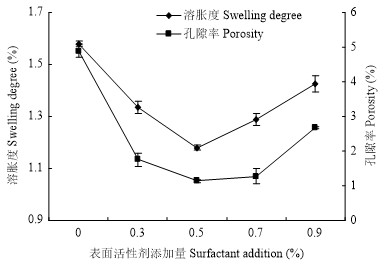
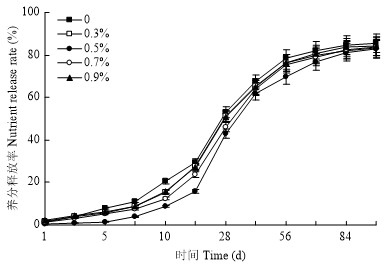
【Objective】Surfactants affect the properties and controlled-release performance of coated fertilizers by influencing the structure of polyurethane film materials based on castor oil. This study offered a theoretical support for the practical use of surfactant-modified plant oil-based polyurethane coated urea in agriculture through a methodical examination of the properties of coated urea, surfactant-modified castor oil-based polyurethane film, and field tests. 【Method】Using surfactant modification, castor oil-based polyurethane-coated urea (BPCU) was created. The surfactant modification mechanism was examined, and FT-IR was used to corroborate the polyurethane synthesis. The effects of surfactants on the hydrophobic properties of membrane materials were investigated. In Zhaodi Village, Xinxiang, Henan Province, a field experiment was carried out using homemade slow-release fertilizer to reduce fertilizer application by 20% while using regular urea as the control. The impact of BPCU on summer maize yield was examined, and Zhongjinyu 2513 was the test crop. 【Result】By improving the compatibility of the polyurethane matrix and creating a pseudo-crosslinking effect, the surfactant could make the high hydroxyl value castor oil-based polyol and PM-200 more evenly distribution on the coating film's surface. Additionally, the cross-linking density was further enhanced by lowering the energy consumption of the interfacial reaction between the high hydroxyl value castor oil-based polyol and PM-200 to form polyurethane. The improved membrane material had a decreased residual carbon content, according to the results. The improved membrane shell's water contact angle was 105.5°, a 13.0 % increase from the unmodified membrane shell's 93.4°. The modified membrane material had a 7-day water absorption rate of 1.64%, a porosity of 1.14%, and a swelling degree of 1.18%. The 7-day water absorption rate, porosity, and swelling degree were all reduced by 76.8%, 76.7%, and 25.3%, respectively, when compared with the unmodified membrane material. The slow-release duration of BPCU was extended from 70 to 83 days at 0.5% surfactant addition, which was 18.6% longer than that of castor oil-based polyurethane-coated urea (PCU). With a 20% decrease and a 5% coating, the corn yield of the BPCU fertilizer was 11 908.1 kg·hm-2, a 22.0% increase over the maize yield of 9 757.2 kg·hm-2 following the application of regular urea. In contrast, the thousand-grain weight likewise rose by 16.9%. The yield and thousand-grain weight of maize were significantly impacted by the application of BPCU. It mostly influenced the thousand-grain weight of maize, which in turn impacted its yield. 【Conclusion】It was demonstrated from aspects such as nitrogen release period and summer maize yield that the performance of BPCU was superior to that of the unmodified PCU. The application of BPCU could be regarded as an effective way to reduce fertilizer application and increase efficiency. The creation of novel coated controlled-release fertilizers was supported theoretically and technically by this study.

Key words: coated fertilizer, surfactant, polyurethane, slow release, field experiment, summer maize

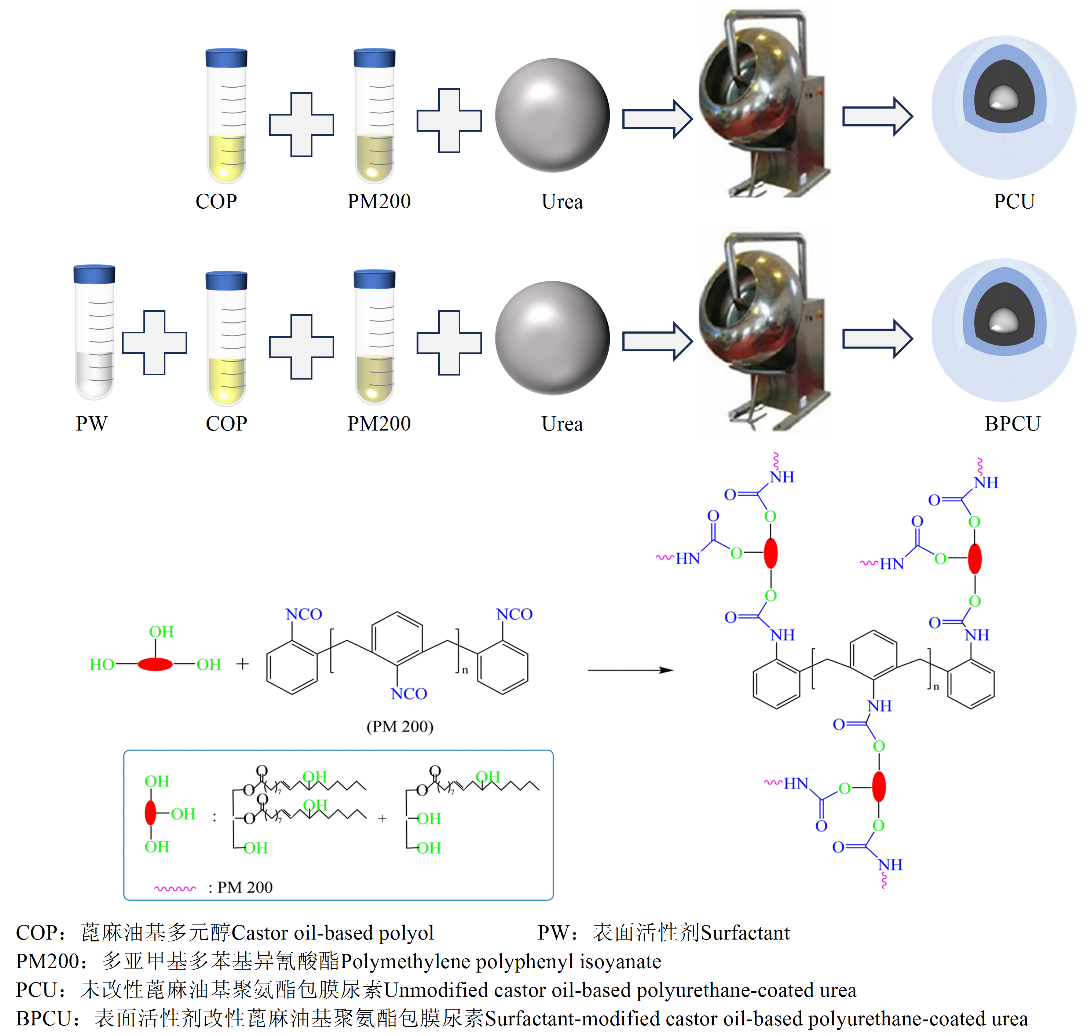
Fig. 1

The preparation process and schematic diagram of PCU and BPCU"

Table 1

Physical and chemical properties of soil"

pH
NH4+-N
(mg·L-1)
NO3--N
(mg·L-1)
有效磷Available P
(mg·L-1)
速效钾
Available K
(mg·L-1)
交换性钙Exchangeable Ca
(mg·L-1)
8.6 9.9 19.1 39.2 143.8 2041.2

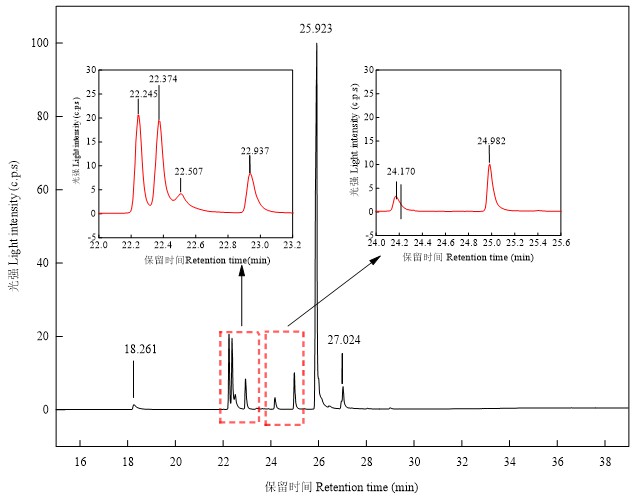
Fig. 2

GC chromatogram of castor oil"

Table 2

Types and relative content of fatty acids in castor oil"

脂肪酸 Fatty acid 脂肪酸简写 Abbreviation 保留时间 Retention time (min) 相对含量 Relative content (%)
棕榈酸 Palmitic acid C16:0 18.26 1.82
α-亚油酸 Alpha-linoleic acid C18:2 22.25 7.96
油酸 Oleic acid C18:1 22.37 8.73
反异油酸 Trans-isoleic acid C18:1 22.51 2.65
硬脂酸 Stearic acid C18:0 22.94 4.09
亚油酸 Linoleic acid C18:1 23.40 0.34
亚麻酸 Linolenic acid C18:3 24.17 2.68
二十碳烯酸 Eicosenoic acid C20:1 24.98 4.56
蓖麻油酸 Ricinoleic acid C18:1 25.92 63.74
9,10-二羟基硬脂酸 9,10-Dihydroxystearic acid C18:1 27.02 3.43
蓖麻油酸 Ricinoleic acid C18:1 25.92 63.74
9,10-二羟基硬脂酸 9,10-Dihydroxystearic acid C18:1 27.02 3.43

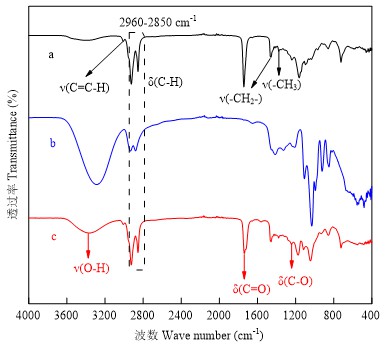
Fig. 3

Infrared spectra of CO (a), GI (b), and COP (c)"

Fig. 4

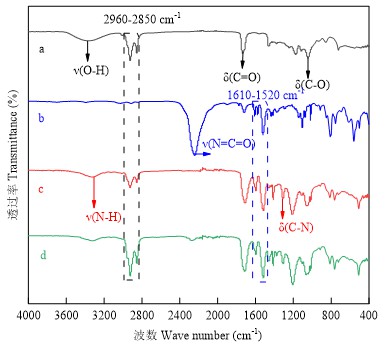
Infrared spectra of COP (a), PM-200 (b), castor oil- based polyurethanes (c) and castor oil-based polyurethane coupling surfactants (d)"

Fig. 5

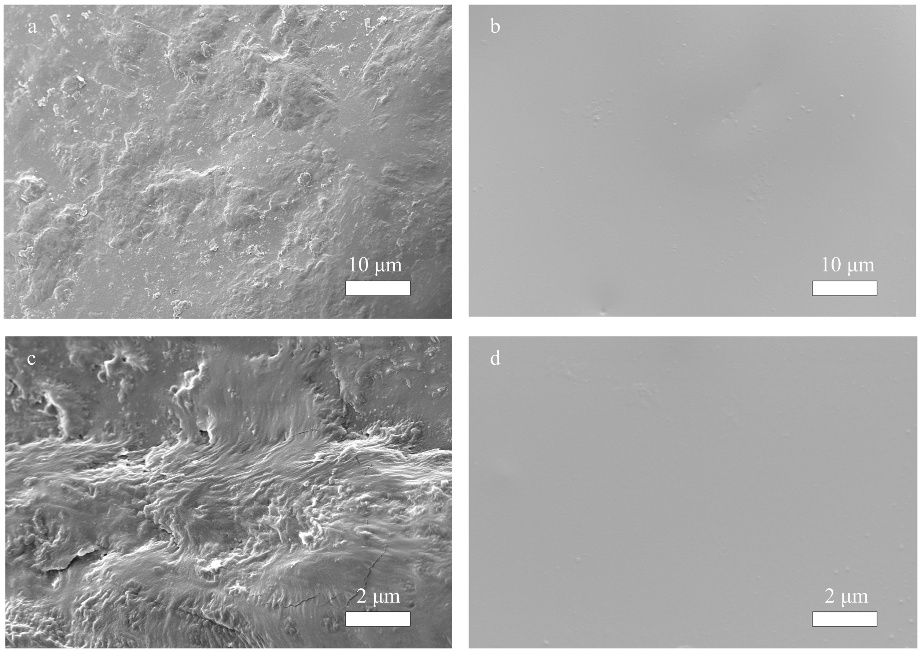
Morphology of PCU (a, c) and BPCU (b, d) membrane surface"

Fig. 6

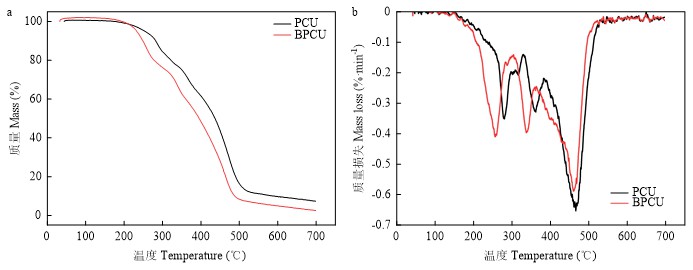
TG-DTG diagrams of PCU (a) and BPCU (b) shells"

Fig. 7

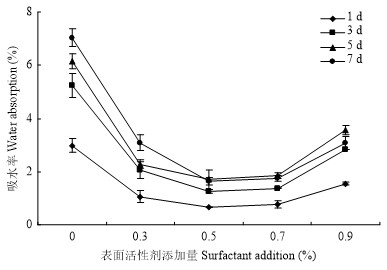
Effect of surfactant addition on water absorption of membrane material"

Fig. 8

Effect of surfactant addition on porosity and swelling degree of membrane materials"

Fig. 9

Influence of surfactant addition on slow-release performance of BPCU"

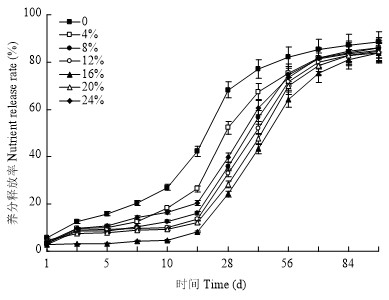
Fig. 10

Effect of GI addition on slow-release performance of BPCU"

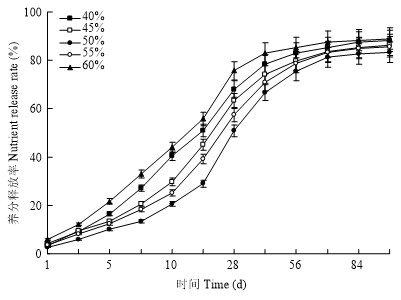
Fig. 11

Influence of castor oil-based polyol content on slow- release performance of BPCU"

Table 3

Effects of different fertilization treatments on summer maize yield"

处理
Treatment
穗粒数
Number of grains in a spike
千粒重
Thousand grain weight (g)
产量
Yield (kg·hm-2)
普通尿素 Common urea 549.25±38.33a 286.84±10.47b 9757.16±19.45b
自制控释尿素 Self-made controlled release urea 525.5±25.57a 335.40±11.91a 11908.07±23.74a
[1]
Zhao M, Wang Y, Liu L, Liu L, Chen M, Zhang C, Lu Q. Green coatings from renewable modified bentonite and vegetable oil based polyurethane for slow release fertilizers[J]. Polymer Composites, 2018, 39(12): 4355-4363.
[2]
Liang D, Zhang Q, Zhang W, Liu L, Liang H, Quirino R L, Chen J, Liu M, Lu Q, Zhang C. Tunable thermo-physical performance of Castor oil-based polyurethanes with tailored release of coated fertilizers[J]. Journal of Cleaner Production, 2019, 210: 1207-1215.
[3]
Wang X, Yang Y, Zhong S, Meng Q, Li Y, Wang J, Gao Y, Cui X. Advances in controlled-release fertilizer encapsulated by organic- inorganic composite membranes[J]. Particuology, 2024, 84: 236-248.
[4]
Zhang S, Gao P, Tong Y, Norse D, Lu Y, Powlson D. Overcoming nitrogen fertilizer over-use through technical and advisory approaches: A case study from Shaanxi Province, northwest China[J]. Agriculture, Ecosystems & Environment, 2015, 209: 89-99.
[5]
Chen S, Yang M, Ba C, Yu S, Jiang Y, Zou H, Zhang Y. Preparation and characterization of slow-release fertilizer encapsulated by biochar-based waterborne copolymers[J]. Science of the Total Environment, 2018, 615: 431-437.
[6]
Hu G, Lan X, Peng B, Liao J, Xiong Y. Water resistant, biodegradable and flexible corn starch/carboxymethyl cellulose composite film for slow-release fertilizer coating materials[J]. International Journal of Biological Macromolecules, 2024, 260: 129476.
[7]
Zhang S, Yang M, Meng S, Yang Y, Li Y C, Tong Z. Biowaste-derived, nanohybrid-reinforced double-function slow-release fertilizer with metal-adsorptive function[J]. Chemical Engineering Journal, 2022, 450: 138084.
[8]
Zhao C, Xu J, Bi H, Shang Y, Shao Q. A slow-release fertilizer of urea prepared via biochar-coating with nano-SiO2-starch-polyvinyl alcohol: Formulation and release simulation[J]. Environmental Technology & Innovation, 2023, 32: 103264.
[9]
Yuan S, Zhou T, Tan Z. New straw coating material for improving the slow-release performance of fertilizers[J]. ACS Applied Materials & Interfaces, 2023, 15(33): 39818-39826.
[10]
Priya E, Sarkar S, Maji P K. A review on slow-release fertilizer: Nutrient release mechanism and agricultural sustainability[J]. Journal of Environmental Chemical Engineering, 2024, 12(4): 113211.
[11]
Liu X, Yang Y, Gao B, Li Y, Wan Y. Environmentally friendly slow-release urea fertilizers based on waste frying oil for sustained nutrient release[J]. ACS Sustainable Chemistry & Engineering, 2017, 5(7): 6036-6045.
[12]
Yang M, Zhang J, Sun Z, Sun D. All-natural plant-derived polyurethane as a substitute of a petroleum-based polymer coating material[J]. Journal of Agricultural and Food Chemistry, 2024, 72(12): 6444-6453.
[13]
Ma X, Chen J, Yang Y, Su X, Zhang S, Gao B, Li Y C. Siloxane and polyether dual modification improves hydrophobicity and interpenetrating polymer network of bio-polymer for coated fertilizers with enhanced slow release characteristics[J]. Chemical Engineering Journal, 2018, 350: 1125-1134.
[14]
Chen S, Yang M, Han Y, Liu H, Zou H. Hydrophobically modified sustainable bio-based polyurethane for controllable release of coated urea[J]. European Polymer Journal, 2021, 142: 110114.
[15]
Vermoesen E, Cordeels E, Schaubroeck D, Brosens G, Bodé S, Boeckx P, Van Vlierberghe S. Photo-crosslinkable biodegradable polymer coating to control fertilizer release[J]. European Polymer Journal, 2023, 186: 111835.
[16]
Yang M, Li S, Zhang S, Gao B, Tong Z, Cheng D, Chen D, Huang R, Yang Y. Dense and superhydrophobic biopolymer-coated large tablet produced with energy efficient UV-curing for controlled-release fertilizer[J]. Journal of Materials Chemistry A, 2022, 10(36) 18834-18844.
[17]
Wang C, Song S, Du L, Yang Z, Liu Y, He Z, Zhou C, Li P. Nutrient controlled release performance of bio-based coated fertilizer enhanced by synergistic effects of liquefied starch and siloxane[J]. International Journal of Biological Macromolecules, 2023, 236: 123994.
[18]
Liang D, Wang Y, Shi H, Luo Z, Quirino R L, Lu Q, Zhang C. Controllable release fertilizer with low coating content enabled by superhydrophobic castor oil-based polyurethane nanocomposites prepared through a one-step synthetic strategy[J]. Industrial Crops and Products, 2022, 189: 115803.
[19]
Liu X, Yang Y, Gao B, Li Y. Organic silicone-modified transgenic soybean oil as bio-based coating material for controlled-release urea fertilizers[J]. Journal of Applied Polymer Science, 2016, 133(41): 44097.
[20]
Wang S, Li X, Ren K, Huang R, Lei G, Shen L, Zhan Y, Jiang L. Surface modification of pyrophyllite for optimizing properties of Castor oil-based polyurethane composite and its application in controlled-release fertilizer[J]. Arabian Journal of Chemistry, 2023, 16(2): 104400.
[21]
Chen C, Zhang H, Zhang X. Synergism of surfactant mixture in lowering vapor-liquid interfacial tension[J]. Langmuir, 2023, 39(33): 11828-11838.
[22]
Ogunmokun F A, Wallach R. Effect of surfactant surface and interfacial tension reduction on infiltration into hydrophobic porous media[J]. Geoderma, 2024, 441: 116735.
[23]
Lin Y, Tang W, Xiao P, Ma J, Han X, Xu X, Luo J, Zhao S. Synergistic effect of salt and anionic surfactants on interfacial tension reduction: Insights from molecular dynamics simulations[J]. Langmuir, 2023, 39(35): 12392-12401.
[24]
Thakur S, Karak N. Castor oil-based hyperbranched polyurethanes as advanced surface coating materials[J]. Progress in Organic Coatings, 2013, 76(1): 157-164.
[25]
Meiorin C, Calvo-Correas T, Mosiewicki M A, Aranguren M I, Corcuera M A, Eceiza A. Comparative effects of two different crosslinkers on the properties of vegetable oil-based polyurethanes[J]. Journal of Applied Polymer Science, 2020, 137(22): 48741.
[26]
Charoenchai M, Prompinit P, Kangwansupamonkon W, Vayachuta L. Bio-inspired surface structure for slow-release of urea fertilizer[J]. Journal of Bionic Engineering, 2020, 17(2): 335-344.
[27]
Kamalakar K, Mahesh G, Prasad R B, Karuna M S. A novel methodology for the synthesis of acyloxy Castor Polyol esters: Low pour point lubricant base stocks[J]. Journal of Oleo Science, 2015, 64(12): 1283-1295.
[28]
王健龙, 程建正, 肖双明, 汪汀, 魏浩. 石油沥青质改性聚氨酯阻尼减振材料的制备及性能[J]. 工程塑料应用, 2025, 53(6): 38-46.
Wang J L, Cheng J Z, Xiao S M, Wang T, Wei H. Preparation and performances of polyurethane damping materials modified with petroleum asphaltene[J]. Engineering Plastics Application, 2025, 53(6): 38-46. (in Chinese)
[29]
蒋晓霖. 高阻尼聚氨酯弹性体及其功能化研究[D]. 广州: 华南理工大学, 2022.
Jiang X L. Study on high damping polyurethane elastomer and its functionalization[D]. Guangzhou: South China University of Technology, 2022. (in Chinese)
[30]
Zhao X, Qi X, Chen Q, Ao X, Guo Y. Sulfur-modified coated slow- release fertilizer based on Castor Oil: synthesis and a controlled- release model[J]. ACS Sustainable Chemistry & Engineering, 2020, 8(49): 18044-18053.
[1] WANG YaFei, YAN Peng, XUE JinTao, DONG XueRui, MENG FanQi, GUO LiNa, LUO Yi, ZHANG Juan, DONG ZhiQiang, LU Lin. Effects of Ethephon-Glycine Betaine-Salicylic Acid Mixture on Root System Architecture, Physiological Function and Yield of Maize Under Heat Stress [J]. Scientia Agricultura Sinica, 2026, 59(7): 1439-1455.
[2] XUE YuQi, ZHAO JiYu, SUN WangSheng, REN BaiZhao, ZHAO Bin, LIU Peng, ZHANG JiWang. Effects of Different Nitrogen Forms on Yield and Quality of Summer Maize [J]. Scientia Agricultura Sinica, 2025, 58(8): 1535-1549.
[3] WANG TongChao, YU NingNing, CUI Dong, REN BaiZhao, ZHAO Bin, LIU Peng, REN Hao, XIONG Wei, ZHANG JiWang. Regulation of Fertilization and Kernel Set Characteristics in Summer Maize by Planting Density Under Drip Fertigation Conditions [J]. Scientia Agricultura Sinica, 2025, 58(24): 5156-5174.
[4] GAO ChunHua, ZHAO HaiJun, ZHAO FengTao, KONG WeiLin, JU FeiYan, LI ZongXin, SHI DeYang, LIU Ping. Effect of Growth Regulators on the Stem Characteristics and Yield of Summer Maize in Maize-Soybean Strip Intercropping [J]. Scientia Agricultura Sinica, 2025, 58(23): 4920-4935.
[5] GAO ShangJie, LIU XingRen, LI YingChun, LIU XiaoWan. Effects of Biochar and Straw Return on Greenhouse Gas Emissions and Global Warming Potential in the Farmland [J]. Scientia Agricultura Sinica, 2024, 57(5): 935-949.
[6] SHI DeYang, LI YanHong, WANG FeiFei, XIA DeJun, JIAO YanLin, SUN NiNa, ZHAO Jian. Regulation Effects of Line-Spacing Expansion and Row-Spacing Shrinkage on Dry Matter and Nutrient Accumulation and Transport of Summer Maize Under High Plant Density [J]. Scientia Agricultura Sinica, 2024, 57(23): 4658-4672.
[7] GUO Ya, REN Hao, WANG HongZhang, ZHANG JiWang, ZHAO Bin, REN BaiZhao, LIU Peng. High Temperature and Drought Combined Stress Inhibited Photosystem Ⅱ Performance and Decreased Grain Yield of Summer Maize [J]. Scientia Agricultura Sinica, 2024, 57(21): 4205-4220.
[8] QI Xin, WANG Yang, HUANG YuFang, YE YouLiang, GUO YuLong, ZHAO YaNan. Nitrogen Nutrition Diagnosis Method Based on Mobile Phone Image of Summer Maize Canopy [J]. Scientia Agricultura Sinica, 2024, 57(20): 4094-4106.
[9] LIU ShuiMiao, GUAN XiaoKang, ZHAO ZhiHeng, WANG JingHui, LIU ShiLong, GAO PeiMeng, WANG YanLi, WU PengNian, GAO ChenKai, LI YuMing, SHAO Jing, YU HaoLin, WANG TongChao, WEN PengFei. Residual Effects of Tillage Regime on Soil Moisture Dynamics, Grain Filling Characteristics and Yield of Summer Maize in Wheat-Maize Double Cropping System [J]. Scientia Agricultura Sinica, 2024, 57(18): 3568-3585.
[10] ZHAO HuaRong, ZHOU GuangSheng, QI Yue, GENG JinJian, TIAN XiaoLi. Effects of Sowing Date Adjustment on Yield and Quality of Winter Wheat and Summer Maize in Northern Area of North China [J]. Scientia Agricultura Sinica, 2024, 57(15): 2964-2985.
[11] MA ShengLan, KUANG FuHong, LIN HongYu, CUI JunFang, TANG JiaLiang, ZHU Bo, PU QuanBo. Effects of Straw Incorporation Quantity on Soil Physical Characteristics of Winter Wheat-Summer Maize Rotation System in the Central Hilly Area of Sichuan Basin [J]. Scientia Agricultura Sinica, 2023, 56(7): 1344-1358.
[12] LIU Meng, ZHANG Yao, GE JunZhu, YANG YongAn, WU XiDong, HOU HaiPeng. Effects of Nitrogen Application on Delayed Harvest Summer Maize Grain Yield, Superior and Inferior Grains Morphology and Weight Under Different Rainfall Years [J]. Scientia Agricultura Sinica, 2023, 56(20): 3975-3995.
[13] YU HaoDong, CHU ZhenYu, WANG ShunYuan, GUO YanQing, REN BaiZhao, ZHANG JiWang. Effects of Different Controlled Nitrogen Ratios on Leaf Senescence and Grain Filling Characteristics of Summer Maize [J]. Scientia Agricultura Sinica, 2023, 56(18): 3511-3529.
[14] ZHAO ZhengXin,WANG XiaoYun,TIAN YaJie,WANG Rui,PENG Qing,CAI HuanJie. Effects of Straw Returning and Nitrogen Fertilizer Types on Summer Maize Yield and Soil Ammonia Volatilization Under Future Climate Change [J]. Scientia Agricultura Sinica, 2023, 56(1): 104-117.
[15] LIU Miao,LIU PengZhao,SHI ZuJiao,WANG XiaoLi,WANG Rui,LI Jun. Critical Nitrogen Dilution Curve and Nitrogen Nutrition Diagnosis of Summer Maize Under Different Nitrogen and Phosphorus Application Rates [J]. Scientia Agricultura Sinica, 2022, 55(5): 932-947.
Viewed
Full text


Abstract

Cited

  Shared   
  Discussed   
No Suggested Reading articles found!