Scientia Agricultura Sinica ›› 2026, Vol. 59 ›› Issue (21): 4815-4830.doi: 10.3864/j.issn.0578-1752.2026.21.008

• PLANT PROTECTION • Previous Articles     Next Articles

Biocontrol Potential and Mechanism of Bacillus velezensis C1-17 Against Peach Brown Rot

QIN Ying1,2(), YIN WeiXiao1, LUO ChaoXi1,2()   

  1. 1 Huazhong Agricultural University/National Key Laboratory for Germplasm Innovation Utilization of Horticultural Crops, Wuhan 430070
    2 College of Plant Science and Technology, Huazhong Agricultural University/Key Lab of Crop Disease Monitoring & Safety Control in Hubei Province, Wuhan 430070
  • Received:2026-05-31 Accepted:2026-07-03 Online:2026-11-01 Published:2026-11-06
  • Contact: LUO ChaoXi

Abstract:

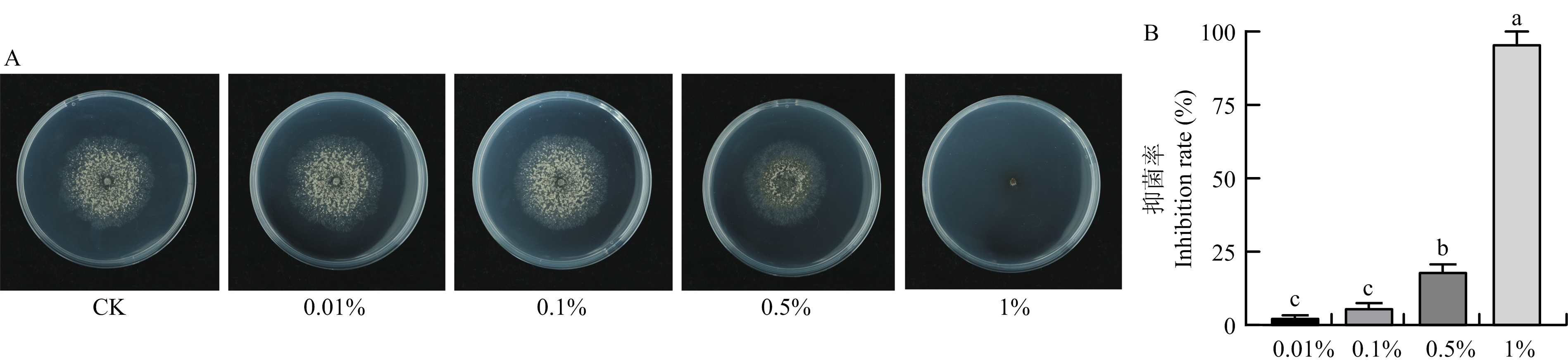
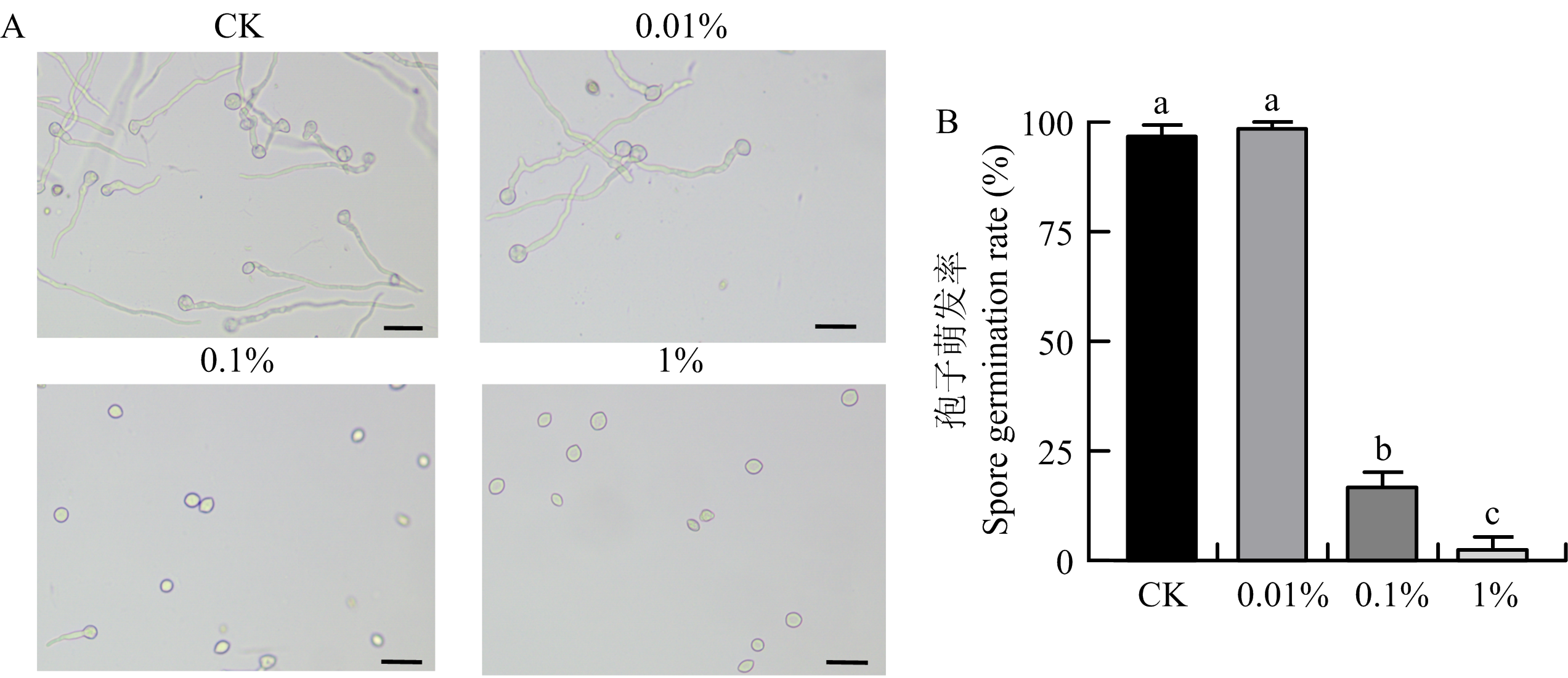
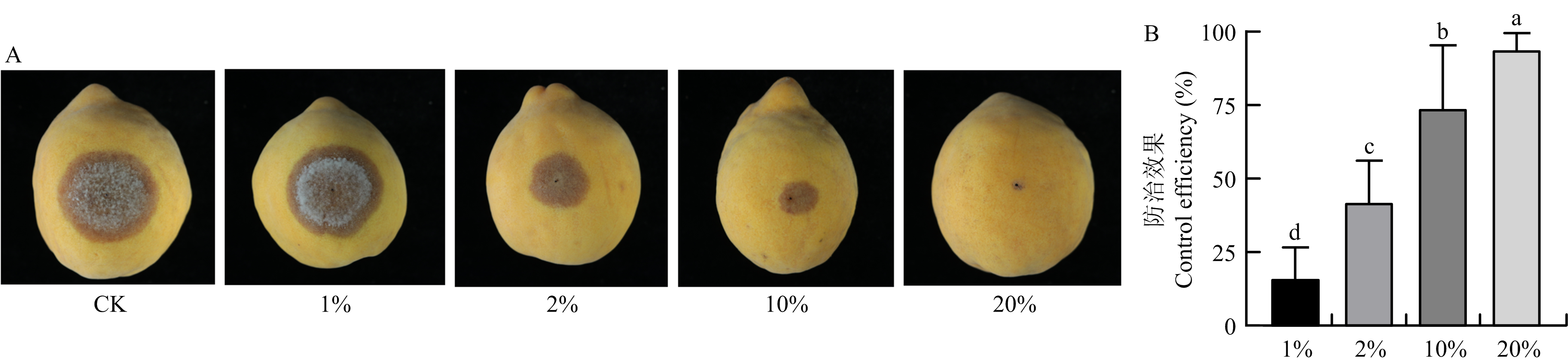
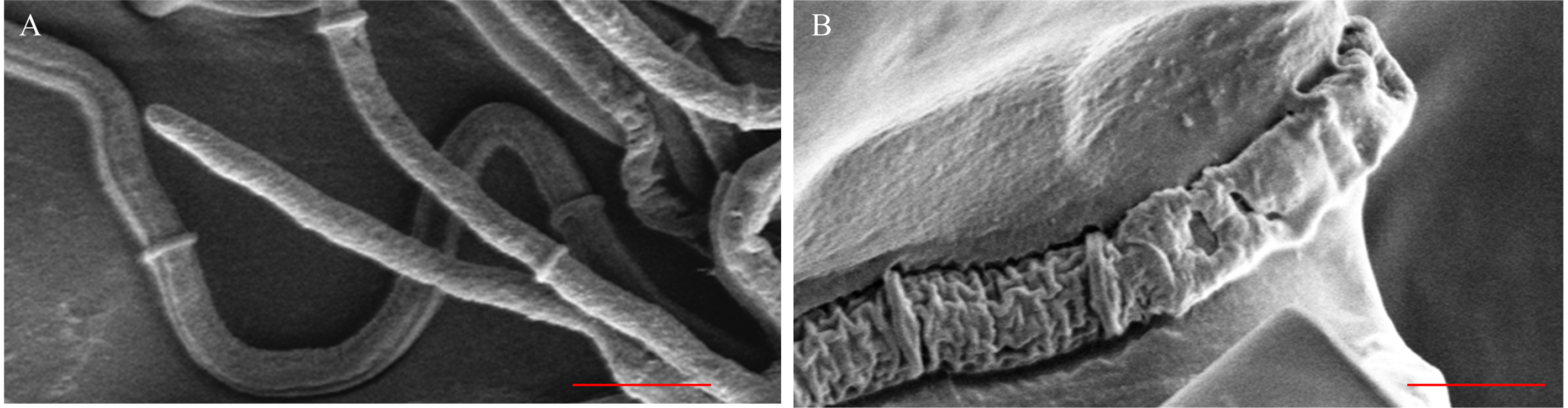
【Objective】Peach brown rot, caused by Monilinia spp., is a severe fungal disease leading to substantial economic losses to the peach industry. This study aims to evaluate the biocontrol potential of Bacillus velezensis strain C1-17 against peach brown rot and to elucidate its antifungal mechanisms, thereby providing a novel strain resource and theoretical basis for green management of this disease. 【Method】A previously obtained B. velezensis C1-17 strain was used, the in vitro antifungal activity and in vivo biocontrol efficacy of C1-17 against M. fructicola, the dominant pathogen of peach brown rot, were determined by dual-culture plate confrontation assay, fruit immersion with bacterial suspension, and cell-free culture filtrate assay, respectively, to evaluate its biocontrol potential. Morphological and ultrastructural changes in the pathogen hyphae after treatment were investigated by using light microscopy, scanning electron microscopy, and transmission electron microscopy. Plasma membrane integrity and intracellular reactive oxygen species (ROS) levels of the pathogen were detected using propidium iodide (PI) staining and the DCFH-DA fluorescent probe, respectively. The ability of C1-17 to produce extracellular antimicrobial active compounds, including proteases, cellulases, and siderophores, was assessed using specific culture media. Expression changes of defense-related genes (PpPR1, PpNPR1, PpMYC2, PpJAZ5, PpPAL1, PpPOD) in peach fruit following C1-17 treatment and under pathogen infection were analyzed by reverse-transcription quantitative real-time PCR (RT-qPCR). Peach fruits were sprayed with 10% C1-17 bacterial suspension and tebuconazole, respectively, and then inoculated with spore suspensions of DMI-resistant and DMI-sensitive strains. Disease incidence was investigated and control efficacy was calculated to evaluate the control efficacy of C1-17 against different resistant strains. 【Result】The fermented broth of C1-17 showed a control efficacy of 93.25% against peach brown rot at a low concentration of 2% (V/V). Its cell-free culture filtrate at 1% (V/V) inhibited mycelial growth of M. fructicola by 95.93% and reduced the conidial germination rate to 3%. After treatment with 1% (V/V) C1-17 cell-free culture filtrate, pathogen hyphae exhibited swelling, vacuolation, wrinkling and disruption, plasmolysis, and dissolution of organelles such as mitochondria. PI staining and DCFH-DA detection confirmed loss of plasma membrane integrity and massive accumulation of intracellular ROS, suggesting that membrane damage and oxidative burst are important antifungal mechanisms. C1-17 also produced extracellular active substances such as proteases, cellulases, and siderophores. Spraying C1-17 alone did not significantly induce the expression of peach defense-related genes. However, under M. fructicola infection, C1-17 pretreatment specifically up-regulated the expression of salicylic acid pathway-related genes (PpPAL1 and PpPR1) and PpPOD at the late stage of infection (48 h). The 10% C1-17 suspension exhibited good control efficacy (≥94.50%) against both DMI-resistant and DMI-sensitive strains of M. fructicola. Notably, its efficacy against DMI-resistant strains was superior to that of 20 μg·mL-1 tebuconazole, and no cross-resistance with DMI fungicides was observed. 【Conclusion】B. velezensis C1-17 shows promising biocontrol potential against peach brown rot. By secreting antifungal substances, C1-17 directly disrupts hyphal morphology and plasma membrane integrity of M. fructicola and induces intracellular ROS accumulation. In addition, at the late stage of pathogen infection, it selectively activates the salicylic acid signaling pathway and the phenylpropanoid metabolic pathway, thereby achieving efficient control of peach brown rot.

Key words: Bacillus velezensis, peach brown rot, Monilinia fructicola, biological control, mechanism of action

Fig. 1

Biocontrol efficacy of C1-17 bacterial suspension against peach brown rot Different lowercase letters on the bars indicate significant differences among treatments (Tukey test, P<0.05). The same as below"

Fig. 2

Inhibitory effect of C1-17 cell-free incubation broth against M. fructicola"

Fig. 3

Inhibitory effect of C1-17 cell-free incubation broth on spore germination of M. fructicola"

Fig. 4

Control efficacy of C1-17 cell-free incubation broth against peach brown rot"

Fig. 5

Effects of C1-17 on the mycelial morphology of M. fructicola observed under light microscope"

Fig. 6

Effect of C1-17 on the mycelial morphology of M. fructicola observed by scanning electron microscopy"

Fig. 7

Transmission electron microscopy observation of M. fructicola treated with C1-17"

Fig. 8

PI staining observation of M. fructicola mycelia after treatment with C1-17"

Fig. 9

DCFH-DA staining observation of M. fructicola mycelia after treatment with C1-17"

Fig. 10

Detection of antifungal substances produced by C1-17"

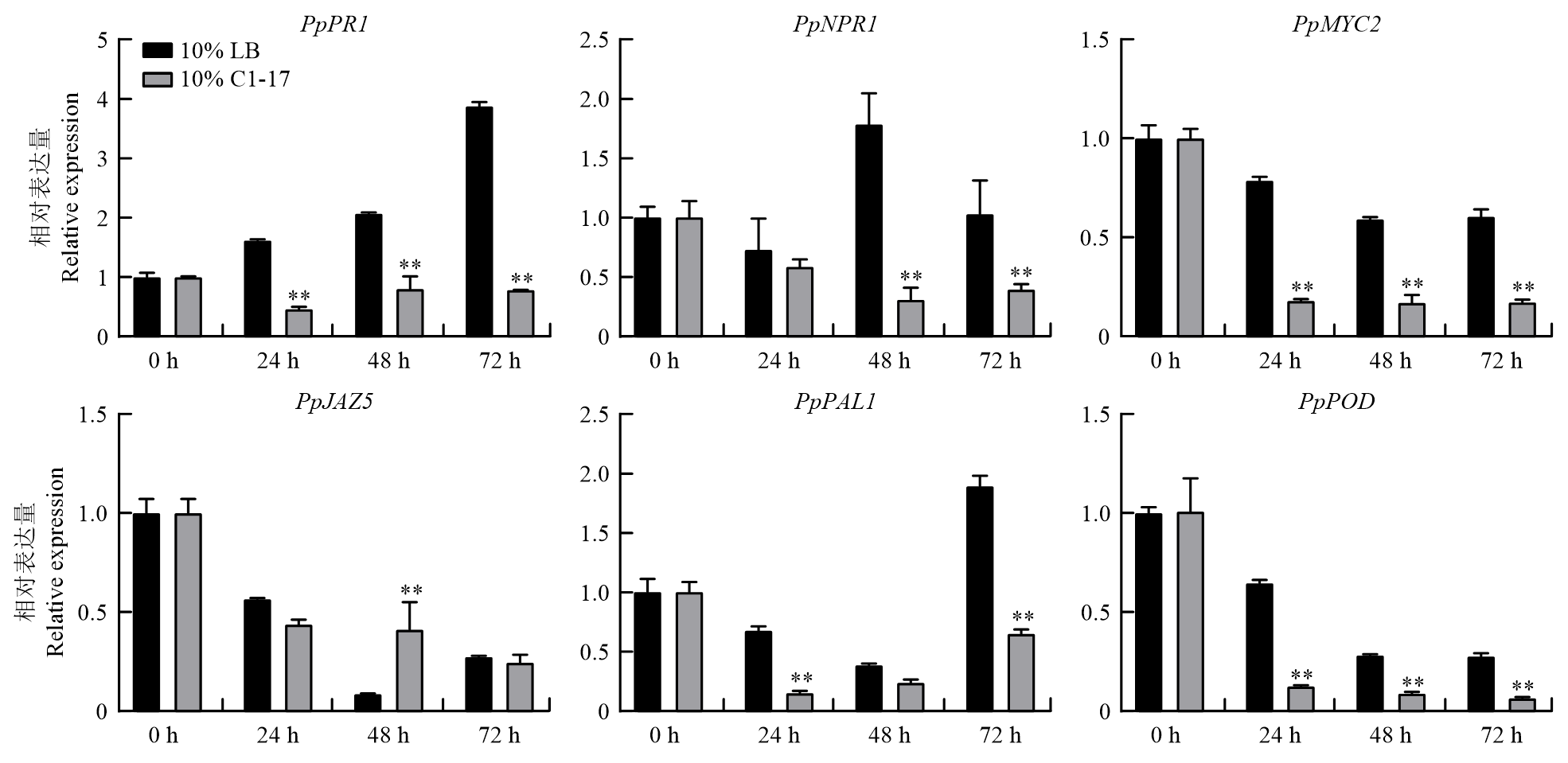
Fig. 11

Effect of spraying C1-17 alone on fruit defense genes in peach"

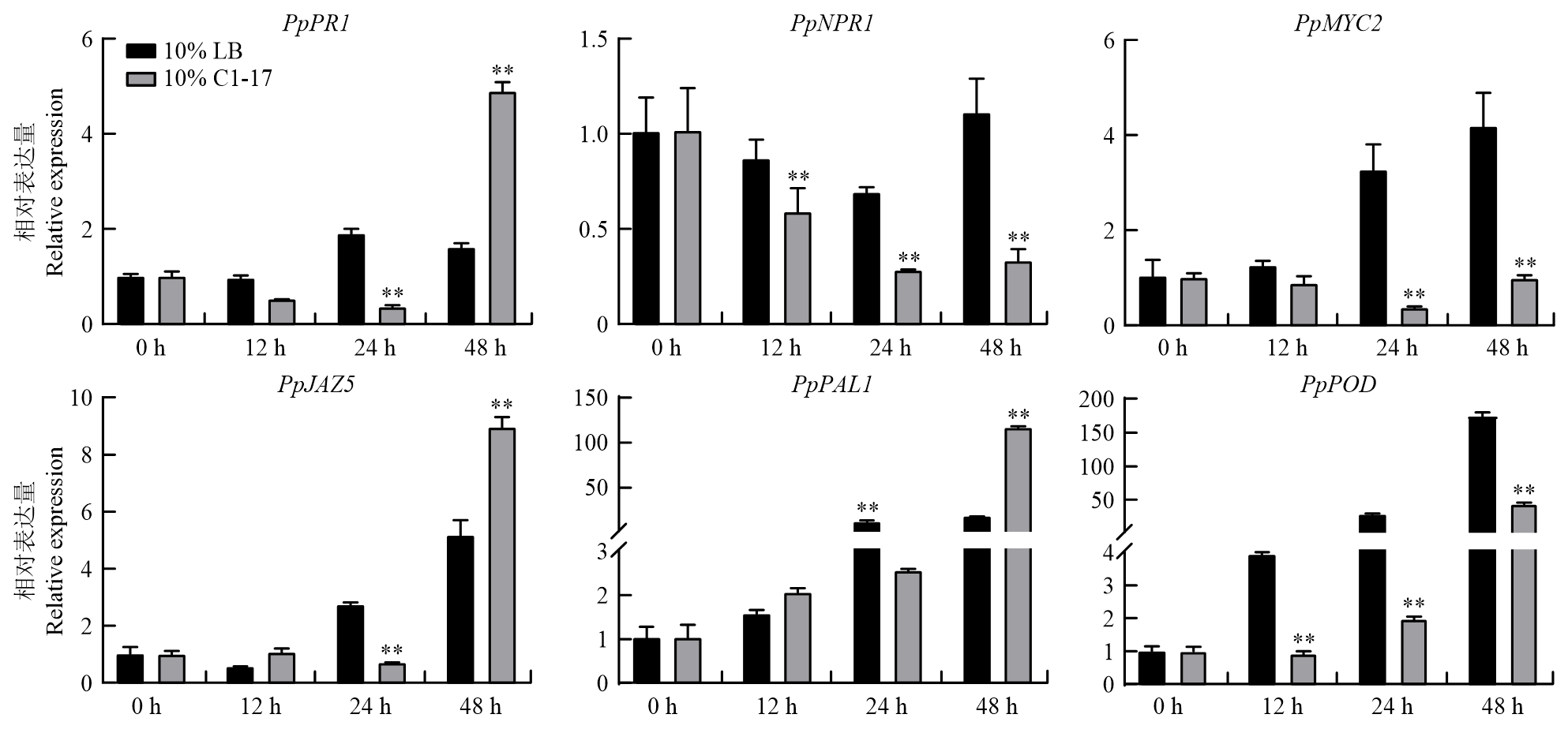
Fig. 12

Effect of C1-17 on peach fruit defense genes after inoculation with M. fructicola"

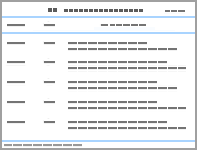
Table 1

Control efficacy of C1-17 bacterial suspension and tebuconazole against DMI-resistant and -sensitive strains (%)"

菌株
Strain
戊唑醇Tebuconazole C1-17菌液C1-17 bacterial suspension
0.5 μg·mL-1 1 μg·mL-1 5 μg·mL-1 10 μg·mL-1 20 μg·mL-1 1% 5% 10%
ZYTF5-1 19.36±4.28a 65.07±3.23a 100±0a — — 12.06±2.37c 35.24±11.42c 100±0a
MD1-7 18.51±3.18a 58.45±7.72b 100±0a — — 23.71±7.48b 52.59±10.30b 94.50±7.77b
Bmpc7 — — 4.07±13.21b 22.59±10.55 48.51±8.18 33.70±5.77a 71.42±7.97a 100±0a

Fig. 13

Control efficacy of different concentrations of C1-17 bacterial suspension and tebuconazole against DMI-resistant and -sensitive strains (peach fruit)"

[1]
Luo C X, Schnabel G, Hu M, de Cal A. Global distribution and management of peach diseases[J]. Phytopathology Research, 2022, 4: 30.

doi: 10.1186/s42483-022-00134-0
[2]
Batra L R. World Species of Monilinia (fungi): Their Ecology, Biosystematics and Control[M]. Berlin, Stuttgart: Gebruder Borntraeger Verlagsbuchhandlung, 1991.
[3]
Zhu X Q, Guo L Y. First report of brown rot on plum caused by Monilia polystroma in China[J]. Plant Disease, 2010, 94(4): 478.

doi: 10.1094/PDIS-94-4-0478A pmid: 30754483
[4]
van Leeuwen G C M, Baa Yen R P, Holb I J, Jeger M J. Distinction of the asiatic brown rot fungus Monilia polystroma sp. nov. from M. fructigena[J]. Mycological Research, 2002, 106(4): 444-451.

doi: 10.1017/S0953756202005695
[5]
Harada Y, Nakao S, Sasaki M, Sasaki Y, Ichihashi Y, Sano T. Monilia mumecola, a new brown rot fungus on Prunus mume in Japan[J]. Journal of General Plant Pathology, 2004, 70(6): 297-307.

doi: 10.1007/s10327-004-0137-4
[6]
Zhu X Q, Chen X Y, Guo L Y. Population structure of brown rot fungi on stone fruits in China[J]. Plant Disease, 2011, 95(10): 1284-1291.

doi: 10.1094/PDIS-02-11-0079
[7]
罗朝喜. 果树褐腐病的研究现状及其展望[J]. 植物病理学报, 2017, 47(2): 145-153.

doi: 10.13926/j.cnki.apps.000015
Luo C X. Advances and prospects on researches of brown rot disease on fruits[J]. Acta Phytopathologica Sinica, 2017, 47(2): 145-153. (in Chinese)
[8]
曾哲政, 罗朝喜. 中国桃重要病害的化学防治现状及关键技术[J]. 现代农药, 2024, 23(2): 26-32.
Zeng Z Z, Luo C X. Chemical control status and key techniques of major peach diseases in China[J]. Modern Agrochemicals, 2024, 23(2): 26-32. (in Chinese)
[9]
Ayaz M, Li C H, Ali Q, Zhao W, Chi Y K, Shafiq M, Ali F, Yu X Y, Yu Q, Zhao J T, Yu J W, Qi R D, Huang W K. Bacterial and fungal biocontrol agents for plant disease protection: Journey from lab to field, current status, challenges, and global perspectives[J]. Molecules, 2023, 28(18): 6735.

doi: 10.3390/molecules28186735
[10]
Parra A L C, Pereira V C, Freitas A S, de Souza-Filho M A, Viera A S A, Diogenes E M, Sidrim J J C, de Guedes G M, de Cordeiro R A, Morio F, Rocha M F G, Souza P F N, Castelo-Branco D. Agrochemical fungicides as environmental drivers of antifungal resistance[J]. Science of the Total Environment, 2025, 1000: 180385.

doi: 10.1016/j.scitotenv.2025.180385
[11]
Chen S N, Shang Y, Wang Y, Schnabel G, Lin Y, Yin L F, Luo C X. Sensitivity of Monilinia fructicola from peach farms in China to four fungicides and characterization of isolates resistant to carbendazim and azoxystrobin[J]. Plant Disease, 2014, 98(11): 1555-1560.

doi: 10.1094/PDIS-11-13-1145-RE pmid: 30699783
[12]
Ma Z, Yoshimura M A, Michailides T J. Identification and characterization of benzimidazole resistance in Monilinia fructicola from stone fruit orchards in California[J]. Applied and Environmental Microbiology, 2003, 69(12): 7145-7152.

doi: 10.1128/AEM.69.12.7145-7152.2003
[13]
Luo C X, Cox K D, Amiri A, Schnabel G. Occurrence and detection of the DMI resistance-associated genetic element “Mona” in Monilinia fructicola[J]. Plant Disease, 2008, 92(7): 1099-1103.

doi: 10.1094/PDIS-92-7-1099
[14]
Elmer P G, Gaunt R E. A survey of fungicide insensitivity on Monilinia fructicola[J]. Proceedings of the New Zealand Weed and Pest Control Conference, 1986, 39: 166-169.

doi: 10.30843/nzpp.1986.39
[15]
Chen F, Liu X, Chen S, Schnabel E, Schnabel G. Characterization of Monilinia fructicola strains resistant to both propiconazole and boscalid[J]. Plant Disease, 2013, 97(5): 645-651.

doi: 10.1094/PDIS-10-12-0924-RE pmid: 30722204
[16]
曲美慧. 桃褐腐病菌的多重抗药性评估及其初步机制研究[D]. 沈阳: 沈阳农业大学, 2024.
Qu M H. Multiple drug resistance evaluation and preliminary resistance mechanism of brown rot fungus on peach[D]. Shenyang: Shenyang Agricultural University, 2024. (in Chinese)
[17]
Fu W, Tian G, Pei Q, Ge X, Tian P. Evaluation of berberine as a natural compound to inhibit peach brown rot pathogen Monilinia fructicola[J]. Crop Protection, 2017, 91: 20-26.

doi: 10.1016/j.cropro.2016.09.008
[18]
张慧, 许宁, 曹丽茹, 王蕊, 张凯. 我国微生物农药的研发与应用研究进展[J]. 农药学学报, 2023, 25(4): 769-778.
Zhang H, Xu N, Cao L R, Wang R, Zhang K. Review on research and utilization of microbial pesticides in China[J]. Chinese Journal of Pesticide Science, 2023, 25(4): 769-778. (in Chinese)
[19]
Shan X, Zhang C, Li J, Duan Y, Huang Y. Pseudomonas protegens controlled brown rot (Monilinia fructicola) on peach fruit in postharvest by suppressing fungal development and inducing plant defense-related genes[J]. Postharvest Biology and Technology, 2024, 213: 112971.

doi: 10.1016/j.postharvbio.2024.112971
[20]
Huang Y, Wang H, Liu J, Shan X, Yan L. Bacillus subtilis QNF2 efficiently controlled brown rot caused by Monilinia fructicola in peach fruits by inducing the antifungal endophytic bacteria[J]. Food Bioscience, 2025, 71: 107288.

doi: 10.1016/j.fbio.2025.107288
[21]
Ji Z L, He H W, Zhou H J, Han F, Tong Y H, Ye Z W, Xu J Y. The biocontrol effects of the Bacillus licheniformis W10 strain and its antifungal protein against brown rot in peach[J]. Horticultural Plant Journal, 2015, 1(3): 131-138.
[22]
贾祥子, 叶建, 王诚, 熊正文, 孔祥伟, 张清霞, 纪兆林. 桃褐腐病生防细菌JY-d1种类鉴定及其对桃褐腐病菌生防机制研究[J]. 扬州大学学报(农业与生命科学版), 2021, 42(4): 128-134.
Jia X Z, Ye J, Wang C, Xiong Z W, Kong X W, Zhang Q X, Ji Z L. Species identification of biocontrol bacterium JY-d1 against peach brown rot and study on its biocontrol mechanism against Monilinia fructicola[J]. Journal of Yangzhou University (Agricultural and Life Science Edition), 2021, 42(4): 128-134. (in Chinese)
[23]
Huang Y, Shan X, Zhang C, Duan Y. Pseudomonas protegens volatile organic compounds inhibited brown rot of postharvest peach fruit by repressing the pathogenesis-related genes in Monilinia fructicola[J]. Food Microbiology, 2024, 122: 104551.

doi: 10.1016/j.fm.2024.104551
[24]
Wesche J, Schnabel G. Management of blossom blight in nectarine and peach with Bacillus subtilis[J]. Plant Disease, 2026, 110(4): 1074-1078.

doi: 10.1094/PDIS-06-25-1318-SC
[25]
Zhang N, Wang Z, Shao J, Xu Z, Liu Y, Xun W, Miao Y, Shen Q, Zhang R. Biocontrol mechanisms of Bacillus: Improving the efficiency of green agriculture[J]. Microbial Biotechnology, 2023, 16(12): 2250-2263.

doi: 10.1111/1751-7915.14348 pmid: 37837627
[26]
Richter A, Blei F, Hu G, Schwitalla J W, Lozano-Andrade C N, Xie J, Jarmusch S A, Wibowo M, Kjeldgaard B, Surabhi S, Xu X, Jautzus T, Phippen C B, Tyc O, Arentshorst M, Wang Y, Garbeva P, Larsen T O, Ram A F, van den Hondel C A, et al. Enhanced surface colonisation and competition during bacterial adaptation to a fungus[J]. Nature Communications, 2024, 15: 4486.

doi: 10.1038/s41467-024-48812-1 pmid: 38802389
[27]
Nie P, Li X, Wang S, Guo J, Zhao H, Niu D. Induced systemic resistance against Botrytis cinerea by Bacillus cereus AR156 through a JA/ET- and NPR1-dependent signaling pathway and activates PAMP-triggered immunity in Arabidopsis[J]. Frontiers in Plant Science, 2017, 8: 238.
[28]
Yuan H, Shi B, Wang L, Huang T, Zhou Z, Hou H, Tu H. Isolation and characterization of Bacillus velezensis strain P2-1 for biocontrol of apple postharvest decay caused by Botryosphaeria dothidea[J]. Frontiers in Microbiology, 2022, 12: 808938.

doi: 10.3389/fmicb.2021.808938
[29]
Li S, Hu J, Ning S, Li W, Jiang R, Huang J, Li Y. Bacillus velezensis HY19 as a sustainable preservative in post-harvest citrus (Citrus reticulata Blanco L.) fruit management[J]. Food Control, 2024, 155: 110068.

doi: 10.1016/j.foodcont.2023.110068
[30]
Keshmirshekan A, de Souza Mesquita L M, Ventura S P M. Biocontrol manufacturing and agricultural applications of Bacillus velezensis[J]. Trends in Biotechnology, 2024, 42(8): 986-1001.

doi: 10.1016/j.tibtech.2024.02.003 pmid: 38448350
[31]
Martínez-Terrazas E, Aragón W, Ocampo C F, Serrano-Carreón L, Galindo E, Serrano M. Bacillus velezensis 83 protects Arabidopsis thaliana against Botrytis cinerea by triggering JA-, and SA-dependent induced systemic resistance[J]. Pest Management Science, 2026, 82(3): 2532-2540.

doi: 10.1002/ps.v82.3
[32]
Hussain M, Qin Y, Zeng Z Z, Yin W X, Luo C X. Bacillus velezensis synergizes with reduced tebuconazole doses to control DMI-resistant Alternaria alternata by suppressing AaCYP51 expression[J]. Biological Control, 2026, 219: 106086.

doi: 10.1016/j.biocontrol.2026.106086
[33]
Manteca A, Fernandez M, Sanchez J. Cytological and biochemical evidence for an early cell dismantling event in surface cultures of Streptomyces antibioticus[J]. Research in Microbiology, 2006, 157(2): 143-152.

pmid: 16171979
[34]
van Camp W, van Montagu M, Inzé D. H2O2 and NO: Redox signals in disease resistance[J]. Trends in Plant Science, 1998, 3(9): 330-334.

doi: 10.1016/S1360-1385(98)01297-7
[35]
周衍章, 陈艳, 易图永. 桃褐腐病的研究进展[J]. 生物灾害科学, 2025, 48(2): 286-293.
Zhou Y Z, Chen Y, Yi T Y. Research progress of peach brown rot[J]. Biological Disaster Science, 2025, 48(2): 286-293. (in Chinese)
[36]
Lin L, Shen D, Shao X, Yang Y, Li L, Zhong C, Jiang J, Wang M, Qian G. Soil microbiome bacteria protect plants against filamentous fungal infections via intercellular contacts[J]. Proceedings of the National Academy of Sciences of the United States of America, 2025, 122(3): e2418766122.
[37]
Lichtemberg P S F, Moreira L M, Zeviani W M, Amorim L, de Mio L L. Dispersal gradient of M. fructicola conidia from peach orchard to an open field[J]. European Journal of Plant Pathology, 2022, 162(1): 231-236.

doi: 10.1007/s10658-021-02374-w
[38]
Thomson D D, Inman R, Bignell E M. Live-cell imaging of pathogenic fungal hyphae reveal dynamic cellular responses to clinical antifungals[J]. bioRxiv, 2024: 2024.07.19.602466.
[39]
Veses V, Richards A, Gow N A R. Vacuole inheritance regulates cell size and branching frequency of Candida albicans hyphae[J]. Molecular Microbiology, 2008, 71(2): 505-519.

doi: 10.1111/mmi.2009.71.issue-2
[40]
Barelle C J, Bohula E A, Kron S J, Wessels D, Soll D R, Schäfer A, Brown A J P, Gow N A R. Asynchronous cell cycle and asymmetric vacuolar inheritance in true hyphae of Candida albicans[J]. Eukaryotic Cell, 2003, 2(3): 398-410.

doi: 10.1128/EC.2.3.398-410.2003
[41]
Willger S D, Puttikamonkul S, Kim K H, Burritt J B, Grahl N, Metzler L J, Barbuch R, Bard M, Lawrence C B, Cramer R A. A sterol-regulatory element binding protein is required for cell polarity, hypoxia adaptation, azole drug resistance, and virulence in Aspergillus fumigatus[J]. PLoS Pathogens, 2008, 4(11): e1000200.

doi: 10.1371/journal.ppat.1000200
[42]
Yang X, Tian C, Zhang F, Meng X. Lipopeptides from Bacillus velezensis YTQ3 inhibit Botrytis cinerea through cell wall and membrane disruption coupled with mitochondrial dysfunction[J]. Postharvest Biology and Technology, 2026, 231: 113923.

doi: 10.1016/j.postharvbio.2025.113923
[43]
Ghasemi S, Safaie N, Shahbazi S, Shams-Bakhsh M, Askari H. The role of cell wall degrading enzymes in antagonistic traits of Trichoderma virens against Rhizoctonia solani[J]. Iranian Journal of Biotechnology, 2020, 18(4): 18-28.
[44]
de Marco J L, Felix C R. Characterization of a protease produced by a Trichoderma harzianum isolate which controls cocoa plant witches’ broom disease[J]. BMC Biochemistry, 2002, 3: 3.
[45]
Dellagi A, Segond D, Rigault M, Fagard M, Simon C, Saindrenan P, Expert D. Microbial siderophores exert a subtle role in Arabidopsis during infection by manipulating the immune response and the iron status[J]. Plant Physiology, 2009, 150(4): 1687-1696.

doi: 10.1104/pp.109.138636 pmid: 19448037
[46]
Press C M, Wilson M, Tuzun S, Kloepper J W. Salicylic acid produced by Serratia marcescens 90-166 is not the primary determinant of induced systemic resistance in cucumber or tobacco[J]. Molecular Plant-Microbe Interactions, 1997, 10(6): 761-768.

doi: 10.1094/MPMI.1997.10.6.761
[47]
Myo E M, Liu B, Ma J, Shi L, Jiang M, Zhang K, Ge B. Evaluation of Bacillus velezensis NKG-2 for bio-control activities against fungal diseases and potential plant growth promotion[J]. Biological Control, 2019, 134: 23-31.

doi: 10.1016/j.biocontrol.2019.03.017
[48]
刘晓光, 高克祥, 康振生, 何邦令. 生防菌诱导植物系统抗性及其生化和细胞学机制[J]. 应用生态学报, 2007, 18(8): 1861-1868.
Liu X G, Gao K X, Kang Z S, He B L. Systemic resistance induced by biocontrol agents in plants and its biochemical and cytological mechanisms[J]. Chinese Journal of Applied Ecology, 2007, 18(8): 1861-1868. (in Chinese)
[49]
Zamioudis C, Pieterse C M. Modulation of host immunity by beneficial microbes[J]. Molecular Plant-Microbe Interactions, 2012, 25(2): 139-150.

doi: 10.1094/MPMI-06-11-0179 pmid: 21995763
[50]
Ordon J, Logemann E, Maier L P, Lee T, Dahms E, Oosterwijk A, Flores-Uribe J, Miyauchi S, Paoli L, Stolze S C, Nakagami H, Felix G, Garrido-Oter R, Ma K W, Schulze-Lefert P. Conserved immunomodulation and variation in host association by Xanthomonadales commensals in Arabidopsis root microbiota[J]. Nature Plants, 2025, 11(3): 612-631.

doi: 10.1038/s41477-025-01918-w pmid: 39972185
[51]
Hu A, Xu Q, Liu Z, Zhang L, Liu H, Yin J. Distinct microbial assemblies on peach surface driven by Bacillus velezensis P15 and prochloraz for postharvest disease control[J]. Postharvest Biology and Technology, 2025, 229: 113690.

doi: 10.1016/j.postharvbio.2025.113690
[52]
Li S, Xu J, Cai Z, Ma R, Yu M, Shen Z. Comparative transcriptomics of Monilinia fructicola -resistant and -susceptible peach fruit reveals gene networks associated with peach resistance to brown rot disease[J]. Postharvest Biology and Technology, 2025, 219: 113254.

doi: 10.1016/j.postharvbio.2024.113254
[53]
Zhou H, Ye Z, Zhou X, Zhang Q, Zhang S, Yuan Z, Su M, Li X, Lv B, Zhang X, Du J, Zhang M, Zheng X, Huan C. Integrated multi-omics analysis reveals the synergistic mechanism of Bacillus velezensis D44 in controlling peach brown rot[J]. Postharvest Biology and Technology, 2026, 236: 114285.

doi: 10.1016/j.postharvbio.2026.114285
[54]
Liu Y, Xu L, Wu M, Wang J, Qiu D, Lan J, Lu J, Zhang Y, Li X, Zhang Y. Three-step biosynthesis of salicylic acid from benzoyl-CoA in plants[J]. Nature, 2025, 645(8079): 201-207.

doi: 10.1038/s41586-025-09185-7
[55]
Wang Y, Song S, Zhang W, Deng Q, Feng Y, Tao M, Kang M, Zhang Q, Yang L, Wang X, Zhu C, Wang X, Zhu W, Zhu Y, Cao P, Chen J, Pan J, Feng S, Chen X, Dai H, et al. Deciphering phenylalanine- derived salicylic acid biosynthesis in plants[J]. Nature, 2025, 645(8079): 208-217.

doi: 10.1038/s41586-025-09280-9
[56]
Zhu B, Zhang Y, Gao R, Wu Z, Zhang W, Zhang C, Zhang P, Ye C, Yao L, Jin Y, Mao H, Tou P, Huang P, Zhao J, Zhao Q, Liu C J, Zhang K. Complete biosynthesis of salicylic acid from phenylalanine in plants[J]. Nature, 2025, 645(8079): 218-227.

doi: 10.1038/s41586-025-09175-9
[57]
Islam M Z, Ahn S Y, Kim S A, Kwack Y B, Yun H K. Expression of genes related with defense responses against pathogen infections in Vitis flexuosa[J]. Plant Breeding and Biotechnology, 2016, 4(3): 324-335.

doi: 10.9787/PBB.2016.4.3.324
[1] YAN WenYing, ZHANG YuanZhen, WU HongXin, PANG Rui, CHEN ZePeng, JIN FengLiang, XU XiaoXia. Construction of an RNAi-Enhanced Metarhizium anisopliae Targeting PxGNBP3 and Its Immunoregulatory Mechanism in Plutella xylostella [J]. Scientia Agricultura Sinica, 2026, 59(3): 556-574.
[2] LI Shu, MA Chi, WANG JiaJia, XIAO Da, MI YingYing, YUE YanLi, WANG Su. Application of Geostatistics in Insect Biological Control and Its Support for Precision Pest Management Decisions [J]. Scientia Agricultura Sinica, 2026, 59(18): 4076-4091.
[3] GUO FuQiang, PENG ZhiXin, LI DeRui, LIN MuSen, XU LiFeng, ZHANG ChengSheng. Biological Activity and Mechanism of 2-Octyl-3-isothiazolinone Against Alternaria alternata Causing Tobacco Brown Spot [J]. Scientia Agricultura Sinica, 2026, 59(13): 2841-2852.
[4] ZHAO XingYu, GAO Yan, TANG XinKe, FENG YinChen, CHEN SiYing, GU TianYu, PENG JiaShi. The Role of Iron in Enhancing Rice Blast Resistance Induced by Endophytic Streptomyces hyaluromycini OsiPR-1 [J]. Scientia Agricultura Sinica, 2026, 59(13): 2828-2840.
[5] CONG QiQi, ZHANG JingYi, MENG XiangLong, DAI PengBo, LI Bo, HU TongLe, WANG ShuTong, CAO KeQiang, WANG YaNan. Identification of Hypovirus in Apple Ring Rot Fungus Botryosphaeria dothidea and Detection of Virus-Carrying Status in China [J]. Scientia Agricultura Sinica, 2025, 58(3): 478-492.
[6] XIE HaiPeng, LIN JunXu, LIU Yong, MAI XianJun, LUO Feng, WANG XueWu, XIE Wen, LI ShaoKa, KONG XiangYi, WU XiaoYan. Effects of Different Organic Fertilizers on the Control of Cowpea Wilt by Bacillus velezensis SD13 [J]. Scientia Agricultura Sinica, 2025, 58(21): 4405-4420.
[7] HU JiaYan, SHEN ZhiHan, WEN LiHui, YU JiaHao, ZHANG YuJun, JIANG DongHua. Identification and Evaluation of Biocontrol Actinomycetes Against Xanthomonas oryzae pv. oryzicola for Disease Suppression and Growth Promotion in Rice [J]. Scientia Agricultura Sinica, 2025, 58(17): 3434-3450.
[8] ZHAO LinLin, HE YuXi, PENG JieLi, WANG Xu, MA Jia, ZHANG XiuMin, HU Dong. Streptomyces TOR3209 and Its Volatile Organic Compounds Enhance Tobacco Resistance to Fusarium equiseti [J]. Scientia Agricultura Sinica, 2025, 58(11): 2162-2175.
[9] LIAO XinLin, GUO Xin, YANG JiXue, SHAO JiaZhu, YUAN XinYu, HU JiaYan, CHEN XiaoXiao, JIANG DongHua. Screening of Actinomycetes Against Ralstonia solanacearum and Its Disease Prevention Function [J]. Scientia Agricultura Sinica, 2024, 57(7): 1319-1334.
[10] SHI Na, LU Yang, SUI Li, WANG JiaJiang, ZHAO Yu, LI QiYun, ZHANG ZhengKun. Study on the Synergistic Control Effect of Metarhizium rileyi and Harmonia axyridis Toward Aphids [J]. Scientia Agricultura Sinica, 2024, 57(17): 3398-3407.
[11] GUO Ning, SUN Hua, MA HongXia, LIU ShuSen, ZHANG HaiJian, SHI Jie, ZHENG XiaoJuan, DONG YueGuang. Screening, Identification and Control Efficacy Analysis of Trichoderma Strains Against Maize Pythium Stalk Rot [J]. Scientia Agricultura Sinica, 2023, 56(22): 4453-4466.
[12] SHA YueXia, HUANG ZeYang, MA Rui. Control Efficacy of Pseudomonas alcaliphila Strain Ej2 Against Rice Blast and Its Effect on Endogenous Hormones in Rice [J]. Scientia Agricultura Sinica, 2022, 55(2): 320-328.
[13] CHEN Yang,ZHAO HongYi,YAN JunJie,HUANG Jian,GAO YuLin. Chemical Synthesis View on Sex Pheromones of Potato Tuberworm (Phthorimaea operculella) [J]. Scientia Agricultura Sinica, 2021, 54(3): 556-572.
[14] CAO YuHan,LI ZiTeng,ZHANG JingYi,ZHANG JingNa,HU TongLe,WANG ShuTong,WANG YaNan,CAO KeQiang. Analysis of dsRNA Carried by Alternaria alternata f. sp. mali in China and Identification of a dsRNA Virus [J]. Scientia Agricultura Sinica, 2021, 54(22): 4787-4799.
[15] WEI YanXia,LI ZhuoRan,ZHANG Bin,YUAN YuJin,YU WeiWei,CHANG RuoKui,WANG YuanHong. Screening and Function of Plant Immune Proteins from Bacillus velezensis LJ02 [J]. Scientia Agricultura Sinica, 2021, 54(16): 3451-3460.
Viewed
Full text


Abstract

Cited

  Shared   
  Discussed   
No Suggested Reading articles found!