Scientia Agricultura Sinica ›› 2026, Vol. 59 ›› Issue (22): 4976-4989.doi: 10.3864/j.issn.0578-1752.2026.22.003

• SPECIAL FOCUS: RESEARCH ON CROP TOLERANCE TO WATERLOGGING AND SUBMERGENCE • Previous Articles     Next Articles

Genetic Dissection of Waterlogging Tolerance at the Germination Stage and Discovery of Elite Germplasm in Wheat

GUO XiaoJiang2(), SUN ChaoLin1(), GENG YuJing1, ZHANG Miao1, LI Yang1, LI Wei1, WANG JiRui2, CHEN GuoYue2, WEI YuMing2, PU ZhiEn1()   

  1. 1 College of Agronomy, Sichuan Agricultural University, Chengdu 611130
    2 Triticeae Research Institute, Sichuan Agricultural University, Chengdu 611130
  • Received:2026-02-02 Accepted:2026-04-19 Online:2026-11-16 Published:2026-11-19
  • Contact: PU ZhiEn

Abstract:

【Objective】 Waterlogging stress has become a major abiotic factor limiting stable and high wheat yields in China. This study evaluates the waterlogging tolerance of wheat germplasm resources from diverse geographic origins were precisely evaluated for waterlogging tolerance at the germination stage under simulated waterlogging stres. The goals are to identify elite tolerant germplasm with superior waterlogging tolerance and elucidate the genetic basis of this trairs through genome-wide association analysis (GWAS), thereby providing theoretical guidance and genetic resources for the molecular breeding of waterlogging-tolerant wheat cultivars.【Method】A total of 178 wheat germplasm accessions from domestic and international sources were subjected to two treatments, a normal control (CK) and simulated waterlogging stress. Germination vigor, germination rate, and relative germination percentage (RGP) were measured. High-throughput resequencing data were used for association analysis in combination with three GWAS models. Germplasm accessions were classified for waterlogging tolerance based on RGP to assess their waterlogging tolerance. In addition, transcriptomic data of the Fielder cultivar under waterlogging treatment at various time points and tissues were analyzed to explore the expression patterns of genes within candidate intervals.【Result】Waterlogging stress significantly suppressed wheat germination, reducing the mean germination rate of the population decreasing from 81.00% under CK to 39.22% under WS, while the coefficient of variation increased from 17.3% to 73.8%. The phenotypic distribution followed a typical bimodal distribution, suggesting that waterlogging tolerance may be regulated by major-effect loci. A total of 27 highly waterlogging-tolerant accessions were identified, including Xiaoyan 22 and Xikemai 6. GWAS analysis revealed multiple significant association signals across the genome, including one major-effect QTL located at 347.8 Mb on chromosome 3D and a stable QTL cluster located at 50.22-51.26 Mb on chromosome 6B (QWt-6B). Functional annotation of candidate genes indicated that the 3D locus is primarily involved DNA methylation regulation and maintenance of genome stability, whereas the 6B locus is enriched with genes related to AP2/ERF transcription factors and the ubiquitin-proteasome system. Further transcriptome profiling revealed that multiple genes in the candidate intervals on 3D and 6B exhibited distinct time- and tissue-specific responses to waterlogging treatment, providing gene expression evidence for prioritizing candidate gene.【Conclusion】Waterlogging tolerance at the wheat germination stage is a complex trait regulated by multiple genes, exhibiting a genetic architecturethat involves the coexistence of a major-effect locus on 3D and a stable gene cluster on 6B. Germplasm from the middle and lower reaches of the Yangtze River and the southwestern wheat regions generally exhibited stronger waterlogging tolerance, whereas germplasm from the Huang-Huai-Hai wheat region urgently requires the introgression of relevant waterlogging-tolerance genes to mitigate the risk of waterlogging damage due to climate change.

Key words: wheat (Triticum aestivum L.), germination stage, waterlogging tolerance, GWAS, QTL, genetic architecture

Table 1

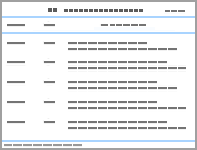
Summary of controls and treatments for the 149 experimental materials"

发芽率
Germination rate
最大值
Maximum (%)
最小值
Minimum (%)
平均值
Mean (%)
标准差
SD
变异系数
CV (%)
CK 100.00 16.00 81.00 0.14 17.3
WS 100.00 0.00 39.22 0.29 73.8

Fig. 1

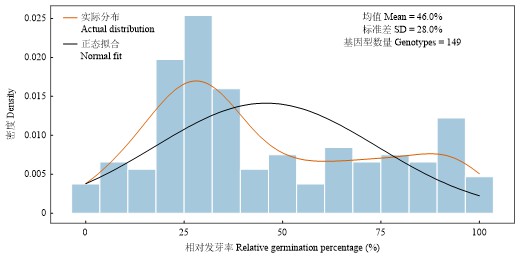
Phenotypic variation and frequency distribution of relative germination percentage (RGP) at the germination stage of 149 common wheat germplasms"

Fig. 2

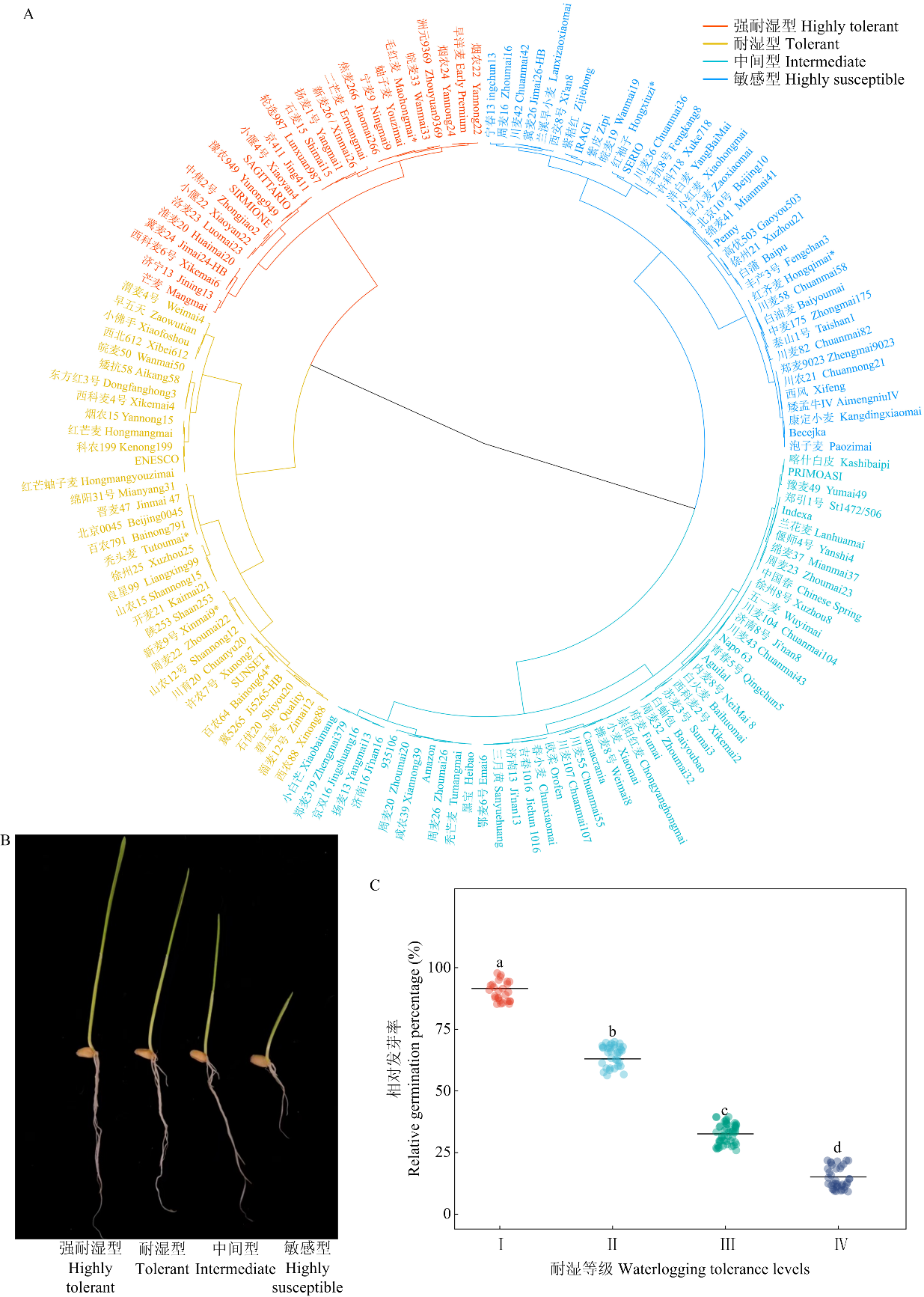
Hierarchical clustering and phenotypic characterization of waterlogging tolerance in wheat germplasm A: Circular dendrogram of hierarchical clustering for 149 wheat accessions; B: Morphological comparison of representative seedlings from the four tolerance categories after 72 h of waterlogging stress; C: Boxplot validation of the clustering groups based on RGP values. Different lowercase letters indicate significant differences at P<0.05"

Fig. 3

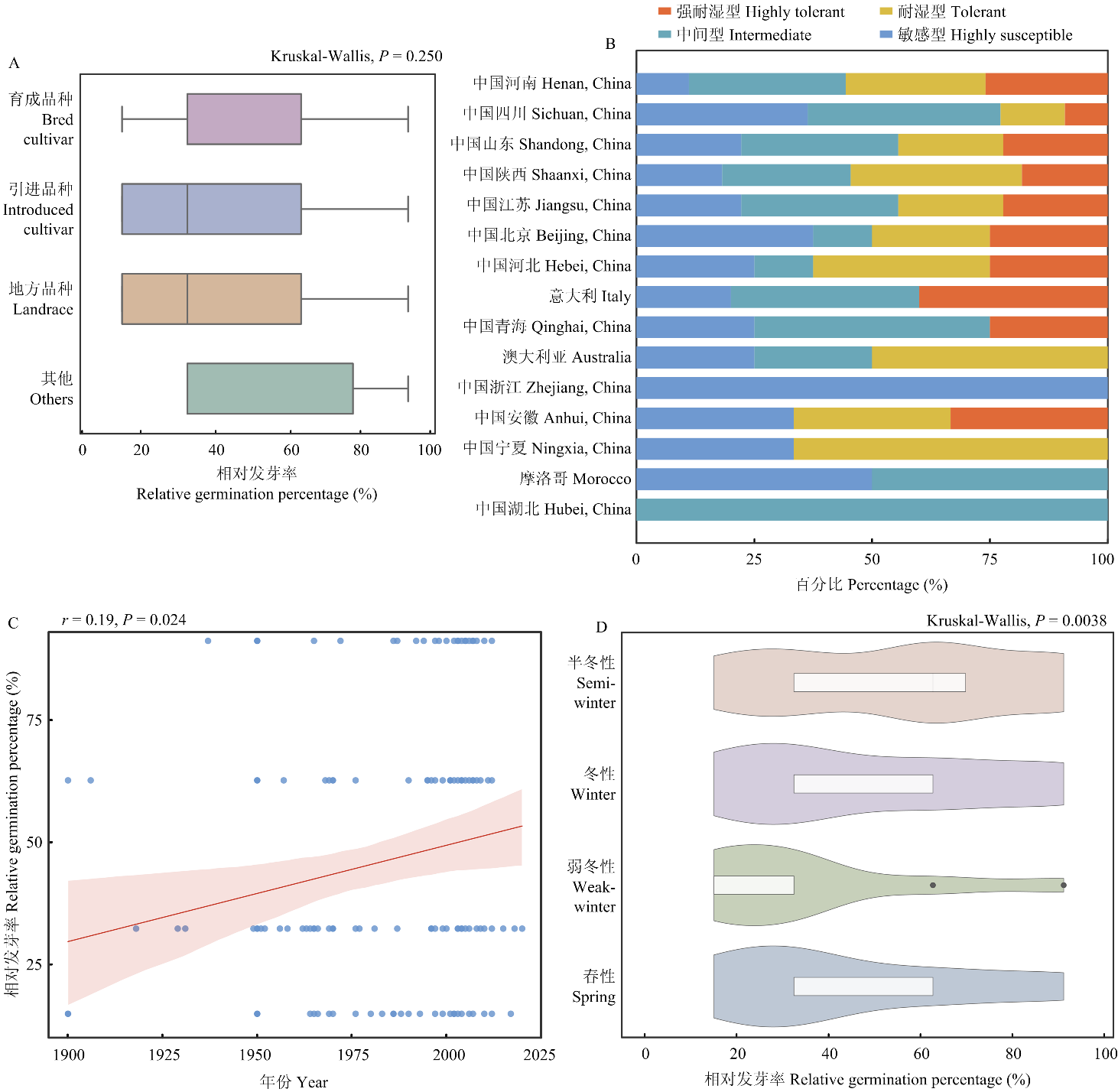
Spatiotemporal distribution and ecological differentiation of waterlogging tolerance in 149 wheat assessions A: Distribution of RGP among different germplasm types; B: Proportion of different waterlogging tolerance classes across geographic origins; C: Temporal trend of waterlogging tolerance in bred cultivars released from 1900 to 2020, with the red line indicating the linear regression fit and the shaded area indicating the 95% confidence interval; D: Violin plots showing the distribution of RGP among different growth habits"

Fig. 4

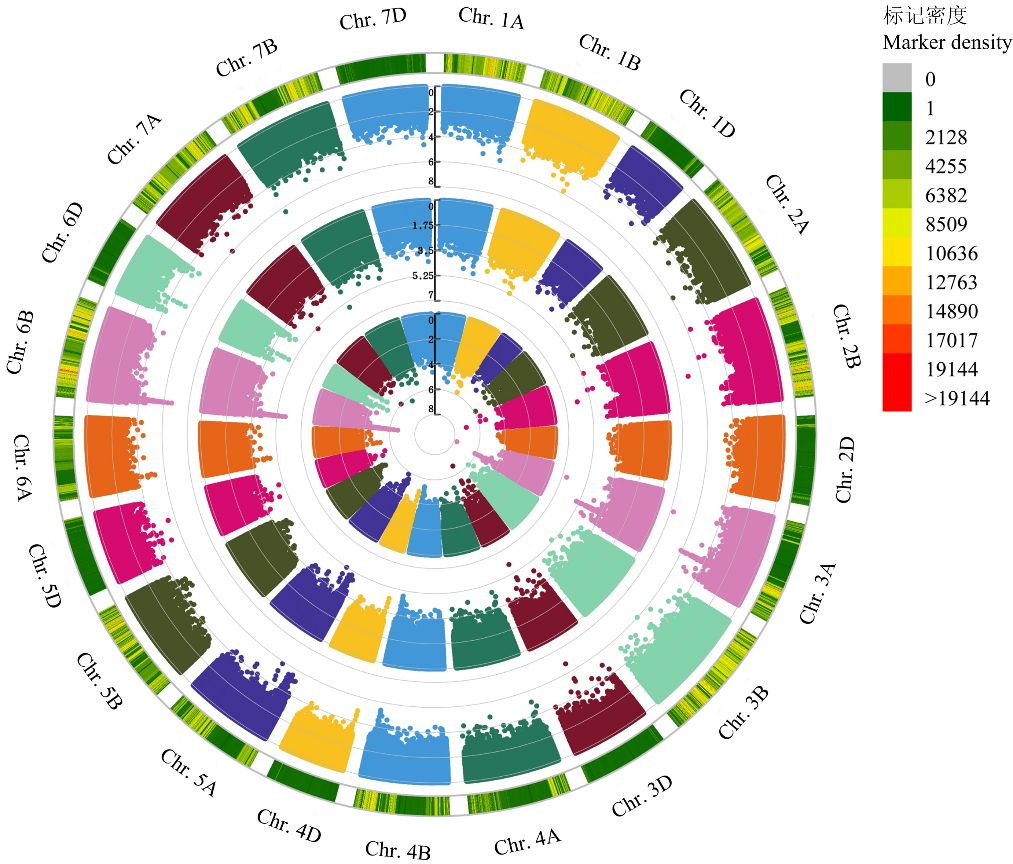
Circular Manhattan plot of genome-wide association study for waterlogging tolerance based on RGP in wheat The outermost heatmap represents SNP density along each chromosome, with colors ranging from green to red from low to high density. The inner scatter plots indicate association strength under different models (e.g. GLM, MLM and FarmCPU), and the radial axis represents -log10(P) values"

Table 2

Chromosomal distribution and significance tests of SNP markers associated with waterlogging tolerance"

序号
Number
染色体
Chromosome
物理位置
Physical position (Mb)
参考等位基因
Reference allele
变异等位基因
Alternative allele
P值的负对数
Negative logarithm of P-value
1 Chr.3D 347.77 G T 7.174
2 Chr.6B 50.24 T C 6.030
3 Chr.3A 563.96 G GAATCAAGTGATTCAT 6.027
4 Chr.6B 51.26 T A 5.991
5 Chr.6B 51.14 C G 5.981
6 Chr.3B 446.59 GCCCC GCC 5.948
7 Chr.1B 533.89 G A 5.933
8 Chr.3A 572.53 T C 5.870
9 Chr.6B 50.49 A G 5.860
10 Chr.6B 50.49 G T 5.860
11 Chr.6B 50.49 C G 5.860
12 Chr.6B 51.07 CT C 5.860
13 Chr.6B 51.13 C T 5.794
14 Chr.6B 50.66 A G 5.788
15 Chr.6B 50.22 A G 5.746
16 Chr.2A 592.68 C A 5.703
17 Chr.6B 50.74 C A 5.693
18 Chr.6B 50.66 A AG 5.693
19 Chr.6B 50.49 C G 5.693
20 Chr.3B 437.06 T G 5.659
21 Chr.5A 218.24 A G 5.644
22 Chr.3B 436.62 G A 5.626
23 Chr.6B 51.14 T C 5.601
24 Chr.6B 51.14 T C 5.601
25 Chr.6B 51.14 T C 5.601
26 Chr.6B 51.14 AGTGGTAAT A 5.601
27 Chr.3A 557.73 G C 5.597
28 Chr.6B 50.70 GA GAAA 5.591
29 Chr.6B 51.26 C T 5.588
30 Chr.6B 50.34 C T 5.574

Fig. 5

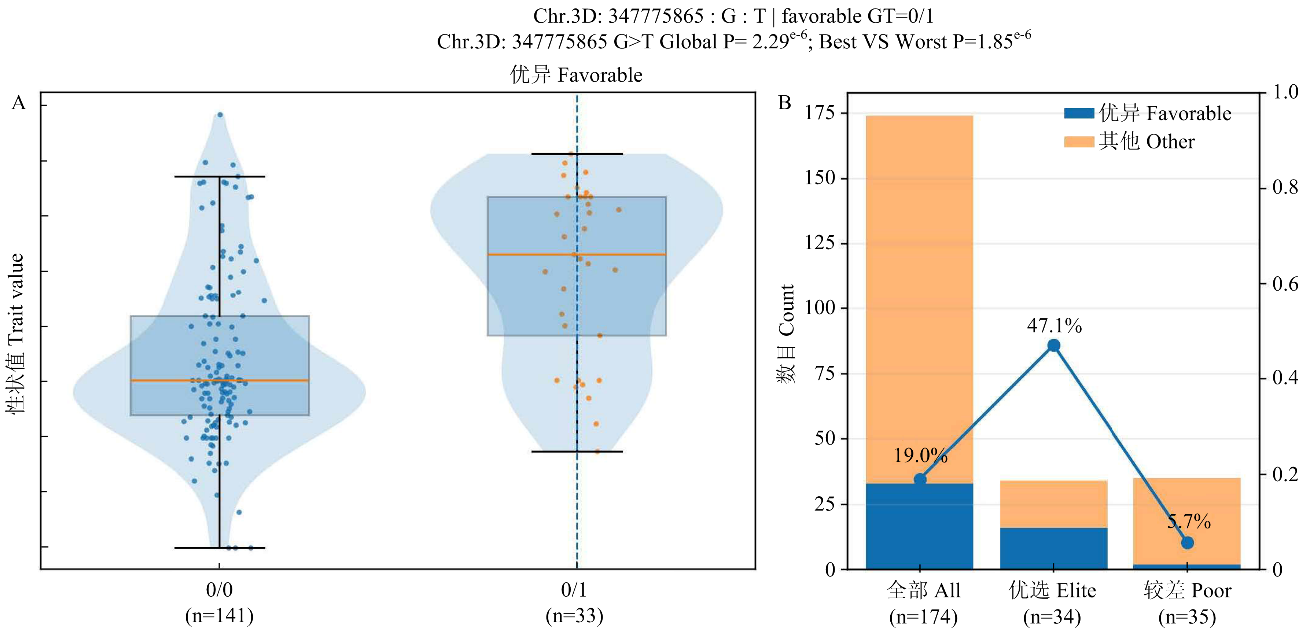
Significant phenotypic effect of the lead SNP on chromosome 3D and its enrichment in elite germplasm A: Box plot of phenotypic differences among different genotypes at the major effect locus Chr.3D: 347775865; B: Frequency of the favorable genotype across the whole population (All)"

Fig. 6

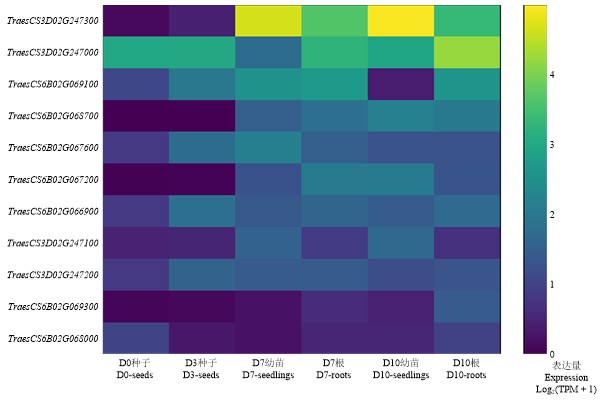
Transcriptome heatmap of highly expressed genes from the 3D and 6B candidate intervals in Fielder under waterlogging across time points and tissues D0, D3, D7, D10 represent after 0 d, 3 d, 7 d and 10 d of waterlogging, respectively"

[1]
Shiferaw B, Smale M, Braun H J, Duveiller E, Reynolds M, Muricho G. Crops that feed the world 10. Past successes and future challenges to the role played by wheat in global food security[J]. Food Security, 2013, 5(3): 291-317.
[2]
World Meteorological Organization. State of the Global Climate 2024[R]. Geneva: WMO, 2025. https://wmo.int/publication-series/state-of-global-climate-2024.
[3]
Intergovernmental Panel on Climate Change. Climate Change 2021: The Physical Science Basis[M]. Cambridge: Cambridge University Press, 2021.
[4]
Setter T L, Waters I. Review of prospects for germplasm improvement for waterlogging tolerance in wheat, barley and oats[J]. Plant and Soil, 2003, 253(1): 1-34.
[5]
Fukao T, Barrera-Figueroa B E, Juntawong P, Peña-Castro J M. Submergence and waterlogging stress in plants: A review highlighting research opportunities and understudied aspects[J]. Frontiers in Plant Science, 2019, 10: 340.
[6]
Gibbs J, Greenway H. Review: Mechanisms of Anoxia tolerance in plants: I. Growth, survival and anaerobic catabolism[J]. Australian Journal of Plant Physiology, 2003, 30(1): 1-47.
[7]
Sasidharan R, Voesenek L A C J. Ethylene-mediated acclimations to flooding stress[J]. Plant Physiology, 2015, 169(1): 3-12.
[8]
Herzog M, Striker G G, Colmer T D, Pedersen O. Mechanisms of waterlogging tolerance in wheat: A review of root and shoot physiology[J]. Plant, Cell & Environment, 2016, 39(5): 1068-1086.
[9]
Zhou W J, Lin X Q. Effects of waterlogging at different growth stages on physiological characteristics and seed yield of winter rape (Brassica napus L.)[J]. Field Crops Research, 1995, 44(2/3): 103-110.
[10]
Ren B Z, Zhang J W, Dong S T, Liu P, Zhao B. Effects of waterlogging on leaf mesophyll cell ultrastructure and photosynthetic characteristics of summer maize[J]. PLoS ONE, 2016, 11(9): e0161424.
[11]
Malik A I, Colmer T D, Lambers H, Setter T L, Schortemeyer M. Short-term waterlogging has long-term effects on the growth and physiology of wheat[J]. New Phytologist, 2002, 153(2): 225-236.
[12]
Xie Q, Fernando K M C, Mayes S, Sparkes D L. Identifying seedling root architectural traits associated with yield and yield components in wheat[J]. Annals of Botany, 2017, 119(7): 1115-1129.
[13]
Manghwar H, Hussain A, Alam I, Khoso M A, Ali Q, Liu F. Waterlogging stress in plants: Unraveling the mechanisms and impacts on growth, development, and productivity[J]. Environmental and Experimental Botany, 2024, 224: 105824.
[14]
Bailey-Serres J, Lee S C, Brinton E. Waterproofing crops: Effective flooding survival strategies[J]. Plant Physiology, 2012, 160(4): 1698-1709.
[15]
Ding J F, Liang P, Wu P, Zhu M, Li C Y, Zhu X K, Gao D R, Chen Y L, Guo W S. Effects of waterlogging on grain yield and associated traits of historic wheat cultivars in the middle and lower reaches of the Yangtze River, China[J]. Field Crops Research, 2020, 246: 107695.
[16]
中国气象局. 2025年华西秋雨已开启较常年偏早8天[EB/OL]. (2025-09-05) [2026-01-31]. https://www.cma.gov.cn/2011xwzx/2011xqxxw/2011xqxyw/202509/t20250905_7318572.html.
China Meteorological Administration. The autumn rains in Southwest China have begun 8 days earlier than usual for 2025[EB/OL]. (2025-09-05) [2026-01-31]. https://www.cma.gov.cn/2011xwzx/2011xqxxw/2011xqxyw/202509/t20250905_7318572.html. (in Chinese)
[17]
全国农业技术推广服务中心, 农业农村部小麦专家指导组. 黄淮海小麦应对连阴雨抗湿晚播技术意见[EB/OL]. (2025-10-07) [2026-01-31]. https://www.moa.gov.cn/xw/zwdt/202510/t20251006_6477947.htm.
National Center for Agricultural Technology Promotion, Expert Group on Wheat, Ministry of Agriculture and Rural Affairs. Recommendations on wheat cultivation techniques for dealing with prolonged rainy and wet conditions and late planting[EB/OL]. (2025-10-07). [2026-01-31]. https://www.moa.gov.cn/xw/zwdt/202510/t20251006_6477947.htm. (in Chinese)
[18]
今日头条. 紧急提醒!“一根针”“土里捂” 地块, 风险翻倍,补救还来得及![EB/OL]. (2025-12-15) [2026-01-31]. https://www.toutiao.com/article/7584028853895479858/.
Toutiao. Urgent reminder! The risk doubles for "Yigenzhen" (single- needle seedling) and "Tuliwu" (mud-buried) fields, but remedies are still in time![EB/OL]. (2025-12-15) [2026-01-31]. https://www.toutiao.com/article/7584028853895479858/. (in Chinese)
[19]
Cannell R Q, Belford R K, Gales K, Dennis C W, Prew R D. Effects of waterlogging at different stages of development on the growth and yield of winter wheat[J]. Journal of the Science of Food and Agriculture, 1980, 31(2): 117-132.
[20]
Daniel K, Hartman S. How plant roots respond to waterlogging[J]. Journal of Experimental Botany, 2024, 75(2): 511-525.
[21]
李继军, 陈雅慧, 周志华, 王艺瑾, 姚璇, 郭亮. 植物对涝渍胁迫的适应机制研究进展[J]. 植物科学学报, 2023, 41(6): 835-846.
Li J J, Chen Y H, Zhou Z H, Wang Y J, Yao X, Guo L. Research progress on mechanisms of plant adaptation to flooding stress[J]. Plant Science Journal, 2023, 41(6): 835-846. (in Chinese)
[22]
蔡博伟, 田文涛, 王晓玲. 芽苗期小麦耐渍品种的筛选[J]. 河南农业科学, 2015, 44(4): 52-57.
Cai B W, Tian W T, Wang X L. Screening of wheat varieties tolerant to waterlogging at bud-seedling stage[J]. Journal of Henan Agricultural Sciences, 2015, 44(4): 52-57. (in Chinese)
[23]
陆雨. 耐低温和渍水小麦品种筛选及生理机制研究[D]. 武汉: 华中农业大学, 2022.
Lu Y. Studies on selection and physiological mechanism of wheat varieties tolerant to low temperature and waterlogging[D]. Wuhan: Huazhong Agricultural University, 2022. (in Chinese)
[24]
郑文寅, 黄园园, 胡泽林, 周贺杰, 汪辉, 张梦祺. 小麦种质资源萌发吸胀期耐湿性评价及筛选[J]. 麦类作物学报, 2021, 41(6): 704-712.
Zheng W Y, Huang Y Y, Hu Z L, Zhou H J, Wang H, Zhang M Q. Verification and identification of waterlogging tolerance at imbibition stage in wheat germplasm[J]. Journal of Triticeae Crops, 2021, 41(6): 704-712. (in Chinese)
[25]
Shen C W, Yuan J P, Qiao H, Wang Z J, Liu Y H, Ren X J, Wang F, Liu X, Zhang Y, Chen X L, Ou X Q. Transcriptomic and anatomic profiling reveal the germination process of different wheat varieties in response to waterlogging stress[J]. BMC Genetics, 2020, 21(1): 93.
[26]
Yavas I, Unay A, Aydin M. The waterlogging tolerance of wheat varieties in western of Turkey[J]. The Scientific World Journal, 2012, 2012: 529128.
[27]
郑殿升. 中国作物遗传资源的多样性[J]. 中国农业科技导报, 2000, 2(2): 45-49.
Zheng D S. Diversity of crop genetic resources in China[J]. Journal of Agricultural Science and Technology, 2000, 2(2): 45-49. (in Chinese)
[28]
Chi H Y, Ou S L, Wang M C, Yang C Y. Physiological responses and Ethylene-Response AP2/ERF Factor expression in Indica rice seedlings subjected to submergence and osmotic stress[J]. BMC Plant Biology, 2023, 23(1): 372.
[29]
Mudasir M, Shahzad A. Decoding plant responses to waterlogging: From stress signals to molecular mechanisms and their future implications[J]. Plant Molecular Biology, 2025, 115(4): 78.
[30]
龙雪燕, 林钗, 薛逸琳, 闫道良, 章建红, 郑炳松. 植物AP2/ERF转录因子在应对水淹胁迫中的作用研究进展[J]. 浙江林业科技, 2025, 45(2): 119-126.
Long X Y, Lin C, Xue Y L, Yan D L, Zhang J H, Zheng B S. Research progress on the role of plant AP2/ERF transcription factors in response to flooding stress[J]. Journal of Zhejiang Forestry Science and Technology, 2025, 45(2): 119-126. (in Chinese)
[31]
Xu K N, Xu X, Fukao T, Canlas P, Maghirang-Rodriguez R, Heuer S, Ismail A M, Bailey-Serres J, Ronald P C, MacKill D J. Sub1A is an ethylene-response-factor-like gene that confers submergence tolerance to rice[J]. Nature, 2006, 442(7103): 705-708.
[32]
Gibbs D J, Lee S C, Md Isa N, Gramuglia S, Fukao T, Bassel G W, Correia C S, Corbineau F, Theodoulou F L, Bailey-Serres J, Holdsworth M J. Homeostatic response to hypoxia is regulated by the N-end rule pathway in plants[J]. Nature, 2011, 479(7373): 415-418.
[33]
Gibbs D J, Conde J V, Berckhan S, Prasad G, Mendiondo G M, Holdsworth M J. Group VII ethylene response factors coordinate oxygen and nitric oxide signal transduction and stress responses in plants[J]. Plant Physiology, 2015, 169(1): 23-31.
[34]
Sun M H, Yang Z, Liu L, Duan L. DNA methylation in plant responses and adaption to abiotic stresses[J]. International Journal of Molecular Sciences, 2022, 23(13): 6910.
[35]
Anee T I, Sewelam N A, Bautista N S, Hirayama T, Suzuki N. Roles of ROS and NO in plant responses to individual and combined salt stress and waterlogging[J]. Antioxidants, 2025, 14(12): 1455.
[36]
Lu Y F, Tang H Q, Di L J, Yerkinkazhina Y, Su J J, Tang M, Qian J Q, Zeng R S, Shu Y X, He X K, Yang H, Zhang J, Tian Y, Zhu Q, Zhang L Y, Wang Y Q, Ni D C, Pei X H, Zhao Y, Leung C H, et al. WDFY2 promotes MRN complex formation required for homologous recombination-mediated DNA repair[J]. Cell Reports, 2025, 44(11): 116520.
[37]
Ji L X, Zhang Z F, Liu S, Zhao L Y, Li Q, Xiao B Z, Suzuki N, Burks D J, Azad R K, Xie G S. The OsTIL1 lipocalin protects cell membranes from reactive oxygen species damage and maintains the 18: 3-containing glycerolipid biosynthesis under cold stress in rice[J]. The Plant Journal, 2024, 117(1): 72-91.
[38]
Zhang W X, Wang H O, Bai Q, Li X T. Lipocalin-mediated organophosphate esters (OPEs) active uptake and accumulation in rice (Oryza sativa L.)[J]. Environmental and Experimental Botany, 2022, 200: 104910.
[1] PENG TingShen, LU JiuYan, WU MeiLin, YAN YuXin, LIU HongZhou, NAN WenBin, QIN XiaoJian, LI Ming, GONG JunYi, LIANG YongShu. QTL Analysis of Yield-Related Traits in Both Huangnuo2# and Changbai7# of Perennial Chinese Rice [J]. Scientia Agricultura Sinica, 2026, 59(7): 1361-1379.
[2] YE MeJin, WU Lei, MD NAHIBUZZAMAN Lohani, YIN Li, HU XinRong, LIU YaXi, JIANG YunFeng, CHEN GuoYue, PU ZhiEn, LI Yang, LI Ting, ZOU YaYa, WU JiaYi, MA Jian. Genome-Wide Association Study-Based Identification of Loci Controlling Mature Embryo Size in Chinese Wheat Landraces and Their Genetic Effects Analysis [J]. Scientia Agricultura Sinica, 2026, 59(6): 1157-1171.
[3] YANG LiJuan, CHEN SiYu, ZHAO Wei, ZHU Ling, GUO Lei, MA LiNa, MA RuiMin, ZHANG Juan. Whole-Genome Resequencing Reveals the Genetic Mechanisms Underlying Feather Coloration in Jingyuan Chicken [J]. Scientia Agricultura Sinica, 2026, 59(6): 1348-1360.
[4] WANG YongSheng, NIU Li, WANG ChangJie, MA LiHua, LIAN XiaoXiao, MENG YaXiong, MA XiaoLe, YAO LiRong, ZHANG Hong, YANG Ke, LI BaoChun, WANG HuaJun, SI ErJing, WANG JunCheng. Genome-Wide Association Study and Candidate Gene Identification for Thousand Grain Weight in Winter Wheat [J]. Scientia Agricultura Sinica, 2026, 59(3): 499-514.
[5] ZHANG HuaYao, TANG YangJun, CHEN JianJun, LÜ Yan, XU Rong, ZENG Liu, YI JianPing, LUO Dan, LIU ShengYi, CHENG Yong, ZHANG YuanYuan, ZOU XiLing. Construction of Comprehensive Evaluation System for Waterlogging Tolerance at the Germination Stage and Screening of Elite Germplasm in Brassica napus L. [J]. Scientia Agricultura Sinica, 2026, 59(22): 4962-4975.
[6] MAO Juan, LI Wen, ZENG FanRong, QIN Yuan, WU XiaoJian. Screening of 240 Barley Accessions for Waterlogging Tolerance [J]. Scientia Agricultura Sinica, 2026, 59(22): 4990-5005.
[7] YANG HuiJuan, LIU YiFan, YU XiaoMan, HUANG DanLin, CHEN DanDan, SHU YaZhou, WEI Hua, HE HuiYing, SHANG LianGuang, YUAN QiaoLing. Identification of QTLs and Exploration of Candidate Genes Conferring Anaerobic Germination Tolerance in Rice [J]. Scientia Agricultura Sinica, 2026, 59(19): 4208-4220.
[8] GUAN PanFeng, LI MengXin, WAN ZiDong, GE Shuai, WANG XinYan, CUI DongJie, CHI Qing, SUN Hao, MA RuoNan, LI Bing, XU HangBo, ZHANG ShiJie, GUO ShuQing, LU JiaLing, JIAO Zhen, ZHU YuPan, WEI WenHui. QTL Mapping and Candidate Gene Analysis of Flag Leaf Size in Common Wheat (Triticum aestivum L.) [J]. Scientia Agricultura Sinica, 2026, 59(18): 3949-3972.
[9] JIANG Jing, WANG GaoFu, SUN XiaoYan, LI Jie, CHEN CanCan, LIU LiangJia, LIU HongYu, LI NianFu, REN HangXing, LÜ ShiPeng. Genome-Wide Association Analysis of Dorsal Black Stripe Trait in Youzhou Dark Goat [J]. Scientia Agricultura Sinica, 2026, 59(17): 3920-3932.
[10] REN MinPeng, ZHANG XiFei, GE HuaLiang, GENG LiYing, LI XiangLong, YU BaoJun, WANG KunYang, ZHANG ChuanSheng. Identification of Candidate Genes Associated with Black-Tailed and White-Tailed Plumage Traits in B380 Chickens Based on Multi- Omics Analysis [J]. Scientia Agricultura Sinica, 2026, 59(16): 3673-3686.
[11] FENG YaQing, SUN YaHan, ZHOU QiaoHui, LIN Peng, LI JiaYi, WANG HuiShen, LIU Tao, LIU ZhanDe, WANG NanNan. Screening Evaluation and Physiological Difference Analysis of Kiwifruit Germplasm Resources for Tolerance to Combined Stress of Iron Deficiency and Waterlogging [J]. Scientia Agricultura Sinica, 2026, 59(15): 3387-3399.
[12] MAO JiaQi, WU BangBang, ZHAO JiaJia, HAO YuQiong, ZHENG XingWei, WU JianHui, ZENG QingDong, LIU MinJie, ZHENG Jun. Evaluation of Rust Resistance in the Seedling Stage of Wheat Varieties and Disease-Resistant Gene Detection in Shanxi Province, China [J]. Scientia Agricultura Sinica, 2026, 59(14): 3006-3021.
[13] YE MeiJin, WANG TongZhu, CHEN Bin, LOHANI Md Nahibuzzaman, CHEN JiaTing, HU XinRong, YIN Li, WANG Chao, ZHANG HaoPeng, YANG Xia, WANG JiaLin, YAO QiFu, DING PuYang, WANG Feng, LI XiaoYu, MA Jian. Genetic Dissection of Stem Internode Length and Its Effects in Wheat Based on a Genome-Wide Association Study [J]. Scientia Agricultura Sinica, 2026, 59(12): 2551-2562.
[14] WANG HuiLing, WANG XiaoYue, YAN AiLing, LIU ZhenHua, REN JianCheng, LU HaoCheng, SUN Lei. Research Progress in Genetic Characteristics and Loci Mapping for Grape Berry Quality Traits [J]. Scientia Agricultura Sinica, 2026, 59(11): 2447-2467.
[15] LIU ZhiYu, CHEN YiJie, YU Huan, SHEN MaoTing, QIU LiJuan, WANG Jun. QTL Mapping and Genomic Selection of Stay-Green in Soybean (Glycine max L.) [J]. Scientia Agricultura Sinica, 2026, 59(10): 2075-2087.
Viewed
Full text


Abstract

Cited

  Shared   
  Discussed   
No Suggested Reading articles found!