Scientia Agricultura Sinica ›› 2026, Vol. 59 ›› Issue (18): 3989-4003.doi: 10.3864/j.issn.0578-1752.2026.18.003

• TILLAGE & CULTIVATION·PHYSIOLOGY & BIOCHEMISTRY·AGRICULTURE INFORMATION TECHNOLOGY • Previous Articles     Next Articles

Wheat Adaptability Evaluation and Identification of High-Yield and Stable-Yield Cultivars Based on Time-Series Multi-Temporal Canopy Spectroscopy

YU LiQiang1(), YAO DongZe1,2(), FEI ShuaiPeng2, LI HuiLi1, GUO XianRui1,2, YAO DanYu2, ZHANG HongJun1,2, ZHOU Yang1,2, XIAO YongGui1,2()   

  1. 1 Zhaoxian Experimental Base, Shijiazhuang Academy of Agriculture and Forestry Sciences, Zhaoxian 051530, Hebei
    2 Institute of Crop Sciences, Chinese Academy of Agricultural Sciences/National Key Laboratory of Crop Gene Resources and Breeding/Crop Molecular Breeding Engineering Laboratory, Beijing 100081
  • Received:2026-01-27 Accepted:2026-06-11 Online:2026-09-16 Published:2026-09-20
  • Contact: XIAO YongGui

Abstract:

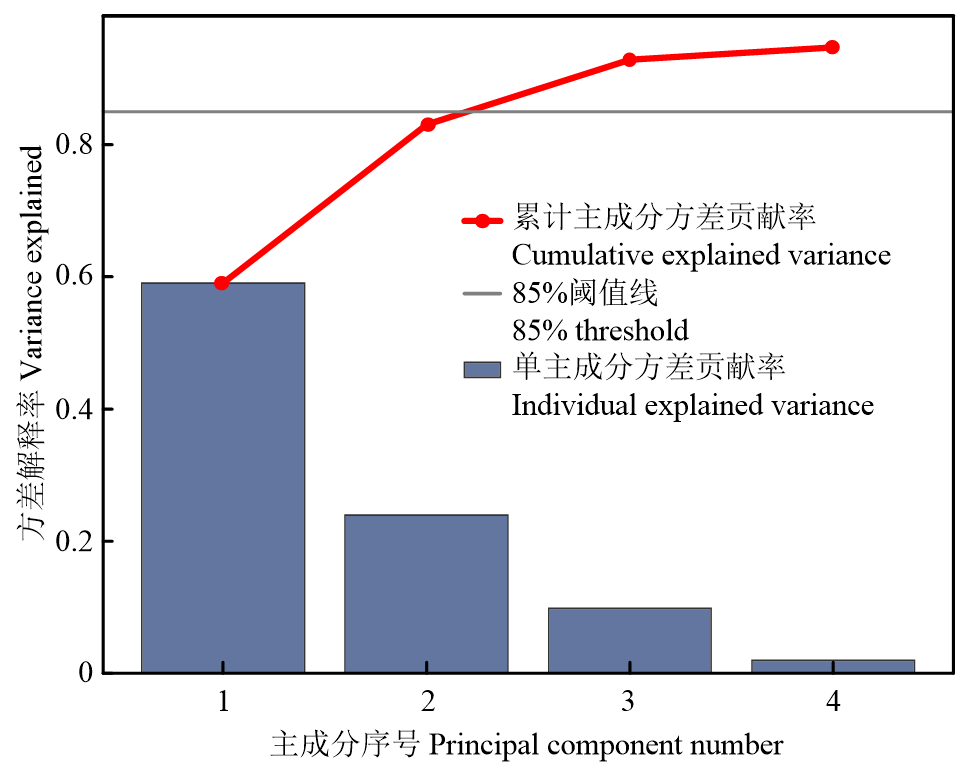
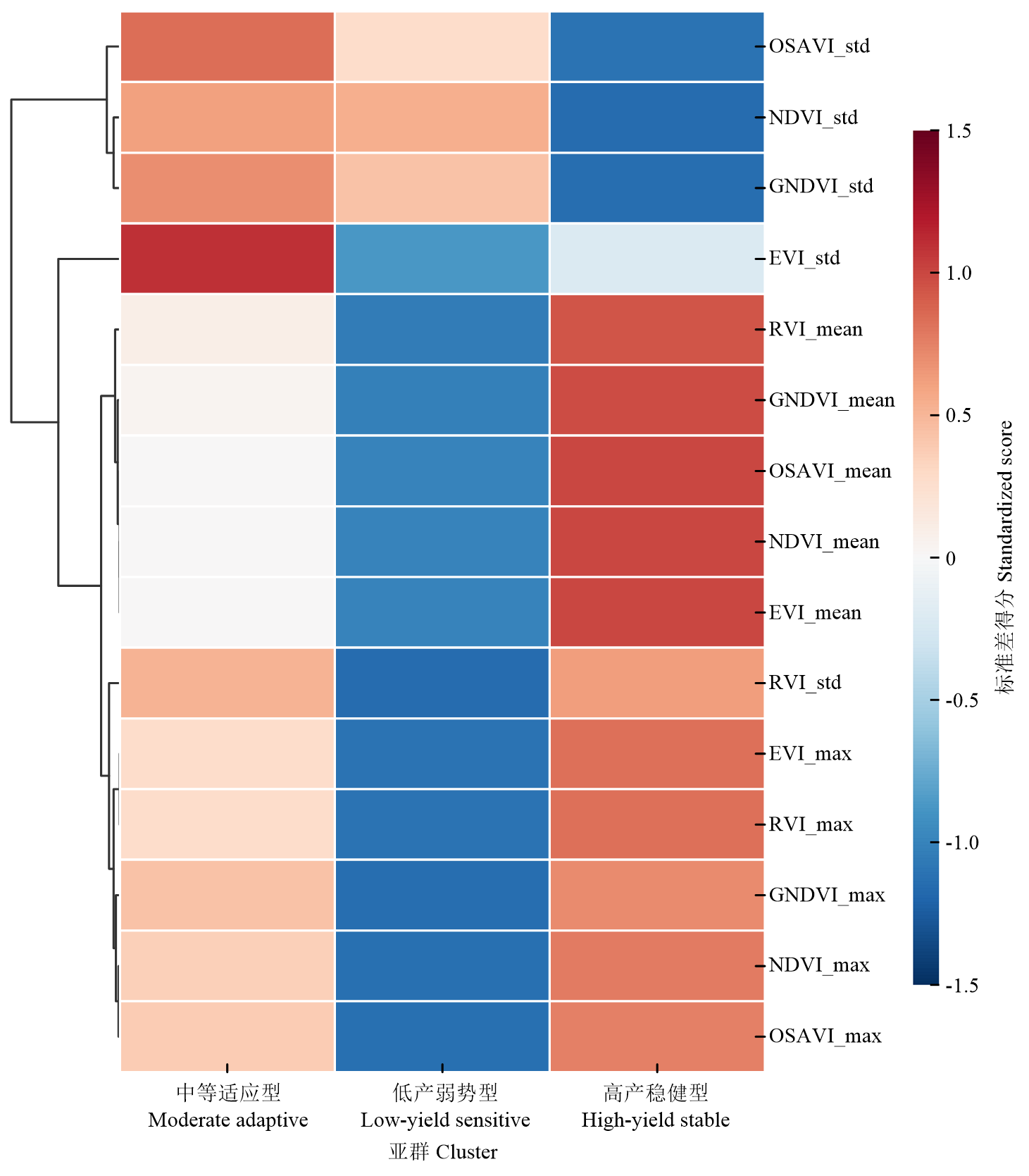
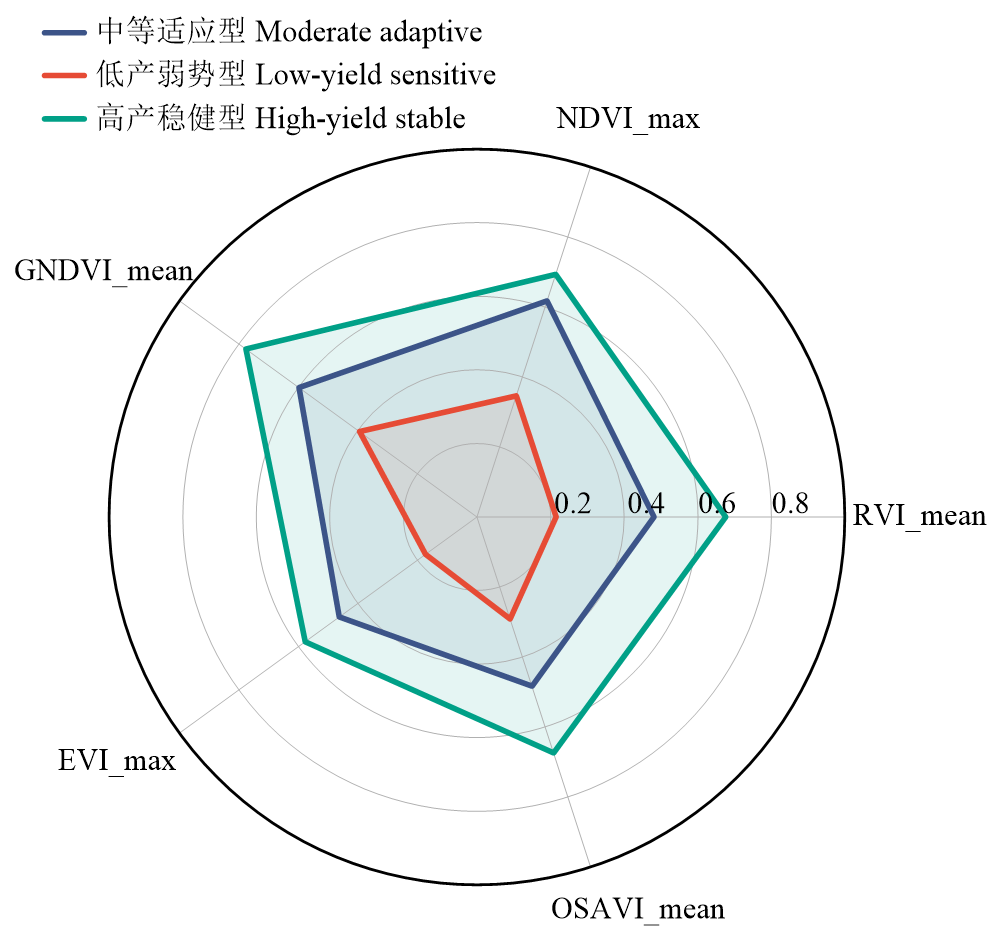
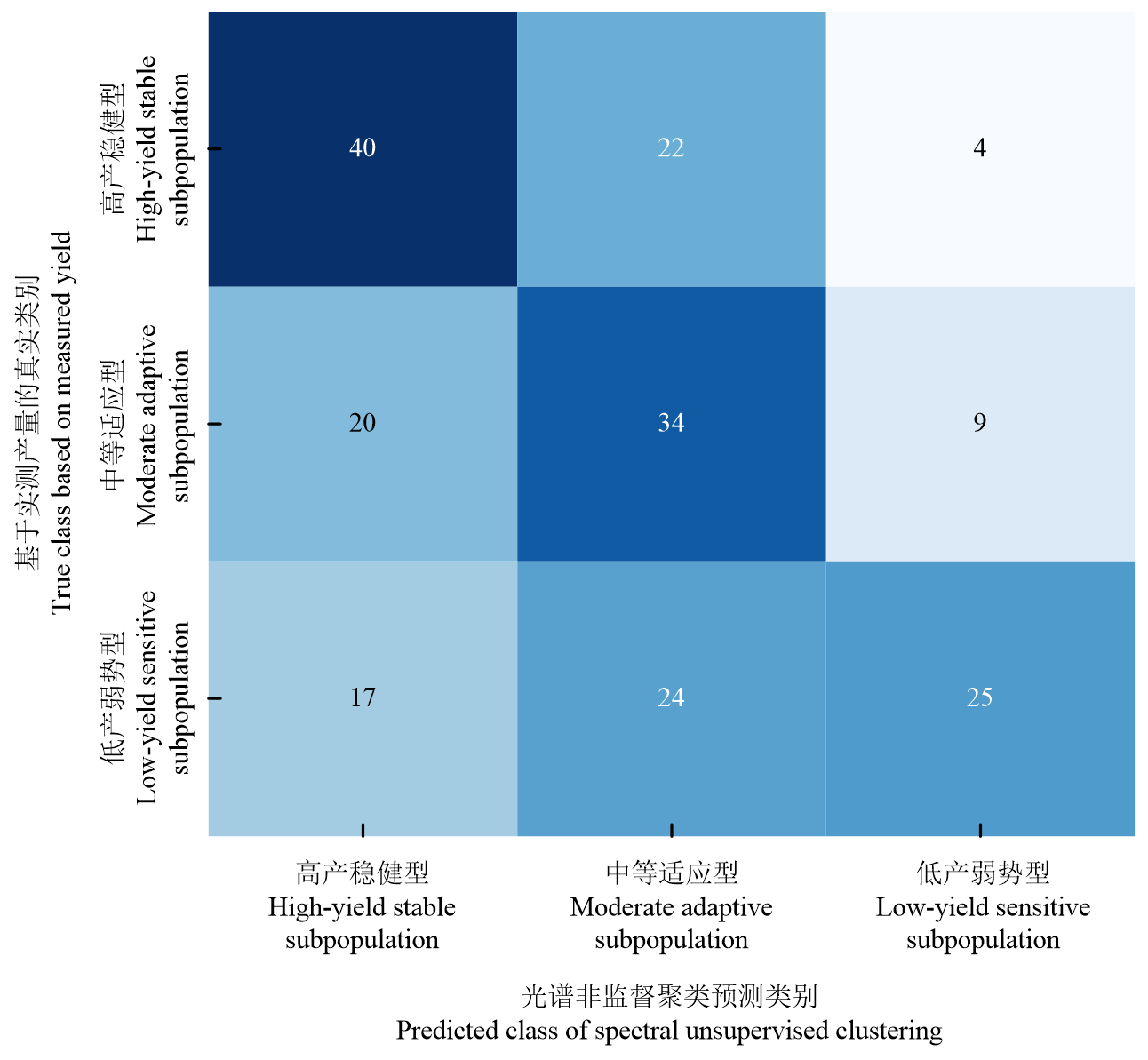
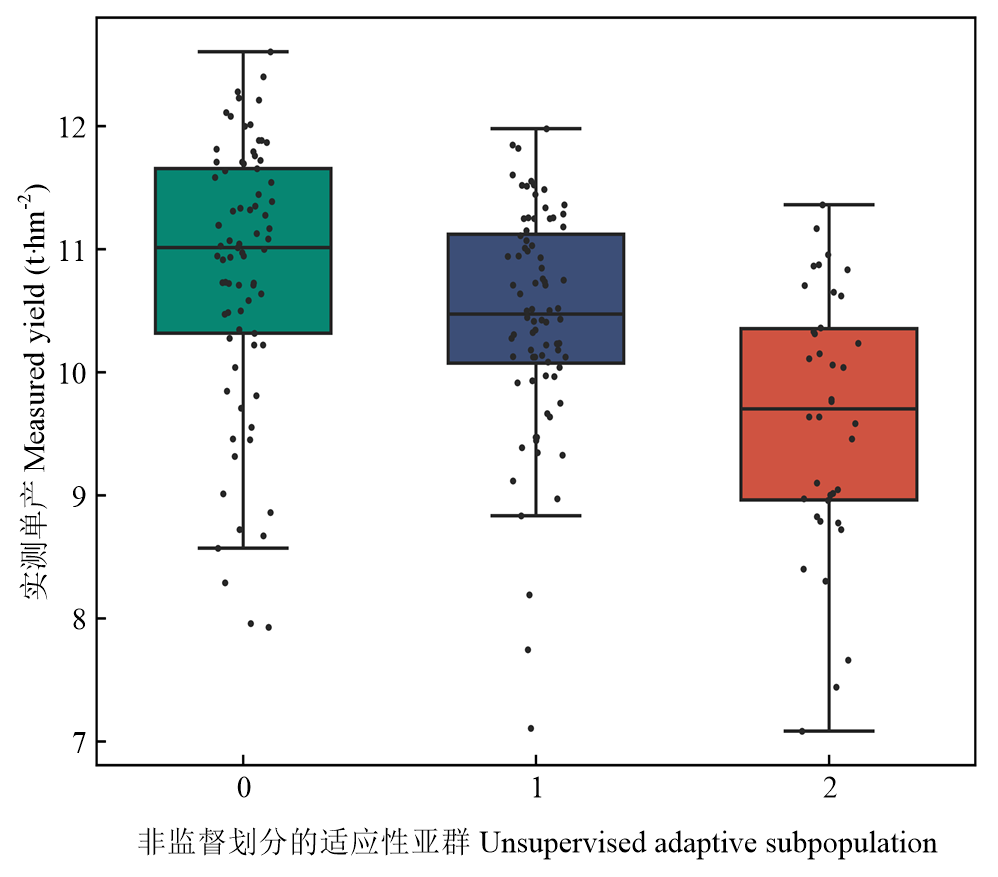
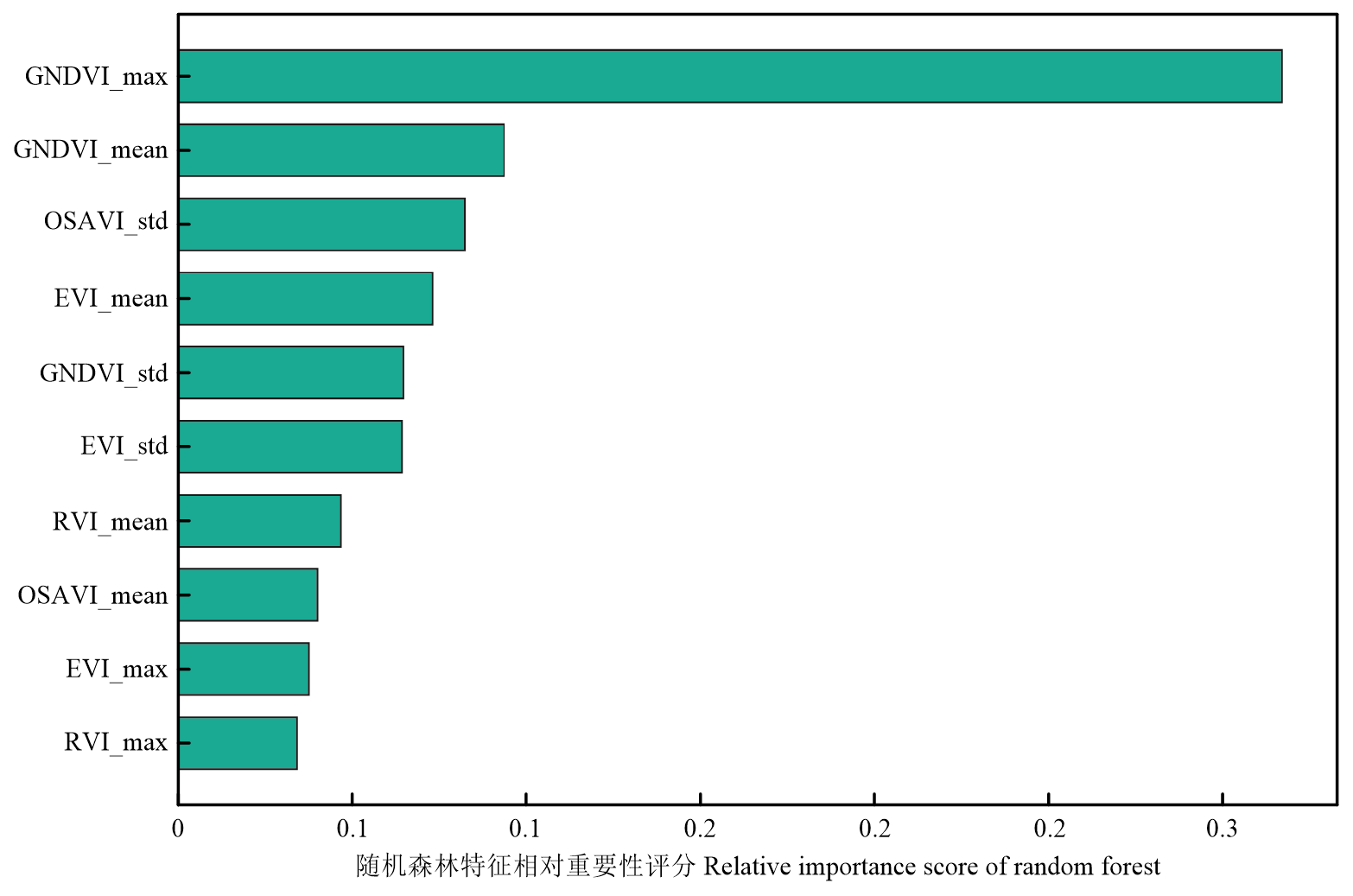
【Objective】Aiming at the problem that traditional single-temporal spectroscopy is difficult to accurately acquire time-series dynamic phenotyping throughout the whole wheat growth period and has insufficient capability for evaluating high-yield and stable-yield potential, this study integrates the full-growth-period time-series hyperspectral features with the Stacking ensemble learning algorithm to construct a method for evaluating and selecting wheat germplasm with stable yield potential, which takes into account both qualitative classification and quantitative yield estimation.【Method】This study selected 100 winter wheat genotypes as test materials. Canopy hyperspectral images were collected at 16 key growth stages over two consecutive years (2022-2023 and 2023-2024). The temporal mean (cumulative photosynthetic potential), standard deviation (stay-green stability) and maximum value (maximum growth potential) of the time-series spectral vegetation indices were calculated. A 21-dimensional feature space containing temporal statistical features and interaction features was constructed for dimensionality reduction and information enrichment. After applying within-year standardization to eliminate annual sensor and environmental drift, the K-Means algorithm (K=3) was applied to classify 195 valid variety-year samples under an unsupervised framework. On this basis, a stacking ensemble regression model was trained on 92 samples from the first year to predict the yield of 98 unseen genotypes in the second year (Leave-One-Year-Out validation), with Variance Inflation applied to address the regression toward the mean problem.【Result】The principal components analysis (PCA) results showed that the first two PCs successfully interpreted cumulative photosynthetic potential and growth stability, with a cumulative variance contribution rate exceeding 85%. The subsequent K-means clustering classified the varieties into three categories: high-yield and stable-yield, general adaptability and low-yield sensitive. Subgroup-level yield variance analysis showed highly significant differences in measured plot yield among the three groups (F=17.83, P=7.91×10⁻⁸), and the average plot yield of the high-yield stable-yield group was 17.61% higher than that of the low-yield sensitive group. Evaluated against within-year yield tertiles as ground truth, the overall classification accuracy (OA) reached 50.77% (Kappa=0.263), and the safety retention rate for high-yielding genotypes reached 93.94%, confirming that this unsupervised framework could effectively identify and eliminate low-performing germplasm. Feature analysis showed that whole-growth-period GNDVI and OSAVI contributed highly to evaluating the high-yielding groups. This physiologically explained that green and red-edge bands had stronger canopy penetration than the red band, effectively overcoming the saturation limitation of traditional NDVI under high canopy closure in the mid-to-late growth stages. In the cross-year independent validation, the predicted yields were significantly correlated with the measured yields (r=0.51, P=1.99×10⁻⁷, RMSE=0.38 t·hm-2), and the prediction slope was successfully adjusted to 0.31.【Conclusion】This study verified the effectiveness of time-series dynamic canopy spectroscopy in identifying stable and high-yielding wheat genotypes, and proposed a breeding decision-making framework combining qualitative screening with quantitative ranking, which provided a methodological reference for germplasm selection.

Key words: winter wheat, canopy hyperspectral, whole growth period, adaptability evaluation, yield prediction, ensemble learning

Fig. 1

Overview of study location, field trial, UAV hyperspectral platform and plot canopy reflectance extraction workflow A: Custom experimental layout; B: Overview of the field experiment; C: DJI M600 PRO UAV equipped with Cubert UHD S185; D: Canopy reflectance extraction of experimental plots using ArcGIS 10.8"

Table 1

Comparison of key phenological dates between the 2022-2023 and 2023-2024 growing seasons"

序号
No.
生育时期
Growth stage
日期 Date 差异
Difference
2023-2024 2024-2025
1 拔节期 Jointing stage 04-08 04-05 -3 d
2 孕穗期 Booting stage 04-19 04-17 -2 d
3 抽穗期 Heading stage 04-25 04-25 0 d
4 开花期 Anthesis stage 04-29 05-01 +2 d
5 籽粒形成期 Grain formation stage 05-07 05-09 +2 d
6 灌浆初期 Early grain-filling stage 05-12 05-13 +1 d
7 灌浆中期 Mid grain-filling stage 05-18 05-18 0 d
8 灌浆后期Late grain-filling stage 05-24 05-23 -1 d

Table 2

Vegetation index comparison table"

植被指数 Vegetation index 全称 Full name 计算公式 Formula
NDVI 归一化植被指数Normalized difference vegetation index (R800-R670)/(R800+R670)
EVI 增强型植被指数
Enhanced vegetation index
$\text{2.5}\times \frac{{\text{R}}_{\text{800}}{\text{-R}}_{\text{670}}}{{\text{R}}_{\text{800}}+{\text{6R}}_{\text{670}}{\text{-7.5R}}_{\text{450}}+\text{1}}$
RVI 比值植被指数Ratio vegetation index R800/R670
OSAVI 优化土壤调整植被指数
Optimized soil adjusted vegetation index
$\frac{{\text{R}}_{\text{800}}{\text{-R}}_{\text{670}}}{{\text{R}}_{\text{800}}+{\text{R}}_{\text{670}}+\text{0}.16}\times \text{(1}+\text{0.16)}$
GNDVI 绿波段归一化植被指数Green normalized difference vegetation index (R800-R550)/(R800+R550)
NDWI 归一化水体指数Normalized difference water index (R860-R1240)/(R860+R1240)
REPI 红边位置指数
Red edge position index
$\text{700}+\text{40}\times \frac{\text{(R670-R780})/2{\text{-R}}_{\text{700}}}{{\text{R}}_{\text{740}}{\text{-R}}_{\text{700}}}$

Fig. 2

Architecture of the Stacking ensemble prediction model"

Fig. 3

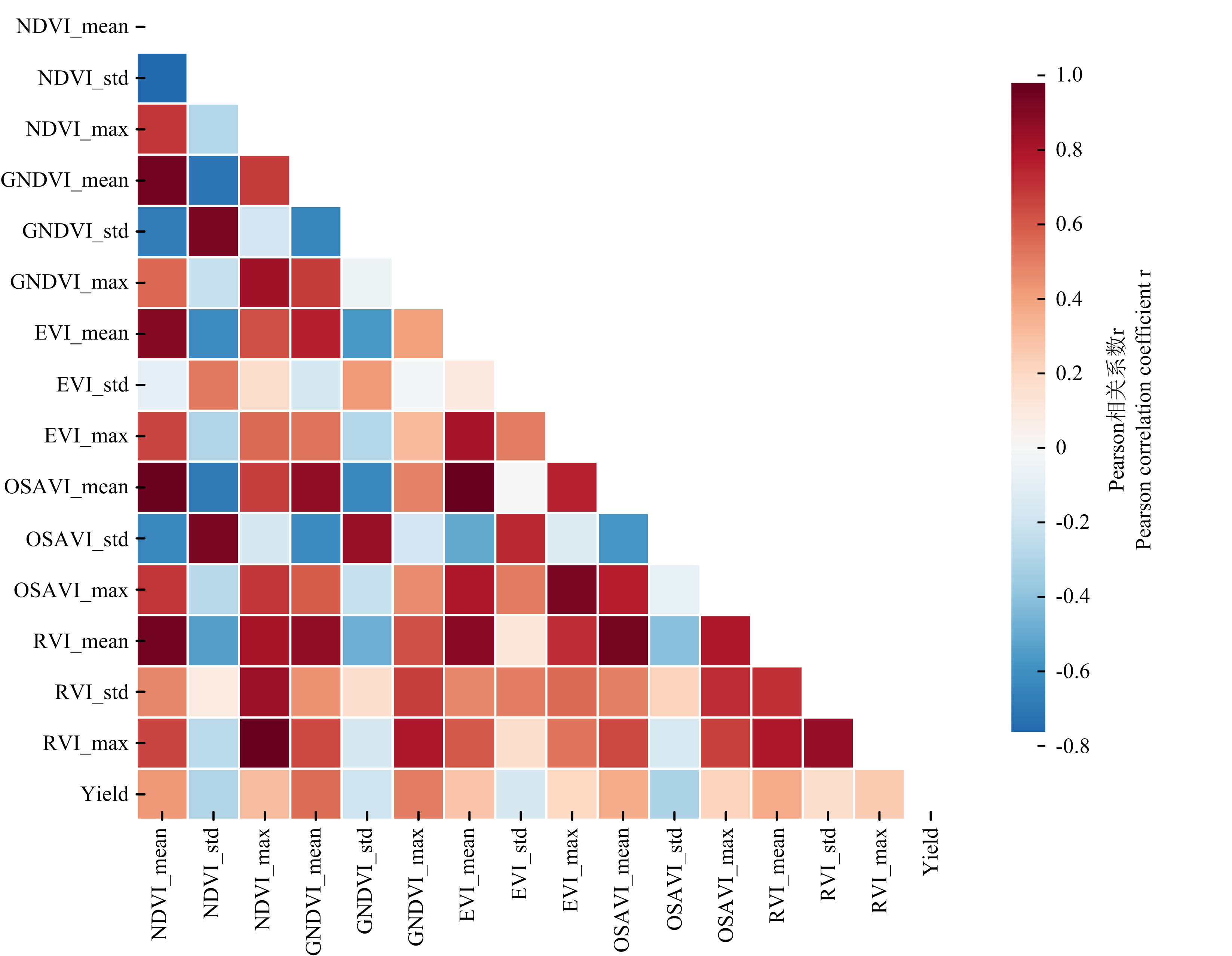
Pearson correlation matrix between canopy spectral features and yield throughout the whole growth period NDVI_mean: Normalized difference vegetation index mean; NDVI_std: Normalized difference vegetation index standard deviation; NDVI_max: Normalized difference vegetation index maximum; GNDVI_mean: Green normalized difference vegetation index mean; GNDVI_std: Green normalized difference vegetation index standard deviation; GNDVI_max: Green normalized difference vegetation index maximum; EVI_mean: Enhanced vegetation index mean; EVI_std: Enhanced vegetation index standard deviation; EVI_max: Enhanced vegetation index maximum; OSAVI_mean: Optimized soil-adjusted vegetation index mean; OSAVI_std: Optimized soil-adjusted vegetation index standard deviation; OSAVI_max: Optimized soil-adjusted vegetation index maximum; RVI_mean: Ratio vegetation index mean; RVI_std: Ratio vegetation index standard deviation; RVI_max: Ratio vegetation index maximum; Yield: Measured yield. The same as below"

Fig. 4

Scree plot of PCA and cumulative explained variance ratio"

Fig. 5

PCA biplot of spectral adaptability for wheat varieties"

Fig. 6

Hierarchical clustering heatmap of spectral fingerprints for different adaptability subgroups"

Fig. 7

Multi-dimensional radar chart comparison of key spectral features among adaptability subgroups"

Fig. 8

Confusion matrix for classification of wheat adaptive subpopulations"

Fig. 9

Validation of measured yield distribution based on spectral classification"

Fig. 10

Ranking of importance of key yield drivers based on an ensemble learning model"

Fig. 11

Performance evaluation of yield prediction model based on Stacking ensemble learning"

[1]
Rasheed A, Mujeeb-Kazi A, Ogbonnaya F C, He Z H, Rajaram S. Wheat genetic resources in the post-genomics era: Promise and challenges[J]. Annals of Botany, 2018, 121(4): 603-616.

doi: 10.1093/aob/mcx148 pmid: 29240874
[2]
燕雯, 金秀良, 李龙, 徐子涵, 苏悦, 张跃强, 景蕊莲, 毛新国, 孙黛珍. 基于无人机多源影像数据的灌浆期人工合成小麦抗旱性评价[J]. 中国农业科学, 2024, 57(9): 1674-1686. DOI: 10.3864/j.issn.0578-1752.2024.09.005.
Yan W, Jin X L, Li L, Xu Z H, Su Y, Zhang Y Q, Jing R L, Mao X G, Sun D Z. Drought resistance evaluation of synthetic wheat at grain filling using UAV-based multi-source imagery data[J]. Scientia Agricultura Sinica, 2024, 57(9): 1674-1686. DOI: 10.3864/j.issn.0578-1752.2024.09.005. (in Chinese)
[3]
Araus J L, Kefauver S C, Zaman-Allah M, Olsen M S, Cairns J E. Translating high-throughput phenotyping into genetic gain[J]. Trends in Plant Science, 2018, 23(5): 451-466.

doi: S1360-1385(18)30020-7 pmid: 29555431
[4]
冯伟, 朱艳, 姚霞, 田永超, 曹卫星. 基于高光谱遥感的小麦叶干重和叶面积指数监测[J]. 植物生态学报, 2009, 33(1): 34-44.

doi: 10.3773/j.issn.1005-264x.2009.01.004
Feng W, Zhu Y, Yao X, Tian Y C, Cao W X. Monitoring leaf dry weight and leaf area index in wheat with hyperspectral remote sensing[J]. Chinese Journal of Plant Ecology, 2009, 33(1): 34-44. (in Chinese)

doi: 10.3773/j.issn.1005-264x.2009.01.004
[5]
王玉娜, 李粉玲, 王伟东, 陈晓凯, 常庆瑞. 基于连续投影算法和光谱变换的冬小麦生物量高光谱遥感估算[J]. 麦类作物学报, 2020, 40(11): 1389-1398.
Wang Y N, Li F L, Wang W D, Chen X K, Chang Q R. Hyper-spectral remote sensing stimation of shoot biomass of winter wheat based on SPA and transformation spectra[J]. Journal of Triticeae Crops, 2020, 40(11): 1389-1398. (in Chinese)
[6]
Prey L, Schmidhalter U. Sensitivity of vegetation indices for estimating vegetative N status in winter wheat[J]. Sensors, 2019, 19(17): 3712.

doi: 10.3390/s19173712
[7]
黎锐, 李存军, 徐新刚, 王纪华, 杨小冬, 黄文江, 潘瑜春. 基于支持向量回归(SVR)和多时相遥感数据的冬小麦估产[J]. 农业工程学报, 2009, 25(7): 114-117.
Li R, Li C J, Xu X G, Wang J H, Yang X D, Huang W J, Pan Y C. Winter wheat yield estimation based on support vector machine regression and multi-temporal remote sensing data[J]. Transactions of the Chinese Society of Agricultural Engineering, 2009, 25(7): 114-117. (in Chinese)
[8]
Hassan M A, Yang M J, Rasheed A, Yang G J, Reynolds M, Xia X C, Xiao Y G, He Z H. A rapid monitoring of NDVI across the wheat growth cycle for grain yield prediction using a multi-spectral UAV platform[J]. Plant Science, 2019, 282: 95-103.

doi: S0168-9452(17)31020-8 pmid: 31003615
[9]
赵泽阳, 李美玲, 徐伟, 刘冰雪, 黄鹏宇, 康迪, 张改生, 宋瑜龙. 基于无人机多时相多特征的冬小麦产量预测模型研究[J]. 麦类作物学报, 2025, 45(8): 1089-1100.
Zhao Z Y, Li M L, Xu W, Liu B X, Huang P Y, Kang D, Zhang G S, Song Y L. Yield prediction model of winter wheat based UAV- multi-temporal and multi-feature[J]. Journal of Triticeae Crops, 2025, 45(8): 1089-1100. (in Chinese)
[10]
张竞成, 袁琳, 王纪华, 罗菊花, 杜世州, 黄文江. 作物病虫害遥感监测研究进展[J]. 农业工程学报, 2012, 28(20): 1-11.
Zhang J C, Yuan L, Wang J H, Luo J H, Du S Z, Huang W J. Research progress of crop diseases and pests monitoring based on remote sensing[J]. Transactions of the Chinese Society of Agricultural Engineering, 2012, 28(20): 1-11. (in Chinese)
[11]
Fu Y Y, Yang G J, Pu R L, Li Z H, Li H L, Xu X G, Song X Y, Yang X D, Zhao C J. An overview of crop nitrogen status assessment using hyperspectral remote sensing: Current status and perspectives[J]. European Journal of Agronomy, 2021, 124: 126241.

doi: 10.1016/j.eja.2021.126241
[12]
Gracia-Romero A, Kefauver S C, Vergara-Díaz O, Zaman-Allah M A, Prasanna B M, Cairns J E, Araus J L. Comparative performance of ground vs. Aerially assessed RGB and multispectral indices for early-growth evaluation of maize performance under phosphorus fertilization[J]. Frontiers in Plant Science, 2017, 8: 2004.

doi: 10.3389/fpls.2017.02004 pmid: 29230230
[13]
赵春江. 农业遥感研究与应用进展[J]. 农业机械学报, 2014, 45(12): 277-293.
Zhao C J. Advances of research and application in remote sensing for agriculture[J]. Transactions of the Chinese Society for Agricultural Machinery, 2014, 45(12): 277-293. (in Chinese)
[14]
李长春, 李亚聪, 王艺琳, 马春艳, 陈伟男, 丁凡. 基于小波能量系数和叶面积指数的冬小麦生物量估算[J]. 农业机械学报, 2021, 52(12): 191-200.
Li C C, Li Y C, Wang Y L, Ma C Y, Chen W N, Ding F. Winter wheat biomass estimation based on wavelet energy coefficient and leaf area index[J]. Transactions of the Chinese Society for Agricultural Machinery, 2021, 52(12): 191-200. (in Chinese)
[15]
Li C C, Wang Y L, Ma C Y, Chen W N, Li Y C, Li J B, Ding F, Xiao Z. Improvement of wheat grain yield prediction model performance based on stacking technique[J]. Applied Sciences, 2021, 11(24): 12164.

doi: 10.3390/app112412164
[16]
王鹏新, 王静怡, 郭丰玮, 刘峻明, 李红梅, 叶昕. 基于遥感多参数和Stacking集成学习的冬小麦单产估测[J]. 农业机械学报, 2025, 56(11): 369-377.
Wang P X, Wang J Y, Guo F W, Liu J M, Li H M, Ye X. Yield estimation of winter wheat based on multiple remotely sensed parameters and stacking ensemble learning[J]. Transactions of the Chinese Society for Agricultural Machinery, 2025, 56(11): 369-377. (in Chinese)
[17]
Sun H, Feng M C, Yang W D, Bi R T, Sun J J, Zhao C Q, Xiao L J, Wang C, Kubar M S. Monitoring leaf nitrogen accumulation with optimized spectral index in winter wheat under different irrigation regimes[J]. Frontiers in Plant Science, 2022, 13: 913240.

doi: 10.3389/fpls.2022.913240
[18]
Li Z P, Chen Z, Cheng Q, Duan F Y, Sui R X, Huang X Q, Xu H G. UAV-based hyperspectral and ensemble machine learning for predicting yield in winter wheat[J]. Agronomy, 2022, 12(1): 202.

doi: 10.3390/agronomy12010202
[19]
Prey L, Hanemann A, Ramgraber L, Seidl-Schulz J, Noack P O. UAV-based estimation of grain yield for plant breeding: Applied strategies for optimizing the use of sensors, vegetation indices, growth stages, and machine learning algorithms[J]. Remote Sensing, 2022, 14(24): 6345.
[20]
Wang L A, Zhou X D, Zhu X K, Dong Z D, Guo W S. Estimation of biomass in wheat using random forest regression algorithm and remote sensing data[J]. The Crop Journal, 2016, 4(3): 212-219.

doi: 10.1016/j.cj.2016.01.008
[21]
Yang S R, Li L, Fei S P, Yang M J, Tao Z Q, Meng Y X, Xiao Y G. Wheat yield prediction using machine learning method based on UAV remote sensing data[J]. Drones, 2024, 8(7): 284.

doi: 10.3390/drones8070284
[22]
Christopher J T, Christopher M J, Borrell A K, Fletcher S, Chenu K. Stay-green traits to improve wheat adaptation in well-watered and water-limited environments[J]. Journal of Experimental Botany, 2016, 67(17): 5159-5172.

doi: 10.1093/jxb/erw276 pmid: 27443279
[23]
Garriga M, Romero-Bravo S, Estrada F, Escobar A, Matus I A, del Pozo A, Astudillo C A, Lobos G A. Assessing wheat traits by spectral reflectance: Do we really need to focus on predicted trait-values or directly identify the elite genotypes group[J]. Frontiers in Plant Science, 2017, 8: 280.

doi: 10.3389/fpls.2017.00280 pmid: 28337210
[24]
Lopes M S, Reynolds M P. Stay-green in spring wheat can be determined by spectral reflectance measurements (normalized difference vegetation index) independently from phenology[J]. Journal of Experimental Botany, 2012, 63(10): 3789-3798.

doi: 10.1093/jxb/ers071 pmid: 22412185
[25]
Shaver T M, Khosla R, Westfall D G. Evaluation of two ground-based active crop canopy sensors in maize: Growth stage, row spacing, and sensor movement speed[J]. Soil Science Society of America Journal, 2010, 74(6): 2101-2108.

doi: 10.2136/sssaj2009.0421
[26]
Gitelson A A. Wide dynamic range vegetation index for remote quantification of biophysical characteristics of vegetation[J]. Journal of Plant Physiology, 2004, 161(2): 165-173.

doi: 10.1078/0176-1617-01176 pmid: 15022830
[27]
Hassan M A, Fei S P, Li L, Jin Y R, Liu P, Rasheed A, Shawai R S, Zhang L, Ma A M, Xiao Y G, He Z H. Stacking of canopy spectral reflectance from multiple growth stages improves grain yield prediction under full and limited irrigation in wheat[J]. Remote Sensing, 2022, 14(17): 4318.

doi: 10.3390/rs14174318
[28]
Tattaris M, Reynolds M P, Chapman S C. A direct comparison of remote sensing approaches for high-throughput phenotyping in plant breeding[J]. Frontiers in Plant Science, 2016, 7: 1131.

doi: 10.3389/fpls.2016.01131 pmid: 27536304
[29]
Reynolds M, Foulkes J, Furbank R, Griffiths S, King J, Murchie E, Parry M, Slafer G. Achieving yield gains in wheat[J]. Plant, Cell & Environment, 2012, 35(10): 1799-1823.

doi: 10.1111/pce.2012.35.issue-10
[30]
Maimaitijiang M, Sagan V, Sidike P, Hartling S, Esposito F, Fritschi F B. Soybean yield prediction from UAV using multimodal data fusion and deep learning[J]. Remote Sensing of Environment, 2020, 237: 111599.

doi: 10.1016/j.rse.2019.111599
[1] WANG CaiYu, LIU XiaoLi, LI WenGuang, YANG WenPing, YANG ZhenPing, GAO ZhiQiang. Effects of Different Substitution Rates of Organic Fertilizers on Soil Multifunctionality and Its Microbial Driving Mechanisms [J]. Scientia Agricultura Sinica, 2026, 59(8): 1712-1726.
[2] ZHU Qi, JIA ZhenPeng, Tahir SHAH, XU ChenSheng, LI ZhiQi, LÜ HuiShuai, ZHU PengChao, WEI XiaoMin, HUANG DongLin, SUN YanNi, CAO WeiDong, GAO YaJun, WANG ZhaoHui, ZHANG DaBin. Green Manure Crops Combined with Enhanced-Efficiency Products Reduced Greenhouse Gas Emissions and Carbon Footprints in Dryland Wheat Fields [J]. Scientia Agricultura Sinica, 2026, 59(7): 1507-1522.
[3] QIAN Jin, LI YingXue, WU Fang, ZOU XiaoChen. Improved Leaf Phosphorus Content Estimation of Winter Wheat Using Ensemble Hyperspectral Dimensionality Reduction Method [J]. Scientia Agricultura Sinica, 2026, 59(4): 781-792.
[4] KONG Yuan, CUI ShaSha, LI Mei, LI Jian, YANG SiYu, FANG Feng, LIU ShuaiShuai, LIU MingPing, ZENG Yan, GAO XingXiang, BAI LianYang. Spatiotemporal Distribution Dynamics of Five Grass Weed Species Including Lolium multiflorum in Winter Wheat Fields of the Huang- Huai-Hai Region [J]. Scientia Agricultura Sinica, 2026, 59(4): 807-823.
[5] XIAN QingLin, XIAO JianKe, GAO AQing, GAO LiChuang, LIU Yang. Effects of Planting Patterns Combined with Soil Moisture Measurement and Supplementary Irrigation on the Yield and Water Use Efficiency of Winter Wheat [J]. Scientia Agricultura Sinica, 2026, 59(3): 589-601.
[6] WANG YuanYuan, WANG Qi, MU JunYi, MI DongMing, XIE XiaoTing, HA QiQi, ZHOU Peng, REN AiXia, SUN Min, GAO ZhiQiang. Regulatory Mechanisms of Spring Nitrogen Topdressing on Yield Components and Photosynthetic Resource Utilization in Winter Wheat [J]. Scientia Agricultura Sinica, 2026, 59(10): 2123-2137.
[7] LÜ XuDong, SUN ShiYuan, LI YaNan, LIU YuLong, WANG YanQun, FU Xin, ZHANG JiaYing, NING Peng, PENG ZhengPing. Effects of Intelligent Mechanized Layered Fertilization on Root-Soil Nutrient Distribution and Yield in Wheat Fields [J]. Scientia Agricultura Sinica, 2026, 59(1): 129-146.
[8] PU LiXia, ZHANG JiaRui, YE JianPing, HUANG XiuLan, FAN GaoQiong, YANG HongKun. The Combined Effects of 16, 17-Dihydro Gibberellin A5 and Straw Mulching on Tillering and Grain Yield of Dryland Wheat [J]. Scientia Agricultura Sinica, 2025, 58(9): 1735-1748.
[9] SHI Fan, LI WenGuang, YI ShuSheng, YANG Na, CHEN YuMeng, ZHENG Wei, ZHANG XueChen, LI ZiYan, ZHAI BingNian. The Variation Characteristics of Soil Organic Carbon Fractions Under the Combined Application of Organic and Inorganic Fertilizers [J]. Scientia Agricultura Sinica, 2025, 58(4): 719-732.
[10] FANG KangRui, DING ShiJie, CHEN YuShan, YANG BingGeng, GUO TengFei, XU XinPeng, ZHAO ShiCheng, WANG XiuBin, HUANG ShaoMin, QIU ShaoJun, HE Ping, ZHOU Wei. In-Season Release Rate of Nitrogen and Phosphorus in Manure Fertilizers During the Wheat Season in Typical Fluvo-Aquic Soil Under the Combined Application of Chemical and Manure Fertilizers [J]. Scientia Agricultura Sinica, 2025, 58(24): 5234-5246.
[11] SHE YingJun, ZHOU ZiZhe, WU Ming, GUO Wei, SHI ChangJian, HU Chao, LI Ping. Effects of Groundwater Depth and Nitrogen Application on the Distribution of Soil Water and Salt and the Nutrient Absorption and Utilization of Winter Wheat [J]. Scientia Agricultura Sinica, 2025, 58(20): 4285-4304.
[12] WANG RongRong, XU NingLu, HUANG XiuLi, ZHAO KaiNan, HUANG Ming, WANG HeZheng, FU GuoZhan, WU JinZhi, LI YouJun. Effects of One-Off Irrigation and Nitrogen Fertilizer Management on Grain Yield and Quality in Dryland Wheat [J]. Scientia Agricultura Sinica, 2025, 58(1): 43-57.
[13] GAO XingXiang, KONG Yuan, ZHANG YaoZhong, LI Mei, LI Jian, JIN Yan, ZHANG GuoFu, LIU ShuaiShuai, LIU MingPing, ZENG Yan, BAI LianYang. Analysis on Distribution and Change of Weed Community in Winter Wheat Field in Henan Province [J]. Scientia Agricultura Sinica, 2025, 58(1): 91-100.
[14] ZANG ShaoLong, LIU LinRu, GAO YueZhi, WU Ke, HE Li, DUAN JianZhao, SONG Xiao, FENG Wei. Classification and Identification of Nitrogen Efficiency of Wheat Varieties Based on UAV Multi-Temporal Images [J]. Scientia Agricultura Sinica, 2024, 57(9): 1687-1708.
[15] GAO ChenKai, LIU ShuiMiao, LI YuMing, ZHAO ZhiHeng, SHAO Jing, YU HaoLin, WU PengNian, WANG YanLi, GUAN XiaoKang, WANG TongChao, WEN PengFei. The Related Driving Factors of Water Use Efficiency and Its Prediction Model Construction in Winter Wheat [J]. Scientia Agricultura Sinica, 2024, 57(7): 1281-1294.
Viewed
Full text


Abstract

Cited

  Shared   
  Discussed   
No Suggested Reading articles found!