Scientia Agricultura Sinica ›› 2026, Vol. 59 ›› Issue (6): 1286-1301.doi: 10.3864/j.issn.0578-1752.2026.06.011

• HORTICULTURE • Previous Articles     Next Articles

Identification of Short Hypocotyl Cucumber Germplasm Under Low Light Stress and QTL Mapping of the Trait

CAO HaiShun1(), ZHOU DongYuan1,2(), WANG Rui1, SHI ZhaoWan1, WU TingQuan1, ZHANG ChangYuan1,2()   

  1. 1 Institute of Facility Agriculture, Guangdong Academy of Agricultural Sciences, Guangzhou 510640
    2 College of Horticulture, South China Agricultural University, Guangzhou 510642
  • Received:2025-10-16 Accepted:2025-12-05 Online:2026-03-24 Published:2026-03-24
  • Contact: ZHANG ChangYuan

Abstract:

【Objective】Cucumber is the most widely cultivated greenhouse vegetable in China. However, low light stress frequently occurs during protected cultivation, which often induces excessive stem elongation and spindly growth of cucumber plants. Screening for cucumber germplasm with reduced susceptibility to spindly growth under low light stress and identifying the underlying genes can provide a theoretical basis for genetic improvement of low light tolerance in cucumber. 【Method】Using a low light stress screening system, cucumber germplasm was evaluated. Subsequently, a segregating population was constructed. The Bulked Segregant Analysis sequencing (BSA-seq) method was employed to identify significant loci associated with the target trait. Functional annotation and gene family analysis were then performed to elucidate candidate genes involved in low light stress response. 【Result】Two distinct cucumber materials, designated as long hypocotyl (CS ) and short hypocotyl (CR), were initially identified. Light quality treatment assays indicated that the differential response of hypocotyl between CS and CR was primarily associated with far-red light perception. Using CS and CR as parental lines, F1 and F2 populations were developed. Genetic analysis of hypocotyl length under low light stress revealed that the trait was predominantly governed by two novel QTL loci—LSH1 (Chr.4) and LSH2 (Chr.5). Through bulked segregant analysis (BSA), these loci were predicted to encompass 373 and 163 candidate genes, respectively. Subsequently, key components of the far-red light signaling pathway were systematically identified in cucumber, including Phytochrome A (PHYA), FAR-RED ELONGATED HYPOCOTYL 1 (FHY1)/FHY1-LIKE (FHL), and FAR1 RELATED SEQUENCE (FRS) transcription factors. The analysis yielded two PHYA genes (CsPHYA1 and CsPHYA2) on chromosome 6, one CsFHY1 gene on chromosome 3, and 22 CsFRS transcription factor genes distributed across all chromosomes except chromosome 2. Notably, CsFRS12 was physically located within the LSH1 interval on chromosome 4. Phylogenetic and motif analyses indicated that CsFRS12 contained three conserved domains: a FAR1 DNA-binding domain, a MULE transposase domain, and a SWIM Zinc finger domain. CsFRS12 clustered within subfamily Ⅰ and showed closest homology to Arabidopsis AtFRS2 (AT2G32250), AtFAR1 (AT4G15090), and AtFHY3 (AT3G22170), all key regulators of far-red light signaling. Cloning and sequence comparison revealed multiple SNPs between CsFRS12CR and CsFRS12CS alleles, which were significantly correlated with hypocotyl length under low light stress. Yeast transcriptional activity assays demonstrated that CsFRS12CR possessed significantly lower transcriptional activity than CsFRS12CS. Expression profiling further indicated that CsFRS12 was highly expressed in the stem and hypocotyl tissues of cucumber. In summary, these findings highlight CsFRS12 as a promising candidate gene underlying low light-induced hypocotyl elongation in cucumber. 【Conclusion】Two cucumber materials with differential responses to low light stress were identified, and two significant loci (LSH1 and LSH2) associated with hypocotyl elongation under low light stress were mapped using BSA-seq. Furthermore, within the LSH1 interval, a key transcription factor CsFRS12, which participates in the far-red light signaling pathway, was found as a critical candidate gene for low light stress response in cucumber.

Key words: cucumber, far-red light, low light stress, BSA, FRS transcription factor, SNP

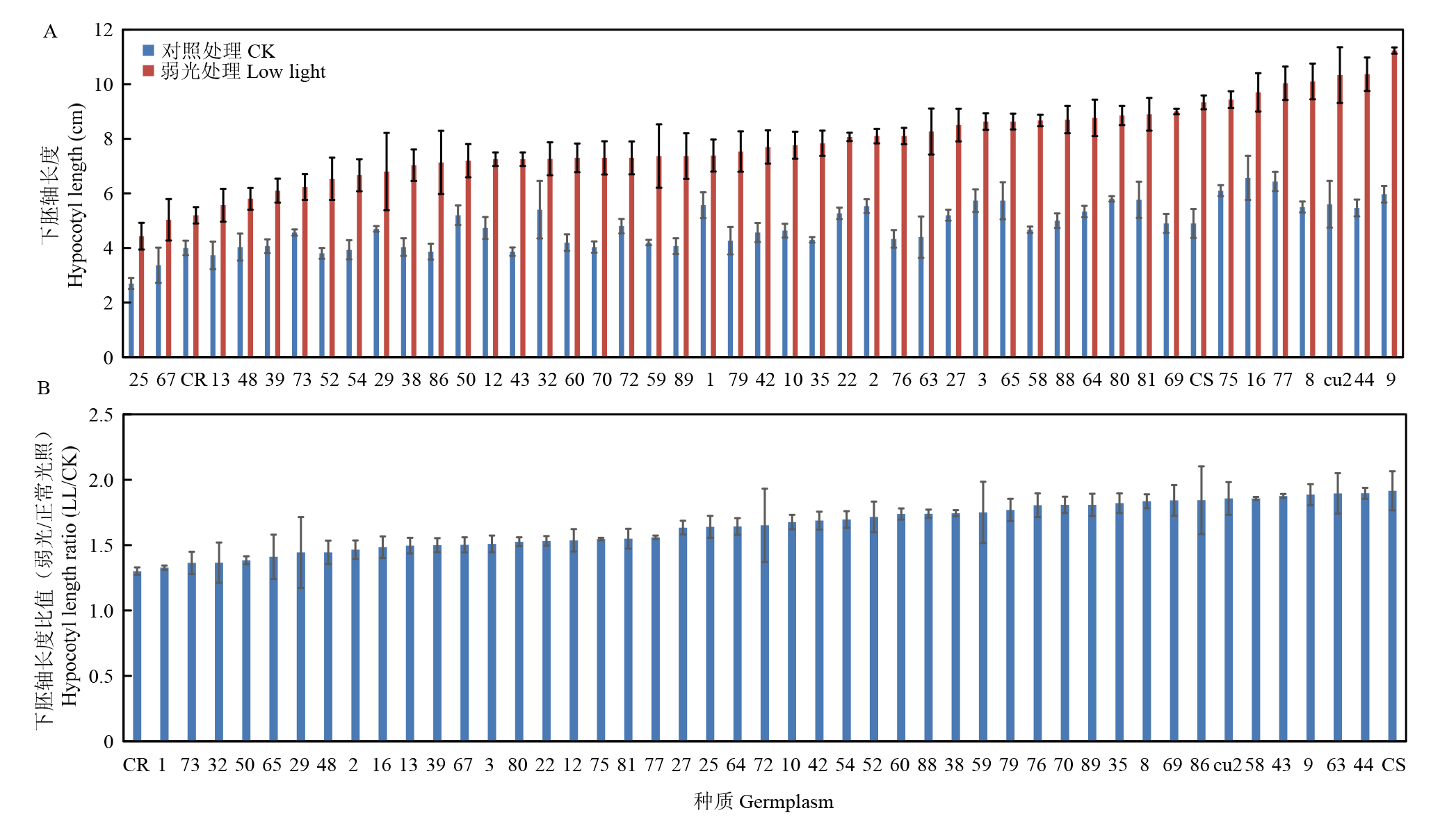
Fig. 1

Sensitivity analysis of cucumber hypocotyl to low light stress A: The hypocotyl length of different cucumber germplasms under control (CK) and low light stress; B: The ratio of hypocotyl length under low light stress to that under CK"

Fig. 2

Analysis and mapping of cucumber hypocotyl length phenotype and trait under low light stress A: Phenotypic of CS, CR, and F1 under low light stress conditions; B: Hypocotyl length CS, CR, and F1 under low light stress conditions; C: Distribution of the hypocotyl length among mapping individuals of F2 population; D: Manhattan plot showing the distribution of Δ(SNP-index) on cucumber chromosomes. The red line shows the association threshold value of 99%, the blue line shows the association threshold value of 95%"

Table 1

QTLs conferring hypocotyl length under low light stress by 3 methods for identification using BSA-seq"

方法
Method
数量性状基因座名称
QTL name
起始位点
Start position (bp)
终止位点
End position (bp)
染色体
Chromosome
峰值
Peak
基因数目
Gene numbers
单核苷酸多态性指数 Δ(SNP-index) LSH1 20300001 24200000 Chr.4 0.505331835 371
LSH2 6700001 10200000 Chr.5 0.532489898 163
G统计值
G-statistic
LSH1 21100001 23300000 Chr.4 11.26343258 196
LSH2 7100001 9200000 Chr.5 13.22583847 74
欧氏距离
Euclidean distance
LSH1 21000001 23500000 Chr.4 0.489802113 229
LSH2 8000001 9200000 Chr.5 0.463019996 37

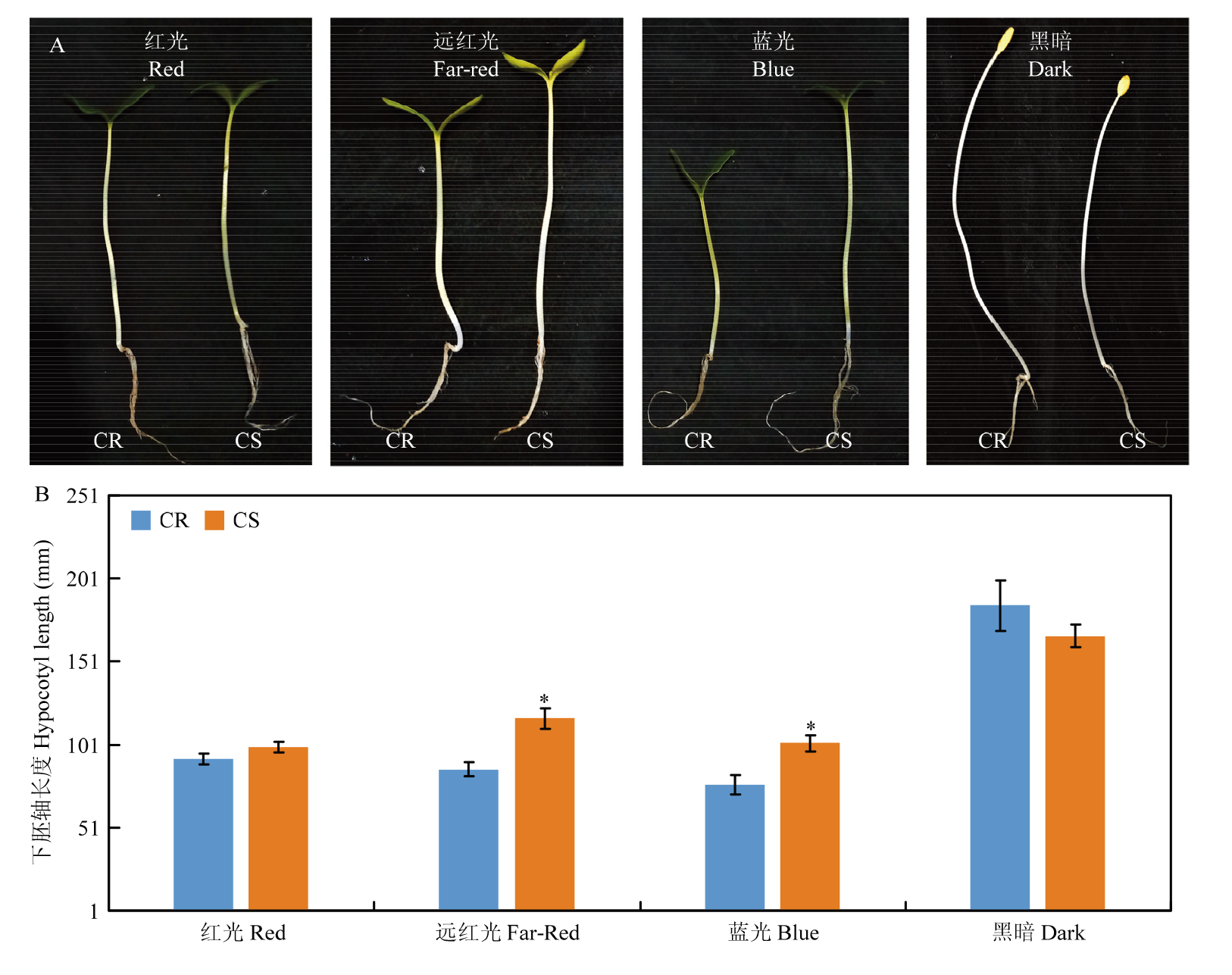
Fig. 3

The hypocotyl phenotype (A) and length (B) of cucumber seedlings (CR and CS) grown under red, far-red, blue light and dark, respectively"

Table 2

The information of FRS transcription factor in cucumber"

基因序号
Gene ID
基因名称
Name
染色体
Chromosome
起始位点
Start position (bp)
终止位点
Stop position (bp)
正反链
Strand
编码框长度
CDS length (bp)
蛋白长度
Protein length (aa)
CsaV3_1G010190.1 CsFRS1 Chr.1 6322731 6327319 - 2565 855
CsaV3_1G042070.1 CsFRS2 Chr.1 26879471 26883820 + 2628 876
CsaV3_3G013860.1 CsFRS3 Chr.3 10392246 10397538 - 2364 788
CsaV3_3G034800.1 CsFHY1 Chr.3 29369257 29371197 + 1041 347
CsaV3_3G039150.1 CsFRS4 Chr.3 32174695 32179211 + 1170 390
CsaV3_3G046280.1 CsFRS5 Chr.3 37806932 37811364 + 1818 606
CsaV3_4G001920.1 CsFRS6 Chr.4 1130443 1133692 + 2232 744
CsaV3_4G001930.1 CsFRS7 Chr.4 1135597 1138623 + 2007 669
CsaV3_4G003380.1 CsFRS8 Chr.4 2056681 2059569 + 765 255
CsaV3_4G003760.1 CsFRS9 Chr.4 2290171 2295355 + 750 250
CsaV3_4G007310.1 CsFRS10 Chr.4 4973487 4978240 - 2424 808
CsaV3_4G007320.1 CsFRS11 Chr.4 4978958 4986126 - 2538 846
CsaV3_4G032340.1 CsFRS12 Chr4 22862562 22866893 + 2325 775
CsaV3_5G014020.1 CsFRS13 Chr.5 10880232 10889015 - 2040 680
CsaV3_6G009980.1 CsFRS14 Chr.6 8087498 8091321 + 1488 496
CsaV3_6G036060.1 CsPHYA1 Chr.6 20015890 20021182 - 3450 1150
CsaV3_6G036100.1 CsPHYA2 Chr.6 20046075 20053349 + 3375 1125
CsaV3_6G048310.1 CsFRS15 Chr.6 28368052 28370312 + 2076 692
CsaV3_6G053050.1 CsFRS16 Chr.6 30971693 30975462 - 2241 747
CsaV3_7G002210.1 CsFRS17 Chr.7 1754310 1760052 + 2370 790
CsaV3_7G002550.1 CsFRS18 Chr.7 1993692 2004852 + 2316 772
CsaV3_7G026930.1 CsFRS19 Chr.7 16558935 16562421 - 666 222
CsaV3_7G027310.1 CsFRS20 Chr.7 16862778 16871926 + 1491 497
CsaV3_7G032290.1 CsFRS21 Chr.7 20436138 20438129 + 1989 663
CsaV3_UNG168310.1 CsFRS22 Scaffold.77 105440 114205 + 2028 676

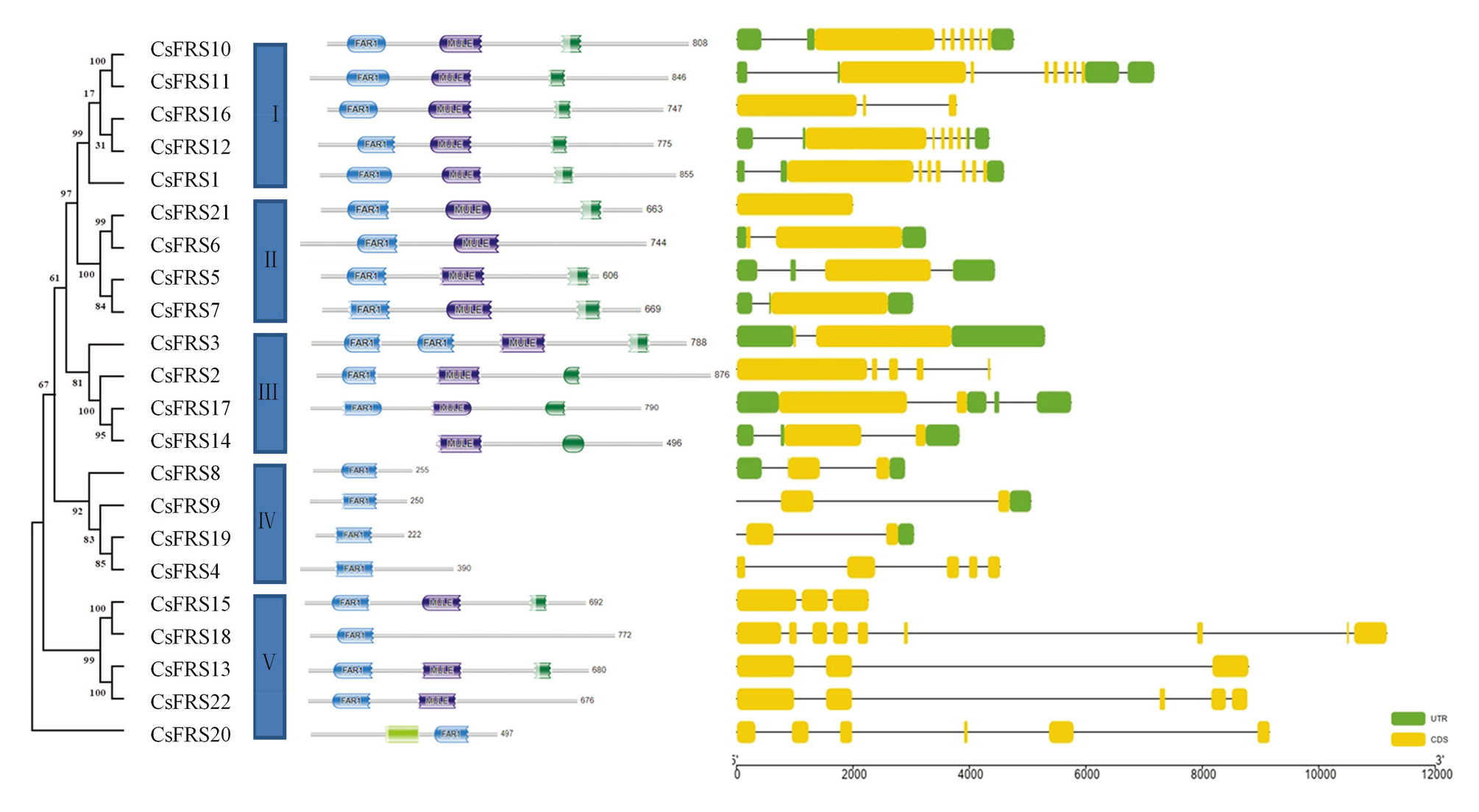
Fig. 4

Conservative motif and gene structure analysis of CsFRS transcription factor in cucumber"

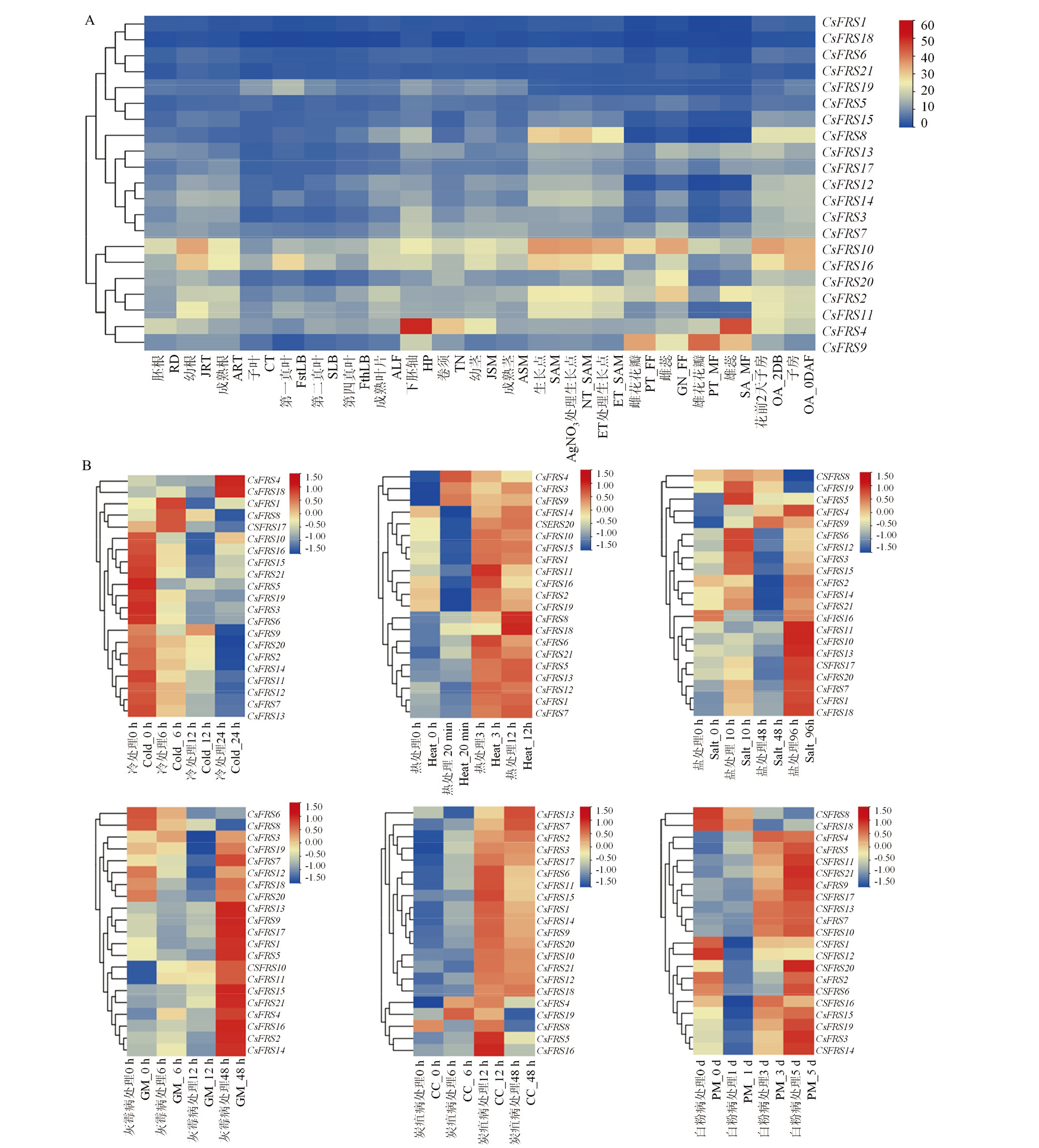
Fig. 5

Gene expression analysis of CsFRS transcription factor in cucumber A: Tissue expression analysis; B: Expression patterns under biotic and abiotic stress. HP: Hypocotyl; RD: Radicle; CT: Cotyledon; FstLB: First leaf blade; SLB: Second leaf blade; FthLB: Forth leaf blade; JSM: Juvenile stem; JRT: Juvenile root; SAM: Shoot apical meristem; ART: Adult root; ALF: Adult leaf blade; ASM: Adult stem; TN: Tendril; OA_2DBF: Ovary of 2 days before flower; OA_0DAF: Ovary of 0 day after flower; PT_MF: Petal of male flower; SA_MF: Stamen of male flower; PT_FF: Petal of female flower; GN_FF: Gynoecium of female flower; EN: Endocarp; MS: Mesocarp; EX: Exocarp; NC: Fruit neck; SD: Seed"

Fig. 6

Chromosomal localization, synteny, and phylogenetic analysis of CsFRS transcription factor in cucumber A: Chromosomal localization and synteny analysis of CsFRS transcription factor; B: Phylogenetic analysis of CsFRS transcription factor. AT: Arabidopsis thaliana; Cla: Citrullus lanatus; Csa: Cucumis sativus; Cmo: Cucurbita moschata; MELO: Cucumis melo; Solyc: Solanum lycopersicum; Moc: Momordica charantia"

Fig. 7

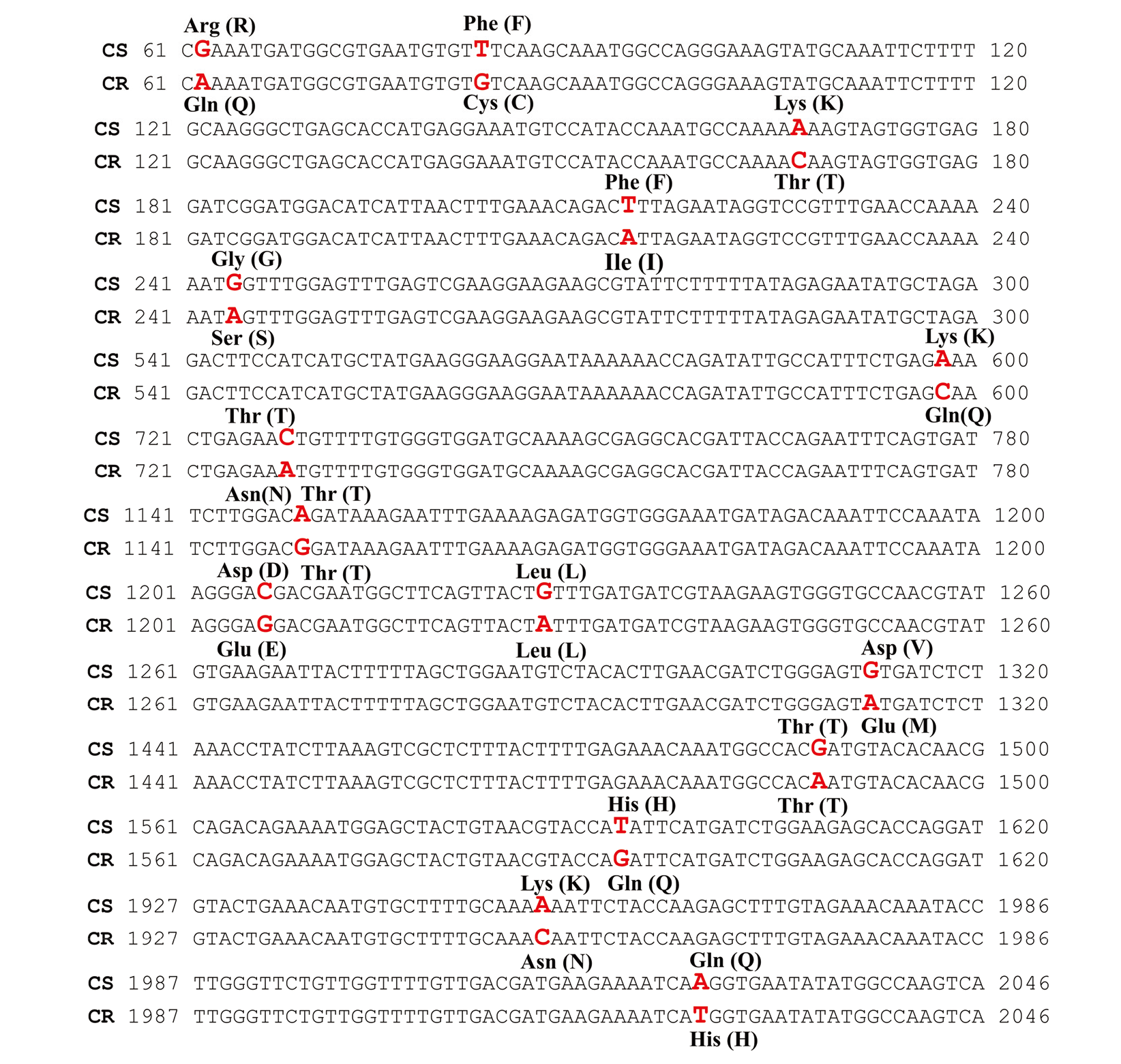
The nucleotide and amino acid sequences difference of CsFRS12 between CR and CS"

Fig. 8

The transcription activity and gene expression pattern of CsFRS12 A: The transcription activity analysis; B: Gene expression analysis of CsFRS12"

[1]
ZHANG H M, LI S, YANG L, CAI G H, CHEN H M, GAO D L, LIN T, CUI Q Z, WANG D H, LI Z, et al. Gain-of-function of the 1-aminocyclopropane-1-carboxylate synthase gene ACS1G induces female flower development in cucumber gynoecy. The Plant Cell, 2021, 33(2): 306-321.

doi: 10.1093/plcell/koaa018
[2]
NIE J, SHAN N, LIU H, YAO X, WANG Z, BAI R, GUO Y, DUAN Y, WANG C, SUI X. Transcriptional control of local auxin distribution by the CsDFB1-CsPHB module regulates floral organogenesis in cucumber. Proceedings of the National Academy of Sciences of the United States of America, 2021, 118(8): e2023942118.
[3]
LIU B, SHEN C C, XIA S W, SONG S S, SU L H, LI Y, HAO Q, LIU Y J, GUAN D L, WANG N, et al. A nanopore-based cucumber genome assembly reveals structural variations at two QTLs controlling hypocotyl elongation. Plant Physiology, 2024, 195(2): 970-985.

doi: 10.1093/plphys/kiae153 pmid: 38478469
[4]
LI D D, YU F S, ZHANG Y Z, HU K H, DAI D Y, SONG S W, ZHANG F, SA R N, LIAN H, SHENG Y Y. Integrative analysis of different low-light-tolerant cucumber lines in response to low-light stress. Frontiers in Plant Science, 2022, 13: 1093859.

doi: 10.3389/fpls.2022.1093859
[5]
BALLARÉ C L. Light regulation of plant defense. Annual Review of Plant Biology, 2014, 65: 335-363.

doi: 10.1146/annurev-arplant-050213-040145 pmid: 24471835
[6]
CERRUDO I, KELLER M M, CARGNEL M D, DEMKURA P V, DE WIT M, PATITUCCI M S, PIERIK R, PIETERSE C M J, BALLARÉ C L. Low red/far-red ratios reduce Arabidopsis resistance to Botrytis cinerea and jasmonate responses via a COI1-JAZ10-dependent, salicylic acid-independent mechanism. Plant Physiology, 2012, 158(4): 2042-2052.

doi: 10.1104/pp.112.193359
[7]
SONG J L, CAO K, HAO Y W, SONG S W, SU W, LIU H C. Hypocotyl elongation is regulated by supplemental blue and red light in cucumber seedling. Gene, 2019, 707: 117-125.

doi: S0378-1119(19)30428-7 pmid: 31034942
[8]
DE WIT M, GALVÃO V C, FANKHAUSER C. Light-mediated hormonal regulation of plant growth and development. Annual Review of Plant Biology, 2016, 67: 513-537.

doi: 10.1146/annurev-arplant-043015-112252 pmid: 26905653
[9]
GALVÃO V C, FANKHAUSER C. Sensing the light environment in plants: Photoreceptors and early signaling steps. Current Opinion in Neurobiology, 2015, 34: 46-53.

doi: 10.1016/j.conb.2015.01.013 pmid: 25638281
[10]
LIM J, PARK J H, JUNG S, HWANG D, NAM H G, HONG S. Antagonistic roles of PhyA and PhyB in far-red light-dependent leaf senescence in Arabidopsis thaliana. Plant and Cell Physiology, 2018, 59(9): 1753-1764.

doi: 10.1093/pcp/pcy153
[11]
LIU Y W, LI X, MA D B, CHEN Z R, WANG J W, LIU H T. CIB1 and CO interact to mediate CRY2-dependent regulation of flowering. EMBO Reports, 2018, 19(10): e45762.

doi: 10.15252/embr.201845762
[12]
MIZUNO T, OKA H, YOSHIMURA F, ISHIDA K, YAMASHINO T. Insight into the mechanism of end-of-day far-red light (EODFR)- induced shade avoidance responses in Arabidopsis thaliana. Bioscience, Biotechnology, and Biochemistry, 2015, 79(12): 1987-1994.

doi: 10.1080/09168451.2015.1065171
[13]
SAKURABA Y, JEONG J, KANG M Y, KIM J, PAEK N C, CHOI G. Phytochrome-interacting transcription factors PIF4 and PIF5 induce leaf senescence in Arabidopsis. Nature Communications, 2014, 5: 4636.

doi: 10.1038/ncomms5636
[14]
SASIDHARAN R, CHINNAPPA C C, STAAL M, ELZENGA J T M, YOKOYAMA R, NISHITANI K, VOESENEK L A C J, PIERIK R. Light quality-mediated petiole elongation in Arabidopsis during shade avoidance involves cell wall modification by xyloglucan endotransglucosylase/hydrolases. Plant Physiology, 2010, 154(2): 978-990.

doi: 10.1104/pp.110.162057
[15]
SUN W J, HAN H Y, DENG L, SUN C L, XU Y R, LIN L H, REN P R, ZHAO J H, ZHAI Q Z, LI C Y. Mediator subunit MED25 physically interacts with PHYTOCHROME INTERACTING FACTOR4 to regulate shade-induced hypocotyl elongation in tomato. Plant Physiology, 2020, 184(3): 1549-1562.

doi: 10.1104/pp.20.00587 pmid: 33889988
[16]
XIE Y R, LIU Y, MA M D, ZHOU Q, ZHAO Y P, ZHAO B B, WANG B B, WEI H B, WANG H Y. Arabidopsis FHY3 and FAR1 integrate light and strigolactone signaling to regulate branching. Nature Communications, 2020, 11: 1955.

doi: 10.1038/s41467-020-15893-7
[17]
DE WIT M, KEUSKAMP D H, BONGERS F J, HORNITSCHEK P, GOMMERS C M M, REINEN E, MARTÍNEZ-CERÓN C, FANKHAUSER C, PIERIK R. Integration of phytochrome and cryptochrome signals determines plant growth during competition for light. Current Biology, 2016, 26(24): 3320-3326.

doi: S0960-9822(16)31257-X pmid: 27889265
[18]
LARIGUET P, DUNAND C. Plant photoreceptors: Phylogenetic overview. Journal of Molecular Evolution, 2005, 61(4): 559-569.

doi: 10.1007/s00239-004-0294-2 pmid: 16170454
[19]
LI X, LIANG T, LIU H T. How plants coordinate their development in response to light and temperature signals. The Plant Cell, 2022, 34(3): 955-966.

doi: 10.1093/plcell/koab302
[20]
KOORNNEEF M, ROLFF E, SPRUIT C J P. Genetic control of light-inhibited hypocotyl elongation in Arabidopsis thaliana (L.) heynh. Zeitschrift Für Pflanzenphysiologie, 1980, 100(2): 147-160.

doi: 10.1016/S0044-328X(80)80208-X
[21]
LÓPEZ-JUEZ E, NAGATANI A, TOMIZAWA K, DEAK M, KERN R, KENDRICK R E, FURUYA M. The cucumber long hypocotyl mutant lacks a light-stable PHYB-like phytochrome. The Plant Cell, 1992, 4(3): 241-251.
[22]
LIU B, WENG J Y, GUAN D L, ZHANG Y, NIU Q L, LÓPEZ-JUEZ E, LAI Y S, GARCIA-MAS J, HUANG D F. A domestication- associated gene, CsLH, encodes a phytochrome B protein that regulates hypocotyl elongation in cucumber. Molecular Horticulture, 2021, 1(1): 3.

doi: 10.1186/s43897-021-00005-w
[23]
ZHAO J Y, BO K L, PAN Y P, LI Y H, YU D L, LI C, CHANG J, WU S, WANG Z Y, ZHANG X L, et al. Phytochrome-interacting factor PIF 3 integrates phytochrome B and UV-B signaling pathways to regulate gibberellin- and auxin-dependent growth in cucumber hypocotyls. Journal of Experimental Botany, 2023, 74(15): 4520-4539.

doi: 10.1093/jxb/erad181
[24]
HU L L, LIU P, JIN Z S, SUN J, WENG Y Q, CHEN P, DU S L, WEI A M, LI Y H. A mutation in CsHY2 encoding a phytochromobilin (PΦB) synthase leads to an elongated hypocotyl 1(elh1) phenotype in cucumber (Cucumis sativus L.). Theoretical and Applied Genetics, 2021, 134(8): 2639-2652.

doi: 10.1007/s00122-021-03849-4
[25]
CAO H S, WANG R, ZHAO J H, SHI L L, HUANG Y, WU T Q, ZHANG C Y. Genome-wide identification and expression analysis of the cryptochromes reveal the CsCRY1 role under low-light-stress in cucumber. Frontiers in Plant Science, 2024, 15: 1371435.

doi: 10.3389/fpls.2024.1371435
[26]
BO K L, WANG H, PAN Y P, BEHERA T K, PANDEY S, WEN C L, WANG Y H, SIMON P W, LI Y H, CHEN J F, et al. SHORT HYPOCOTYL 1 encodes a SMARCA3-like chromatin remodeling factor regulating elongation. Plant Physiology, 2016, 172(2): 1273-1292.
[27]
CHEN C J, CHEN H, ZHANG Y, THOMAS H R, FRANK M H, HE Y H, XIA R. TBtools: An integrative toolkit developed for interactive analyses of big biological data. Molecular Plant, 2020, 13(8): 1194-1202.

doi: S1674-2052(20)30187-8 pmid: 32585190
[28]
CHEN C J, WU Y, LI J W, WANG X, ZENG Z H, XU J, LIU Y L, FENG J T, CHEN H, HE Y H, XIA R. TBtools-II: A “one for all, all for one” bioinformatics platform for biological big-data mining. Molecular Plant, 2023, 16(11): 1733-1742.

doi: 10.1016/j.molp.2023.09.010
[29]
YU J Y, WU S, SUN H H, WANG X, TANG X M, GUO S G, ZHANG Z H, HUANG S W, XU Y, WENG Y Q, et al. CuGenDBv2: an updated database for cucurbit genomics. Nucleic Acids Research, 2023, 51(D1): D1457-D1464.
[30]
GUAN J T, MIAO H, ZHANG Z H, DONG S Y, ZHOU Q, LIU X P, BECKLES D M, GU X F, HUANG S W, ZHANG S P. A near-complete cucumber reference genome assembly and Cucumber-DB, a multi-omics database. Molecular Plant, 2024, 17(8): 1178-1182.
[31]
LI J G, GANG L, WANG H Y, DENG X W. Phytochrome signaling mechanisms. The Arabidopsis Book, 2011, 9: e0148.

doi: 10.1199/tab.0148
[32]
FRASER D P, PANTER P E, SHARMA A, SHARMA B, DODD A N, FRANKLIN K A. Phytochrome A elevates plant circadian-clock components to suppress shade avoidance in deep-canopy shade. Proceedings of the National Academy of Sciences of the United States of America, 2021, 118(27): e2108176118.
[33]
CASAL J J. Photoreceptor signaling networks in plant responses to shade. Annual Review of Plant Biology, 2013, 64: 403-427.

doi: 10.1146/annurev-arplant-050312-120221 pmid: 23373700
[34]
LYU X G, CHENG Q C, QIN C, LI Y H, XU X Y, JI R H, MU R L, LI H Y, ZHAO T, LIU J, et al. GmCRY1s modulate gibberellin metabolism to regulate soybean shade avoidance in response to reduced blue light. Molecular Plant, 2021, 14(2): 298-314.

doi: 10.1016/j.molp.2020.11.016 pmid: 33249237
[35]
KONO M, KAWAGUCHI H, MIZUSAWA N, YAMORI W, SUZUKI Y, TERASHIMA I. Far-red light accelerates photosynthesis in the low-light phases of fluctuating light. Plant and Cell Physiology, 2020, 61(1): 192-202.

doi: 10.1093/pcp/pcz191 pmid: 31617558
[36]
SMITH H. Light quality, photoperception, and plant strategy. Annual Review of Plant Physiology, 1982, 33: 481-518.

doi: 10.1146/arplant.1982.33.issue-1
[37]
KALAITZOGLOU P, VAN IEPEREN W, HARBINSON J, VAN DER MEER M, MARTINAKOS S, WEERHEIM K, NICOLE C C S, MARCELIS L F M. Effects of continuous or end-of-day far-red light on tomato plant growth, morphology, light absorption, and fruit production. Frontiers in Plant Science, 2019, 10: 322.

doi: 10.3389/fpls.2019.00322 pmid: 30984211
[38]
LANOUE J, LITTLE C, HAO X M. The power of far-red light at night: Photomorphogenic, physiological, and yield response in pepper during dynamic 24 hour lighting. Frontiers in Plant Science, 2022, 13: 857616.

doi: 10.3389/fpls.2022.857616
[39]
SONG X W, GU X H, CHEN S Y, QI Z Y, YU J Q, ZHOU Y H, XIA X J. Far-red light inhibits lateral bud growth mainly through enhancing apical dominance independently of strigolactone synthesis in tomato. Plant, Cell & Environment, 2024, 47(2): 429-441.

doi: 10.1111/pce.v47.2
[40]
LEI Y Q, MA Q, ZHANG Y H, LI J L, NING X Z, WANG Y C, GE X Y, ZHAO H, LIN H. Functional dissection of phytochrome A in plants. Frontiers in Plant Science, 2024, 15: 1340260.

doi: 10.3389/fpls.2024.1340260
[41]
GENOUD T, SCHWEIZER F, TSCHEUSCHLER A, DEBRIEUX D, CASAL J J, SCHÄFER E, HILTBRUNNER A, FANKHAUSER C. FHY1 mediates nuclear import of the light-activated phytochrome A photoreceptor. PLoS Genetics, 2008, 4(8): e1000143.

doi: 10.1371/journal.pgen.1000143
[42]
MENON C, KLOSE C, HILTBRUNNER A. Arabidopsis FHY1 and FHY1-LIKE are not required for phytochrome a signal transduction in the nucleus. Plant Communications, 2020, 1(2): 100007.

doi: 10.1016/j.xplc.2019.100007
[43]
RONGCHENG LIN L D. Transposase-derived transcription factors regulate light signaling in Arabidopsis. Science, 2007, 318(5854): 1302-1305.

doi: 10.1126/science.1146281
[44]
SIDDIQUI H, KHAN S, RHODES B M, DEVLIN P F. FHY3 and FAR1 act downstream of light stable phytochromes. Frontiers in Plant Science, 2016, 7: 175.

doi: 10.3389/fpls.2016.00175 pmid: 26941752
[45]
WANG H, WANG H Y. Multifaceted roles of FHY3 and FAR1 in light signaling and beyond. Trends in Plant Science, 2015, 20(7): 453-461.

doi: 10.1016/j.tplants.2015.04.003
[46]
WANG H Y, DENG X W. Arabidopsis FHY3 defines a key phytochrome A signaling component directly interacting with its homologous partner FAR1. The EMBO Journal, 2002, 21(6): 1339-1349.

doi: 10.1093/emboj/21.6.1339
[47]
HUDSON M, RINGLI C, BOYLAN M T, QUAIL P H. The FAR1 locus encodes a novel nuclear protein specific to phytochrome A signaling. Genes & Development, 1999, 13(15): 2017-2027.

doi: 10.1101/gad.13.15.2017
[1] YE MeJin, WU Lei, MD NAHIBUZZAMAN Lohani, YIN Li, HU XinRong, LIU YaXi, JIANG YunFeng, CHEN GuoYue, PU ZhiEn, LI Yang, LI Ting, ZOU YaYa, WU JiaYi, MA Jian. Genome-Wide Association Study-Based Identification of Loci Controlling Mature Embryo Size in Chinese Wheat Landraces and Their Genetic Effects Analysis [J]. Scientia Agricultura Sinica, 2026, 59(6): 1157-1171.
[2] ZHANG LiDong, GUO YiCong, HUANG HongYu, NIE Jing, WANG Bing, LI MengYu, LI JiaWang, SUI XiaoLei, LI YuHe. Correlation Analysis of Cucumber Fruit Quality Integrating Sensory Evaluation with Nutritional Traits and Flavor Compound Characteristics [J]. Scientia Agricultura Sinica, 2026, 59(5): 1087-1100.
[3] WANG YongSheng, NIU Li, WANG ChangJie, MA LiHua, LIAN XiaoXiao, MENG YaXiong, MA XiaoLe, YAO LiRong, ZHANG Hong, YANG Ke, LI BaoChun, WANG HuaJun, SI ErJing, WANG JunCheng. Genome-Wide Association Study and Candidate Gene Identification for Thousand Grain Weight in Winter Wheat [J]. Scientia Agricultura Sinica, 2026, 59(3): 499-514.
[4] PEI HongXia, WANG LuYao, JIANG YaPing, LI ShengMei, GAO JingXia. Identification of Nuclear Male Sterility Genes in Pepper Based on BSA-Seq and Proteomics [J]. Scientia Agricultura Sinica, 2026, 59(3): 637-654.
[5] FU Han, YU Yang, AI Niu, ZHANG SiQing, YU LianWei, SUN ShuHao, ZHAO JinZhang, HAN XiaoYu, SHI Yan, YANG Xue. The Photosystem II Protein NbPsbQ1 Inhibits Viral Infection by Promoting Photosynthetic Efficiency [J]. Scientia Agricultura Sinica, 2026, 59(1): 90-100.
[6] LI YunLi, DIAO DengChao, LIU YaRui, SUN YuChen, MENG XiangYu, WU ChenFang, WANG Yu, WU JianHui, LI ChunLian, ZENG QingDong, HAN DeJun, ZHENG WeiJun. Genome-Wide Association Study of Heat Tolerance at Seedling Stage in A Wheat Natural Population [J]. Scientia Agricultura Sinica, 2025, 58(9): 1663-1683.
[7] LI Ming, CHENG YuKun, BAI Bin, LEI Bin, GENG HongWei. Genome-Wide Association Study on Spike Architecture Traits and Elite Haplotype Mining in Winter Wheat [J]. Scientia Agricultura Sinica, 2025, 58(18): 3583-3597.
[8] LIU HongXiang, ZHANG XuePing, WANG YiFei, WANG ZhiCheng, GU HaoTian, SONG WeiTao, TAO ZhiYun, XU WenJuan, ZHANG ShuangJie, LU LiZhi, LI HuiFang, ZHU ChunHong. Genome-Wide Association Study of Egg Production Traits in Jinding Duck [J]. Scientia Agricultura Sinica, 2025, 58(15): 3145-3158.
[9] LIAO Kai, LI Xin, SHI YanXia, XIE XueWen, LI Lei, FAN TengFei, WANG ShaoHui, LI BaoJu, CHAI ALi. Effect of Different Ventilation Methods in Plastic Sheds on the Spread of Cucumber Bacterial Angular Leaf Spot [J]. Scientia Agricultura Sinica, 2025, 58(10): 1934-1946.
[10] ZHANG Ying, SHI TingRui, CAO Rui, PAN WenQiu, SONG WeiNing, WANG Li, NIE XiaoJun. Genome-Wide Association Study of Drought Tolerance at Seedling Stage in ICARDA-Introduced Wheat [J]. Scientia Agricultura Sinica, 2024, 57(9): 1658-1673.
[11] JIANG XingLin, YU LianWei, FU Han, AI Niu, CUI YingJun, LI HaoHai, XIA ZiHao, YUAN HongXia, LI HongLian, YANG Xue, SHI Yan. The Transcription Factor NbMYB1R1 Inhibits Viral Infection by Promoting ROS Accumulation [J]. Scientia Agricultura Sinica, 2024, 57(8): 1490-1505.
[12] ZHAO Meng, BI HuanGai, MENG LingHao, JIANG TingTing, ZHANG XiaoWei, AI XiZhen. The Regulatory Mechanism of Cold Circulation Induction Stress Memory in Chilling Tolerance in Cucumber [J]. Scientia Agricultura Sinica, 2024, 57(24): 4933-4944.
[13] QI XiaoLei, WANG Jun, LÜ GuangDe, MU QiuHuan, MI Yong, SUN YingYing, YIN XunDong, QIAN ZhaoGuo, WANG RuiXia, WU Ke. Genetic Composition Analysis of a New High Quality and High Yield Wheat Cultivar Taikemai33 [J]. Scientia Agricultura Sinica, 2024, 57(22): 4391-4401.
[14] ZHANG MingQi, WANG Rui, ZHANG ChunXiao, SUN Bo, REN Jie, LI ShuFang, WANG Lu, ZHU ShaoXi, ZHANG JiangBin, SHI XinChen, WANG HaiJie, ZHANG YunLong, TIAN HongLi, ZHAO YiKun, KUANG Meng, WANG YuanDong, YI HongMei, LI XiaoHui, WANG FengGe. The Construction and Application of SSR and SNP Molecular ID for Maize Germplasm Resources of Jilin Province [J]. Scientia Agricultura Sinica, 2024, 57(2): 236-249.
[15] SHANG Hang, CHENG YuKun, REN Yi, GENG HongWei. Genome-Wide Association Analysis of Starch Gelatinization Traits in Winter Wheat [J]. Scientia Agricultura Sinica, 2024, 57(18): 3507-3521.
Viewed
Full text


Abstract

Cited

  Shared   
  Discussed   
No Suggested Reading articles found!