Scientia Agricultura Sinica ›› 2024, Vol. 57 ›› Issue (17): 3335-3349.doi: 10.3864/j.issn.0578-1752.2024.17.003

• CROP GENETICS & BREEDING·GERMPLASM RESOURCES·MOLECULAR GENETICS • Previous Articles     Next Articles

Cloning and Biological Function Verification of Alfalfa MsSPL17

CHEN FeiEr(), ZHANG ZhiPeng, JIANG QingXue, MA Lin, WANG XueMin()   

  1. Institute of Animal Sciences, Chinese Academy of Agricultural Sciences, Beijing 100193
  • Received:2024-03-27 Accepted:2024-05-11 Online:2024-09-01 Published:2024-09-04
  • Contact: WANG XueMin

Abstract:

【Objective】Branching is a significant factor influencing alfalfa yield, and the SPL family of transcription factors represents a crucial class of regulatory genes involved in branching (tillering) development in a diverse range of plants. The objective of this reserch is to investigate the biological function of MsSPL17 in alfalfa and to elucidate the role of MsSPL17 in regulating the development of alfalfa meristems. This will provide a valuable reference for alfalfa high-yield biological breeding.【Method】Bioinformatics methods were used to anlyze MsSPL17 sequences and also constructing a phylogenetic tree. The tissue expression specificity of MsSPL17 in alfalfa was analyzed by real-time fluorescence quantitative PCR (qPCR). The subcellular localization of MsSPL17 protein was determined by tobacco transient expression system, and the transcriptional self-activation activity of MsSPL17 was verified. The transgenic alfalfa was obtained by Agrobacterium-mediated transformation and phenotypic analysis was carried out. Transcriptome analysis was utilized to screen for differentially expressed genes in transgenic lines and validate them for further research.【Result】MsSPL17 contained an open reading frame of 1 011 bp, encoding a protein composed of 366 amino acids, belonging to the SBP protein family. Phylogenetic analysis showed that the evolution of MsSPL17 and its homologous genes was highly similar to the differentiation of species, indicating that it is a functional conserved gene. MsSPL17 expressed in all tissues, including stems, nodes, leaves and tops during the critical period of alfalfa growth and development, implied the necessary regulating function of this gene in alfalfa branching. Subcellular localization assay showed that MsSPL17 protein was localized in the nucleus. Transcriptional self-activation assay showed that MsSPL17 did not have self-activation activity and could be used in interacting proteins screening. MsSPL17 transgenic silenced lines exhibited a notable phenotype, including an increase in branch number and stem node number, a reduction in internode length, and an enhancement in nutritional quality.【Conclusion】MsSPL17 was successfully cloned, it expressed in key tissues of alfalfa branching development. The protein encoded by MsSPL17 was localized in the nucleus and demonstrated no transcriptional self-activation activity. Transgenic lines exhibiting multi-branching traits were obtained, and the number of branches increased significantly in yield, while the crude protein content increased in quality.

Key words: alfalfa, SPL gene, branching development, transcriptome, RNAi silencing

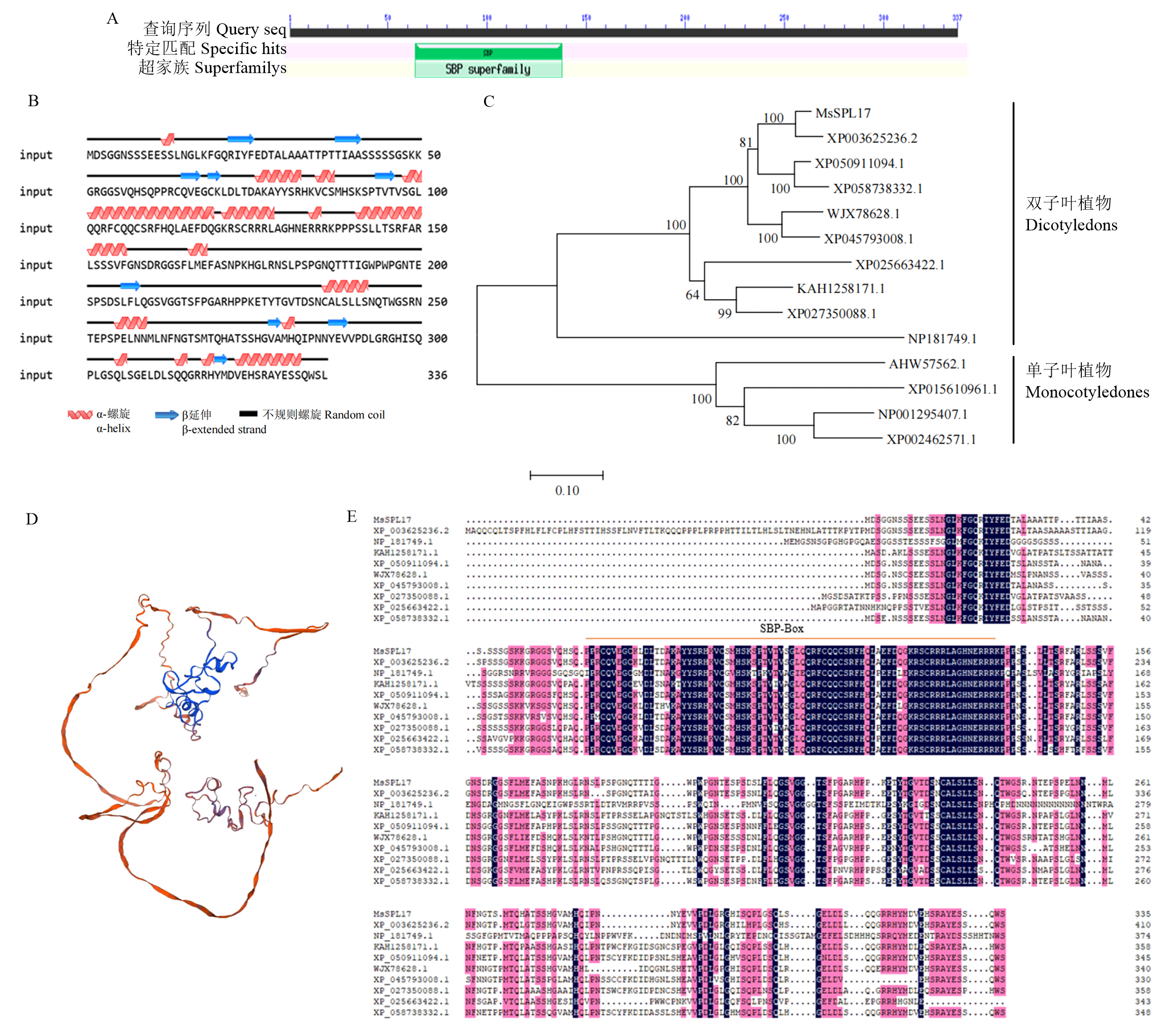
Fig. 1

Analysis of MsSPL17 protein sequence A: Prediction of protein conserved domain; B: Prediction of the secondary structure; C: Protein sequences alignment of MsSPL17 with different plant species; D: Protein tertiary structure prediction; E: MsSPL17 was aligned with protein sequences of different species. XP_003625236.2: Medicago truncatula; XP_003625236.2: Arabidopsis thaliana; NP_181749.1: Glycine max; KAH1258171.1: Pisum sativum; XP_050911094.1: Trifolium repens; WJX78628.1: Trifolium pratense; XP_045793008.1: Vicia sepium; XP_027350088.1: Arachis hypogaea; XP_025663422.1: Abrus precatorius; XP_058738332.1: Oryza sativa; XP_015610961.1: Sorghum bicolor; NP_001295407.1: Triticum aestivum; XP_002462571.1: Zea mays"

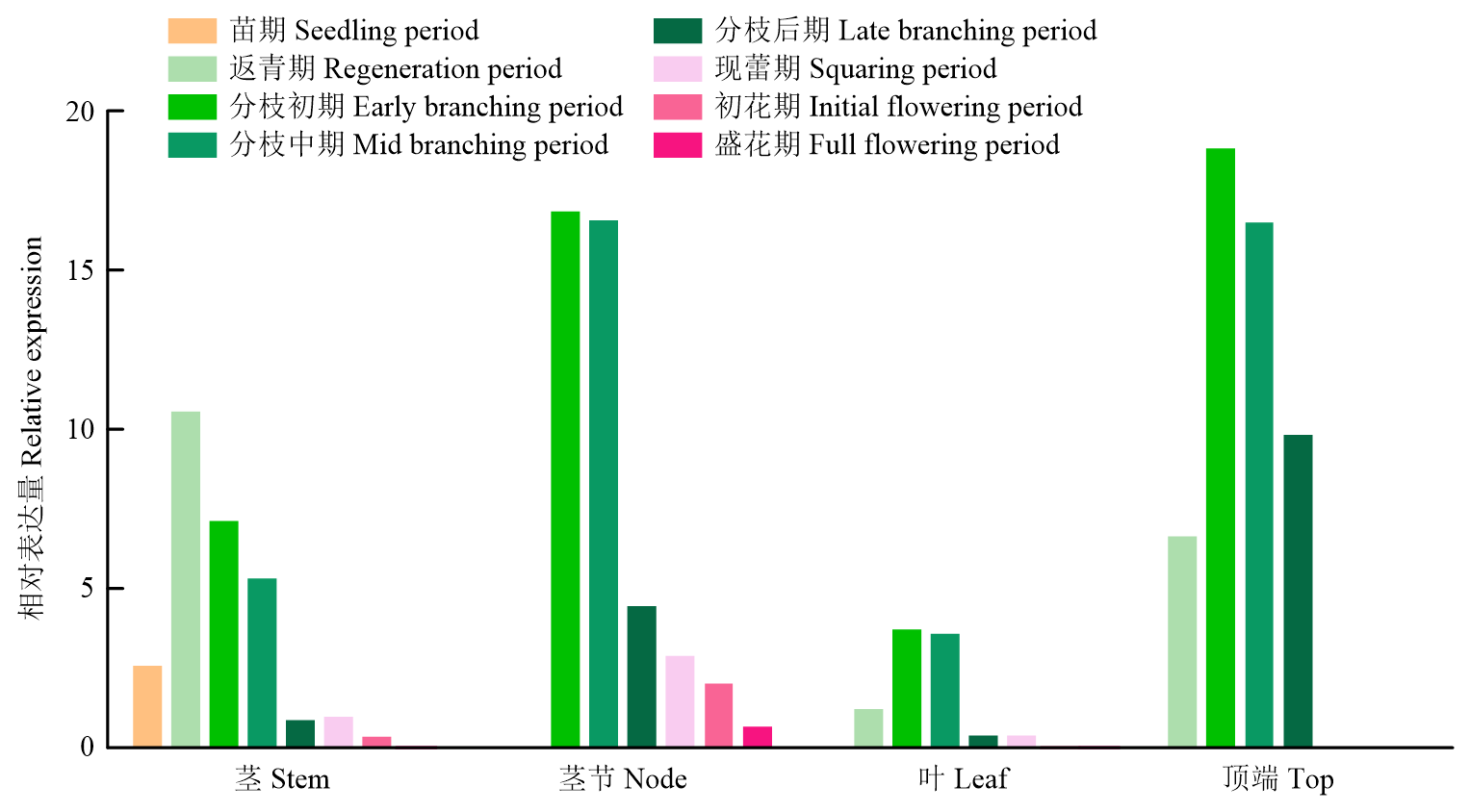
Fig. 2

Tissue expression pattern of MsSPL17 gene in alfalfa"

Fig. 3

Subcellular localization of MsSPL17 protein"

Fig. 4

Autoactivation test of MsSPL17"

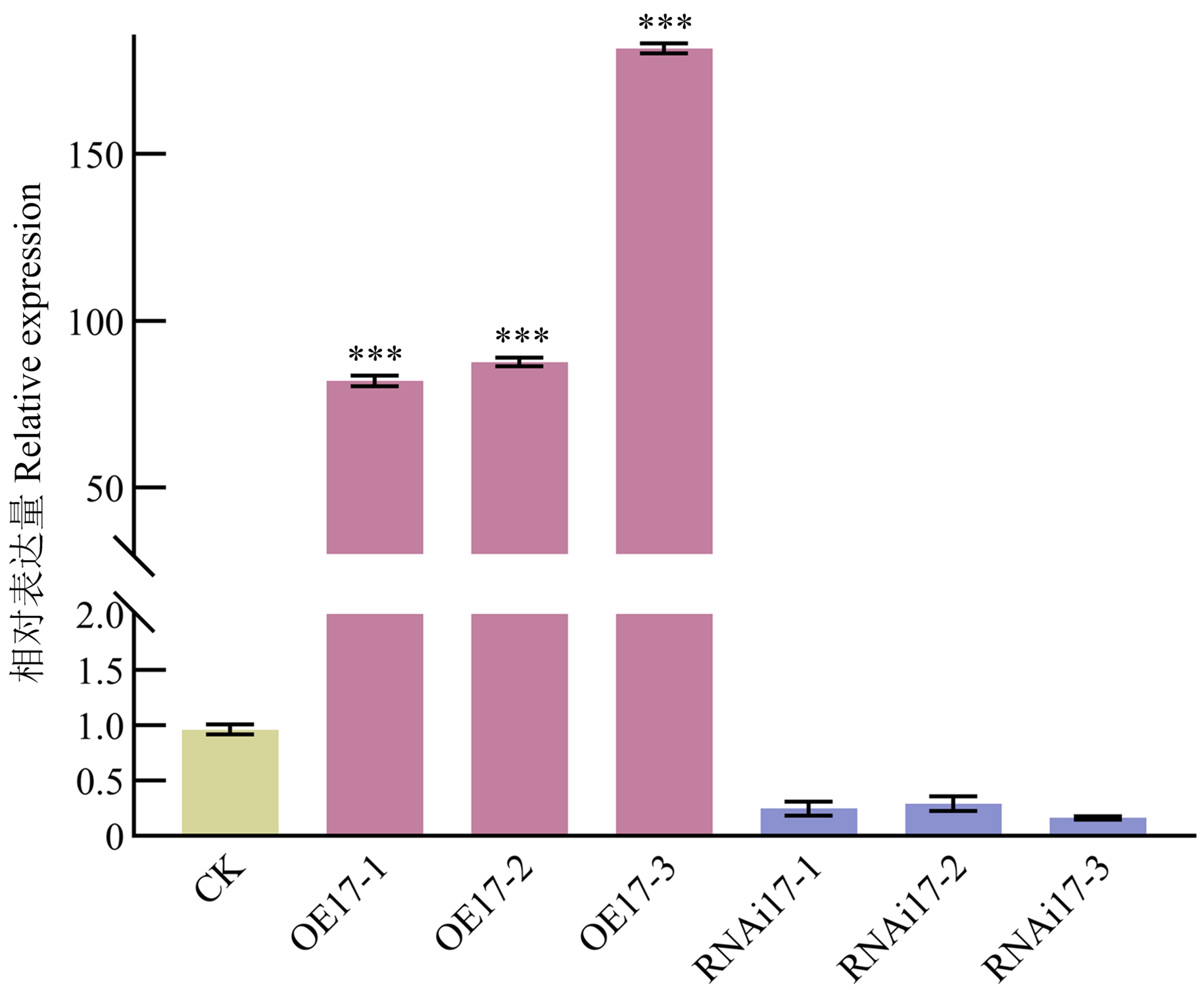
Fig. 5

Identification of alfalfa over-expressing MsSPL17 *** indicates highly significant difference with P<0.001. The same as below"

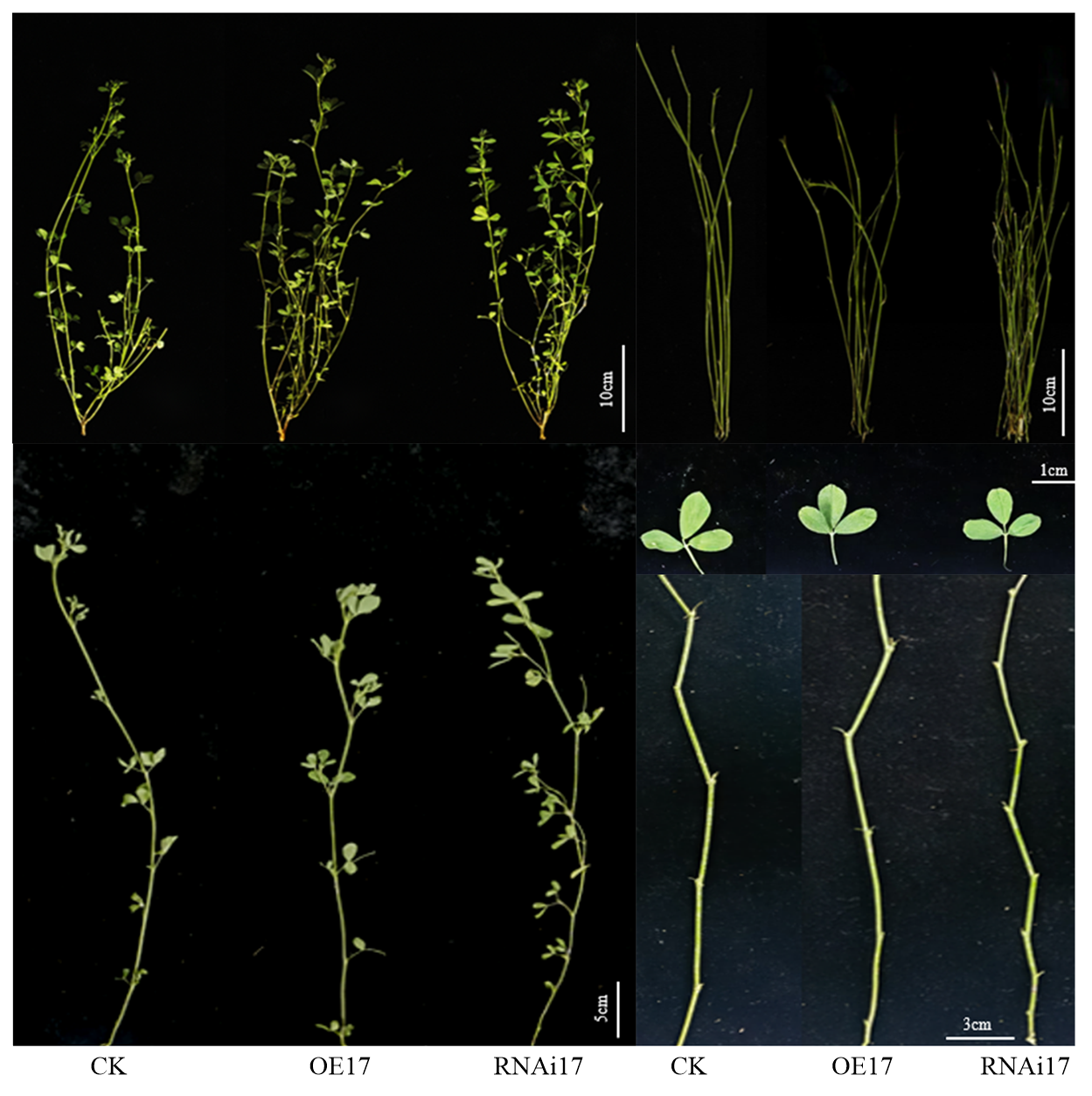
Fig. 6

Morphological observation of transgenic alfalfa"

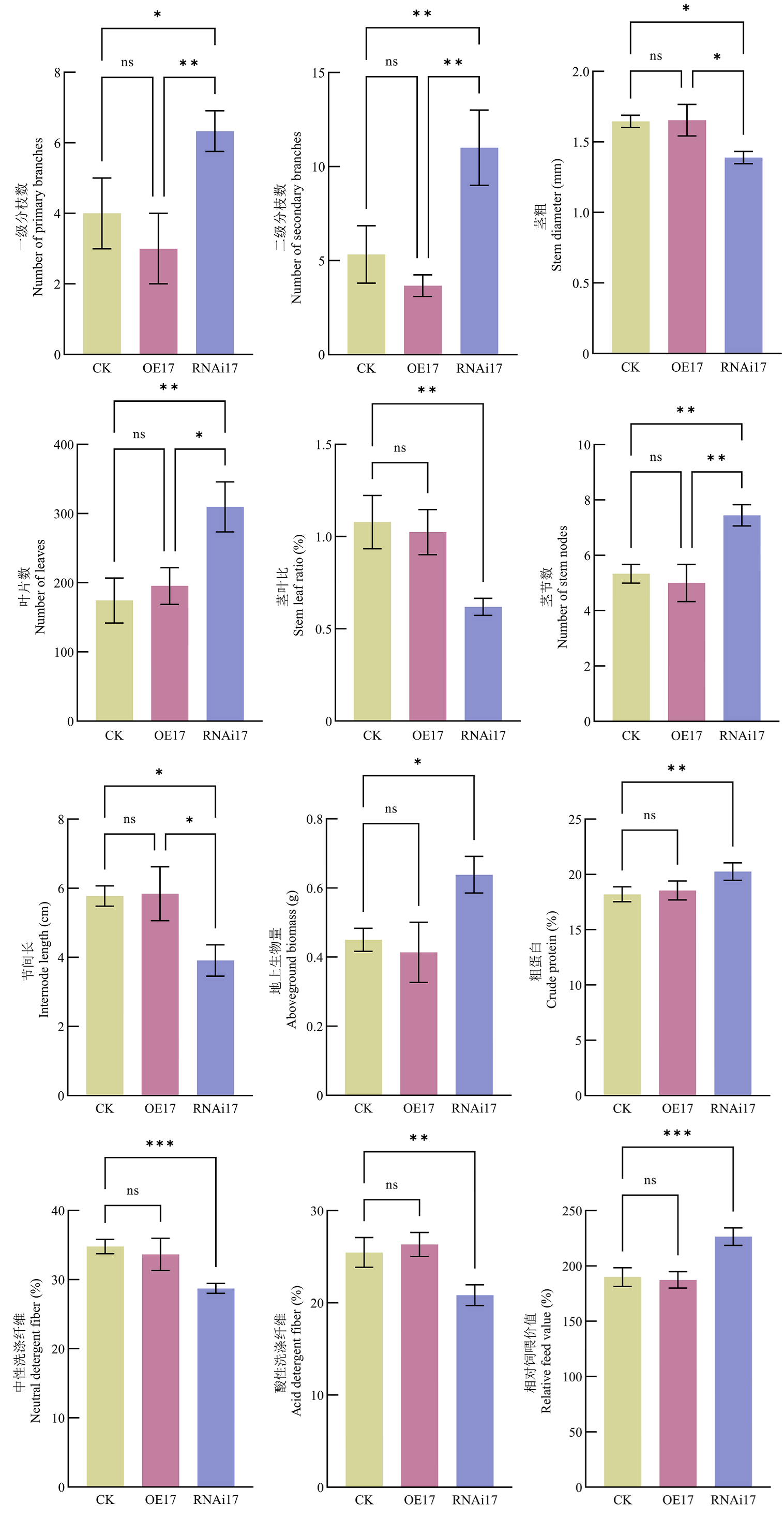
Fig. 7

Phenotype data of wild type and MsSPL17 transgenic alfalfa ns: No significant difference; *: Significant difference with P<0.05; **: Highly significant difference with P<0.01"

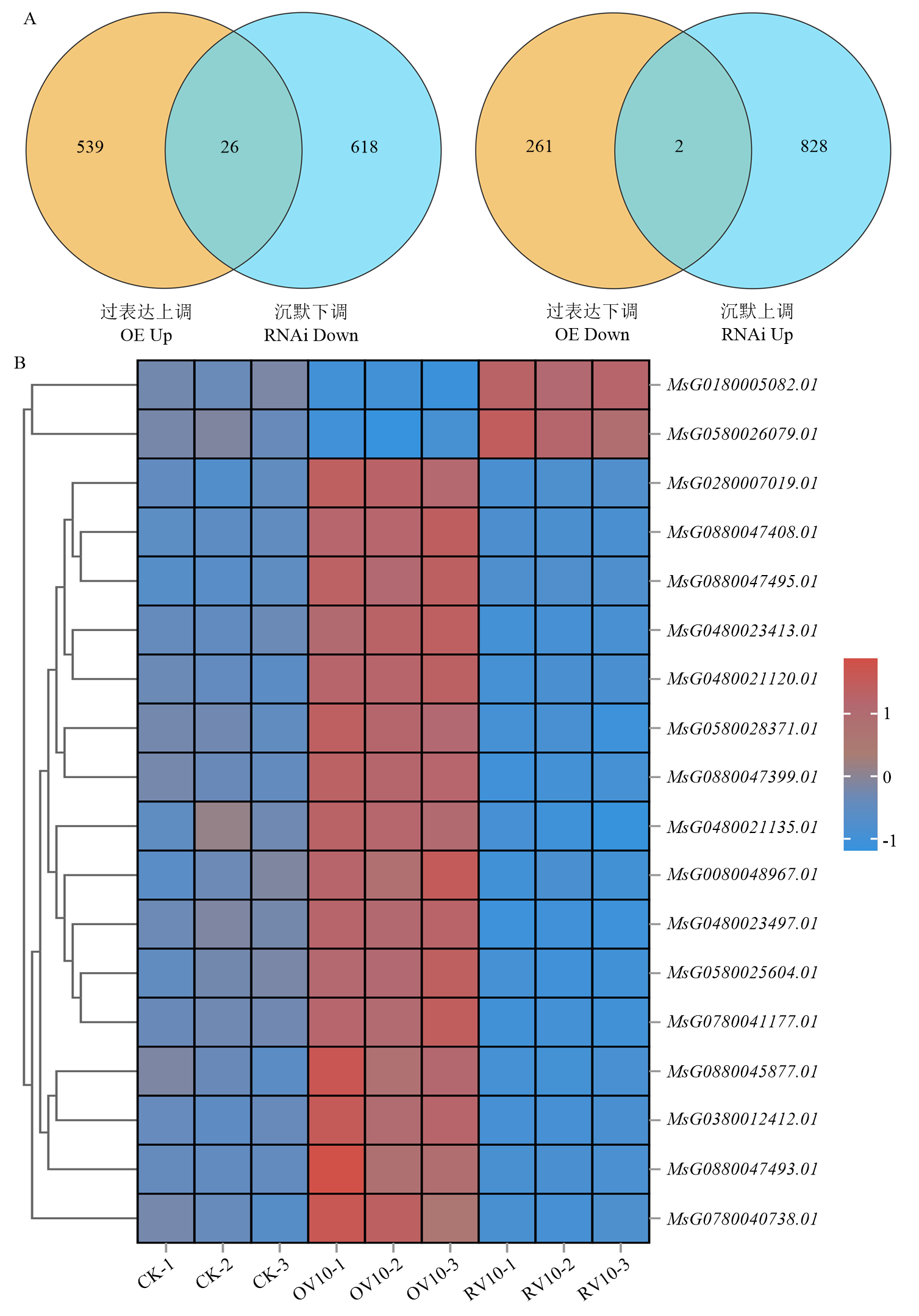
Fig. 8

Transcriptome data of differential expression genes between groups A: The opposite expression difference Venn diagram of transgenic plants; B: 18 differentially expressed gene heat map"

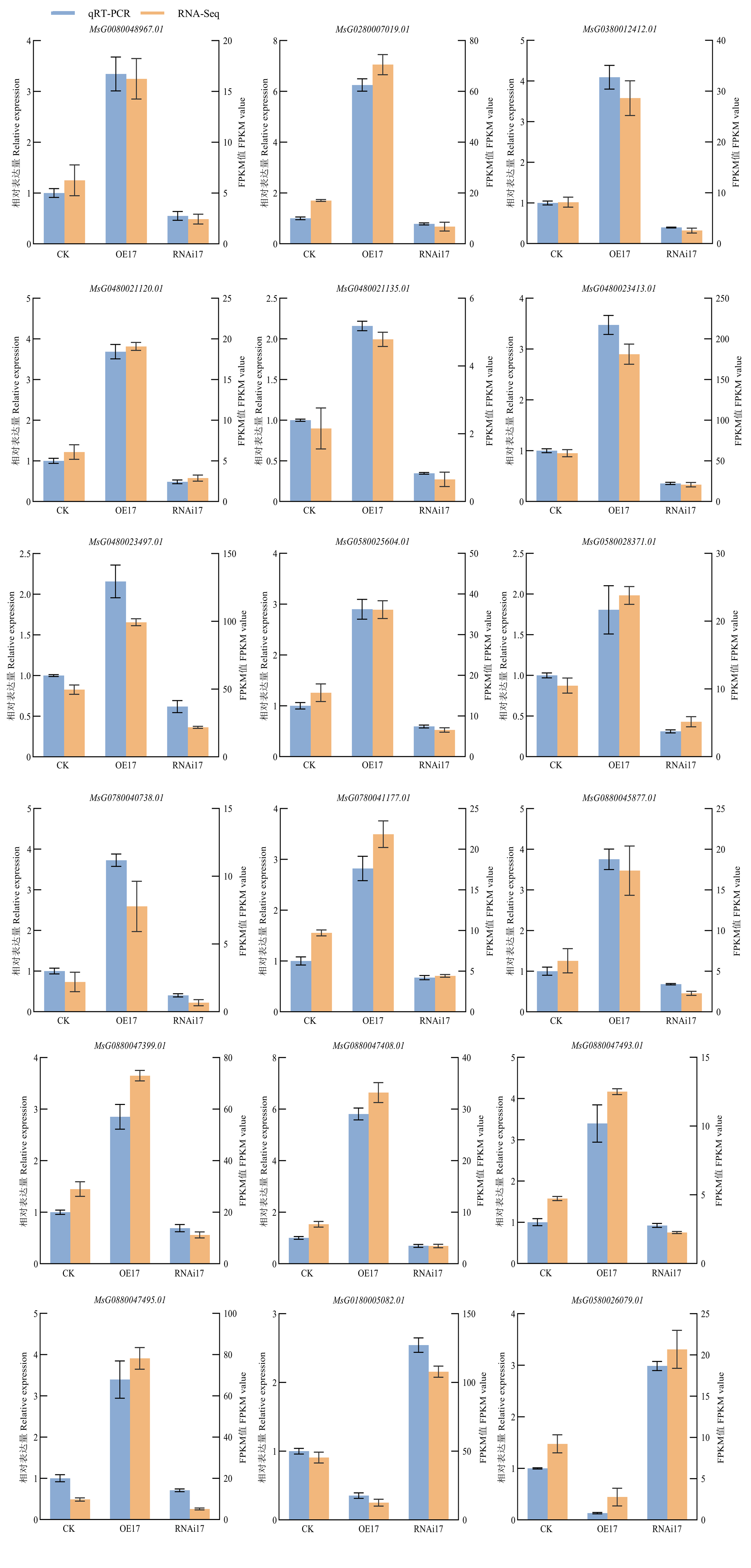
Fig. 9

Validation by qRT-PCR and RNA-Seq"

[1]
金京波, 王台, 程佑发, 王雷, 张景昱, 景海春, 种康. 我国牧草育种现状与展望. 中国科学院院刊, 2021, 36(6): 660-665.
JIN J B, WANG T, CHENG Y F, WANG L, ZHANG J Y, JING H C, ZHONG K. Current situation and prospect of forage breeding in China. Bulletin of Chinese Academy of Sciences, 2021, 36(6): 660-665. (in Chinese)
[2]
毛培胜, 欧成明, 贾志程, 洪流, 马馼. 我国牧草与草坪草种子生产技术的研究进展. 中国草地学报, 2023, 45(1): 1-11.
MAO P S, OU C M, JIA Z C, HONG L, MA W. Research progress for seed production technology of herbage and turfgrass in China. Chinese Journal of Grassland, 2023, 45(1): 1-11. (in Chinese)
[3]
HUIJSER P, KLEIN J, LÖNNIG W E, MEIJER H, SAEDLER H, SOMMER H. Bracteomania, an inflorescence anomaly, is caused by the loss of function of the MADS-box gene squamosa in Antirrhinum majus. The EMBO Journal, 1992, 11(4): 1239-1249.
[4]
HYUN Y, RICHTER R, VINCENT C, MARTINEZ-GALLEGOS R, PORRI A, COUPLAND G. Multi-layered regulation of SPL15 and cooperation with SOC1 integrate endogenous flowering pathways at the Arabidopsis shoot meristem. Developmental Cell, 2016, 37(3): 254-266.
[5]
XIE K B, WU C Q, XIONG L Z. Genomic organization, differential expression, and interaction of SQUAMOSA promoter-binding-like transcription factors and microRNA156 in rice. Plant Physiology, 2006, 142(1): 280-293.
[6]
WANG Y, HU Z L, YANG Y X, CHEN X Q, CHEN G P. Bioinformatics analysis of SBP-box gene family in rice. China Journal of Bioinformatics, 2011, 9(1): 82-71.
[7]
葛奇, 席会鹏. 植物SPL转录因子研究进展. 安徽农业科学, 2023, 51(23): 25-29.
GE Q, XI H P. Research progress of plant SPL transcription factors. Journal of Anhui Agricultural Sciences, 2023, 51(23): 25-29. (in Chinese)
[8]
张磊. SPL转录因子研究进展. 农业与技术, 2022, 42(8): 25-27.
ZHANG L. Research progress of SPL transcription factors. Agriculture and Technology, 2022, 42(8): 25-27. (in Chinese)
[9]
韩佳婷, 冯光燕, 帅杨, 焦永娟, 张新全. 植物miR156及靶基因SPL家族的研究进展. 草业科学, 2021, 38(5): 890-902.
HAN J T, FENG G Y, SHUAI Y, JIAO Y J, ZHANG X Q. Advances in research of miRNA156 and targeted SPL gene in plants. Pratacultural Science, 2021, 38(5): 890-902. (in Chinese)
[10]
WANG Y Z, RUAN Q, ZHU X L, WANG B Q, WEI B C, WEI X H. Identification of Alfalfa SPL gene family and expression analysis under biotic and abiotic stresses. Scientific Reports, 2023, 13(1): 84.
[11]
LIN S W, YANG J, LIU Y R, ZHANG W J. MsSPL12 is a positive regulator in alfalfa (Medicago sativa L.) salt tolerance. Plant Cell Reports, 2024, 43(4): 101.
[12]
KESSENS R, SORENSEN N, KABBAGE M. An inhibitor of apoptosis (SfIAP) interacts with SQUAMOSA promoter-binding protein (SBP) transcription factors that exhibit pro-cell death characteristics. Plant Direct, 2018, 2(8): e00081.
[13]
CARDON G H, HÖHMANN S, NETTESHEIM K, SAEDLER H, HUIJSER P. Functional analysis of the Arabidopsis thaliana SBP-box gene SPL3: A novel gene involved in the floral transition. The Plant Journal, 1997, 12(2): 367-377.
[14]
代法国, 胡宗利, 陈国平, 王炳琴, 王翊. 植物特有的SBP-box基因家族的研究进展. 生命科学, 2010, 22(2): 155-160.
DAI F G, HU Z L, CHEN G P, WANG B Q, WANG Y. Progress of plant-specific SBP-box gene family. Chinese Bulletin of Life Sciences, 2010, 22(2): 155-160. (in Chinese)
[15]
SCHWARZ S, GRANDE A V, BUJDOSO N, SAEDLER H, HUIJSER P. The microRNA regulated SBP-box genes SPL9 and SPL15 control shoot maturation in Arabidopsis. Plant Molecular Biology, 2008, 67(1/2): 183-195.
[16]
LU Z F, YU H, XIONG G S, WANG J, JIAO Y Q, LIU G F, JING Y H, MENG X B, HU X M, QIAN Q, FU X D, WANG Y H, LI J Y. Genome-wide binding analysis of the transcription activator ideal plant architecture1 reveals a complex network regulating rice plant architecture. The Plant Cell, 2013, 25(10): 3743-3759.

doi: 10.1105/tpc.113.113639 pmid: 24170127
[17]
ASSUERO S G, BULLET, TOGENTTI J A. Tillering regulation by endogenous and environmental factors and its agricultural management. Agricultural and Food Sciences, 2010, 4: 35-48.
[18]
LI Y, HE Y Z, LIU Z X, QIN T, WANG L, CHEN Z H, ZHANG B M, ZHANG H T, LI H T, LIU L, ZHANG J, YUAN W Y. OsSPL14 acts upstream of OsPIN1b and PILS6b to modulate axillary bud outgrowth by fine-tuning auxin transport in rice. The Plant Journal, 2022, 111(4): 1167-1182.
[19]
HU L, CHEN W L, YANG W, LI X L, ZHANG C, ZHANG X Y, ZHENG L, ZHU X B, YIN J J, QIN P, WANG Y P, MA B T, LI S G, YUAN H, TU B. OsSPL9 regulates grain number and grain yield in rice. Frontiers in Plant Science, 2021, 12: 682018.
[20]
XIE Y R, LIU Y, MA M D, ZHOU Q, ZHAO Y P, ZHAO B B, WANG B B, WEI H B, WANG H Y. Arabidopsis FHY3 and FAR1 integrate light and strigolactone signaling to regulate branching. Nature Communications, 2020, 11(1): 1955.
[21]
CUI L, ZHENG F Y, WANG J F, ZHANG C L, XIAO F M, YE J, LI C X, YE Z B, ZHANG J H. miR156a-targeted SBP-Box transcription factor SlSPL13 regulates inflorescence morphogenesis by directly activating SFT in tomato. Plant Biotechnology Journal, 2020, 18(8): 1670-1682.
[22]
CHEN S Y, SONG X W, ZHENG Q X, LIU Y Q, YU J Q, ZHOU Y H, XIA X J. The transcription factor SPL13 mediates strigolactone suppression of shoot branching by inhibiting cytokinin synthesis in Solanum lycopersicum. Journal of Experimental Botany, 2023, 74(18): 5722-5735.
[23]
LIU J, CHENG X L, LIU P, SUN J Q. miR156-targeted SBP-box transcription factors interact with DWARF53 to regulate TEOSINTE BRANCHED1 and BARREN STALK1 expression in bread wheat. Plant Physiology, 2017, 174(3): 1931-1948.
[24]
GOU J Q, DEBNATH S, SUN L, FLANAGAN A, TANG Y H, JIANG Q Z, WEN J Q, WANG Z Y. From model to crop: Functional characterization of SPL8 in M. truncatula led to genetic improvement of biomass yield and abiotic stress tolerance in alfalfa. Plant Biotechnology Journal, 2018, 16(4): 951-962.
[25]
GAO R M, GRUBER M Y, AMYOT L, HANNOUFA A. SPL13 regulates shoot branching and flowering time in Medicago sativa. Plant Molecular Biology, 2018, 96(1/2): 119-133.
[26]
FU C X, SUNKAR R, ZHOU C E, SHEN H, ZHANG J Y, MATTS J, WOLF J, MANN D G J, STEWART C N Jr, TANG Y H, WANG Z Y. Overexpression of miR156 in switchgrass (Panicum virgatum L.) results in various morphological alterations and leads to improved biomass production. Plant Biotechnology Journal, 2012, 10(4): 443-452.
[27]
GOU J Q, FU C X, LIU S J, TANG C R, DEBNATH S, FLANAGAN A, GE Y X, TANG Y H, JIANG Q Z, LARSON P R, WEN J Q, WANG Z Y. The miR156-SPL4 module predominantly regulates aerial axillary bud formation and controls shoot architecture. The New Phytologist, 2017, 216(3): 829-840.
[28]
GOU J Q, TANG C R, CHEN N C, WANG H, DEBNATH S, SUN L, FLANAGAN A, TANG Y H, JIANG Q Z, ALLEN R D, WANG Z Y. SPL7 and SPL8 represent a novel flowering regulation mechanism in switchgrass. The New Phytologist, 2019, 222(3): 1610-1623.
[29]
MA L, LIU X Q, LIU W H, WEN H Y, ZHANG Y C, PANG Y Z, WANG X M. Characterization of Squamosa-promoter binding protein-box family genes reveals the critical role of MsSPL20 in alfalfa flowering time regulation. Frontiers in Plant Science, 2022, 12: 775690.
[30]
MIN X Y, LUO K, LIU W X, ZHOU K Y, LI J Y, WEI Z W. Molecular characterization of the miR156/MsSPL model in regulating the compound leaf development and abiotic stress response in alfalfa. Genes, 2022, 13(2): 331.
[31]
LIU W, KOHLEN W, LILLO A, OP DEN CAMP R O, IVANOV S, HARTOG M, LIMPENS E, JAMIL M, SMACZNIAK C, KAUFMANN K, YANG W C, HOOIVELD G J E J, CHARNIKHOVA T, BOUWMEESTER H J, BISSELING T, GEURTS R. Strigolactone biosynthesis in Medicago truncatula and rice requires the symbiotic GRAS-type transcription factors NSP1 and NSP2. The Plant Cell, 2011, 23(10): 3853-3865.
[32]
白玉龙, 姜永, 赵剑平, 那日娜, 乌仁图雅. 禾本科牧草与豆科牧草营养成分比较. 当代畜牧, 2007(12): 34-35.
BAI Y L, JIANG Y, ZHAO J P, NA R N, WU R T Y. Nutrient composition ratio of gramineous forage and leguminous forage. Contemporary Animal Husbandry, 2007(12): 34-35. (in Chinese)
[33]
LORENZO C D, GARCÍA-GAGLIARDI P, ANTONIETTI M S, SÁNCHEZ-LAMAS M, MANCINI E, DEZAR C A, VAZQUEZ M, WATSON G, YANOVSKY M J, CERDÁN P D. Improvement of alfalfa forage quality and management through the down-regulation of MsFTa1. Plant Biotechnology Journal, 2020, 18(4): 944-954.
[34]
GUI G W, CHAI H, YIN H, YANG M, HU G F, GUO M Y, YI R, ZHANG P. Full-length transcriptome sequencing reveals the low-temperature-tolerance mechanism of Medicago falcata roots. BMC Plant Biology, 2019, 19(1): 575.
[35]
宋瑞, 张涵, 王雪萌, 田沛鑫, 刘萍, 毛培胜, 贾善刚. 紫花苜蓿多组学研究进展. 中国草地学报, 2023, 45(2): 102-112.
SONG R, ZHANG H, WANG X M, TIAN P X, LIU P, MAO P S, JIA S G. Advances in multi-omics of alfalfa. Chinese Journal of Grassland, 2023, 45(2): 102-112. (in Chinese)
[36]
QI J J, YU X, WANG X Z, ZHANG F F, MA C H. Differentially expressed genes related to plant height and yield in two alfalfa cultivars based on RNA-seq. PeerJ, 2022, 10: e14096.
[1] WANG ZhongNi, LEI Yue, LI JiaLi, GONG YanLong, ZHU SuSong. Functions of ABC Transporter OsARG1 in Rice Heading Date Regulation [J]. Scientia Agricultura Sinica, 2026, 59(1): 1-16.
[2] WANG SiQi, ZOU LiRen, BAI RuiWen, YAN Ke, WANG SiYang, QI XiaoGuang, SHEN HaiLin, WEN JingHui. Screening of Key Genes Related to Gibberellic Acid Regulation of Rachis Hardening in Honey Grapes [J]. Scientia Agricultura Sinica, 2026, 59(1): 179-189.
[3] ZOU XiaoWei, XIA Lei, ZHU XiaoMin, SUN Hui, ZHOU Qi, QI Ji, ZHANG YaFeng, ZHENG Yan, JIANG ZhaoYuan. Analysis of Disease Resistance Induced by Ustilago maydis Strain with Overexpressed UM01240 Based on Transcriptome Sequencing [J]. Scientia Agricultura Sinica, 2025, 58(6): 1116-1130.
[4] SUN Ping, ZHU WenCan, LIN XianRui, WU JiaQi, CAO YiWen, CHEN ChenFei, WANG Yi, ZHU JianXi, JIA HuiJuan, QIAN MinJie, SHEN JianSheng. Effects of Rainy and Low Light Conditions on Coloration and Flavonoid Accumulation in Peach Peel Based on Metabolomic and Transcriptomic Analyses [J]. Scientia Agricultura Sinica, 2025, 58(6): 1173-1194.
[5] XIE LuLu, LI Fu, ZHANG SiYuan, GAO JianChang. Analysis of Conserved Genes in Adventitious Root Formation Based on Cross Species Transcriptomes [J]. Scientia Agricultura Sinica, 2025, 58(6): 1195-1209.
[6] GAO YanHao, WANG TingTing, BAI WeiWei, DU XingJie, LIU Xian, QIN BenYuan, FU Tong, SUN Yu, GAO TengYun, ZHANG TianLiu. The Combination of Lipidome and Transcriptome Revealed the Differential Expression Patterns of Lipid Characteristics in Different Muscle Tissues for Nanyang Cattle [J]. Scientia Agricultura Sinica, 2025, 58(6): 1239-1258.
[7] WANG WenJuan, SHI ShangLi, KANG WenJuan, DU YuanYuan, YIN Chen. The Physiological Response of Longzhong Alfalfa to Exogenous Spermine Under Drought Stress [J]. Scientia Agricultura Sinica, 2025, 58(4): 676-691.
[8] WANG Fan, LIU ChenWei, LU HongChen, XU RenChao, BIAN XiaoChun. Transcriptome Analysis of Vicia faba Response to Alternaria alternata Infection and Validation of the Disease Resistance Function of VfPR4 [J]. Scientia Agricultura Sinica, 2025, 58(22): 4656-4672.
[9] HUANG HongMei, WANG SiQi, YANG QingChuan, GUO ChangHong, WANG Xue. Phosphate Transporter MsPT5 Regulates Phosphate Uptake and Utilization in Alfalfa [J]. Scientia Agricultura Sinica, 2025, 58(21): 4544-4556.
[10] MU YingTong, LU JingShi, ZHANG YuTong, SHI FengLing. Identification of Key Drought-Responsive Genes in Upright Medicago ruthenica Sojak cv. Zhilixing Based on Transcriptome Sequencing and WGCNA [J]. Scientia Agricultura Sinica, 2025, 58(21): 4528-4543.
[11] YANG YongNian, ZENG XiangCui, LIU QingSong, LI RuYue, LONG RuiCai, CHEN Lin, WANG Xue, HE Fei, KANG JunMei, LI MingNa. Differential Proteomic Analysis of Alfalfa Seedlings Under Salt- Alkaline Stress [J]. Scientia Agricultura Sinica, 2025, 58(21): 4512-4527.
[12] LÜ HuanHuan, LI RuYue, LIU QingSong, XU Lei, XU YanRan, YU HaoJie, GUO ChangHong, LONG RuiCai. Cloning and Salt Tolerance Function Analysis of MsKTI3 Gene in Alfalfa [J]. Scientia Agricultura Sinica, 2025, 58(21): 4497-4511.
[13] XU XiuYuan, ZHANG HongZhi, XU LiJun, XUE Wei, NIE YingYing, GUO MingYing, LI JinXia, ZHAO YaRu, SHI MingJiang. Effects of Nitrogen Fertilization on Photosynthetic Carbon Allocation in Pasture Based on 13C Pulse-Labeling Experiments [J]. Scientia Agricultura Sinica, 2025, 58(21): 4346-4356.
[14] ZHANG Fan, YANG QingChuan. The Breeding History, Current Status and Prospects of Alfalfa [J]. Scientia Agricultura Sinica, 2025, 58(21): 4471-4481.
[15] PAN Yuan, WANG De, LIU Nan, MENG XiangLong, DAI PengBo, LI Bo, HU TongLe, WANG ShuTong, CAO KeQiang, WANG YaNan. Evaluation of the Effectiveness of Two High-Throughput Sequencing Techniques in Identifying Apple Viruses and Identification of Two Novel Viruses [J]. Scientia Agricultura Sinica, 2025, 58(2): 266-280.
Viewed
Full text


Abstract

Cited

  Shared   
  Discussed   
No Suggested Reading articles found!