Scientia Agricultura Sinica ›› 2026, Vol. 59 ›› Issue (21): 4746-4764.doi: 10.3864/j.issn.0578-1752.2026.21.004

• TILLAGE & CULTIVATION·PHYSIOLOGY & BIOCHEMISTRY·AGRICULTURE INFORMATION TECHNOLOGY • Previous Articles     Next Articles

Effects of Late Spring Coldness at the Anther Connective Stage on the Morphology and Metabolomics of Superior and Inferior Grains in Wheat

WENG Ying(), WANG Hao, LIU ZeHao, GUO YiTing, TANG YaTing, LIU Liu, ZHENG BaoQiang, LI JinCai(), CHEN Xiang()   

  1. College of Agriculture, Anhui Agricultural University/National Engineering Laboratory of Crop Stress Resistance Breeding/Huaibei Field Comprehensive Scientific Observation and Research Station, Ministry of Agriculture and Rural Affairs, Hefei 230036
  • Received:2026-01-05 Accepted:2026-09-20 Online:2026-11-01 Published:2026-11-06
  • Contact: LI JinCai, CHEN Xiang

Abstract:

【Objective】Late spring coldness is a major agro-meteorological disaster constraint limiting large-scale yield improvement of wheat in the Huang-Huai Plain of China. It not only affects spikelet and floret development but also influences grain weight. This study combined grain phenotype determination and untargeted metabolomics analysis to systematically investigate the morphology, grain weight, and metabolic responses of superior and inferior grains under varying degrees of late spring coldness at the anther connective stage, aiming to elucidate the intrinsic mechanisms underlying the differences in grain filling between superior and inferior grains of wheat with different resistances to late spring coldness from the perspectives of grain sink capacity formation and metabolic regulation. 【Method】In this study, the cold-tolerant wheat cultivar Yannong 19 (YN19) and the cold-sensitive cultivar Xinmai 26 (XM26) were used as experimental materials. Low-temperature treatments were conducted in an artificial climate chamber at the anther connective stage of young spike differentiation to simulate late spring coldness conditions in the field, with three temperature gradients (CK: 10 ℃; T1: 2 ℃; T2: −2 ℃). At maturity, the main agronomic traits of wheat were investigated. Grain morphology and grain weight were dynamically measured at 7, 14, 21, 28, and 35 days after anthesis to analyze the changes in grain sink capacity and grain weight under different temperature treatments. Superior and inferior grains were collected at 14 and 21 days after anthesis, respectively, and untargeted metabolomics analysis was performed using liquid chromatography-mass spectrometry (LC-MS). Multivariate statistical analysis was combined to screen differential metabolites, and the shared and specific responses of metabolites among different cultivars, stress intensities, grain-filling stages, and grain positions were compared. KEGG was used for metabolic pathway enrichment analysis. 【Result】Late spring coldness significantly inhibited the increase in grain sink capacity and reduced grain volume at maturity. In both wheat cultivars, the thousand-grain weight of superior and inferior grains decreased significantly with increasing stress intensity, with a more pronounced reduction observed in inferior grains. Metabolomic analysis identified a total of 2 474 metabolites, including 1 118 annotated metabolites. The number of differentially accumulated metabolites increased markedly with increasing intensity of late spring coldness, and XM26 exhibited more differentially accumulated metabolites than YN19. Only a small number of common differentially accumulated metabolites were shared among different treatments and cultivars. Notably, L-phenylalanine in superior grains at 21 d was identified as a common significantly different metabolite in multiple comparison groups. KEGG pathway enrichment analysis revealed that, under late spring coldness, differentially accumulated metabolites in superior grains were mainly enriched in energy metabolism-related pathways, such as the tricarboxylic acid (TCA) cycle and glycolysis/gluconeogenesis. In contrast, differentially accumulated metabolites in inferior grains were predominantly enriched in pathways associated with energy compensation and antioxidative responses, including starch and sucrose metabolism, oxidative phosphorylation, and glutathione metabolism. 【Conclusion】Late spring coldness exacerbated the differences in grain filling between superior and inferior grains by disrupting energy metabolism and assimilate accumulation during the grain-filling period. These findings provided the metabolomic evidence for elucidating the damage mechanisms of late spring coldness in wheat and for the breeding of cold-tolerant wheat cultivars.

Key words: wheat, late spring coldness, superior and inferior grains, metabolome, differentially accumulated metabolites

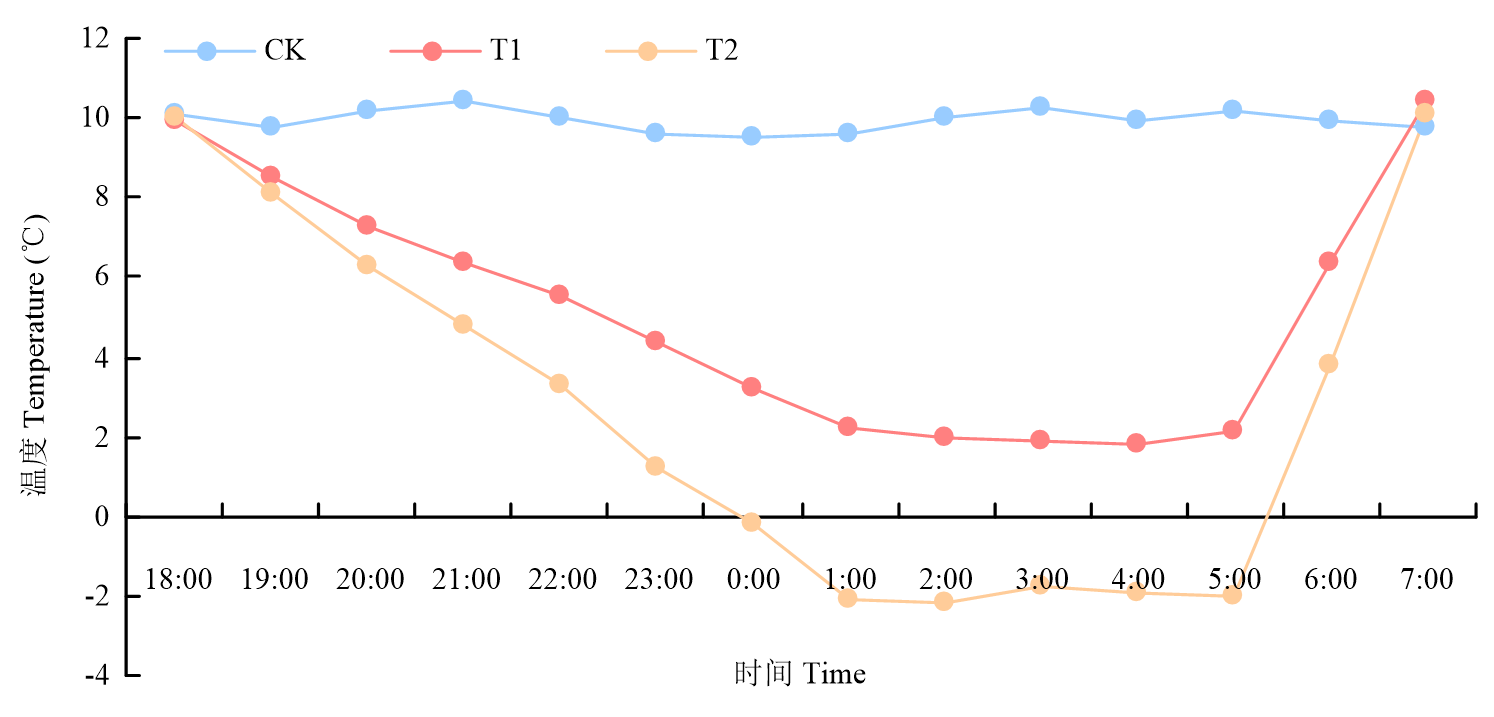
Fig. 1

Temperature change in the artificial climate chamber during the experiment CK: Control temperature at 10 ℃; T1: Low-temperature treatment at 2 ℃; T2: Low-temperature treatment at -2 ℃. The same as below"

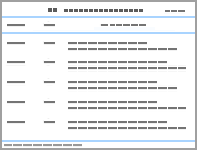
Table 1

Effect of late spring coldness on the agronomic traits of two wheat varieties"

品种
Variety
处理
Treatment
株高
PH (cm)
重心高度
CGH (cm)
穗下节间长
SIL (cm)
穗长
SL (cm)
穗宽
SW (mm)
总小穗数
TS
结实小穗数
FS
小穗结实率
SSR (%)
产量
YP (g/pot)
YN19 CK 74.36±0.43a 49.70±0.70a 21.92±0.17a 9.98±0.08b 11.76±0.40b 21.80±0.37ab 19.80±0.37a 90.82±0.15a 32.86±0.39b
T1 71.44±1.45b 46.70±0.75b 20.22±0.66b 9.72±0.09c 11.47±0.26b 21.60±0.51ab 19.40±0.40ab 89.85±0.74a 30.72±0.59cd
T2 68.50±1.27c 44.40±1.03c 18.94±0.71c 9.48±0.08d 10.26±0.16c 21.00±0.45ab 18.60±0.40bc 88.60±1.06ab 29.29±0.42d
XM26 CK 66.22±0.88d 42.54±0.76d 15.90±0.38d 10.46±0.17a 13.43±0.33a 22.00±0.32a 20.00±0.32a 90.90±0.13a 39.71±1.66a
T1 62.44±0.85e 38.06±1.35e 14.30±0.39e 10.00±0.04b 11.40±0.41b 21.20±0.20ab 18.40±0.24c 86.79±0.93bc 32.35±0.94bc
T2 60.80±0.54f 37.22±0.29e 12.56±0.55f 9.72±0.20c 10.44±0.12c 20.60±0.40b 17.40±0.24d 84.55±1.59c 30.26±1.32d
F值
F-value
F-Variety 412.36** 432.41** 894.33** 32.34** 6.01* 0.38 7.09* 12.27** 40.15**
F-Treatment 64.53** 73.12** 79.88** 37.62** 28.93** 3.82* 19.22** 13.89** 61.06**
F-V×T 0.88 1.77 0.47 1.6 5.05* 0.38 3.05 3.48 13.99**

Fig. 2

Grain size changes of superior and inferior wheat grains at different days after anthesis G1, G2 and G3 denote the first, second and third grain positions within a spikelet, respectively"

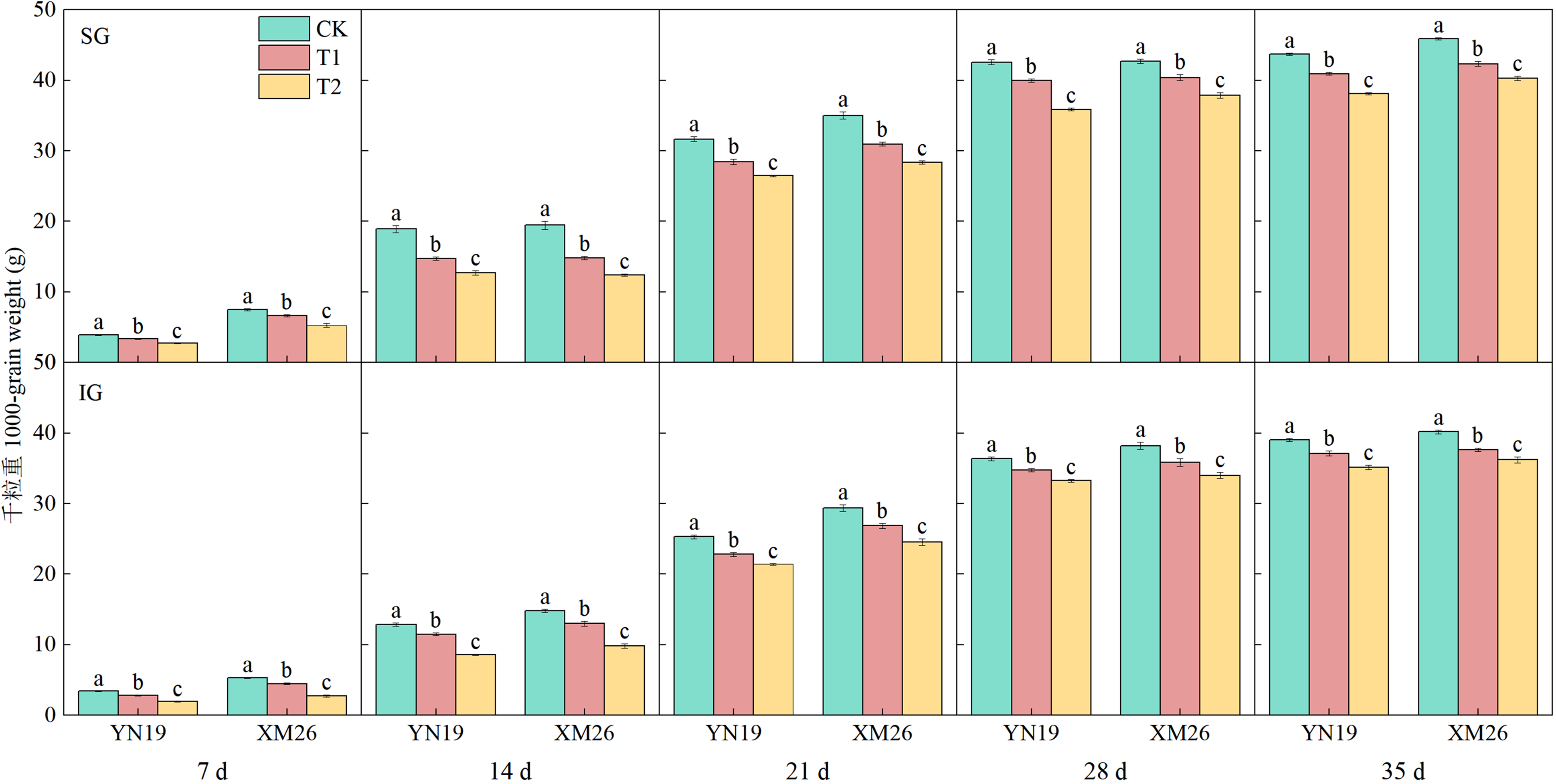
Fig. 3

Effects of late spring coldness on the 1000-grain weight of superior and inferior grains at different post-flowering periods in two wheat varieties SG: Superior grain; IG: Inferior grain. Different lowercase letters indicate significant differences among different treatments at the 0.05 probability level"

Fig. 4

Principal component analysis and correlation analysis of metabolites A: PC1 and PC2 indicate the first and second principal components, respectively, and the percentage represents the explanatory power of the principal component on the dataset; B: The vertical and diagonal axes represent the sample names of different samples. For Pearson correlation coefficients greater than 0, the color depth represents the strength of the positive correlation: the deeper the color, the stronger the positive correlation"

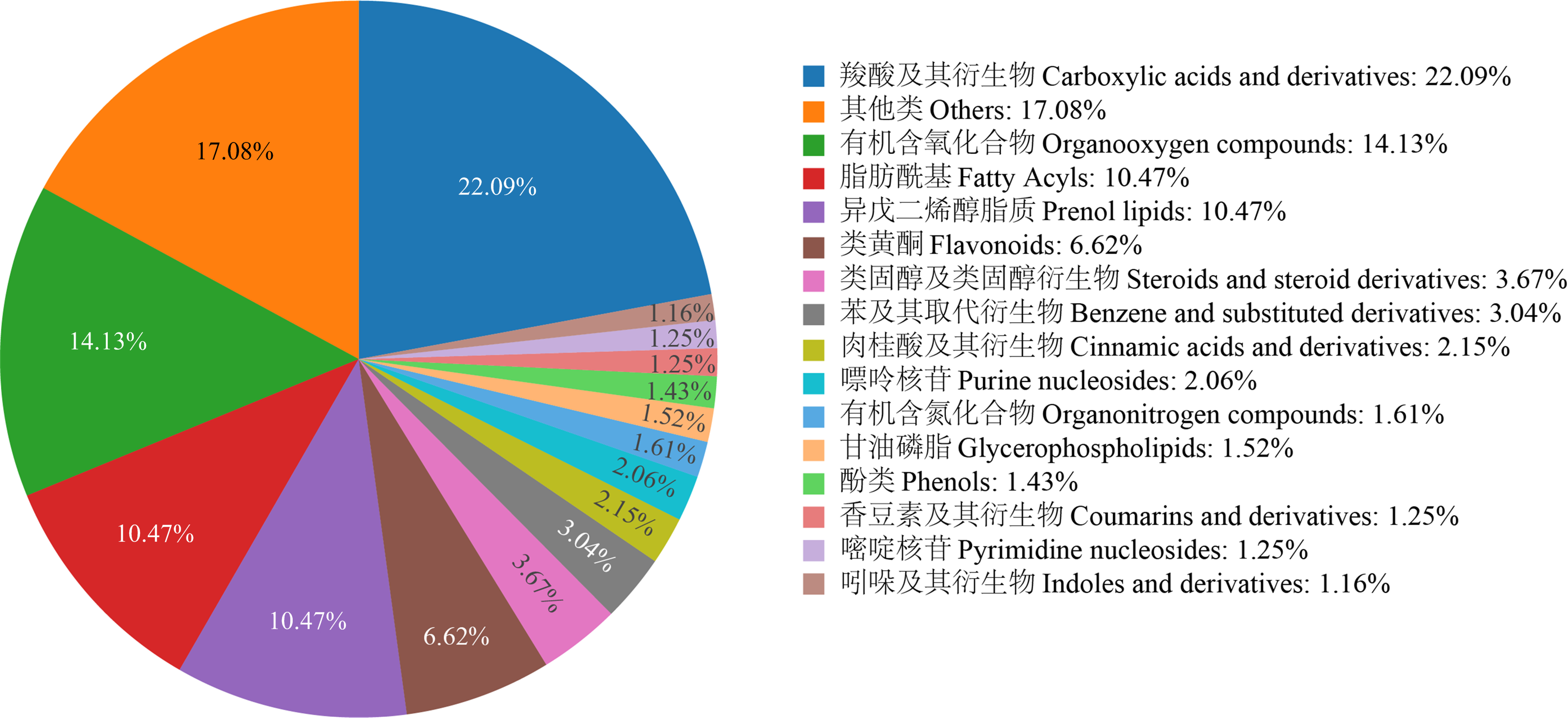
Fig. 5

Classification and statistical analysis of metabolites"

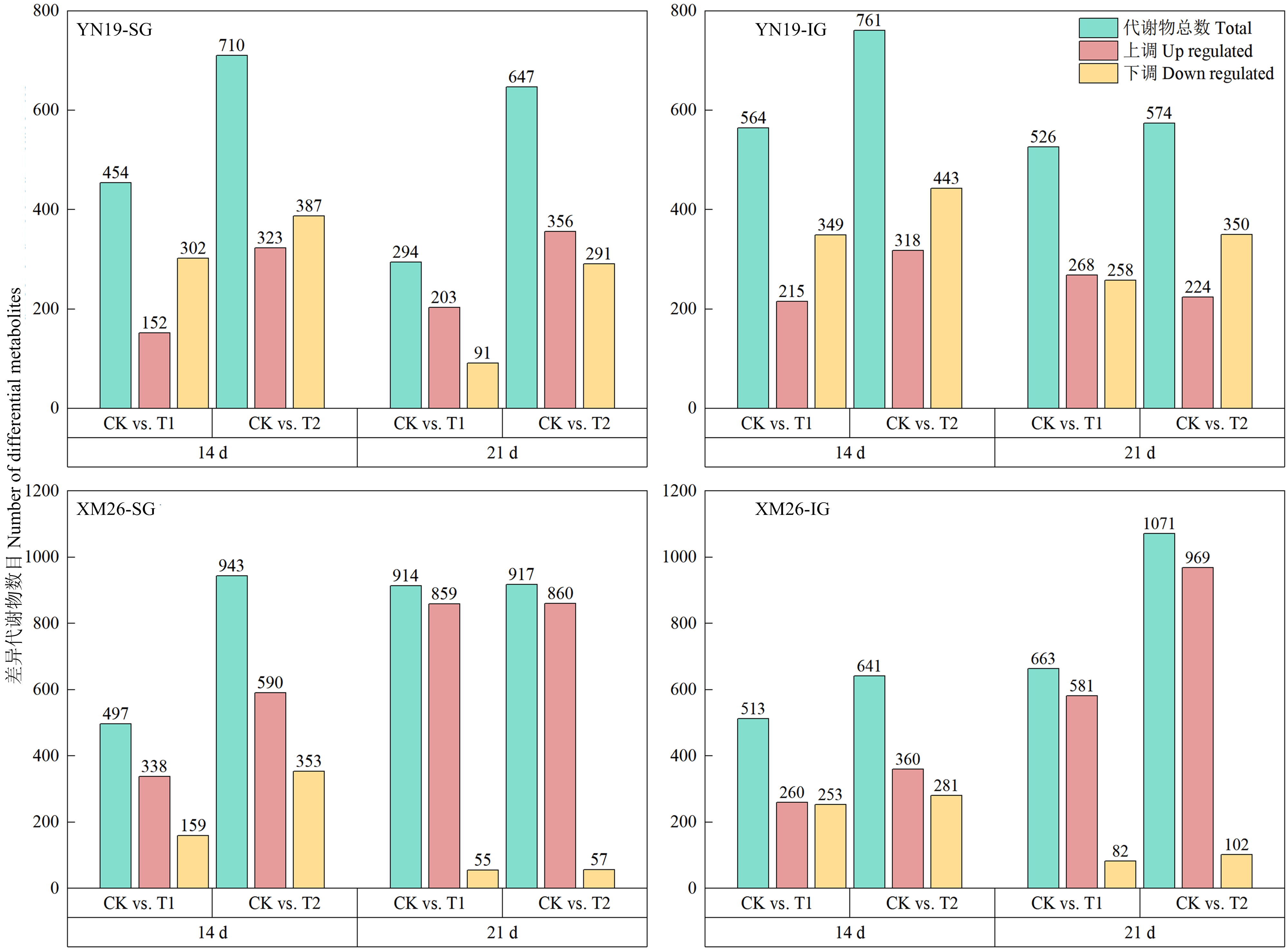
Fig. 6

Analysis of the number of differentially accumulated metabolites"

Fig. 7

Venn diagram of differentially accumulated metabolites at 14 and 21 days after anthesis"

Fig. 8

Fold change plot of differentially accumulated metabolites of superior and inferior grains at 14 days after anthesis between two wheat varieties The horizontal coordinate represents the fold change value of differential metabolite expression, and the vertical coordinate represents the names of the metabolites. The same as below"

Fig. 9

Fold change plot of differentially accumulated metabolites of superior and inferior grains at 21 days after anthesis between two wheat varieties"

Fig. 10

Enrichment map of differentially accumulated metabolites of superior and inferior grains at 14 days after anthesis between two wheat varieties Each bubble in the figure represents a pathway, the horizontal coordinate represents Rich factor and the vertical coordinate represents the metabolic pathway name. The colour of the bubble represents the enrichment significance (P value), the redder the colour, the more significantly the pathway is enriched, and the size of the bubble represents the number of differentially accumulated metabolites enriched to the pathway. The first 20 pathways with the smallest P value are selected for display. The same as below"

Fig. 11

Enrichment map of differentially accumulated metabolites of superior and inferior grains at 21 days after anthesis between two wheat varieties"

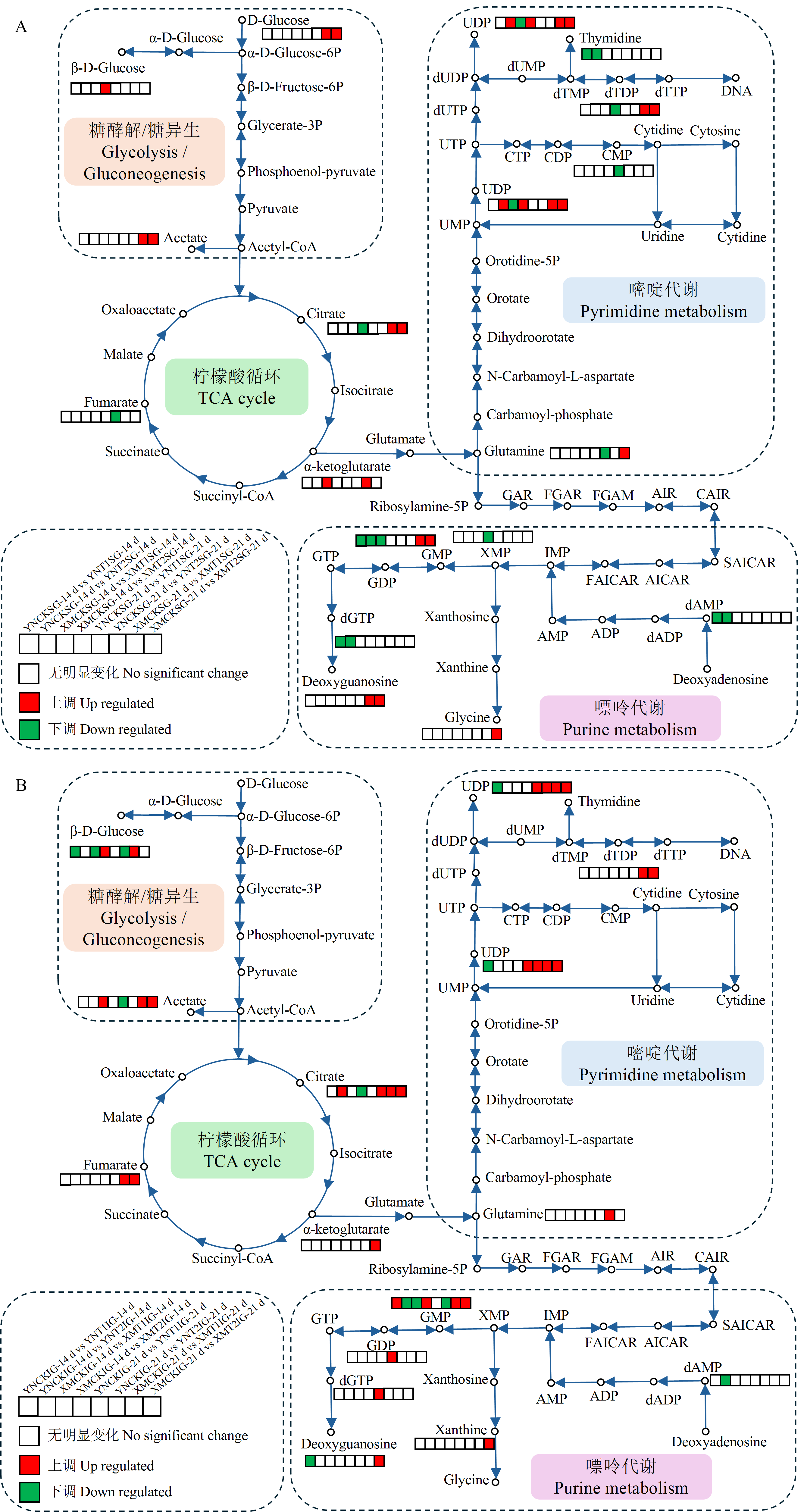
Fig. 12

Changes in the metabolic network of superior and inferior grains under late spring coldness stress A: Superior grain; B: Inferior grain"

[1]
Grote U, Fasse A, Nguyen T T, Erenstein O. Food security and the dynamics of wheat and maize value chains in Africa and Asia[J]. Frontiers in Sustainable Food Systems, 2021, 4: 617009.

doi: 10.3389/fsufs.2020.617009
[2]
IPCC. Climate change 2023: Synthesis report. contribution of working groups I, II and III to the sixth assessment report of the intergovernmental panel on climate change [core writing team, H. Lee and J. Romero (eds.)]. IPCC, Geneva, Switzerland, 2023. https://api.semanticscholar.org/CorpusID:260074696.
[3]
Xiao L J, Liu L L, Asseng S, Xia Y M, Tang L, Liu B, Cao W X, Zhu Y. Estimating spring frost and its impact on yield across winter wheat in China[J]. Agricultural and Forest Meteorology, 2018, 260/261: 154-164.

doi: 10.1016/j.agrformet.2018.06.006
[4]
Holman J D, Schlegel A J, Thompson C R, Lingenfelser J E. Influence of precipitation, temperature, and 56 years on winter wheat yields in western Kansas[J]. Crop Management, 2011, 10(1): 1-10.
[5]
Crimp S J, Zheng B Y, Khimashia N, Gobbett D L, Chapman S, Howden M, Nicholls N. Recent changes in southern Australian frost occurrence: Implications for wheat production risk[J]. Crop & Pasture Science, 2016, 67(8): 801-811.
[6]
Kim Y U, Asseng S, Webber H. Spring frost risk assessment on winter wheat in South Korea[J]. Agricultural and Forest Meteorology, 2025, 366: 110484.

doi: 10.1016/j.agrformet.2025.110484
[7]
Trnka M, Rötter R P, Ruiz-Ramos M, Kersebaum K C, Olesen J E, Žalud Z, Semenov M A. Adverse weather conditions for European wheat production will become more frequent with climate change[J]. Nature Climate Change, 2014, 4(7): 637-643.

doi: 10.1038/nclimate2242
[8]
刘慧, 崔奇峰, 周琳, 钟钰. 黄淮冬小麦大面积单产提升的制约因素与支撑条件-来自豫苏四县(市)的调查[J/OL]. 中国农业资源与区划, 2025-09-08. https://link.cnki.net/urlid/11.3513.S.20250908.1538.029.
Liu H, Cui Q F, Zhou L, Zhong Y. Constraints and supporting conditions for yield increase of winter wheat in larger area in Huanghuai region-From the survey conducted in four counties of Henan and Jiangsu province[J/OL]. Chinese Journal of Agricultural Resources and Regional Planning, 2025-09-08. https://link.cnki.net/urlid/11.3513.S.20250908.1538.029. (in Chinese)
[9]
Zhao Y X, Xiao L J, Tang Y N, Yao X, Cheng T, Zhu Y, Cao W X, Tian Y C. Spatio-temporal change of winter wheat yield and its quantitative responses to compound frost-dry events - An example of the Huang-Huai-Hai Plain of China from 2001 to 2020[J]. Science of the Total Environment, 2024, 940: 173531.

doi: 10.1016/j.scitotenv.2024.173531
[10]
Xu J, Zhang J Q, Wei X, Zhi F, Zhao Y M, Guo Y, Wei S C, Cui Z C, Ga R M. Study on frost damage index and hazard assessment of wheat in the Huanghuaihai region[J]. Ecological Indicators, 2024, 167: 112679.

doi: 10.1016/j.ecolind.2024.112679
[11]
陈翔, 于敏, 蔡洪梅, 吴宇, 张乐乐, 柯媛媛, 许辉, 李金才. 小麦倒春寒研究现状与进展[J]. 应用生态学报, 2021, 32(8): 2999-3009.

doi: 10.13287/j.1001-9332.202108.021
Chen X, Yu M, Cai H M, Wu Y, Zhang L L, Ke Y Y, Xu H, Li J C. Current status and research advances of late spring coldness in wheat[J]. Chinese Journal of Applied Ecology, 2021, 32(8): 2999-3009. (in Chinese)

doi: 10.13287/j.1001-9332.202108.021
[12]
王娟, 刘翼, 姚丹妤, 邹景伟, 肖世和, 孙果忠. 小麦生殖发育阶段对低温的敏感性鉴定[J]. 作物学报, 2022, 48(7): 1721-1729.

doi: 10.3724/SP.J.1006.2022.11045
Wang J, Liu Y, Yao D Y, Zou J W, Xiao S H, Sun G Z. Identification on sensitivity of wheat to low temperature at reproductive stages[J]. Acta Agronomica Sinica, 2022, 48(7): 1721-1729. (in Chinese)

doi: 10.3724/SP.J.1006.2022.11045
[13]
Zheng D X, Yang X G, Mínguez M I, Mu C Y, He Q, Wu X. Effect of freezing temperature and duration on winter survival and grain yield of winter wheat[J]. Agricultural and Forest Meteorology, 2018, 260/261: 1-8.

doi: 10.1016/j.agrformet.2018.05.011
[14]
刘绿洲, 张妍, 张林, 蔡洪梅, 于敏, 魏凤珍, 陈翔, 李金才. 药隔期低温胁迫对小麦功能叶超微结构及光合特性的影响[J]. 中国农业气象, 2023, 44(1): 58-70.
Liu L Z, Zhang Y, Zhang L, Cai H M, Yu M, Wei F Z, Chen X, Li J C. Effects of low temperature stress during the anther differentiation period on leaf anatomical structure and photosynthetic characteristics of wheat[J]. Chinese Journal of Agrometeorology, 2023, 44(1): 58-70. (in Chinese)
[15]
柯媛媛, 陈翔, 张乐乐, 张妍, 许辉, Muhammad Ahmad Hassan, 江港, 林非非, 魏凤珍, 李金才. 药隔期低温胁迫对小麦干物质积累、转运和分配及产量的影响[J]. 安徽农业大学学报, 2021, 48(5): 701-706.
Ke Y Y, Chen X, Zhang L L, Zhang Y, Xu H, Hassan M, Jiang G, Lin F F, Wei F Z, Li J C. Effects of low temperature stress at anther connective stage on dry matter accumulation, translocation and distribution and grain yield of wheat[J]. Journal of Anhui Agricultural University, 2021, 48(5): 701-706. (in Chinese)
[16]
Weng Y, Tang Z W, Huang W X, Wang R, Wang F F, Cai H M, Wang H, Liu Z H, Zheng B Q, Li J C, Chen X. Integrated physiological and transcriptomic analyses reveal the mechanism of reduction in wheat fertile floret number under spring low-temperature stress[J]. The Crop Journal, 2025, 13(4): 1246-1258.

doi: 10.1016/j.cj.2025.06.007
[17]
Chen X, Liu L Z, Cai H M, Zheng B Q, Li J C. Effects of spring low-temperature stress on winter wheat seed-setting characteristics of spike[J]. Plant, Soil and Environment, 2024, 70(2): 84-92.

doi: 10.17221/313/2023-PSE
[18]
高芸, 张玉雪, 马泉, 苏盛楠, 李春燕, 丁锦峰, 朱敏, 朱新开, 郭文善. 春季低温对小麦花粉育性及粒数形成的影响[J]. 作物学报, 2021, 47(1): 104-115.

doi: 10.3724/SP.J.1006.2021.01031
Gao Y, Zhang Y X, Ma Q, Su S N, Li C Y, Ding J F, Zhu M, Zhu X K, Guo W S. Effects of low temperature in spring on fertility of pollen and formation of grain number in wheat[J]. Acta Agronomica Sinica, 2021, 47(1): 104-115. (in Chinese)

doi: 10.3724/SP.J.1006.2021.01031
[19]
Chen X, Weng Y, Tang Z W, Yu M, Wang P N, Wang R, Cai H M, Zheng B Q, Li J C. Cytological and physiological analyses reveal the mechanism of wheat (Triticum aestivum L.) superior and inferior grains weight reduction under spring low-temperature stress[J]. Journal of Agronomy and Crop Science, 2025, 211(4): e70094.

doi: 10.1111/jac.v211.4
[20]
Arbona V, Iglesias D J, Talón M, Gómez-Cadenas A. Plant phenotype demarcation using nontargeted LC-MS and GC-MS metabolite profiling[J]. Journal of Agricultural and Food Chemistry, 2009, 57(16): 7338-7347.

doi: 10.1021/jf9009137 pmid: 19639992
[21]
Zhang Y, Cai H M, Liu L Z, Xu H, Chen X, Li J C. Screening of varieties resistant to late-spring coldness in wheat and effects of late-spring coldness on the ultrastructure of wheat cells[J]. Agronomy, 2023, 13(12): 3011.

doi: 10.3390/agronomy13123011
[22]
Chu J P, Guo X H, Zheng F N, Zhang X, Dai X L, He M R. Effect of delayed sowing on grain number, grain weight, and protein concentration of wheat grains at specific positions within spikes[J]. Journal of Integrative Agriculture, 2023, 22(8): 2359-2369.

doi: 10.1016/j.jia.2023.02.002
[23]
Luo J, Li Z, Mo F, Liao Y C, Liu Y. Removal of superior wheat kernels promotes filling of inferior kernels by changing carbohydrate metabolism and sink strength[J]. The Crop Journal, 2021, 9(6): 1375-1385.

doi: 10.1016/j.cj.2020.12.012
[24]
Zhao Y, Han G, Li Y F, Lv H X. Changes in quality characteristics and metabolites composition of wheat under different storage temperatures[J]. Journal of Stored Products Research, 2024, 105: 102229.

doi: 10.1016/j.jspr.2023.102229
[25]
Zhang X, Yang M, Liu Z, Huang Y, Zhang L, Yang F, Gong J Q, Huo D A. Metabolomics and related genes analysis revealed the distinct mechanism of drought resistance in novel buckwheat and cultivated species[J]. Plant Growth Regulation, 2024, 104(2): 695-711.

doi: 10.1007/s10725-024-01189-z
[26]
Cheong B E, Onyemaobi O, Wing Ho Ho W, Biddulph T B, Rupasinghe T W T, Roessner U, Dolferus R. Phenotyping the chilling and freezing responses of young microspore stage wheat spikes using targeted metabolome and lipidome profiling[J]. Cells, 2020, 9(5): 1309.

doi: 10.3390/cells9051309
[27]
Weiszmann J, Walther D, Clauw P, Back G, Gunis J, Reichardt I, Koemeda S, Jez J, Nordborg M, Schwarzerova J, Pierides I, Nägele T, Weckwerth W. Metabolome plasticity in 241 Arabidopsis thaliana accessions reveals evolutionary cold adaptation processes[J]. Plant Physiology, 2023, 193(2): 980-1000.

doi: 10.1093/plphys/kiad298 pmid: 37220420
[28]
Jiang X D, Chen Q H, Agathokleous E, Zhang J Q, Yang Z Q, Takin M. Effects of low-temperature stress during anthesis stage on dry matter accumulation and yield of winter wheat[J]. Agronomy, 2025, 15(4): 761.

doi: 10.3390/agronomy15040761
[29]
Li J X, Yu Q H, Liu C, Zhang N B, Xu W R. Flavonoids as key players in cold tolerance: Molecular insights and applications in horticultural crops[J]. Horticulture Research, 2025, 12(4): uhae366.
[30]
Lv L J, Dong C, Liu Y P, Zhao A J, Zhang Y L, Li H, Chen X Y. Transcription-associated metabolomic profiling reveals the critical role of frost tolerance in wheat[J]. BMC Plant Biology, 2022, 22(1): 333.

doi: 10.1186/s12870-022-03718-2 pmid: 35820806
[31]
Song Y J, Feng J C, Liu D M, Long C L. Different phenylalanine pathway responses to cold stress based on metabolomics and transcriptomics in Tartary buckwheat landraces[J]. Journal of Agricultural and Food Chemistry, 2022, 70(2): 687-698.

doi: 10.1021/acs.jafc.1c06915 pmid: 34989558
[32]
Zhou L X, Ullah F, Zou J X, Zeng X H. Molecular and physiological responses of plants that enhance cold tolerance[J]. International Journal of Molecular Sciences, 2025, 26(3): 1157.

doi: 10.3390/ijms26031157
[33]
Wang Y, Wang J, Sarwar R, Zhang W, Geng R, Zhu K M, Tan X L. Research progress on the physiological response and molecular mechanism of cold response in plants[J]. Frontiers in Plant Science, 2024, 15: 1334913.

doi: 10.3389/fpls.2024.1334913
[34]
Xu J M, Lowe C, Hernandez-Leon S G, Dreisigacker S, Reynolds M P, Valenzuela-Soto E M, Paul M J, Heuer S. The effects of brief heat during early booting on reproductive, developmental, and chlorophyll physiological performance in common wheat (Triticum aestivum L.)[J]. Frontiers in Plant Science, 2022, 13: 886541.

doi: 10.3389/fpls.2022.886541
[35]
Araki H, Hamada A, Hossain M A, Takahashi T. Waterlogging at jointing and/or after anthesis in wheat induces early leaf senescence and impairs grain filling[J]. Field Crops Research, 2012, 137: 27-36.

doi: 10.1016/j.fcr.2012.09.006
[36]
Dorion S, Ouellet J C, Rivoal J. Glutathione metabolism in plants under stress: Beyond reactive oxygen species detoxification[J]. Metabolites, 2021, 11(9): 641.

doi: 10.3390/metabo11090641
[37]
Gul N, Ahmad P, Wani T A, Tyagi A, Aslam S. Glutathione improves low temperature stress tolerance in Pusa sheetal cultivar of Solanum lycopersicum[J]. Scientific Reports, 2022, 12: 12548.

doi: 10.1038/s41598-022-16440-8
[38]
Zarea M J. The regulatory roles of phytohormones in the wheat grain-filling process[J]. Journal of Plant Growth Regulation, 2025, 44(6): 2609-2626.

doi: 10.1007/s00344-024-11587-2
[39]
Zheng K, del Pilar Martinez M, Bouzid M, Balparda M, Schwarzländer M, Maurino V G. Regulation of plant glycolysis and the tricarboxylic acid cycle by posttranslational modifications[J]. The Plant Journal, 2025, 122: e70142.
[40]
Liu M, Wu X L, Li M, Li S Z, Xiong T, Li C S, Tang Y L. Multi-omics analysis reveals the physiological and molecular response to cold stress in different spring wheat cultivars at the booting stage[J]. Frontiers in Plant Science, 2025, 16: 1594676.

doi: 10.3389/fpls.2025.1594676
[41]
Zhao Y, Zhou M, Xu K, Li J H, Li S S, Zhang S H, Yang X J. Integrated transcriptomics and metabolomics analyses provide insights into cold stress response in wheat[J]. The Crop Journal, 2019, 7(6): 857-866.

doi: 10.1016/j.cj.2019.09.002
[42]
Xu Y, Fu X Y. Reprogramming of plant central metabolism in response to abiotic stresses: A metabolomics view[J]. International Journal of Molecular Sciences, 2022, 23(10): 5716.

doi: 10.3390/ijms23105716
[1] WEI JiaPing, LI ShiChang, REN XiaoFan, ZHAO GuoDong, CUI JunMei, WU ZeFeng, LIU ZiGang, WANG Shuang. Research Progress on the Molecular Mechanisms Underlying Plant Responses to Late Spring Coldness [J]. Scientia Agricultura Sinica, 2026, 59(9): 1825-1835.
[2] WANG XiaoWei, DU FoLi, YAN HongCai, LANG ZhengDong, DANG ZhiJuan, LI BaoChun, WANG JunCheng, MA XiaoLe, WANG HuaJun, ZHANG Hong, YAO LiRong. Evaluation of Drought Resistance of 396 Spring Wheat Varieties at Grain Filling Stage and Maturity Stage [J]. Scientia Agricultura Sinica, 2026, 59(8): 1608-1621.
[3] WANG CaiYu, LIU XiaoLi, LI WenGuang, YANG WenPing, YANG ZhenPing, GAO ZhiQiang. Effects of Different Substitution Rates of Organic Fertilizers on Soil Multifunctionality and Its Microbial Driving Mechanisms [J]. Scientia Agricultura Sinica, 2026, 59(8): 1712-1726.
[4] ZHU Qi, JIA ZhenPeng, Tahir SHAH, XU ChenSheng, LI ZhiQi, LÜ HuiShuai, ZHU PengChao, WEI XiaoMin, HUANG DongLin, SUN YanNi, CAO WeiDong, GAO YaJun, WANG ZhaoHui, ZHANG DaBin. Green Manure Crops Combined with Enhanced-Efficiency Products Reduced Greenhouse Gas Emissions and Carbon Footprints in Dryland Wheat Fields [J]. Scientia Agricultura Sinica, 2026, 59(7): 1507-1522.
[5] LI WenHu, LI HaiFeng, DU YuPeng, DING YuLan, LUO YiNuo, LI YuKe, SHE WenTing, ZHANG Feng, TENG Yu, ZHANG SiQi, HUANG Cui, LI XiaoHan, LIU JinShan, WANG ZhaoHui. Regional Differences in Wheat Zinc Uptake and Translocation Responses to Soil Zinc Fertilization [J]. Scientia Agricultura Sinica, 2026, 59(5): 1034-1047.
[6] JIAO WenJuan, HE WanLong, GENG HongWei, BAI Bin, LI JianFeng, CHENG YuKun. Stripe Rust Resistance Evaluation and Molecular Characterization of Yr Genes for 155 Spring Wheat Varieties (Lines) [J]. Scientia Agricultura Sinica, 2026, 59(5): 937-950.
[7] CUI ShiYou, CHEN PengJun, MIAO YuanQing, HAN JiJun, SHEN JunMing. Development and Field Evaluation of Glyphosate-Resistant Wheat Germplasm Generated Through EMS Mutagenesis [J]. Scientia Agricultura Sinica, 2026, 59(4): 723-733.
[8] QIAN Jin, LI YingXue, WU Fang, ZOU XiaoChen. Improved Leaf Phosphorus Content Estimation of Winter Wheat Using Ensemble Hyperspectral Dimensionality Reduction Method [J]. Scientia Agricultura Sinica, 2026, 59(4): 781-792.
[9] KONG Yuan, CUI ShaSha, LI Mei, LI Jian, YANG SiYu, FANG Feng, LIU ShuaiShuai, LIU MingPing, ZENG Yan, GAO XingXiang, BAI LianYang. Spatiotemporal Distribution Dynamics of Five Grass Weed Species Including Lolium multiflorum in Winter Wheat Fields of the Huang- Huai-Hai Region [J]. Scientia Agricultura Sinica, 2026, 59(4): 807-823.
[10] WANG YongSheng, NIU Li, WANG ChangJie, MA LiHua, LIAN XiaoXiao, MENG YaXiong, MA XiaoLe, YAO LiRong, ZHANG Hong, YANG Ke, LI BaoChun, WANG HuaJun, SI ErJing, WANG JunCheng. Genome-Wide Association Study and Candidate Gene Identification for Thousand Grain Weight in Winter Wheat [J]. Scientia Agricultura Sinica, 2026, 59(3): 499-514.
[11] LI XinYi, LI JiaNing, YANG WenPing, XIA Qing, HUO YingRui, HAO ShiHang, HUANG TingMiao, REN YongKang, CHEN Jie, GAO ZhiQiang, YANG ZhenPing. Effects of Post-Anthesis Foliar Zinc Application on Zinc Nutrition in Colored-Grain Wheat [J]. Scientia Agricultura Sinica, 2026, 59(3): 515-527.
[12] XIAN QingLin, XIAO JianKe, GAO AQing, GAO LiChuang, LIU Yang. Effects of Planting Patterns Combined with Soil Moisture Measurement and Supplementary Irrigation on the Yield and Water Use Efficiency of Winter Wheat [J]. Scientia Agricultura Sinica, 2026, 59(3): 589-601.
[13] PENG JiYong, SHANG DongYao, LI JunLing, XUE ChangYing, HU LiTing, YU WeiDong. Assessment Model for Pre-Harvest Sprouting of Winter Wheat Due to Persistent Rainfall Disasters During Maturity-Harvest Period in Henan Province [J]. Scientia Agricultura Sinica, 2026, 59(21): 4765-4783.
[14] YU Yang, LI MengTing, LIU Dan, XU QingFen, WAN ZiYu, WANG TingTing, FENG Gang, WANG JianHe, WANG CongLei, LIANG Dan. Functional Characterization of the ERF Transcription Factor TaERF1-A in Salt Tolerance in Triticum aestivum L. [J]. Scientia Agricultura Sinica, 2026, 59(20): 4433-4446.
[15] ZHANG ZhiYong, TAN ShiChao, XIONG ShuPing, MA XinMing, WEI YiHao, WANG XiaoChun. Effects of Annual Water and Nitrogen Optimization on Yield and Nitrogen Migration of Wheat-Maize Rotation System in Irrigation Area of Northern Henan [J]. Scientia Agricultura Sinica, 2026, 59(2): 336-353.
Viewed
Full text


Abstract

Cited

  Shared   
  Discussed   
No Suggested Reading articles found!