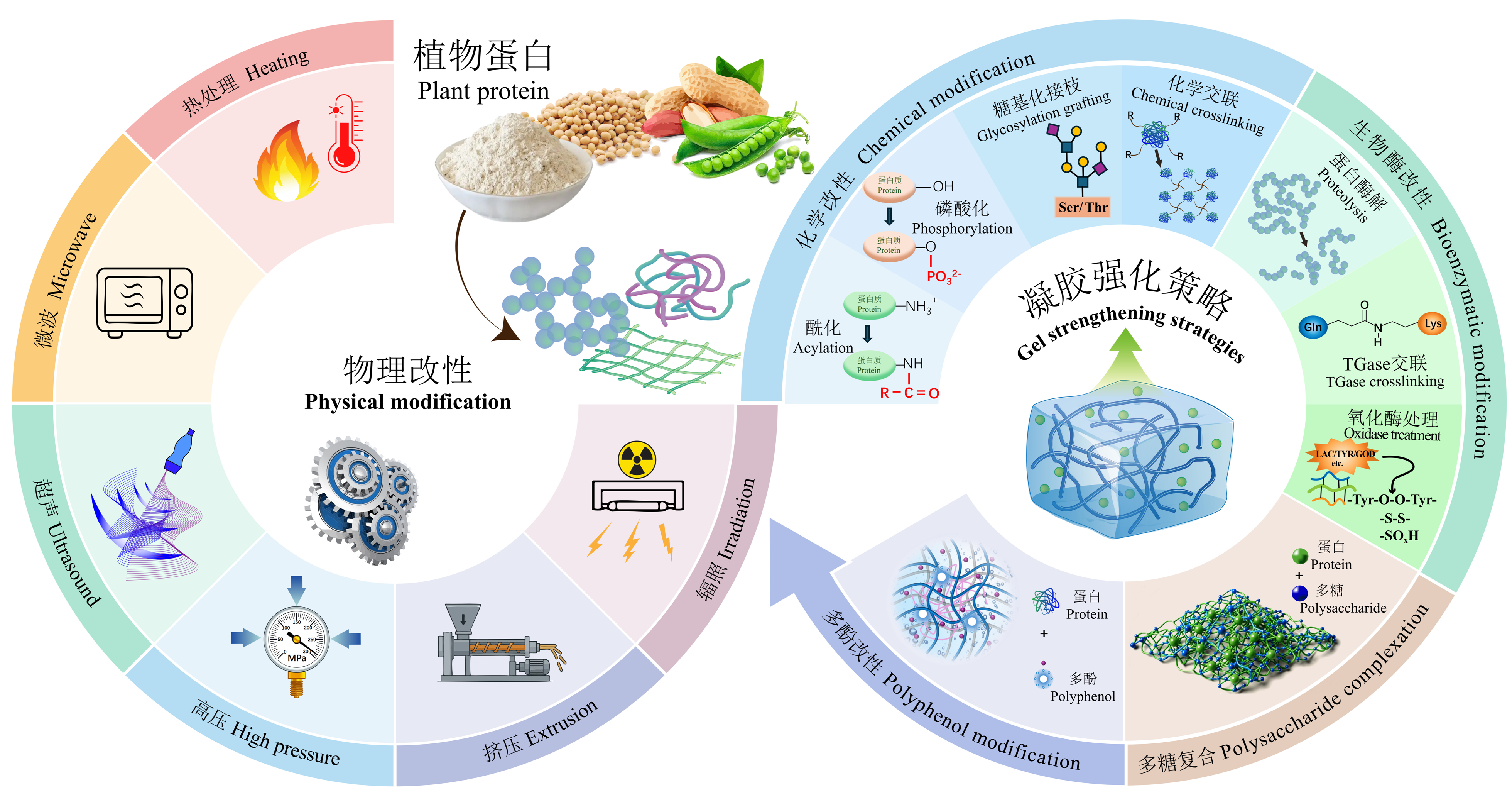
| [1] |
Iqbal B, Alabbosh K F, Jalal A, Suboktagin S, Elboughdiri N. Sustainable food systems transformation in the face of climate change: Strategies, challenges, and policy implications[J]. Food Science and Biotechnology, 2025, 34(4): 871-883.
doi: 10.1007/s10068-024-01712-y
pmid: 39974856
|
| [2] |
夏佳钰, 樊胜根, 丁心悦, 陈志钢, 冯晓龙, 孟婷, 张玉梅. 中国可持续健康膳食发展思考[J]. 中国工程科学, 2023, 25(4): 120-127.
doi: 10.15302/J-SSCAE-2023.04.011
|
|
Xia J Y, Fan S G, Ding X Y, CHEN Z G, Feng X L, Meng T, Zhang Y M. Development of sustainable healthy diets in China[J]. Strategic Study of CAE, 2023, 25(4): 120-127. (in Chinese)
doi: 10.15302/J-SSCAE-2023.04.011
|
| [3] |
Varzakas T, Smaoui S. Global food security and sustainability issues: The road to 2030 from nutrition and sustainable healthy diets to food systems change[J]. Foods, 2024, 13(2): 306.
doi: 10.3390/foods13020306
|
| [4] |
Fortune Business Insights. Plant based food market size, share & industry analysis, and regional forecast, 2026-2034[R/OL]. 2026-06-22. https://www.fortunebusinessinsights.com/plant-based-food-market-115745.
|
| [5] |
周建中, 张晖. 植物蛋白凝胶及其应用研究进展[J]. 食品与生物技术学报, 2013, 32(11): 1128-1135.
|
|
Zhou J Z, Zhang H. Research advance and application of vegetable protein gel[J]. Journal of Food Science and Biotechnology, 2013, 32(11): 1128-1135. (in Chinese)
|
| [6] |
潘雨洁, 王宇晶, 黄良宇, 杨晨. 植物蛋白凝胶的构建机理及食品领域的应用现状[J]. 中国食品添加剂, 2025, 36(10): 8-14.
|
|
Pan Y J, Wang Y J, Huang L Y, Yang C. Construction mechanism of plant protein gel and its application in food field[J]. China Food Additives, 2025, 36(10): 8-14. (in Chinese)
|
| [7] |
Huang Y Y, Liu J Y, Li Y P, Zhu Y S, Chen G, Zheng B N, Zhang Y X, Li Y, Zhu X Q. Focusing on the mechanism of glycinin-soybean lipophilic protein hybrid gels: Effect of ultrasonic, subunit interactions, and formation process analysis[J]. Ultrasonics Sonochemistry, 2025, 113: 107239.
doi: 10.1016/j.ultsonch.2025.107239
|
| [8] |
李鑫. 大豆蛋白凝胶性的提高及其在植物基模拟蛋中的应用[D]. 无锡: 江南大学, 2023.
|
|
Li X. Improvement of gelation of soy protein and its application in plant-based egg analogs[D]. Wuxi: Jiangnan University, 2023. (in Chinese)
|
| [9] |
Zhao H F, Shen C, Wu Z J, Zhang Z, Xu C M. Comparison of wheat, soybean, rice, and pea protein properties for effective applications in food products[J]. Journal of Food Biochemistry, 2020, 44(4): e13157.
|
| [10] |
Ryu J, McClements D J. Impact of heat-set and cold-set gelling polysaccharides on potato protein gelation: Gellan gum, agar, and methylcellulose[J]. Food Hydrocolloids, 2024, 149: 109535.
doi: 10.1016/j.foodhyd.2023.109535
|
| [11] |
Terpou A, Dahiya D, Nigam P S. Prospects of gels for food applications from marine sources: Exploring microalgae[J]. Gels, 2025, 11(8): 569.
doi: 10.3390/gels11080569
|
| [12] |
Li B Y, Wu Y L, Ye A Q, Guo Q. Emulsifying properties of quinoa protein fibrillar aggregates and their influence on quinoa protein emulsion gel formation[J]. International Journal of Biological Macromolecules, 2025, 285: 138234.
doi: 10.1016/j.ijbiomac.2024.138234
|
| [13] |
Ding T T, Fan B, Xu X, Chen C Y, Lu C, Liu J M, Wang F Z, Sun J. Alkali-induced Dendrobium officinale polysaccharide-hemp seed protein gels: Insight into structure, molecular interaction mechanisms, and potential as dysphagia food[J]. Carbohydrate Polymers, 2025, 368: 124153.
doi: 10.1016/j.carbpol.2025.124153
|
| [14] |
Yang S L, Fu S, Liu B, Cheng K W. High-pressure homogenization combined with alcohol treatment is effective in improving the sensory and techno-functional characteristics of Chlorella pyrenoidosa[J]. LWT-Food Science and Technology, 2024, 191: 115709.
doi: 10.1016/j.lwt.2023.115709
|
| [15] |
Schmidt J M, Damgaard H, Greve-Poulsen M, Sunds A V, Larsen L B, Hammershøj M. Gel properties of potato protein and the isolated fractions of patatins and protease inhibitors-Impact of drying method, protein concentration, pH and ionic strength[J]. Food Hydrocolloids, 2019, 96: 246-258.
doi: 10.1016/j.foodhyd.2019.05.022
|
| [16] |
Kinsella J E. Functional properties of soy proteins[J]. Journal of the American Oil Chemists’ Society, 1979, 56(3): 242-258.
doi: 10.1007/BF02671468
|
| [17] |
Zheng L, Regenstein J M, Zhou L Y, Wang Z J. Soy protein isolates: A review of their composition, aggregation, and gelation[J]. Comprehensive Reviews in Food Science and Food Safety, 2022, 21(2): 1940-1957.
doi: 10.1111/1541-4337.12925
pmid: 35182006
|
| [18] |
Zhang Z T, Sang M, Li Z M, Pan Y C, Wu J P, Duan S L, Gong X L. In-situ localised alignment assisted salting-out enhanced ionogels with high strength, toughness and impact resistance[J]. Nature Communications, 2025, 16: 7683.
doi: 10.1038/s41467-025-63148-0
|
| [19] |
Ross-Murphy S B. Structure-property relationships in food biopolymer gels and solutions[J]. Journal of Rheology, 1995, 39(6): 1451-1463.
doi: 10.1122/1.550610
|
| [20] |
Cao Y P, Mezzenga R. Design principles of food gels[J]. Nature Food, 2020, 1(2): 106-118.
doi: 10.1038/s43016-019-0009-x
pmid: 37127997
|
| [21] |
Sim S Y J, Srv A, Chiang J H, Henry C J. Plant proteins for future foods: A roadmap[J]. Foods, 2021, 10(8): 1967.
doi: 10.3390/foods10081967
|
| [22] |
Ma Y Y, Chen F S. Plant protein heat-induced gels: Formation mechanisms and regulatory strategies[J]. Coatings, 2023, 13(11): 1899.
doi: 10.3390/coatings13111899
|
| [23] |
张浩嘉, 朱秀清, 孙莹. 挤出参数控制对大豆蛋白微观构象的影响[J]. 食品科学, 2023, 44(15): 103-112.
|
|
Zhang H J, Zhu X Q, Sun Y. Effect of extrusion parameters on soybean protein conformation[J]. Food Science, 2023, 44(15): 103-112. (in Chinese)
doi: 10.7506/spkx1002-6630-20220721-246
|
| [24] |
Shimada K, Cheftel J C. Determination of sulfhydryl groups and disulfide bonds in heat-induced gels of soy protein isolate[J]. Journal of Agricultural and Food Chemistry, 1988, 36(1)147-153.
doi: 10.1021/jf00079a038
|
| [25] |
Li X F, Chen L Y, Hua Y F, Chen Y M, Kong X Z, Zhang C M. Effect of preheating-induced denaturation during protein production on the structure and gelling properties of soybean proteins[J]. Food Hydrocolloids, 2020, 105: 105846.
doi: 10.1016/j.foodhyd.2020.105846
|
| [26] |
Gravel A, Doyen A. Pulse globulins 11S and 7S: Origins, purification methods, and techno-functional properties[J]. Journal of Agricultural and Food Chemistry, 2023, 71(6): 2704-2717.
doi: 10.1021/acs.jafc.2c07507
pmid: 36722439
|
| [27] |
Renkema J M S, Lakemond C M M, de Jongh H H J, Gruppen H, van Vliet T. The effect of pH on heat denaturation and gel forming properties of soy proteins[J]. Journal of Biotechnology, 2000, 79(3): 223-230.
pmid: 10867183
|
| [28] |
Savoca M P, Tonoli E, Atobatele A G, Verderio E A M. Biocatalysis by transglutaminases: A review of biotechnological applications[J]. Micromachines, 2018, 9(11): 562.
doi: 10.3390/mi9110562
|
| [29] |
Hu Y Q, Shao Y, Wu C H, Yuan C H, Ishimura G, Liu W J, Chen S G. γ-PGA and MTGase improve the formation of ε-(γ-glutamyl) lysine cross-links within hairtail (Trichiurus haumela) surimi protein[J]. Food Chemistry, 2018, 242: 330-337.
doi: 10.1016/j.foodchem.2017.08.087
|
| [30] |
Sun P, Zhang Q, Zhao Y, Zhao D S, Zhao X H, Jiang L Z, Zhang Y, Wu F, Sui X N. Improving gel properties of soy protein isolate through alkaline pH-shifting, mild heat treatment, and TGase cross-linking[J]. Food Hydrocolloids, 2023, 144: 108924.
doi: 10.1016/j.foodhyd.2023.108924
|
| [31] |
陈玲, 唐传核, 张业辉. 菜豆属豆类蛋白酶促凝胶性能比较研究[J]. 食品科学, 2010, 31(9): 62-66.
doi: 10.7506/spkx1002-6630-201009015
|
|
Chen L, Tang C H, Zhang Y H. Enzymatic-induced gelation properties of protein isolates from Phaseolus[J]. Food Science, 2010, 31(9): 62-66. (in Chinese)
|
| [32] |
Schäfer C, Zacherl C, Engel K H, Neidhart S, Carle R. Comparative study of gelation and cross-link formation during enzymatic texturisation of leguminous proteins[J]. Innovative Food Science & Emerging Technologies, 2007, 8(2): 269-278.
|
| [33] |
Zhang S T, Han J, Chen L Y. Fabrication of pea protein gels with modulated rheological properties using high pressure processing[J]. Food Hydrocolloids, 2023, 144: 109002.
doi: 10.1016/j.foodhyd.2023.109002
|
| [34] |
Bangar S P, Esua O J, Sharma N, Thirumdas R. Ultrasound-assisted modification of gelation properties of proteins: A review[J]. Journal of Texture Studies, 2022, 53(6): 763-774.
doi: 10.1111/jtxs.12674
pmid: 35275412
|
| [35] |
Kumar P K, Sivabalan S, Parhi A, Sablani S S. Modification of pea protein isolate functionality by freeze-thaw cycling[J]. Journal of Food Measurement and Characterization, 2022, 16(1): 162-170.
doi: 10.1007/s11694-021-01151-x
|
| [36] |
Gerrard J A. Protein-protein crosslinking in food: Methods, consequences, applications[J]. Trends in Food Science & Technology, 2002, 13(12): 391-399.
|
| [37] |
Li Y H. Plant-Based Proteins:Production, Physicochemical, Functional, and Sensory Properties[M]. New York: Springer US, 2025: 345-356.
|
| [38] |
Zhang J, Dang B, Yang X J, Ge W P. Evaluation of the suitability of gel-type faba bean proteins and their structural differences[J]. Journal of Food Composition and Analysis, 2025, 147: 108020.
doi: 10.1016/j.jfca.2025.108020
|
| [39] |
Hilal A, Florowska A, Wroniak M. Evaluation of the physicochemical and textural properties of binary protein-polysaccharide hydrogels[J]. Biology and Life Sciences Forum, 2022, 18(1): 41.
|
| [40] |
Saffarionpour S. Impact of plant protein extraction and conjugation with polyphenols on physicochemical, structural, and rheological properties of plant-based food emulsions and gels[J]. Food Biophysics, 2025, 20(1): 32.
doi: 10.1007/s11483-024-09908-9
|
| [41] |
Liu G N, Wu S J, Fang S J, Wang Y, Bilal M, Shen S J, Xie C, Wang P, Yang R Q. Glucono-δ-lactone-induced gel fabrication of soybean protein isolate derived from germinated soybean: Focusing on protein aggregation and gelation[J]. Food Hydrocolloids, 2025, 169: 111599.
doi: 10.1016/j.foodhyd.2025.111599
|
| [42] |
Ma H F, Li J Q, Guan Y, Song Z Y, Chen H, Sun S K. A systematic study of the influence of structural differences in soy protein isolates on gel properties: A comparison based on different cultivars[J]. Food Bioscience, 2025, 69: 106987.
doi: 10.1016/j.fbio.2025.106987
|
| [43] |
Eslami P, Haritos V, Crawford S, van’t Hag L. Enhancing rheological and textural properties of pea protein-collagen gels via transglutaminase crosslinking[J]. Food Structure, 2025, 43: 100409.
doi: 10.1016/j.foostr.2025.100409
|
| [44] |
Song Y Y, Yang Z, Chen H, Wei K D, Jiang L Z, Huang Z X. Coconut protein amyloid-like fibrils-based Pickering emulsions of diverse phases: Fabrication, characterization and digestion behavior[J]. Food Chemistry, 2026, 498: 147187.
doi: 10.1016/j.foodchem.2025.147187
|
| [45] |
Wang Z L, Zeng H, Xu D X, Miao S, Jafari S M, Li W L, Wang Y B. Modification of pea protein gels: Extending applications in future food industry[J]. Food Chemistry, 2026, 498: 147184.
doi: 10.1016/j.foodchem.2025.147184
|
| [46] |
孙冰玉, 付雨欣, 黄雨洋, 刘琳琳, 吕铭守, 朱颖, 郭汝杞, 朱秀清. 绿豆蛋白的凝胶特性及应用研究进展[J]. 食品科学, 2025, 46(3): 318-327.
|
|
Sun B Y, Fu Y X, Huang Y Y, Liu L L, Lü M S, Zhu Y, Guo R Q, Zhu X Q. Research progress on gel characteristics and application of mung bean proteins[J]. Food Science, 2025, 46(3): 318-327. (in Chinese)
|
| [47] |
杜童申, 刘悦, 马骏骅, 王馨怡, 沈存宽, 杨华, 颜金鑫. 超声预处理对亚麻籽胶-大豆分离蛋白复合凝胶凝胶特性及结构的影响[J]. 食品工业科技, 2024, 45(13): 83-90.
|
|
Du T S, Liu Y, Ma J H, Wang X Y, Shen C K, Yang H, Yan J X. Effect of ultrasonic pretreatment on the gel properties and structure of flaxseed gum-soybean protein isolate composite gels[J]. Science and Technology of Food Industry, 2024, 45(13): 83-90. (in Chinese)
|
| [48] |
王瑞雪. 绿豆蛋白凝胶特性的改善及其形成机理的研究[D]. 济南: 齐鲁工业大学, 2023.
|
|
Wang R X. Study on the improvement of mung beanprotein gel properties and its formationmechanism[D]. Jinan: Qilu University of Technology, 2023. (in Chinese)
|
| [49] |
马甜甜. pH偏移和热超声对钙诱导豌豆蛋白乳液填充凝胶形成的影响[D]. 无锡: 江南大学, 2022.
|
|
Ma T T. The effect of ph-shifting and thermosonication on the formation of calcium-aided pea protein emulsion filled gels[D]. Wuxi: Jiangnan University, 2022. (in Chinese)
|
| [50] |
Renggli D, Doyle P S. Thermogelation of nanoemulsions stabilized by a commercial pea protein isolate: High-pressure homogenization defines gel strength[J]. Soft Matter, 2025, 21(4): 652-669.
doi: 10.1039/d4sm00687a
pmid: 39751842
|
| [51] |
Peyrano F, de Lamballerie M, Avanza M V, Speroni F. Gelation of cowpea proteins induced by high hydrostatic pressure[J]. Food Hydrocolloids, 2021, 111: 106191.
doi: 10.1016/j.foodhyd.2020.106191
|
| [52] |
Ebrahimi Pure A, Yarmand M S, Farhoodi M, Adedeji A. Microwave treatment to modify textural properties of high protein gel applicable as dysphagia food[J]. Journal of Texture Studies, 2021, 52(5/6): 638-646.
doi: 10.1111/jtxs.v52.5-6
|
| [53] |
Cao H W, Wang X X, Ruan Y X, Huang K, Zhang Y, Song H D, Li S, Guan X. Alkaline amino acids present unique aggregation behavior for quinoa protein gelation under microwave irradiation[J]. Food Hydrocolloids, 2023, 144: 108951.
doi: 10.1016/j.foodhyd.2023.108951
|
| [54] |
付晓航, 张顺亮, 赵燕, 梁二宏, 李素, 赵冰, 王守伟. 植物蛋白肉营养与安全性研究进展[J]. 食品科学, 2025, 46(20): 442-450.
|
|
Fu X H, Zhang S L, Zhao Y, Liang E H, Li S, Zhao B, Wang S W. Research progress on nutrition and safety of plant-based meat[J]. Food Science, 2025, 46(20): 442-450. (in Chinese)
|
| [55] |
Liu B, Kitamura Y, Kokawa M. Effects of different emulsion gels and extrusion temperature on structural properties of meat substitutes processed by high-moisture extrusion of soybean protein[J]. Food Hydrocolloids, 2026, 172: 111909.
doi: 10.1016/j.foodhyd.2025.111909
|
| [56] |
Flory J, Alavi S. Use of hydration properties of proteins to understand their functionality and tailor texture of extruded plant-based meat analogues[J]. Journal of Food Science, 2024, 89(1): 245-258.
doi: 10.1111/1750-3841.16804
pmid: 37983750
|
| [57] |
Yang S, Lian Z T, Cheng L, Liu X Y, Dai S C, Tong X H, Wang H, Jiang L Z. Insight into succinylated modified soy protein isolate- sodium alginate emulsion gels: Structural properties, interactions and quercetin release behavior[J]. Food Hydrocolloids, 2024, 151: 109857.
doi: 10.1016/j.foodhyd.2024.109857
|
| [58] |
Cheng X Y, Li W K, Peng R Q, Chen Y, Mu S X, Cui L F, Liu Z Q, Wang H, Xu J, Jiang L Z. Insight into the stabilization mechanism of succinylation modification on black bean protein gels: Molecular conformation, microstructure, and gel properties[J]. Journal of Agricultural and Food Chemistry, 2024, 72(28): 15920-15932.
doi: 10.1021/acs.jafc.4c02232
pmid: 38973096
|
| [59] |
Akharume F U, Aluko R E, Adedeji A A. Modification of plant proteins for improved functionality: A review[J]. Comprehensive Reviews in Food Science and Food Safety, 2021, 20(1): 198-224.
doi: 10.1111/1541-4337.12688
pmid: 33393195
|
| [60] |
Li C P, Enomoto H, Hayashi Y, Zhao H, Aoki T. Recent advances in phosphorylation of food proteins: A review[J]. LWT-Food Science and Technology, 2010, 43(9): 1295-1300.
doi: 10.1016/j.lwt.2010.03.016
|
| [61] |
Hou X X, Hao M, Yang J, Sun G J, Li Y Q, Wang C Y, Liang Y, Mo H Z. Improving gelation properties of low concentration peanut protein isolate by phosphorylation[J]. International Journal of Biological Macromolecules, 2025, 312: 144157.
doi: 10.1016/j.ijbiomac.2025.144157
|
| [62] |
胡方洋, 陈金玉, 郭晋廷, 李若涵, 张萱, 张颖璐, 张坤生. 豌豆抗性淀粉对磷酸化肌原纤维蛋白基乳液体外消化率及凝胶特性的影响[J]. 中国食品学报, 2023, 23(10): 108-117.
|
|
Hu F Y, Chen J Y, Guo J T, Li R H, Zhang X, Zhang Y L, Zhang K S. Effects of pea resistant starch on in vitro digestibility and gel properties of phosphorylated myofibrillar protein-based emulsion[J]. Journal of Chinese Institute of Food Science and Technology, 2023, 23(10): 108-117. (in Chinese)
|
| [63] |
Li S X, Wang C Y, Dai Y Y, Dai J Q, Wang W T. Novel technologies, effects and applications of modified plant proteins by Maillard reaction and strategies for regulation: A review[J]. Food Research International, 2025, 204: 115959.
doi: 10.1016/j.foodres.2025.115959
|
| [64] |
Zhang D R, Li J R, Yi S M, Li X P, Xu Y X, Mi H B, Zhu W H. Soybean protein isolate-inulin conjugates prepared through ultrasound improves the quality of unwashed surimi gel[J]. Ultrasonics Sonochemistry, 2025, 115: 107287.
doi: 10.1016/j.ultsonch.2025.107287
|
| [65] |
张志凯, 肖军霞, 牟瑶瑶, 黄国清. 大豆分离蛋白超声处理对其与木糖美拉德反应及产物乳化能力的影响[J]. 食品科学, 2018, 39(24): 41-47.
doi: 10.7506/spkx1002-6630-201824007
|
|
Zhang Z K, Xiao J X, Mou Y Y, Huang G Q. Effect of ultrasonication of soybean protein on its Maillard reaction with xylose and emulsifying property of the resultant products[J]. Food Science, 2018, 39(24): 41-47. (in Chinese)
doi: 10.7506/spkx1002-6630-201824007
|
| [66] |
Indurkar A, Pandit A, Jain R, Dandekar P. Plant based cross-linkers for tissue engineering applications[J]. Journal of Biomaterials Applications, 2021, 36(1): 76-94.
doi: 10.1177/0885328220979273
pmid: 33342347
|
| [67] |
Marszalik K, Polak M, Knapczyk-Korczak J, Berniak K, Ibrahim M N G, Su Q, Li X R, Ding B, Stachewicz U. Skin regeneration and wound healing by plant protein-based electrospun fiber scaffolds and patches for tissue engineering applications[J]. Macromolecular Rapid Communications, 2025, 46(13): 2500196.
doi: 10.1002/marc.v46.13
|
| [68] |
Olatunde O O, Owolabi I O, Fadairo O S, Ghosal A, Coker O J, Soladoye O P, Aluko R E, Bandara N. Enzymatic modification of plant proteins for improved functional and bioactive properties[J]. Food and Bioprocess Technology, 2023, 16(6): 1216-1234.
doi: 10.1007/s11947-022-02971-5
|
| [69] |
Liang G J, Chen W P, Zeng M M, He Z Y, Chen J, Wang Z J. Soy protein hydrogels with filler emulsion particles coated by hydrolyzed protein[J]. Sustainable Food Technology, 2024, 2(3): 709-716.
doi: 10.1039/D4FB00016A
|
| [70] |
Vijayan P, Song Z X, Toy J Y H, Yu L L, Huang D J. Effect of transglutaminase on gelation and functional proteins of mung bean protein isolate[J]. Food Chemistry, 2024, 454: 139590.
doi: 10.1016/j.foodchem.2024.139590
|
| [71] |
Liu Z Y, Li X Y, Guan Z K, Jia Z Y, Zhang Z Q, Yang C, Wang J M. Transglutaminase-crosslinked cold-set pea protein isolate gels modified by pH shifting: Properties, structure and formation mechanisms[J]. Food Hydrocolloids, 2024, 154: 110158.
doi: 10.1016/j.foodhyd.2024.110158
|
| [72] |
Li T Q, Zhang J C, Hu A N, Guo F, Zhou H, Wang Q. Effect of transglutaminase and laccase on pea protein gel properties compared to that of soybean[J]. Food Hydrocolloids, 2024, 156: 110314.
doi: 10.1016/j.foodhyd.2024.110314
|
| [73] |
Fu L X, Feng X, Wu C S, Wei J F, Chen L, Yu X, Liu Q, Tang X Z. Bromelain hydrolysis and CaCl2 coordination promote the fibrillation of quinoa protein at pH 7[J]. Food Hydrocolloids, 2025, 159: 110659.
doi: 10.1016/j.foodhyd.2024.110659
|
| [74] |
Cheng L R, De Leon-Rodriguez L M, Gilbert E P, Loo T, Petters L, Yang Z. Self-assembly and hydrogelation of a potential bioactive peptide derived from quinoa proteins[J]. International Journal of Biological Macromolecules, 2024, 259: 129296.
doi: 10.1016/j.ijbiomac.2024.129296
|
| [75] |
Yu M R, Lin S Z, Ge R, Xiong C Y, Xu L L, Zhao M T, Fan J F. Buckwheat self-assembling peptide-based hydrogel: Preparation, characteristics and forming mechanism[J]. Food Hydrocolloids, 2022, 125: 107378.
doi: 10.1016/j.foodhyd.2021.107378
|
| [76] |
Nourmohammadi N, Campanella O H, Chen D. Effect of limited proteolysis and CaCl2 on the rheology, microstructure and in vitro digestibility of pea protein-carboxymethyl cellulose mixed gel[J]. Food Research International, 2024, 188: 114474.
doi: 10.1016/j.foodres.2024.114474
|
| [77] |
Chen S W, Tao C Y, Huang Y W, Zhao Z, Miao S, Peng D F, Chen Y S, Zhou B, Deng Z Y, Deng Q C. Modulation of protein glutaminase α-helix and disulfide bonds in a sunflower pollen microgel microenvironment: A strategy to enhance enzyme activity and stability[J]. Food Chemistry, 2025, 480: 143561.
doi: 10.1016/j.foodchem.2025.143561
|
| [78] |
Zhao L, Chen M H, Bi X Z, Du J. Physicochemical properties, structural characteristics and in vitro digestion of brown rice-pea protein isolate blend treated by microbial transglutaminase[J]. Food Hydrocolloids, 2023, 141: 108673.
doi: 10.1016/j.foodhyd.2023.108673
|
| [79] |
Isaschar-Ovdat S, Fishman A. Crosslinking of food proteins mediated by oxidative enzymes-A review[J]. Trends in Food Science & Technology, 2018, 72: 134-143.
|
| [80] |
Sulaiman N S, Sintang M D, Mohd Zaini H, Munsu E, Matajun P, Pindi W. Applications of protein crosslinking in food products[J]. International Food Research Journal, 2022, 29(4): 723-739.
doi: 10.47836/ifrj
|
| [81] |
Zhou Z Q, Jiao D Q, He Y N, Zuo E H, Lu Z Y, Chen G G, Ding K, Wang C H. Transglutaminase in future foods: Molecular engineering strategies and applications in sustainable protein systems[J]. Journal of Agricultural and Food Chemistry, 2025, 73(47): 30085-30109.
doi: 10.1021/acs.jafc.5c11017
|
| [82] |
Kolotylo V, Piwowarek K, Kieliszek M. Microbiological transglutaminase: Biotechnological application in the food industry[J]. Open Life Sciences, 2023, 18(1): 20220737.
doi: 10.1515/biol-2022-0737
|
| [83] |
Li Y, Wang C, Hu N N, Zhao Y H, Wu Y Z, Liu J S, Zhao Y L. Effect of heat treatment combined with TG enzyme cross-linking on the zein-pea protein complex: Physicochemical and gel properties[J]. Gels, 2024, 10(5): 301.
doi: 10.3390/gels10050301
|
| [84] |
朱秀清, 王源, 朱颖, 安月欣, 黄雨洋, 孙冰玉, 夏晓雨. 蛋白酶水解汉麻分离蛋白产物结构及功能特性比较[J]. 食品与发酵工业, 2023, 49(24): 111-117.
doi: 10.13995/j.cnki.11-1802/ts.035058
|
|
Zhu X Q, Wang Y, Zhu Y, An Y X, Huang Y Y, Sun B Y, Xia X Y. Structural and functional properties of hemp protein isolate hydrolysates obtained with different proteases[J]. Food and Fermentation Industries, 2023, 49(24): 111-117. (in Chinese)
doi: 10.13995/j.cnki.11-1802/ts.035058
|
| [85] |
Bourouis I, McClements D J, Li H, Pang Z H, Liu X Q. Interaction mechanism between soy protein microgels and chitosan and the resulting physical properties: Effect of biopolymer ratio, pH and ionic strength[J]. Food Hydrocolloids, 2025, 168: 111557.
doi: 10.1016/j.foodhyd.2025.111557
|
| [86] |
Wang Q, Chen T Y, Zhu Y, Ning Y J, Li Y, Yan S Z, Qi B K. Soybean protein isolate/dialdehyde sodium alginate hydrogels based on dynamic imine bond cross-linking: Synthesis and properties[J]. Food Research International, 2025, 201: 115643.
doi: 10.1016/j.foodres.2024.115643
|
| [87] |
Liu Q Y, Wang Z H, Kan J, Sun R X, Wang C, Jiang N. Encapsulation of pterostilbene in pea protein isolate-fucoidan-quaternary ammonium chitosan complex nanoparticles to enhance its stability, antioxidant activity and intestinal permeability[J]. Food Hydrocolloids, 2025, 164: 111168.
doi: 10.1016/j.foodhyd.2025.111168
|
| [88] |
Li L Q, Ma A, Ni J, Chen R X, Zhang J Z, Gong Z P, Lyu H N. Design of functional hydrogel beads based on polysaccharide-encapsulated Ganoderma lucidum spores for stability and targeted gastrointestinal delivery of protein-spore complex[J]. Carbohydrate Polymers, 2026, 375: 124762.
doi: 10.1016/j.carbpol.2025.124762
|
| [89] |
Wu D, Zhou J J, Creyer M N, Yim W, Chen Z, Messersmith P B, Jokerst J V. Phenolic-enabled nanotechnology: Versatile particle engineering for biomedicine[J]. Chemical Society Reviews, 2021, 50(7): 4432-4483.
doi: 10.1039/d0cs00908c
pmid: 33595004
|
| [90] |
Li B R, Dou S K, Li Q, Yue H, Zong A Z, Du F L, Xu T C. Insight into emulsion gels stabilized by soy protein isolate-flavonoid complexes: Based on structural, interfacial, and emulsifying properties of the protein[J]. Food Research International, 2025, 221: 117305.
doi: 10.1016/j.foodres.2025.117305
|
| [91] |
Jia Y J, Yan X Y, Huang Y Y, Zhu H P, Qi B K, Li Y. Different interactions driving the binding of soy proteins (7S/11S) and flavonoids (quercetin/rutin): Alterations in the conformational and functional properties of soy proteins[J]. Food Chemistry, 2022, 396: 133685.
doi: 10.1016/j.foodchem.2022.133685
|
| [92] |
Zhang H L, Yang Y X, Fan Y T, Yi J. Composites of pea protein nanofibril and epigallocatechin gallate: Formation mechanism, structural characterization, and antioxidant activity[J]. Foods, 2025, 14(14): 2418.
doi: 10.3390/foods14142418
|
| [93] |
He N, Pan Z Q, Li L, Zhang X, Yuan Y, Yang Y P, Han S Y, Li B. Improving the microstructural and rheological properties of frozen unfermented wheat dough with laccase and ferulic acid[J]. Foods, 2023, 12(14): 2772.
doi: 10.3390/foods12142772
|
| [94] |
Wen G, Dong Y L, Zhao H, Lei M, Li W. Sustainable protein to generate high-strength and durable all-underwater adhesive via physical condensation boosting chemical cross-linking[J]. Nano Letters, 2025, 25(20): 8235-8242.
doi: 10.1021/acs.nanolett.5c01270
|
| [95] |
Chakravorty P, Das A B. Impact of choline choride and sugar natural deep eutectic solvents on structure and functionality of treebean (Parkia timoriana) seed protein[J]. Scientific Reports, 2025, 15: 3701.
doi: 10.1038/s41598-025-87890-z
|
| [96] |
Li Y F, Qin Z H, He P, Si M Q, Zhu L F, Li N, Shi X J, Hao G Q, Jiao T F, He X M. Fully degradable protein gels with superior mechanical properties and durability: Regulation of hydrogen bond donors[J]. Advanced Materials, 2025, 37(38): 2506577.
doi: 10.1002/adma.v37.38
|
| [97] |
Hou X R, Lin L S, Li K X, Jiang F T, Qiao D L, Zhang B J, Xie F W. Towards superior biopolymer gels by enabling interpenetrating network structures: A review on types, applications, and gelation strategies[J]. Advances in Colloid and Interface Science, 2024, 325: 103113.
doi: 10.1016/j.cis.2024.103113
|
| [98] |
Ye X N, Zhao Y F, Sun L Y, Xu Q L, Pang Z H, Li J, Li H, Liu X Q. Modulation of double network assembly via different calcium sources and GDL concentrations for simulating intramuscular fat[J]. npj Science of Food, 2025, 9: 286.
doi: 10.1038/s41538-025-00648-9
|
| [99] |
Li Y T, Dai C L, Zhang Y F, McClements D J, Liu X B, Liu F G. Zein-EGCG-sodium alginate conjugates with tunable interfacial properties for improved stability and antioxidant performance of walnut oil emulsions[J]. Food Chemistry, 2025, 497: 147038.
doi: 10.1016/j.foodchem.2025.147038
|
| [100] |
Aghababaei F, McClements D J, Pignitter M, Hadidi M. Plant protein edible inks: Upgrading from 3D to 4D food printing[J]. Food Chemistry: X, 2025, 26: 102280.
doi: 10.1016/j.fochx.2025.102280
|
| [101] |
Qin Z, Li Z H, Huang X W, Du L Z, Li W L, Gao P P, Chen Z Y, Zhang J J, Guo Z A, Li Z X, Liu B Z, Shen T T. Advances in 3D and 4D printing of gel-based foods: Mechanisms, applications, and future directions[J]. Gels, 2025, 11(2): 94.
doi: 10.3390/gels11020094
|
| [102] |
Safdar M, Kim W, Park S, Gwon Y, Kim Y O, Kim J. Engineering plants with carbon nanotubes: A sustainable agriculture approach[J]. Journal of Nanobiotechnology, 2022, 20(1): 275.
doi: 10.1186/s12951-022-01483-w
pmid: 35701848
|
| [103] |
Ma Q, Wang K, Hazra R S, Chen Y L, Wang Y C, Jiang L. Soy protein derived double network (DN) ionic conductive organohydrogel toward flexible strain sensor[J]. International Journal of Biological Macromolecules, 2026, 338: 149709.
doi: 10.1016/j.ijbiomac.2025.149709
|
| [104] |
Deng Y X, Yang M H, Xiao G, Jiang X C. Preparation of strong, tough and conductive soy protein isolate/poly(vinyl alcohol)- based hydrogel via the synergy of biomineralization and salting out[J]. International Journal of Biological Macromolecules, 2024, 257(Pt 1): 128566.
doi: 10.1016/j.ijbiomac.2023.128566
|
| [105] |
Zhou Y, Zeng G D, Zhang F D, Li K, Li X N, Luo J, Li J J, Li J Z. Design of tough, strong and recyclable plant protein-based adhesive via dynamic covalent crosslinking chemistry[J]. Chemical Engineering Journal, 2023, 460: 141774.
doi: 10.1016/j.cej.2023.141774
|
| [106] |
Lan T, Dong Y B, Shi J J, Wang X, Xu Z J, Zhang Y, Jiang L Z, Zhou W B, Sui X N. Advancing self-healing soy protein hydrogel with dynamic Schiff base and metal-ligand bonds for diabetic chronic wound recovery[J]. Aggregate, 2024, 5(6): e639.
doi: 10.1002/agt2.639
|







 ), LI WenTing, XU Hui(