Scientia Agricultura Sinica ›› 2026, Vol. 59 ›› Issue (13): 2853-2866.doi: 10.3864/j.issn.0578-1752.2026.13.008

• PLANT PROTECTION • Previous Articles     Next Articles

Biocontrol Mechanism of Bacillus-Derived Lipopeptides Through Targeted Reduction of Pathogenicity in Ralstonia solanacearum

LIU YuFan1,3(), CHEN Zheng2(), CHEN DeJu1, LIU Xin1, XIAO RongFeng1, WANG JiePing1, WANG Xun3, LIU Bo1, HE Jin3(), CHEN MeiChun1()   

  1. 1 Institute of Resources, Environment and Soil Fertilizer, Fujian Academy of Agricultural Sciences, Fuzhou 350003
    2 Institute of Plant Protection, Fujian Academy of Agricultural Sciences, Fuzhou 350003
    3 National Key Laboratory of Agricultural Microbiology, Huazhong Agricultural University, Wuhan 430000
  • Received:2026-02-25 Accepted:2026-05-01 Online:2026-07-01 Published:2026-07-01
  • Contact: HE Jin, CHEN MeiChun

Abstract:

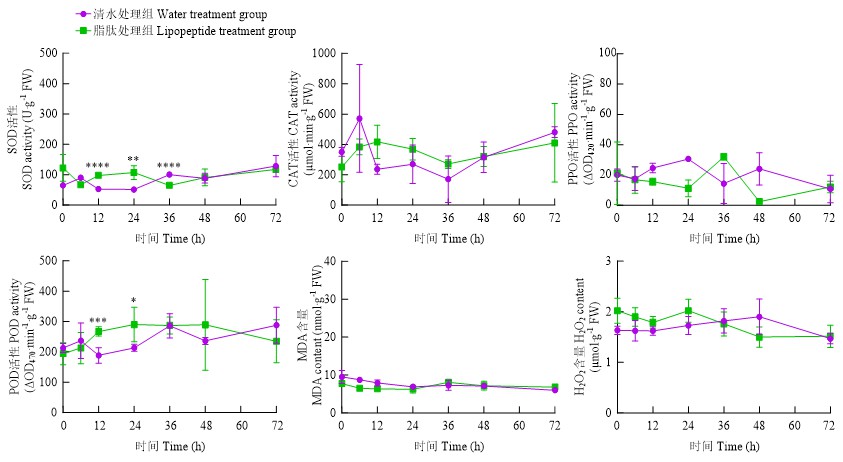
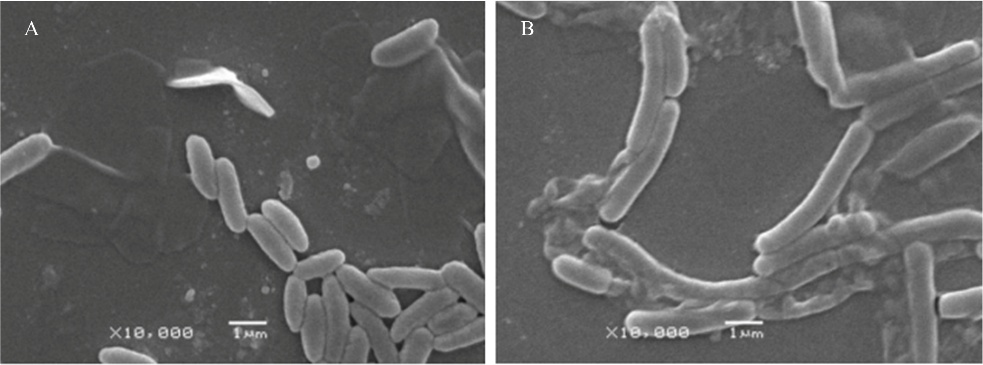
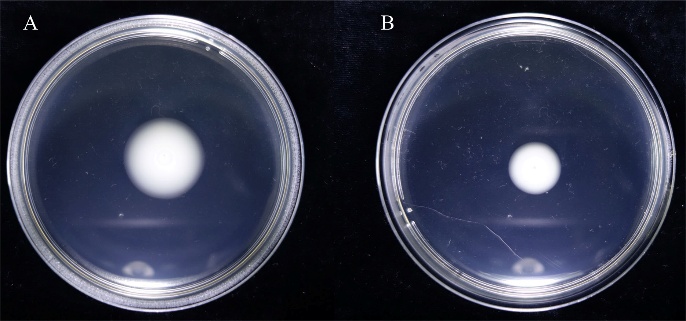
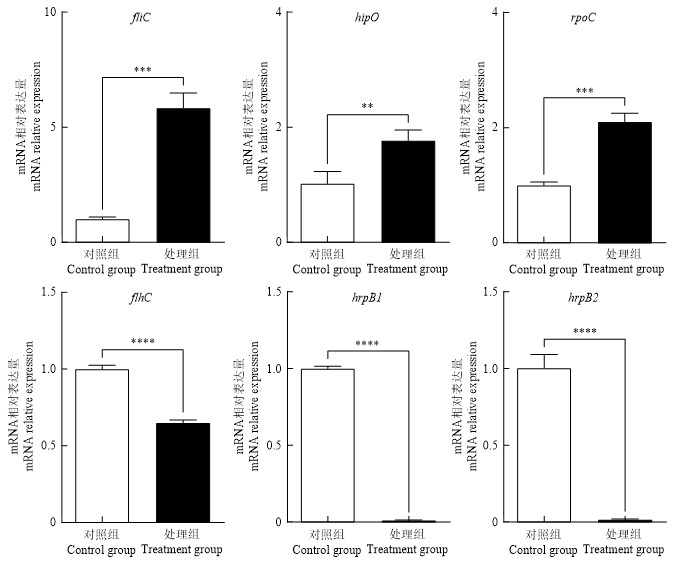
【Objective】Bacterial wilt caused by Ralstonia solanacearum is a highly destructive soil-borne disease. Lipopeptides produced by Bacillus species are promising biocontrol agents. However, whether lipopeptides can exert biocontrol effects by attenuating the pathogenicity of R. solanacearum remains unclear. This study aims to investigate the mechanism by which lipopeptides target and reduce the pathogenicity of R. solanacearum, and to provide a theoretical basis for developing novel biocontrol agents based on pathogenicity regulation.【Method】The minimum inhibitory concentration (MIC) of lipopeptides was determined using the broth dilution method. The control efficacy of lipopeptides against bacterial wilt was evaluated through pot experiments. Defense-related enzyme activities including superoxide dismutase (SOD), catalase (CAT), polyphenol oxidase (PPO), and peroxidase (POD), as well as the contents of malondialdehyde (MDA) and hydrogen peroxide (H2O2) in tomato plants were determined using commercial assay kits. Combined with scanning electron microscopy, semi-solid plate motility test, and transcriptome sequencing, the effects of lipopeptides on the morphology, motility, and gene expression of R. solanacearum were systematically analyzed.【Result】The MIC of lipopeptides from Bacillus sp. FJAT-2349 was 0.1875 mg·mL-1. At a sub-inhibitory concentration (0.075 mg·mL-1), the incidence of tomato bacterial wilt decreased by 29.2% compared to the R. solanacearum control group. No significant changes were observed in the activities of SOD, CAT, PPO, POD, or the contents of MDA and H2O2 in tomato leaves, indicating that this concentration of lipopeptides failed to induce systemic resistance in tomato plants. SEM analysis showed that lipopeptide-treated R. solanacearum cells exhibited an elongated rod-shaped morphology with a length approximately three times that of normal cells, suggesting impaired cell division. Motility assays showed that bacterial movement was reduced by approximately 36%. Transcriptomic analysis revealed significant down-regulation of genes associated with cell division (ZapE), type III secretion system (T3SS) regulation (hrpB1, hrpB2), flagellar transcriptional regulator (flhC) and genes encoding virulence effector proteins. The gene expressions of cell division-related enzyme (ftsK), flagellin (fliC), histidine utilization-related enzyme (hipO), and RNA polymerase β' subunit (rpoC) were up-regulated. KEGG enrichment analysis indicated that differentially expressed genes were significantly enriched in pathways related to metabolism (energy metabolism, amino acid metabolism, and biosynthesis of secondary metabolites), genetic information processing (translation and RNA processing and metabolism), and environmental information processing (ABC protein transport), suggesting that lipopeptide treatment interferes with energy metabolism and substance transport, disrupts protein synthesis and turnover, reprograms the metabolic activity of R. solanacearum, and thereby inhibits its growth and reproduction.【Conclusion】Bacillus sp. FJAT-2349 lipopeptides at sub-inhibitory concentration exert their biocontrol effect primarily through a dual-core mechanism: blocking cell division progression and suppressing T3SS virulence, which synergistically interfere with pathogen energy metabolism and substance transport, disrupt protein synthesis and turnover, and reduce pathogen motility, thereby attenuating the pathogenicity of R. solanacearum.

Key words: Bacillus, lipopeptide, Ralstonia solanacearum, pathogenicity, biocontrol

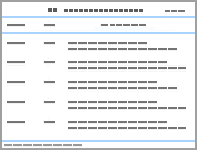
Table 1

qPCR primers for key differentially expressed genes"

引物名称Primer name 引物序列Primer sequence
flhC-F ACATCTACCGTTTCCTGGGC
flhC-R GTGCAACATCTTCCCCTCGA
fliC-F CTGTGGAATCCAACAACGGC
fliC-R GCTGCGTTCTGGCCATATTG
hipO-F GCCAATATCGACCCGACCAT
hipO-R AAGTCGTAGCTGGGGTTGTG
rpoC-F TCGATCATCGAAACGCCGAT
rpoC-R AATCGTCTTCCACCACCACC
recA-F TTCTCGACCACCTTCGGCTTC
recA-R GCTCGATCAAGAAGGGCGAT
hrpB1-F CGAAGTGCTGATGTATGCCA
hrpB1-R GGTCGAGCTCCTTGAAGTTC
hrpB2-F CATGGAGGAGATCCTGGTCG
hrpB2-R TCATTGGTTCTTCATCAAGGTCTG

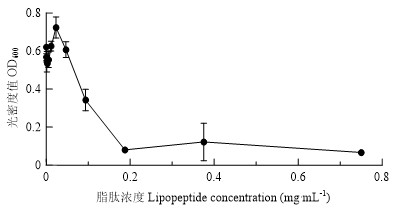
Fig. 1

Determination of the minimum inhibitory concentration of lipopeptide from Bacillus FJAT-2349 Data are means±SD. The same as below"

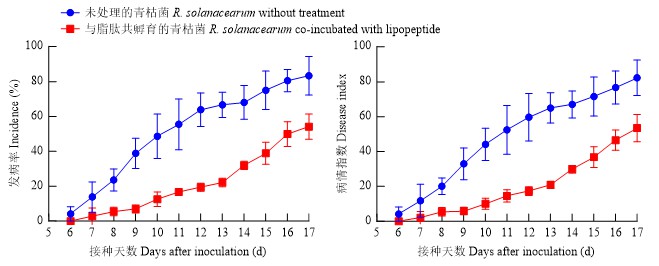
Fig. 2

Pot experiment for evaluating the effect of lipopeptide on the pathogenicity of R. solanacearum"

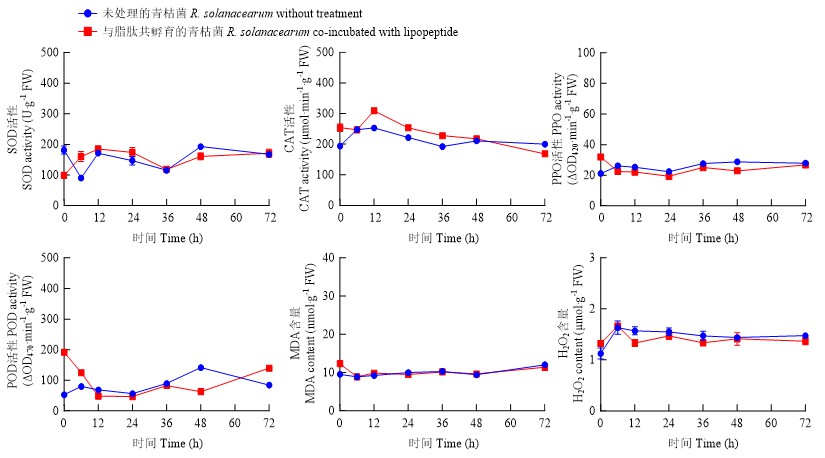
Fig. 3

Changes in enzyme activities, as well as MDA and H2O2 contents, in tomato leaves induced by R. solanacearum co-incubated with lipopeptide"

Fig. 4

Changes of the enzyme activities, as well as MDA and H2O2 contents in tomato leaves induced by lipopeptide"

Fig. 5

Morphological changes of R. solanacearum after lipopeptide treatment observed by scanning electron microscopy"

Fig. 6

Effect of lipopeptide on the motility of R. solanacearum"

Fig. 7

Relative expression levels of the differential genes measured by RT-qPCR **, *** and **** indicate significant differences at 0.01, 0.001, and 0.0001 probability level, respectively. The same as below"

Fig. 8

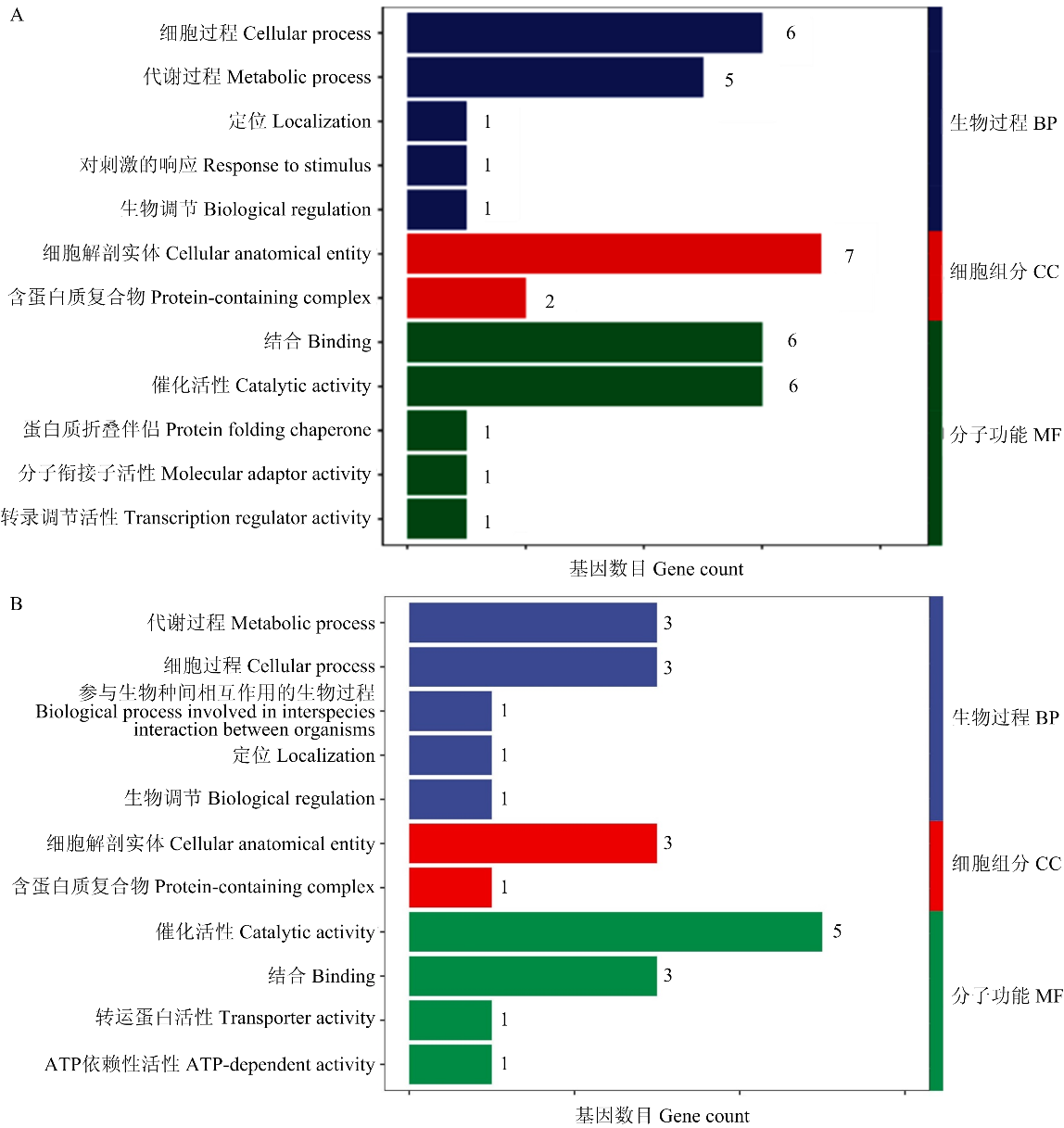
GO annotation of differentially expressed genes"

Fig. 9

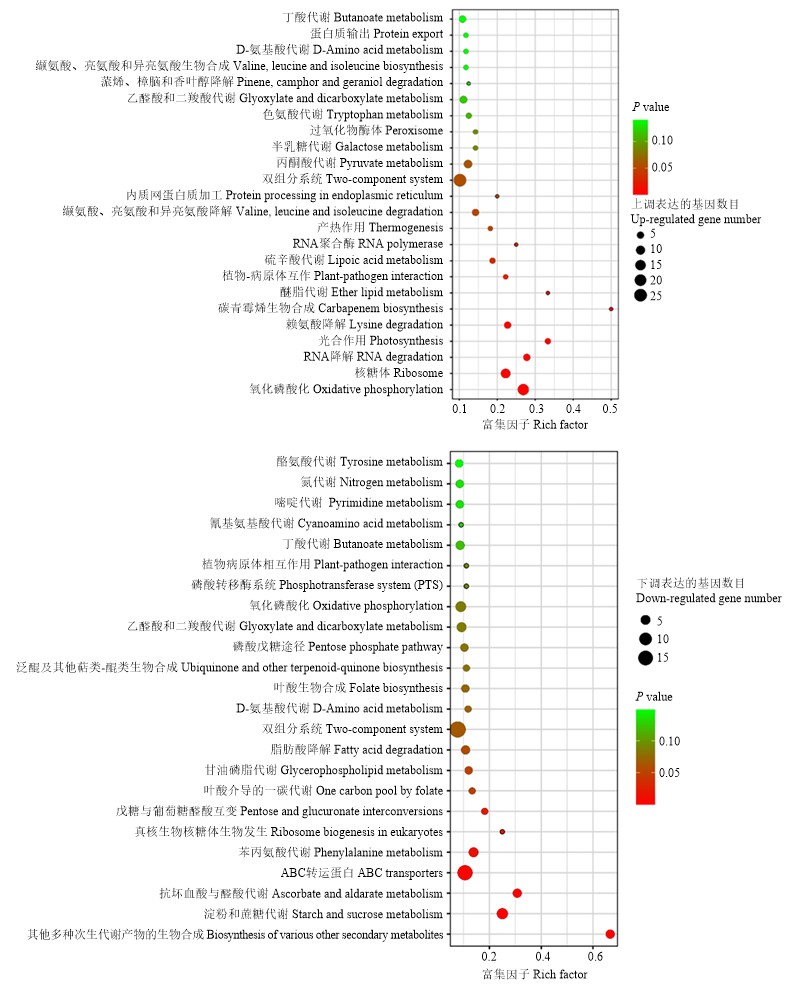
KEGG enrichment analysis The horizontal axis represents the rich factor; a larger rich factor indicates a more significant enrichment level of differentially expressed genes. The color of the circles represents the P value; a smaller P value indicates greater significance of enrichment of differentially expressed genes in that pathway. The size of the circles represents the number of genes enriched in the pathway, a larger circle indicates more genes"

Fig. 10

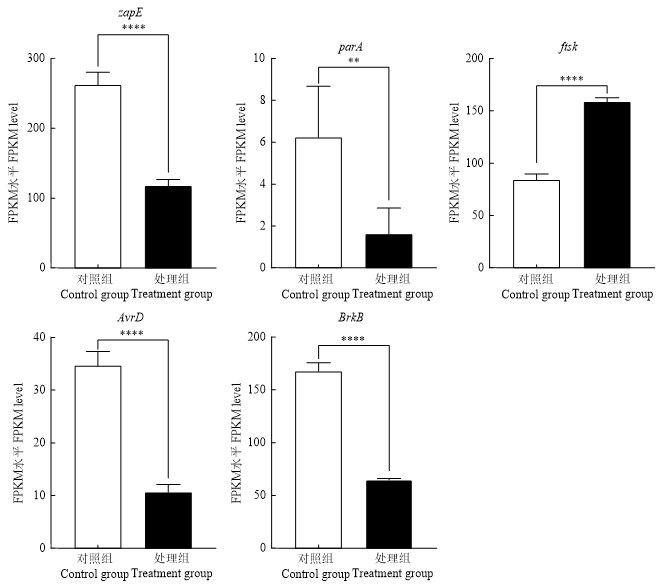
FPKM levels of differentially expressed genes"

[1]
Zhang W, Planas-Marquès M, Liang M, Zhang Q, Vermeulen A, Kaschani F, Kaiser M, Takken F L W, Coll N S, Valls M. The CAPE1 peptide confers resistance against bacterial wilt in tomato[J]. Journal of Experimental Botany, 2025, 76(15): 4340-4358.
[2]
张林琳, 宫瑞, 崔彦玲, 钟雄辉, 李烨, 李然红, 潜宗伟. 利用VIGS分析SmWRKY30在茄子抗青枯病中的作用[J]. 中国农业科学, 2025, 58(3): 548-563. DOI: 10.3864/j.issn.0578-1752.2025.03.011.
Zhang L L, Gong R, Cui Y L, Zhong X H, Li Y, Li R H, Qian Z W. Effect analysis of SmWRKY30 in eggplant resistance to Ralstonia solanacearum by virus induced gene silencing (VIGS)[J]. Scientia Agricultura Sinica, 2025, 58(3): 548-563. DOI: 10.3864/j.issn.0578-1752.2025.03.011. (in Chinese)
[3]
Chachar Z, Xue X, Fang J, Chen M, Jiarui C, Chen W, Ahmed N, Chachar S, Narejo M U, Ahmed N, Fan L, Lai R, Qi Y. Key mechanisms of plant-Ralstonia solanacearum interaction in bacterial wilt pathogenesis[J]. Frontiers in Microbiology, 2025, 16: 1521422.
[4]
Moussa Z, Rashad E M, Elsherbiny E A, Al-Askar A A, Arishi A A, Al-Otibi F O, Saber W I. New strategy for inducing resistance against bacterial wilt disease using an avirulent strain of Ralstonia solanacearum[J]. Microorganisms, 2022, 10(9): 1814.
[5]
Zhu S, Chang X, Liu N, He Y, Wang J, Wu Z. The composite microbial agent controls tomato bacterial wilt by colonizing the root surface and regulating the rhizosphere soil microbial community[J]. Frontiers in Microbiology, 2025, 16: 1559380.
[6]
Mnif I, Grau-Campistany A, Coronel-León J, Hammami I, Triki M A, Manresa A, Ghribi D. Purification and identification of Bacillus subtilis SPB1 lipopeptide biosurfactant exhibiting antifungal activity against Rhizoctonia bataticola and Rhizoctonia solani[J]. Environmental Science and Pollution Research, 2016, 23(7): 6690-6699.
[7]
廖鑫琳, 郭鑫, 杨季学, 邵嘉朱, 袁歆瑜, 胡佳燕, 陈晓晓, 蒋冬花. 拮抗青枯雷尔氏菌的放线菌筛选及其防病作用[J]. 中国农业科学, 2024, 57(7): 1319-1334. DOI: 10.3864/j.issn.0578-1752.2024.07.009.
Liao X L, Guo X, Yang J X, Shao J Z, Yuan X Y, Hu J Y, Chen X X, Jiang D H. Screening of actinomycetes against Ralstonia solanacearum and its disease prevention function[J]. Scientia Agricultura Sinica, 2024, 57(7): 1319-1334. DOI: 10.3864/j.issn.0578-1752.2024.07.009. (in Chinese)
[8]
Diniz G F, Figueiredo J E, Canuto K M, Cota L V, Souza A S, Simeone M L, Tinoco S M, Ribeiro P R, Ferreira L V, Marins M S, de Oliveira-Paiva C A, dos Santos V L. Chemical and genetic characterization of lipopeptides from Bacillus velezensis and Paenibacillus ottowii with activity against Fusarium verticillioides[J]. Frontiers in Microbiology, 2024, 15: 1443327.
[9]
Munusamy S, Conde R, Bertrand B, Munoz-Garay C. Biophysical approaches for exploring lipopeptide-lipid interactions[J]. Biochimie, 2020, 170: 173-202.
[10]
Fan S, Tian F, Fang L, Yang C H, He C. Transcriptional responses of Xanthomonas oryzae pv. oryzae to type III secretion system inhibitor ortho-coumaric acid[J]. BMC Microbiology, 2019, 19(1): 163.
[11]
Yang L, Li S, Qin X, Jiang G, Chen J, Li B, Yao X, Liang P, Zhang Y, Ding W. Exposure to umbelliferone reduces Ralstonia solanacearum biofilm formation, transcription of type III secretion system regulators and effectors and virulence on tobacco[J]. Frontiers in Microbiology, 2017, 8: 1234.
[12]
Chen K, Zhuang Y, Wang L, Li H, Lei T, Li M, Gao M, Wei J, Dang H, Raza A, Yang Q, Sharif Y, Yang H, Zhang C, Zou H, Zhuang W. Comprehensive genome sequence analysis of the devastating tobacco bacterial phytopathogen Ralstonia solanacearum strain FJ1003[J]. Frontiers in Genetics, 2022, 13: 966092.
[13]
Li S, Yu Y, Chen J, Guo B, Yang L, Ding W. Evaluation of the antibacterial effects and mechanism of action of protocatechualdehyde against Ralstonia solanacearum[J]. Molecules, 2016, 21(6): 754.
[14]
Vailleau F, Genin S. Ralstonia solanacearum: An arsenal of virulence strategies and prospects for resistance[J]. Annual Review of Phytopathology, 2023, 61: 25-47.
[15]
周池, 彭征宇, 张清壮, 彭迪, 陶禹, 李鑫. 青枯菌侵染对辣椒内生菌群落的时空动态影响及病原菌增殖特征[J]. 微生物学报, 2025, 65(11): 4921-4937.
Zhou C, Peng Z Y, Zhang Q Z, Peng D, Tao Y, Li X. Spatiotemporal dynamics of endophytic microbiota in pepper plants infected by Ralstonia solanacearum and proliferation characteristics of the pathogen[J]. Acta Microbiologica Sinica, 2025, 65(11): 4921-4937. (in Chinese)
[16]
Yoshihara A, Shimatani M, Sakata M, Takemura C, Senuma W, Hikichi Y, Kai K. Quorum sensing inhibition attenuates the virulence of the plant pathogen Ralstonia solanacearum species complex[J]. ACS Chemical Biology, 2020, 15(11): 3050-3059.
[17]
Hendrich C G, Truchon A N, Dalsing B L, Allen C. Nitric oxide regulates the Ralstonia solanacearum type III secretion system[J]. Molecular Plant-Microbe Interactions, 2023, 36(6): 334-344.
[18]
Chen M, Zhang W, Han L, Ru X, Cao Y, Hikichi Y, Ohnishi K, Pan G, Zhang Y. A CysB regulator positively regulates cysteine synthesis, expression of type III secretion system genes, and pathogenicity in Ralstonia solanacearum[J]. Molecular Plant Pathology, 2022, 23(5): 679-692.
[19]
Tang X, Xiao Y, Zhou J M. Regulation of the type III secretion system in phytopathogenic bacteria[J]. Molecular Plant-Microbe Interactions, 2006, 19(11): 1159-1166.
[20]
Guo Q Q, Li Y Z, Shi H B, Yi A Y, Xu X L, Wang H H, Deng X, Wu Z B, Cui Z N. Novel mandelic acid derivatives suppress virulence of Ralstonia solanacearum via type III secretion system[J]. Pest Management Science, 2023, 79(11): 4626-4634.
[21]
Puigvert M, Solé M, López-Garcia B, Coll N S, Beattie K D, Davis R A, Elofsson M, Valls M. Type III secretion inhibitors for the management of bacterial plant diseases[J]. Molecular Plant Pathology, 2019, 20(1): 20-32.
[22]
郑雪芳, 王梓然, 朱育菁, 陈燕萍, 王阶平, 刘波. 不同致病力青枯雷尔氏菌诱导番茄防御相关信号途径基因的表达分析[J]. 福建农业学报, 2022, 37(1): 79-83.
Zheng X F, Wang Z R, Zhu Y J, Chen Y P, Wang J P, Liu B. Expressions of defense signal pathway genes in tomato plant induced by Ralstonia solanacearum of different virulence[J]. Fujian Journal of Agricultural Sciences, 2022, 37(1): 79-83. (in Chinese)
[23]
Qin Q, Liu B, Ma B, Wei X, Zhou Y, Sun Z. Isolation and identification of endophytic bacterium B5 from Mentha haplocalyx Briq. and its biocontrol mechanisms against Alternaria alternata- induced tobacco brown spot [J]. Journal of Fungi, 2025, 11(6): 446.
[24]
陈娟妮, 陈品璐, 李珏, 谢蒙潇, 李欣蓓, 丁伟. 纳米氧化镁诱导烟草抗青枯病的作用机理[J]. 中国农业科学, 2025, 58(16): 3327-3344. DOI: 10.3864/j.issn.0578-1752.2025.16.015.
Chen J N, Chen P L, Li Y, Xie M X, Li X B, Ding W. Mechanism of tobacco resistance to bacterial wilt induced by magnesium oxide nanoparticles[J]. Scientia Agricultura Sinica, 2025, 58(16): 3327-3344. DOI: 10.3864/j.issn.0578-1752.2025.16.015. (in Chinese)
[25]
Desoignies N, Schramme F, Ongena M, Legrève A. Systemic resistance induced by Bacillus lipopeptides in Beta vulgaris reduces infection by the rhizomania disease vector Polymyxa betae[J]. Molecular Plant Pathology, 2013, 14(4): 416-421.
[26]
Lam V B, Meyer T, Arias A A, Ongena M, Oni F E, Höfte M. Bacillus cyclic lipopeptides iturin and fengycin control rice blast caused by Pyricularia oryzae in potting and acid sulfate soils by direct antagonism and induced systemic resistance[J]. Microorganisms, 2021, 9(7): 1441.
[27]
Chen M C, Wang J P, Zhu Y J, Liu B, Yang W J, Ruan C Q. Antibacterial activity against Ralstonia solanacearum of the lipopeptides secreted from the Bacillus amyloliquefaciens strain FJAT-2349[J]. Journal of Applied Microbiology, 2019, 126(5): 1519-1529.
[28]
Manetsberger J, Caballero G N, Benomar N, Christie G, Abriouel H. Antimicrobial activity of environmental Bacillus spp. and Peribacillus spp. isolates linked to surfactin, fengycin, bacillibactin and lantibiotics[J]. International Journal of Biological Macromolecules, 2025, 316(1): 144644.
[29]
Charpe A M, Aglave B, Ghosh D K. Microbial-mediated induced resistance: Interactive effects for improving crop health[J]. Frontiers in Microbiology, 2025, 16: 1660944.
[30]
Balleux G, Höfte M, Arguelles-Arias A, Deleu M, Ongena M. Bacillus lipopeptides as key players in rhizosphere chemical ecology[J]. Trends in Microbiology, 2025, 33(1): 80-95.
[31]
Chen M C, Liu T T, Wang J P, Chen Y P, Chen Q X, Zhu Y J, Liu B. Strong inhibitory activities and action modes of lipopeptides on lipase[J]. Journal of Enzyme Inhibition and Medicinal Chemistry, 2020, 35(1): 897-905.
[32]
Yokota K. Bacillus cyclic lipopeptide; elicitors to induce disease resistance in biological control of plant diseases[J]. Bioscience, Biotechnology, and Biochemistry, 2026, 90(3): 313-316.
[33]
Meunier A, Cornet F, Campos M. Bacterial cell proliferation: From molecules to cells[J]. FEMS Microbiology Reviews, 2021, 45(1): fuaa046.
[34]
Marteyn B S, Karimova G, Fenton A K, Gazi A D, West N, Touqui L, Prevost M C, Betton J M, Poyraz O, Ladant D, Gerdes K, Sansonetti P J, Tang C M. ZapE is a novel cell division protein interacting with FtsZ and modulating the Z-ring dynamics[J]. mBio, 2014, 5(2): e00022-14.
[35]
Wang L, Lutkenhaus J. FtsK is an essential cell division protein that is localized to the septum and induced as part of the SOS response[J]. Molecular Microbiology, 1998, 29(3): 731-740.
[36]
Digonnet C, Martinez Y, Denancé N, Chasseray M, Dabos P, Ranocha P, Marco Y, Jauneau A, Goffner D. Deciphering the route of Ralstonia solanacearum colonization in Arabidopsis thaliana roots during a compatible interaction: Focus at the plant cell wall[J]. Planta, 2012, 236(5): 1419-1431.
[37]
Peyraud R, Cottret L, Marmiesse L, Gouzy J, Genin S. A resource allocation trade-off between virulence and proliferation drives metabolic versatility in the plant pathogen Ralstonia solanacearum[J]. PLoS Pathogens, 2016, 12(10): e1005939.
[38]
Asolkar T, Ramesh R. The involvement of the type six secretion system (T6SS) in the virulence of Ralstonia solanacearum on brinjal[J]. 3 Biotech, 2020, 10(7): 324.
[39]
Li Y, Hutchins W, Wu X, Liang C, Zhang C, Yuan X, Khokhani D, Chen X, Che Y, Wang Q, Yang C H. Derivative of plant phenolic compound inhibits the type III secretion system of Dickeya dadantii via HrpX/HrpY two-component signal transduction and Rsm systems[J]. Molecular Plant Pathology, 2015, 16(2): 150-163.
[40]
Khokhani D, Zhang C, Li Y, Wang Q, Zeng Q, Yamazaki A, Hutchins W, Zhou S S, Chen X, Yang C H. Discovery of plant phenolic compounds that act as type III secretion system inhibitors or inducers of the fire blight pathogen, Erwinia amylovora [J]. Applied and Environmental Microbiology, 2013, 79(18): 5424-5436.
[41]
Zhou Z J, Xiang L P, Wang X T, Jiang G, Cheng J, Cao X H, Fan X P, Shen H. An in-depth study of the growth inhibition of Vibrio parahaemolyticus by surfactin and its effects on cell membranes, ROS levels and gene transcription[J]. Journal of Invertebrate Pathology, 2025, 211: 108298.
[42]
Wu C Y, Huang H T, Chiang Y T, Lee K T. Surfactin inhibits enterococcal biofilm formation via interference with pilus and exopolysaccharide biosynthesis[J]. BMC Microbiology, 2025, 25: 85.
[43]
Dalsing B L, Truchon A N, Gonzalez-Orta E T, Milling A S, Allen C. Ralstonia solanacearum uses inorganic nitrogen metabolism for virulence, ATP production, and detoxification in the oxygen-limited host xylem environment[J]. mBio, 2015, 6(2): e02471.
[44]
Lowe-Power T M, Hendrich C G, von Roepenack-Lahaye E, Li B, Wu D S, Mitra R, Dalsing B L, Ricca P, Naidoo J, Cook D, Jancewicz A, Masson P, Thomma B, Lahaye T, Michael A J, Allen C. Metabolomics of tomato xylem sap during bacterial wilt reveals Ralstonia solanacearum produces abundant putrescine, a metabolite that accelerates wilt disease[J]. Environmental Microbiology, 2018, 20(4): 1330-1349.
[45]
Hamilton C D, Steidl O R, Macintyre A M, Hendrich C G, Allen C. Ralstonia solanacearum depends on catabolism of myo-inositol, sucrose, and trehalose for virulence in an infection stage-dependent manner[J]. Molecular Plant-Microbe Interactions, 2021, 34(6): 669-679.
[1] WANG Jing, LI Gang, CAI XiaoYa, PANG LuYao, HUANG QingYing, LIN BaoYi, KONG HaiMin, HAO Yue, REN HaiYing. Screening of Biocontrol Bacillus Strains Against Bayberry Twig Blight Disease and Investigation of Their Disease-Suppressive Mechanisms [J]. Scientia Agricultura Sinica, 2026, 59(7): 1467-1479.
[2] DONG Yu, WU Qian, FENG Xuan, ZHENG YinYing, CUI BaiMing. A Novel Plasmid pEA60 of Erwinia amylovora Enhances the Pathogenicity of Strains by Regulating the Synthesis of Virulence Factors [J]. Scientia Agricultura Sinica, 2026, 59(5): 996-1007.
[3] YANG Fan, HU XiaoQian, WANG Yu, YUE CaiXia, ZHANG Rui, TIAN Wen, WANG TingTing, LI Yang, JI MeiQuan, ZHANG LiHui, AN KeJing. Optimization of Detection Conditions for Aerobic Spore-Forming Bacillus in Honey and Analysis of Its Contamination Characteristics [J]. Scientia Agricultura Sinica, 2026, 59(4): 887-899.
[4] FAN XiaoHan, ZHANG WeiJun, YUAN JinFeng, ZHAO DongLin, ZHANG ChengSheng, ZHANG ZhiFan, XU KangWen. Function of c-di-GMP Synthase Rsp1208 of Ralstonia solanacearum Strain GMI 1000 [J]. Scientia Agricultura Sinica, 2026, 59(11): 2374-2386.
[5] CONG QiQi, ZHANG JingYi, MENG XiangLong, DAI PengBo, LI Bo, HU TongLe, WANG ShuTong, CAO KeQiang, WANG YaNan. Identification of Hypovirus in Apple Ring Rot Fungus Botryosphaeria dothidea and Detection of Virus-Carrying Status in China [J]. Scientia Agricultura Sinica, 2025, 58(3): 478-492.
[6] TONG ZhaoYang, LIU WenHua, ZHANG GuoXin, DONG ChunYan, ZHANG YanXia, XU XiaoWei, HE Dong, LIU HeChun, LI Yang, WANG FengTao, FENG Jing, YAO XiaoBo, LIU MeiJin, LIN RuiMing. The Relationship Between Occurrence of Hulless Barley Ear Rot and Population Migration of Grass Mite (Siteroptes spp.) [J]. Scientia Agricultura Sinica, 2025, 58(3): 493-506.
[7] ZHANG LinLin, GONG Rui, CUI YanLing, ZHONG XiongHui, LI Ye, LI RanHong, QIAN ZongWei. Effect Analysis of SmWRKY30 in Eggplant Resistance to Ralstonia solanacearum by Virus Induced Gene Silencing (VIGS) [J]. Scientia Agricultura Sinica, 2025, 58(3): 548-563.
[8] YANG WenJuan, GAO JiaCheng, WANG YanTing, LI Yan, GUO Ming, WANG JunCheng, MENG YaXiong, WANG HuaJun, SI ErJing. Function of Effector Pg00778 Regulation on the Pathogenicity of Pyrenophora graminea to Barley [J]. Scientia Agricultura Sinica, 2025, 58(15): 3020-3035.
[9] LIAO XinLin, GUO Xin, YANG JiXue, SHAO JiaZhu, YUAN XinYu, HU JiaYan, CHEN XiaoXiao, JIANG DongHua. Screening of Actinomycetes Against Ralstonia solanacearum and Its Disease Prevention Function [J]. Scientia Agricultura Sinica, 2024, 57(7): 1319-1334.
[10] DONG ZaiFang, DING TengTeng, SHAN YiXuan, LI HongLian, CHEN LinLin, XING XiaoPing. Autophagy-Related Gene FpAtg3 Involves in Growth and Pathogenicity of Fusarium pseudograminearum [J]. Scientia Agricultura Sinica, 2024, 57(6): 1080-1090.
[11] ZHANG AiHong, YANG Fei, ZHAO YuanYe, ZHAO YiHan, DI DianPing, MIAO HongQin. Pathogenicity and Epidemic Risk of Barley Yellow Striate Mosaic Virus [J]. Scientia Agricultura Sinica, 2024, 57(23): 4686-4697.
[12] WANG Yuan, DU MengDan, LI ZhengGang, SHE XiaoMan, YU Lin, LAN GuoBing, DING ShanWen, HE ZiFu, TANG YaFei. Identification of Pathogen Causing Tomato White Tip and Curl Leaf Disease and Its Pathogenicity in Guangdong Province [J]. Scientia Agricultura Sinica, 2024, 57(12): 2350-2363.
[13] ZHANG Jian, ZHAO BinSen, FENG Hao, HUANG LiLi. Function and Mechanism Analysis of Vm-milRN7 Regulating the Pathogenicity of Valsa mali [J]. Scientia Agricultura Sinica, 2024, 57(10): 1930-1942.
[14] GAO XiaoXiao, TU LiQin, YANG Liu, LIU YaNan, GAO DanNa, SUN Feng, LI Shuo, ZHANG SongBai, JI YingHua. Construction of an Infectious Clone of Tobacco Mild Green Mosaic Virus Isolate Infecting Pepper from Jiangsu Based on Genomic Clone [J]. Scientia Agricultura Sinica, 2023, 56(8): 1494-1502.
[15] LUO WanZhen, WANG Dan, QI HongYue, WANG Tong, LIU Zheng, TIAN Li, DAI XiaoFeng, CHEN JinYin, MIJITI Maihemuti. Identification of Antagonistic Bacterium Strain KRS022 and Its Inhibition Effect on Verticillium dahliae [J]. Scientia Agricultura Sinica, 2023, 56(4): 649-664.
Viewed
Full text


Abstract

Cited

  Shared   
  Discussed   
No Suggested Reading articles found!