Scientia Agricultura Sinica ›› 2023, Vol. 56 ›› Issue (19): 3712-3722.doi: 10.3864/j.issn.0578-1752.2023.19.002

;

• SPECIAL FOCUS: GENE FUNCTION AND BREEDING IN COTTON • Previous Articles     Next Articles

Cloning and Functional Characterization of the Promoter of GhSLD1 Gene That Predominantly Expressed in Cotton Fiber

LIU Fang(), XU MengBei, WANG QiaoLing, MENG Qian, LI GuiMing, ZHANG HongJu, TIAN HuiDan, XU Fan, LUO Ming()   

  1. Biotechnology Research Center, Southwest University/Key Laboratory of Biotechnology and Crop Quality Improvement, Ministry of Agriculture and Rural Affairs, Chongqing 400716
  • Received:2022-11-07 Accepted:2022-12-13 Online:2023-10-01 Published:2023-10-08
  • Contact: LUO Ming

Abstract:

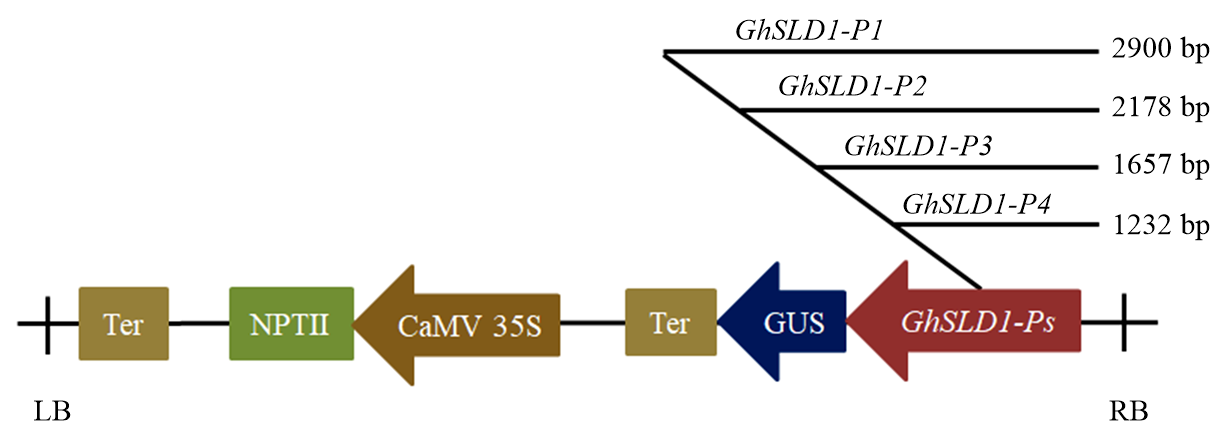
【Objective】Cotton fiber is the main economic product of cotton. It is the epidermal cells of the ovule outer integument through polar elongation and secondary wall thickening. As one of the longest plant cells, the cotton fiber cells are regarded as an ideal material in the study of plant cell growth and development. Identification of promoters specifically or preferentially expressed in fiber cells is of great significance for basic research on fiber development and molecular breeding for improving fiber traits. 【Method】In this study, we cloned the promoter of GhSLD1 gene, which is predominantly expressed in fiber cells. Through the PlantCARE website for promoter sequence analysis, we identified the important cis-regulatory elements contained in the cloned sequence. According to the distribution of some important cis-regulatory elements, the cloned promoter fragments were deleted at 5′- end. A total of 4 promoter fragments were obtained and the corresponding plant expression vector was constructed. The constructed plant expression vectors were used for genetic transformation of tobacco and cotton. The transgenic plants were identified through molecular identification of transgenic tobacco and cotton. GUS activity in different tissues, organs and fiber cells of transgenic plants at different development stages was also investigated. 【Result】The longest promoter cloned was 2 900 bp in length. In addition to a lot of transcription regulatory elements in the promoter, the sequence also contained multiple abscisic acid response elements, the elements essential for the anaerobic induction, methyl jasmonate response elements, brassinolide response elements, the elements involved in seed-specific regulation, the elements involved in defense and stress responsiveness, and MYB transcription factor binding sites. Four promoter fragments with a length of 2 900 bp (GhSLD-P1), 2 178 bp (GhSLD1-P2), 1 657 bp (GhSLD1-P3) and 1 232 bp (GhSLD-P4) were obtained by the 5′-terminal deletion, respectively. The transgenic tobacco plants were generated after confirmed by molecular identification. GhSLD-P1, GhSLD1-P2 and GhSLD1-P3 did not express in transgenic tobacco, while GhSLD-P4 is widely expressed, and the expression level of GhSLD-P4 was similar to that of CaMV 35S promoter. The different sequence between GhSLD1-P3 and GhSLD-P4 contained four abscisic acid response elements, two brassinolide response elements, and three MYB binding sites. These cis-regulatory elements may be associated with the non-expression of GhSLD1-P1, GhSLD1-P2, and GhSLD1-P3 promoters in transgenic tobacco. The transgenic cotton plants of GhSLD1-P2 were obtained after confirmed by molecular identification. GhSLD1-P2 predominantly expressed in transgenic cotton fibers, and its expression level was higher at the elongation stage (10-15 DPA) of fiber cells while lower in the early developmental stage (5 DPA) of fiber cells and the stage of secondary cell wall deposition (20-30 DPA). 【Conclusion】The GhSLD1-P4 promoter was a widely expressed promoter, and the GhSLD1-P2 promoter was a fiber predominant expression promoter, which was highly expressed during the elongation of fibers. It could be applied to the study on the gene function involved in cotton fiber development and molecular breeding for improving fiber traits.

Key words: cotton, promoter, functional characterization, GhSLD1, sphingolipid delta8-desaturase

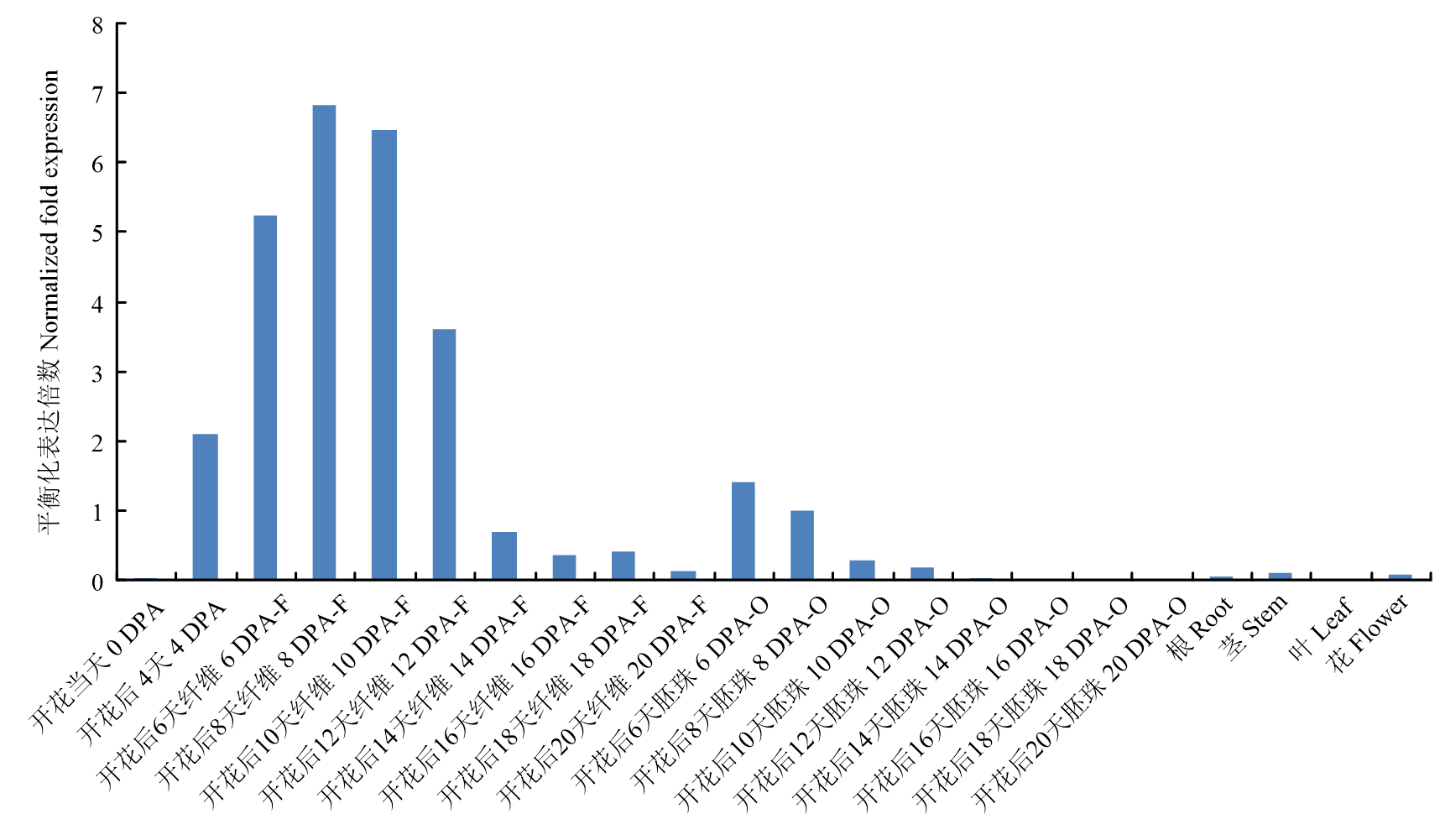
Fig. 1

Expression pattern of GhSLD1 gene in various organs of cotton and various developmental stages of fiber and ovule"

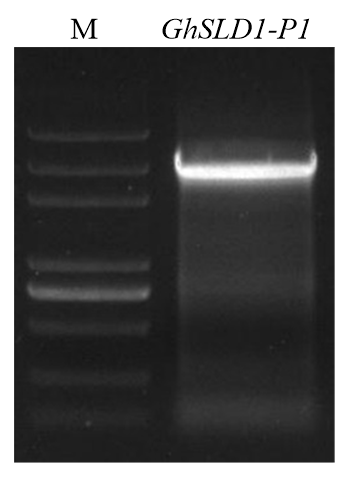
Fig. 2

Amplification of GhSLD1-P1 promoter M: DNA marker; GhSLD1-P1: Promoter of GhSLD1 gene"

Table 1

The cis-acting regulatory elements contained in the GhSLD1-P1 promoter"

序号No. 功能Function 序列Sequence 正链Strand+ 反链Strand-
脱落酸响应元件 Abscisic acid responsiveness CACGTG/ACGTG 4
厌氧诱导元件 Anaerobic induction AAACCA 4
茉莉酸甲酯响应元件 MeJA-responsiveness CGTCA 1
油菜素内酯响应元件 Brassinolide responsiveness CANNTG 7 3
V MYB结合位点 MYB binding site AACCTAA/TAACCA/ CAACCA/ TAACTG 5 2
VI 种子特异调控元件 Seed-specific regulation CATGCATG 1
VII 胁迫响应元件 Defense and stress responsiveness ATTCTCTAAC 1

Fig. 3

Construction of GhSLD1 promoter plant expression vector LB: The left border of T-DNA region; RB: The right border of T-DNA region; NPTII: Kanamycin resistance gene; GUS: β-Glucuronidase gene (reporter gene); Ter: Terminator; CaMV35S: The 35S promoter of Cauliflower Mosaic Virus (CaMV)"

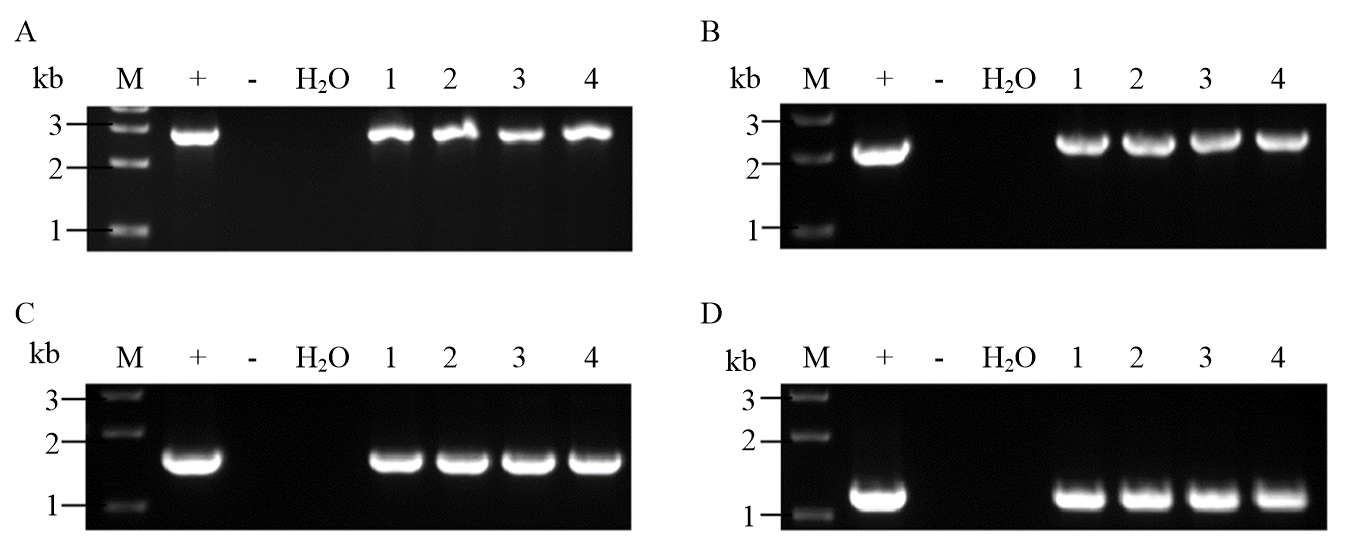
Fig. 4

GhSLD1 promoter transgenic tobacco amplification validation A: GhSLD1-P1 transgenic tobacco; B: GhSLD1-P2 transgenic tobacco; C: GhSLD1-P3 transgenic tobacco; D: GhSLD1-P4 transgenic tobacco. M: DNA Marker; +: Positive control, the promoter vector of the corresponding fragment is used as the amplification template; -: Negative control, the wild type tobacco gDNA is used as the amplification template, H2O: A blank control, and water is used as a PCR amplification template; and 1-4: The corresponding fragment of the promoter transgenic tobacco plant"

Fig. 5

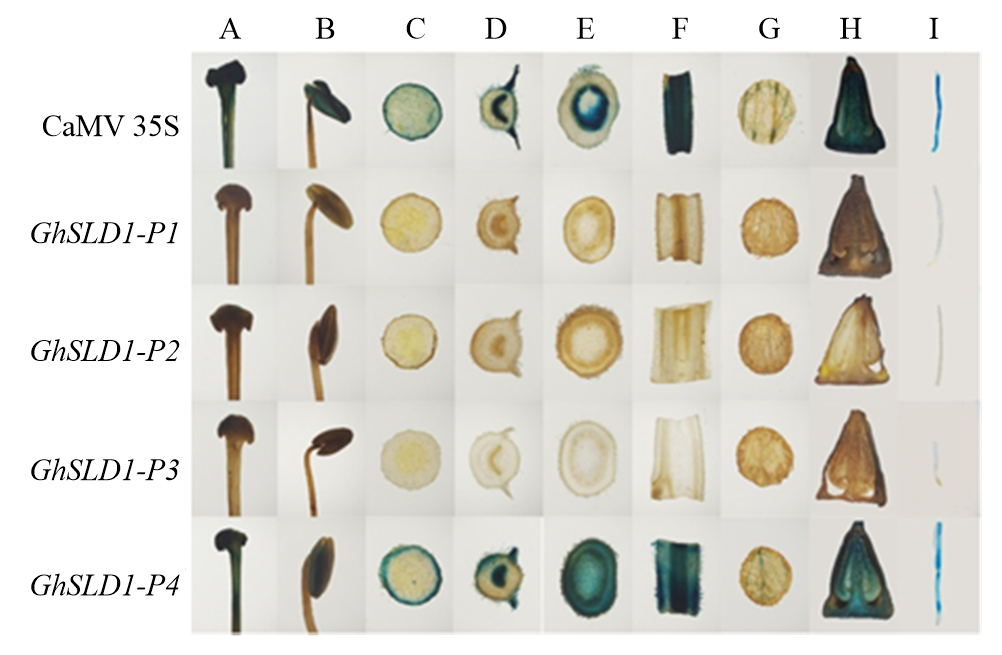
Characteristics of expression of GhSLD1 promoters in basic tobacco tissues CaMV 35S: The transgenic tobacco plants of CaMV35S promoter; GhSLD1-P1-GhSLD1-P4: The transgenic tobacco plants of GhSLD1-P1, GhSLD1-P2, GhSLD1-P3, and GhSLD1-P4, respectively. A: Stigma, B: Stamen, C: Leaf, D: The cross-section of the petiole, E: The cross- section of the stem, F: Longitudinal section of the stem, G: Petal, H: The ovary on the day of flowering, I: Root"

Fig. 6

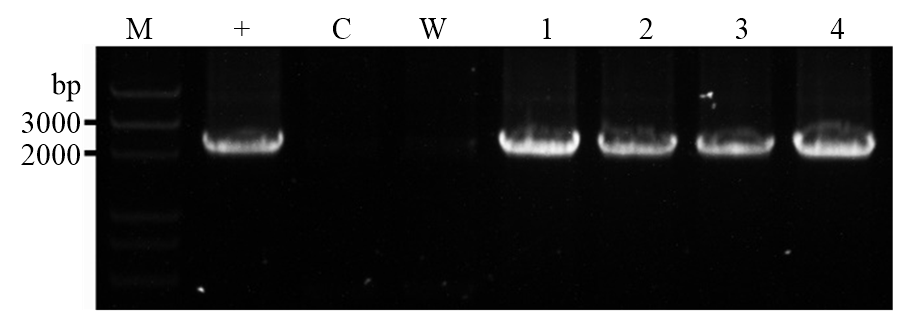
Identification of GhSLD1-P2 transgenic cotton M: DNA Marker; +: Positive control, the plant expression vector plasmid of GhSLD1-P2 was used as a template; C: Negative control, the genome DNA of non-transgenic cotton was used as a template; W: Empty control, H2O was used as template; 1-4: Transgenic cotton line 1-4"

Fig. 7

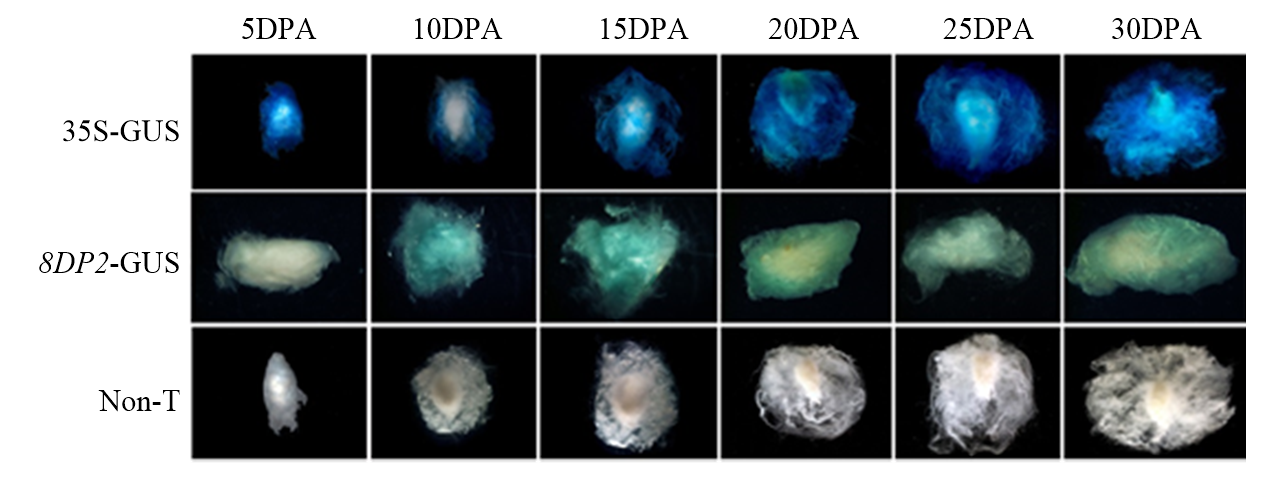
The activity of GUS in leaf and stem of transgenic cotton plants Non-T: Non-transgenic cotton, as a negative control; 8DP2-GUS: The transgenic cotton plants of pBI121-GhSLD1-P2::GUS vector; 35S-GUS: The transgenic cotton plants of pBI121-CaMV35S::GUS vector, as a positive control. The same as below"

Fig. 8

The activity of GUS in flower of transgenic cotton plants"

Fig. 9

The activity of GUS in ovules and fiber cells of transgenic cotton plants at various developmental stages 5-30 DPA: The ovules and fiber cells at 5-30 day post anthesis"

[1]
JOHN M E, CROW L J. Gene expression in cotton (Gossypium hirsutum L.) fiber: Cloning of the mRNAs. Proceedings of the National Academy of Sciences of the United States of America, 1992, 89(13): 5769-5773.
[2]
JOHN M E, KELLER G. Metabolic pathway engineering in cotton: Biosynthesis of polyhydroxybutyrate in fiber cells. Proceedings of the National Academy of Sciences of the United States of America, 1996, 93(23): 12768-12773.
[3]
于晓红, 朱勇清, 林芝萍, 陈晓亚, 许智宏. 亚洲棉GAE6-3A上游序列的分离及其在烟草中的表达. 植物生理学报, 2000, 26(2): 143-147, 180.
YU X H, ZHU Y Q, LIN Z P, CHEN X Y, XU Z H. Isolation of GAE6-3A upstream fragment from Gossypium arboreum and its expression in tobacco. Acta Photophysiologica Sinica, 2000, 26(2): 143-147, 180. (in Chinese)
[4]
吴蔼民, 刘进元. 棉花半乳糖苷酶基因启动子的分离及其在转基因烟草中的表达. 中国科学C辑: 生命科学, 2005, 35(5): 389-397.
WU A M, LIU J Y. Isolation of cotton galactosidase gene promoter and its expression in transgenic tobacco. Science in China Ser.C Life Sciences, 2005, 35(5): 389-397. (in Chinese)
[5]
RINEHART J A, PETERSEN M W, JOHN M E. Tissue-specific and developmental regulation of cotton gene FbL2A (demonstration of promoter activity in transgenic plants). Plant Physiology, 1996, 112(3): 1331-1341.

doi: 10.1104/pp.112.3.1331
[6]
DELANEY S K, ORFORD S J, MARTIN-HARRIS M, TIMMIS J N. The fiber specificity of the cotton FSltp4 gene promoter is regulated by an AT-Rich promoter region and the AT-Hook transcription factor GhAT1. Plant and Cell Physiology, 2007, 48(10): 1426-1437.

doi: 10.1093/pcp/pcm111
[7]
MA D P, TAN H, SI Y, CREECH R G, JENKINS J N. Differential expression of a lipid transfer protein gene in cotton fiber. Biochimica et Biophysica Acta (BBA) - Lipids and Lipid Metabolism, 1995, 1257(1): 81-84.

doi: 10.1016/0005-2760(95)00077-P
[8]
MA D P, LIU H C, TAN H, CREECH R G, JENKINS J N, CHANG Y F. Cloning and characterization of a cotton lipid transfer protein gene specifically expressed in fiber cells. Biochimica et Biophysica Acta(BBA)-Lipids and Lipid Metabolism, 1997, 1344(2): 111-114.
[9]
LIU H C, CREECH R G, JENKINS J N, MA D P. Cloning and promoter analysis of the cotton lipid transfer protein gene Ltp3(1). Biochimica Et Biophysica Acta(BBA)-Lipids and Lipid Metabolism, 2000, 1487(1): 106-111.
[10]
HSU C Y, CREECH R G, JENKINS J N, MA D P. Analysis of promoter activity of cotton lipid transfer protein gene LTP6 in transgenic tobacco plants. Plant Science, 1999, 143(1): 63-70.

doi: 10.1016/S0168-9452(99)00026-6
[11]
WU A M, HU J S, LIU J Y. Functional analysis of a cotton cellulose synthase A4 gene promoter in transgenic tobacco plants. Plant Cell Reports, 2009, 28(10): 1539-1548.

doi: 10.1007/s00299-009-0753-8
[12]
KIM H J, MURAI N, FANG D D, TRIPLETT B A. Functional analysis of Gossypium hirsutum cellulose synthase catalytic subunit 4 promoter in transgenic Arabidopsis and cotton tissues. Plant Science, 2011, 180(2): 323-332.

doi: 10.1016/j.plantsci.2010.10.003
[13]
LI X B, FAN X P, WANG X L, CAI L, YANG W C. The cotton ACTIN1 gene is functionally expressed in fibers and participates in fiber elongation. The Plant Cell, 2005, 17(3): 859-875.

doi: 10.1105/tpc.104.029629
[14]
DENG F L, TU L L, TAN J F, LI Y, NIE Y C, ZHANG X L. GbPDF1 is involved in cotton fiber initiation via the core cis-element HDZIP2ATATHB2. Plant Physiology, 2011, 158(2): 890-904.

doi: 10.1104/pp.111.186742
[15]
HO M H, SAHA S, JENKINS J N, MA D P. Characterization and promoter analysis of a cotton RING-type ubiquitin ligase (E3) gene. Molecular Biotechnology, 2010, 46(2): 140-148.

doi: 10.1007/s12033-010-9280-7
[16]
HOU L, LIU H, LI J B, YANG X, XIAO Y H, LUO M, SONG S Q, YANG G W, PEI Y. SCFP, a novel fiber-specific promoter in cotton. Chinese Science Bulletin, 2008, 53(17): 2639-2645.
[17]
LI Y, TU L L, YE Z Z, WANG M J, GAO W H, ZHANG X L. A cotton fiber-preferential promoter, PGbEXPA2, is regulated by GA and ABA in Arabidopsis. Plant Cell Reports, 2015, 34(9): 1539-1549.

doi: 10.1007/s00299-015-1805-x
[18]
胡海燕, 刘迪秋, 李允静, 李阳, 涂礼莉. 一个棉花纤维伸长期优势表达启动子pGhFLA1的克隆与鉴定. 作物学报, 2017, 43(6): 849-854.
HU H Y, LIU D Q, LI Y J, LI Y, TU L L. Identification of promoter GhFLA1 preferentially expressed during cotton fiber elongation. Acta Agronomica Sinica, 2017, 43(6): 849-854. (in Chinese)

doi: 10.3724/SP.J.1006.2017.00849
[19]
WANG L, LIU C, LIU Y J, LUO M. Fumonisin B1-induced changes in cotton fiber elongation revealed by sphingolipidomics and proteomics. Biomolecules, 2020, 10(9): 1258.

doi: 10.3390/biom10091258
[20]
WANG Q L, MENG Q, XU F, CHEN Q, MA C X, HUANG L, LI G M, LUO M. Comparative metabolomics analysis reveals sterols and sphingolipids play a role in cotton fiber cell initiation. International Journal of Molecular Sciences, 2021, 22(21): 11438.

doi: 10.3390/ijms222111438
[21]
CHEN Q, XU F, WANG L, SUO X D, WANG Q L, MENG Q, HUANG L, MA C X, LI G M, LUO M. Sphingolipid profile during cotton fiber growth revealed that a phytoceramide containing hydroxylated and saturated VLCFA is important for fiber cell elongation. Biomolecules, 2021, 11(9): 1352.

doi: 10.3390/biom11091352
[22]
LUO M, XIAO Y, LI X, LU X, DENG W, LI D, HOU L, HU M, LI Y, PEI Y. GhDET2, a steroid 5α-reductase, plays an important role in cotton fiber cell initiation and elongation. The Plant Journal, 2007, 51(3): 419-430.

doi: 10.1111/j.1365-313X.2007.03144.x
[23]
WANG M J, TU L L, LIN M, LIN Z X, WANG P C, YANG Q Y, YE Z X, SHEN C, LI J Y, ZHANG L, ZHOU X L, NIE X H, LI Z H, GUO K, MA Y Z, HUANG C, JIN S X, ZHU L F, YANG X Y, MIN L, YUAN D J, ZHANG Q H, LINDSEY K, ZHANG X. Asymmetric subgenome selection and cis-regulatory divergence during cotton domestication. Nature Genetics, 2017, 49(4): 579-587.

doi: 10.1038/ng.3807 pmid: 28263319
[24]
ZHANG J X, WANG F R, ZHANG C Y, ZHANG J H, CHEN Y, LIU G D, ZHAO Y X, HAO F S, ZHANG J. A novel VIGS method by agroinoculation of cotton seeds and application for elucidating functions of GhBI-1 in salt-stress response. Plant Cell Reports, 2018, 37(8): 1091-1100.

doi: 10.1007/s00299-018-2294-5 pmid: 29868984
[25]
ZHANG J, HUANG G Q, ZOU D, YAN J Q, LI Y, HU S, LI X B. The cotton (Gossypium hirsutum) NAC transcription factor (FSN1) as a positive regulator participates in controlling secondary cell wall biosynthesis and modification of fibers. The New Phytologist, 2018, 217(2): 625-640.

doi: 10.1111/nph.2018.217.issue-2
[26]
JIANG Y J, GUO W Z, ZHU H Y, RUAN Y L, ZHANG T Z. Overexpression of GhSusA1 increases plant biomass and improves cotton fiber yield and quality. Plant Biotechnology Journal, 2012, 10(3): 301-312.

doi: 10.1111/j.1467-7652.2011.00662.x pmid: 22044435
[27]
ZHANG M, ZHENG X L, SONG S Q, ZENG Q W, HOU L, LI D M, ZHAO J, WEI Y, LI X B, LUO M, XIAO Y H, LUO X Y, ZHANG J F, XIANG C B, PEI Y. Spatiotemporal manipulation of auxin biosynthesis in cotton ovule epidermal cells enhances fiber yield and quality. Natture Biotechnology, 2011, 29(5): 453-458.
[28]
GUAN X Y, YU N, SHANGGUAN X X, WANG S, LU S, WANG L J, CHEN X Y. Arabidopsis trichome research sheds light on cotton fiber development mechanisms. Chinese Science Bulletin, 2007, 52(13): 1734-1741.

doi: 10.1007/s11434-007-0273-2
[29]
WANG Z, YANG Z R, LI F G. Updates on molecular mechanisms in the development of branched trichome in Arabidopsis and nonbranched in cotton. Plant Biotechnology Journal, 2019, 17(9): 1706-1722.

doi: 10.1111/pbi.v17.9
[30]
WU A M, LING C, LIU J Y. Isolation of a cotton reversibly glycosylated polypeptide (GhRGP1) promoter and its expression activity in transgenic tobacco. Journal of Plant Physiology, 2006, 163(4): 426-435.

doi: 10.1016/j.jplph.2005.06.014
[31]
WU A M, LV S Y, LIU J Y. Functional analysis of a cotton glucuronosyltransferase promoter in transgenic tobaccos. Cell Research, 2007, 17(2): 174-183.

doi: 10.1038/sj.cr.7310119
[32]
SHANGGUAN X X, XU B, YU Z X, WANG L J, CHEN X Y. Promoter of a cotton fibre MYB gene functional in trichomes of Arabidopsis and glandular trichomes of tobacco. Journal of Experimental Botany, 2008, 59(13): 3533-3542.

doi: 10.1093/jxb/ern204
[1] LI YuanJing, YUAN RuiXiang, LI YongTai, SUN TianGe, LIU Feng, LI YanJun, ZHANG XinYu. Identification and Functional Characterization of β-Glucosidase Genes in Verticillium dahliae for Pathogenicity on Cotton [J]. Scientia Agricultura Sinica, 2026, 59(7): 1380-1399.
[2] YAN TingLin, DU YaDan, HU XiaoTao, WANG He, LI XiaoYan, WANG YuMing, NIU WenQuan, GU XiaoBo. The Impacts of Nitrogen Fertilizer Organic Alternatives Under Aerated Drip Irrigation on Cotton Yield and Water Use Efficiency Under Deficit Irrigation Conditions [J]. Scientia Agricultura Sinica, 2026, 59(3): 602-618.
[3] GUO ChenLi, LIU Yang, CHEN Yan, HU Wei, WANG YouHua, ZHOU ZhiGuo, ZHAO WenQing. Effects of Phosphorus Fertilizer Postpone Under Nitrogen Reduction Condition on Yield, Phosphorus Fertilizer Utilization Efficiency of Drip-Irrigated Cotton [J]. Scientia Agricultura Sinica, 2025, 58(9): 1749-1766.
[4] WANG WeiMeng, WEI YunXiao, TANG YunNi, LIU MiaoMiao, CHEN QuanJia, DENG XiaoJuan, ZHANG Rui. Establishment and Rooting Optimization of Agrobacterium rhizogenes Transformation System in Cotton [J]. Scientia Agricultura Sinica, 2025, 58(8): 1479-1493.
[5] ZHAO YuXuan, MIAO JiYuan, HU Wei, ZHOU ZhiGuo. Effects of Low Temperature at Seedling Stage on Cotton Floral Bud Differentiation and Cotton Plant Yield [J]. Scientia Agricultura Sinica, 2025, 58(7): 1311-1320.
[6] TIAN LiWen, LOU ShanWei, ZHANG PengZhong, DU MingWei, LUO HongHai, LI Jie, PAHATI MaiMaiTi, MA TengFei, ZHANG LiZhen. Analysis of Problems and Pathways for Increasing Cotton Yield per Unit Area in Xinjiang Under Green and Efficient Production Mode [J]. Scientia Agricultura Sinica, 2025, 58(6): 1102-1115.
[7] LIU LuPing, HU XueJie, QI Jin, CHEN Qiang, LIU Zhi, ZHAO TianTian, SHI XiaoLei, LIU BingQiang, MENG QingMin, ZHANG MengChen, HAN TianFu, YANG ChunYan. Cloning of the Promoters and Analysis of Expression Patterns of Maturity Genes E1 and E2 in Soybean [J]. Scientia Agricultura Sinica, 2025, 58(5): 840-850.
[8] WANG LiYuan, WANG Hui, WANG MuMu, WANG DongJian, LI RuYu, ZHENG YongSheng, ZHANG Han. Construction and Application of DNA Fingerprint Database for Known Varieties in Upland Cotton DUS Testing [J]. Scientia Agricultura Sinica, 2025, 58(22): 4570-4588.
[9] GUO TianFa, WU JinLong, QIU QianQian, MA XinChao, WANG LiRong, WU CuiYun. Relationship Between the Formation of Non-Red Color in the Fruit Skin of Xinjiang Local Peach Varieties and the Variation of PpMYB10.1 Promoter [J]. Scientia Agricultura Sinica, 2025, 58(2): 326-338.
[10] TANG ChaoYuan, LIU TaoFen, WU YanQin, ZHANG QiPeng, LI ZiLiang, CHEN YunRui, LEI ZhangYing, ZHANG YaLi, ZHANG WangFeng, DU MingWei, YANG MingFeng, TIAN JingShan. Relationship Between Boll Morphological Characteristics and Fiber and Kernel Quality of Gossypium hirsutum L. and Gossypium barbadense L. [J]. Scientia Agricultura Sinica, 2025, 58(15): 2980-2992.
[11] WEN Jin, NING YanFang, QIN Xin, LIU Yuan, ZHANG XiaoLing, ZHU YongHong, TIAN ShiMin, MA YanBin. Resistance Evaluation and Genetic Stability Analysis of Insect- Resistant and Glyphosate-Tolerant Transgenic Cotton Lines [J]. Scientia Agricultura Sinica, 2025, 58(12): 2291-2302.
[12] DONG Ming, QI Hong, ZHANG Qian, WANG Yan, WANG ShuLin, FENG GuoYi, LIANG QingLong, GUO BaoSheng. The Impact of Sowing Methods on the Seed Germination Environment and Cotton Emergence and Growth [J]. Scientia Agricultura Sinica, 2025, 58(12): 2346-2357.
[13] ZHANG YanJun, DAI JianLong, DONG HeZhong. On Multi-Objective Collaborative Cultivation in Cotton Production [J]. Scientia Agricultura Sinica, 2025, 58(10): 1908-1916.
[14] WU YuZhen, HUANG LongYu, ZHOU DaYun, HUANG YiWen, FU ShouYang, PENG Jun, KUANG Meng. Construction of SSR Fingerprint Library and Comprehensive Evaluation for Approved Cotton Varieties in China [J]. Scientia Agricultura Sinica, 2024, 57(8): 1430-1443.
[15] LEI JianFeng, YOU YangZi, ZHANG JinEn, DAI PeiHong, YU Li, DU ZhengYang, LI Yue, LIU XiaoDong. Screening of High-Efficient sgRNA for Targeted Knockout of GhAGL16 Gene in Cotton [J]. Scientia Agricultura Sinica, 2024, 57(6): 1023-1033.
Viewed
Full text


Abstract

Cited

  Shared   
  Discussed   
No Suggested Reading articles found!