






中国农业科学 ›› 2026, Vol. 59 ›› Issue (22): 5006-5019.doi: 10.3864/j.issn.0578-1752.2026.22.005
陆鸿裕1,2( ), 马晴1,2, 张洪博1, 张忠锋1(), 闫宁1,2()
收稿日期:2025-11-25
接受日期:2026-02-20
出版日期:2026-11-16
发布日期:2026-11-19
通信作者:
联系方式:
陆鸿裕,E-mail:16606269795@163.com。
基金资助:
LU HongYu1,2(), MA Qing1,2, ZHANG HongBo1, ZHANG ZhongFeng1(), YAN Ning1,2()
Received:2025-11-25
Accepted:2026-02-20
Published:2026-11-16
Online:2026-11-19
摘要:
菰属(Zizania spp.)作为禾本科稻族核心水生作物类群,兼具关键生态功能、突出经济价值与优异营养特性。其中,中国菰(Z. latifolia)受内生菰黑粉菌(Ustilago esculenta)侵染形成的茭白是东亚主栽水生蔬菜,北美沼生菰(Z. palustris)驯化为优质营养菰米。尽管菰属作物应用前景广阔,但由于菰米产量较低,无法满足人口的日益增长,导致关于菰属作物功能基因组学、遗传育种研究起步较晚。如今人们对功能食品的关注度不断提高,菰米作为高营养价值全谷物又回到了人们的视野中。本文通过对菰属作物功能基因组学、关键性状基因挖掘和遗传育种相关研究的系统梳理,揭示了菰属作物的基因组结构特征和核心农艺性状的分子调控机制,明确了菰米与茭白的差异化育种目标,并总结了二者的育种实践进展。根据目前研究报道,已有多个中国菰与北美沼生菰的高质量染色体水平基因组完成组装,基因组组装质量与基因注释的完整性不断提升。同时,研究人员已鉴定出落粒性、茭白茎膨大、营养品质和抗逆性等一批关键农艺性状功能候选基因,既深化了对菰属作物特有性状形成机制的理解,也为分子标记辅助选择和基因编辑提供了潜在靶点。遗传育种方面,菰米与茭白的育种目标和方法差异显著,菰米育种核心是降低落粒性、提高籽粒成熟一致性、打破种子休眠并优化营养品质;茭白育种则聚焦维持中国菰-菰黑粉菌稳定互作,平衡茭白茎膨大与孢子形成。传统育种手段结合现代分子育种技术使育种效率与精准性大大提高。长江流域等遗传多样性高地区野生菰种质为发掘优良等位基因和拓宽育种遗传基础提供了重要材料。菰属与稻属的亲缘关系非常近,菰属可为水稻遗传改良提供宝贵基因资源。本研究对菰属作物的功能基因组学、关键性状基因挖掘和遗传育种进展进行了系统总结,为后续开展菰属的驯化育种提供理论支持。
陆鸿裕, 马晴, 张洪博, 张忠锋, 闫宁. 菰属作物功能基因组学与遗传育种研究进展[J]. 中国农业科学, 2026, 59(22): 5006-5019.
LU HongYu, MA Qing, ZHANG HongBo, ZHANG ZhongFeng, YAN Ning. Research Progress of Functional Genomics and Genetic Breeding of Zizania Crops[J]. Scientia Agricultura Sinica, 2026, 59(22): 5006-5019.
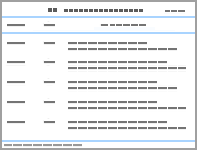
表1
不同菰属基因组组装概况"
| 物种 Species | 品种 Variety | 染色体数 Chromosome number | 基因组大小 Genome size (Mb) | 基因数 Number of genes | 重叠群N50 Contig N50 (Mb) | 基因组支架N50 Scaffold N50 (Mb) | 重复序列比例 Repetitive sequence ratio (%) | 参考文献 References |
|---|---|---|---|---|---|---|---|---|
| 中国菰 Z. latifolia | HSD | 17 | 604.10 | 43703 | 0.01 | 0.59 | 37.65 | [ |
| 中国菰 Z. latifolia | Huai’an | 17 | 547.38 | 38852 | 4.48 | 32.79 | 52.89 | [ |
| 中国菰 Z. latifolia | TL | 17 | 578.42 | 39934 | 33.75 | 34.71 | 47.59 | [ |
| 中国菰 Z. latifolia | ZJ8 | 17 | 596.34 | 36286 | 32.74 | 34.13 | 57.08 | [ |
| 北美沼生菰 Z. palustris | Itasca-C12 | 15 | 1288.77 | 46491 | 0.37 | 98.77 | 76.38 | [ |
| 北美沼生菰 Z. palustris | 野生种 Wild species | 15 | 1413.86 | 47804 | 109.22 | 109.22 | 73.60 | [ |
表2
菰属中已被鉴定的各类性状相关基因"
| 性状 Trait | 基因 Gene | 来源物种 Source species | 核心功能 Core functionality | 参考文献 References |
|---|---|---|---|---|
| 落粒性 Seed shattering | ZpSh5c | 北美沼生菰 Z. palustris | 调控离层发育 Regulating the development of abscission layer | [ |
| 落粒性 Seed shattering | ZlqSH1a, ZlqSH1b | 中国菰 Z. latifolia | 促进离层形成 Promoting the formation of abscission zone | [ |
| 茭白茎膨大 The stem swelling of Jiaobai | ZlRRA5, ZlRRA9 | 中国菰 Z. latifolia | 调控茭白茎膨大 Regulating the stem swelling of Jiaobai | [ |
| 茭白茎木质化 The stem lignification of Jiaobai | ZlNAC29 | 中国菰 Z. latifolia | 调控茭白茎木质化 Regulating the stem lignification of Jiaobai | [ |
| 孕茭 Stem swelling | ZlGsd1 | 中国菰 Z. latifolia | 提高茭白孕茭率 Improving the rate of stem swelling | [ |
| 营养品质 Nutritional quality | ZlMYB1, ZlMYB2 | 中国菰 Z. latifolia | 调控类黄酮生物合成 Regulating flavonoid biosynthesis | [ |
| 营养品质 Nutritional quality | ZlRc, ZlRd | 中国菰 Z. latifolia | 调控类黄酮生物合成 Regulating flavonoid biosynthesis | [ |
| 营养品质 Nutritional quality | LAR, WD40 | 中国菰 Z. latifolia | 调控类黄酮生物合成 Regulating flavonoid biosynthesis | [ |
| 抗逆性 Stress resistance | ZlbZIP005, ZlbZIP075, ZlbZIP084 | 中国菰 Z. latifolia | 调控耐寒性 Regulating cold tolerance | [ |
| 抗逆性 Stress resistance | ZlHSF-04, ZlHSF-12, ZlHSF-27 | 中国菰 Z. latifolia | 调控耐热性 Regulating heat tolerance | [ |
| 抗逆性 Stress resistance | ZlMPK3 | 中国菰 Z. latifolia | 负调控对黑霉病的抗性 Negative regulation of resistance to black mold disease | [ |
| 抗逆性 Stress resistance | ZlBBR1 | 中国菰 Z. latifolia | 提高对白叶枯病的抗性 Enhanced resistance to bacterial blight | [ |
| 抗逆性 Stress resistance | ZlChi2, ZlChi5 | 中国菰 Z. latifolia | 调控大部分非生物胁迫抗性 Regulating most abiotic stress resistance | [ |
| [1] |
|
| [2] |
郭伟, 钟兰, 王直新. 菰(Zizania latifolia)研究及利用概况[J]. 长江蔬菜, 2019(24): 38-42.
|
|
|
|
| [3] |
翟成凯, 孙桂菊, 陆琮明, 蒋兆坤, 张小强. 中国菰资源及其应用价值的研究[J]. 资源科学, 2000, 22(6): 22-26.
|
|
|
|
| [4] |
|
| [5] |
|
| [6] |
|
| [7] |
|
| [8] |
|
| [9] |
|
| [10] |
|
| [11] |
|
| [12] |
冯小兰. 菰米的营养组分及其健康功效[J]. 食品与机械, 2023, 39(1): 179-185.
|
|
|
|
| [13] |
于秀婷, 祁倩倩, 李亚丽, 杨永义, 杨婷, 袁源, 杜咏梅, 刘新民, 张忠锋, 闫宁. 中国菰米与稻米甲醇提取物体外酶抑制作用分析[J]. 食品研究与开发, 2022, 43(12): 191-197.
|
|
|
|
| [14] |
|
| [15] |
|
| [16] |
|
| [17] |
|
| [18] |
张玉, 杨狄芯芯, 练银银, 谭斌, 王梅, 索化夷. 菰米研究现状及产业发展趋势[J]. 西南大学学报(自然科学版), 2025, 47(1): 73-82.
|
|
|
|
| [19] |
|
| [20] |
于秀婷. 中国菰米类黄酮生物活性评价及生物合成关键基因鉴定[D]. 北京: 中国农业科学院, 2022.
|
|
|
|
| [21] |
|
| [22] |
|
| [23] |
|
| [24] |
|
| [25] |
|
| [26] |
|
| [27] |
|
| [28] |
|
| [29] |
|
| [30] |
|
| [31] |
|
| [32] |
|
| [33] |
|
| [34] |
|
| [35] |
|
| [36] |
|
| [37] |
|
| [38] |
|
| [39] |
夏淑倩, 马莹然, 周晨卉, 周雅萍, 柳菁溪, 王晶, 崔海峰. 茭白转录因子ZlNAC29基因克隆及其在菰黑粉菌侵染诱导茎部膨大发育中的表达分析[J]. 植物生理学报, 2025, 61(3): 348-358.
|
|
|
|
| [40] |
|
| [41] |
|
| [42] |
|
| [43] |
|
| [44] |
|
| [45] |
|
| [46] |
|
| [47] |
|
| [48] |
|
| [49] |
蔡溧聪, 唐明佳, 徐进, 齐振宇, 范飞军, 周艳虹. 茭白热激转录因子基因的鉴定与分析[J]. 浙江大学学报(农业与生命科学版), 2023, 49(2): 269-279.
|
|
|
|
| [50] |
|
| [51] |
王惠梅. 菰遗传多样性与ZlBBR1基因的功能分析[D]. 北京: 中国农业科学院, 2017.
|
|
|
|
| [52] |
|
| [53] |
|
| [54] |
|
| [55] |
|
| [56] |
|
| [57] |
|
| [58] |
柯卫东, 孔庆东, 彭静. 我国双季茭白品种资源及育种研究[J]. 武汉植物学研究, 1997, 15(3): 262-268.
|
|
|
|
| [59] |
|
| [60] |
闫宁, 薛惠民, 石林豫, 范菁, 徐晓峰, 王志丹, 郭得平. 茭白“雄茭”和“灰茭”的形成及遗传特性[J]. 中国蔬菜, 2013(16): 35-42.
|
|
|
|
| [61] |
|
| [62] |
|
| [63] |
|
| [64] |
|
| [65] |
|
| [66] |
刘义满, 柯卫东, 黄新芳, 李峰, 彭静, 朱红莲, 黄来春, 李明华. 茭白遗传多样性与育种技术[J]. 长江蔬菜, 2009(16): 1-4.
|
|
|
|
| [67] |
|
| [68] |
|
| [69] |
吴国林, 王惠梅, 黄奇娜, 奉保华, 江绍琳, 吴建利, 黄长干, 江绍玫. 菰(Zizania latifolia)ISSR反应体系的建立及优化[J]. 植物遗传资源学报, 2014, 15(6): 1395-1400.
|
|
|
|
| [70] |
任绪瑞, 刘艳玲, 杨美, 陈媛媛, 王冬良, 陈友根. 菰SRAP-PCR反应体系的优化与建立[J]. 热带作物学报, 2014, 35(2): 299-306.
|
|
|
|
| [71] |
|
| [72] |
殷淯梅, 张雅芬, 曹乾超, 胡鹏, 夏文强, 崔海峰, 俞晓平, 叶子弘. 茭白人工孕茭体系的建立及优化[J]. 农业生物技术学报, 2019, 27(8): 1498-1512.
|
|
|
|
| [73] |
|
| [74] |
|
| [75] |
|
| [76] |
|
| [77] |
|
| [78] |
|
| [79] |
张述乾. 菰种质资源农艺性状综合评价及种子大小性状的全基因组关联分析[D]. 南昌: 南昌大学, 2023.
|
|
|
|
| [80] |
王圣子海. 环太湖野生菰种质资源调查及遗传多样性分析[D]. 南昌: 江西财经大学, 2017.
|
|
|
|
| [81] |
王营营, 黄璐, 樊龙江. 菰(Zizania latifolia)主要农艺性状及其驯化育种[J]. 浙江大学学报(农业与生命科学版), 2013(6): 629-635.
|
|
|
|
| [82] |
|
| [83] |
|
| [84] |
|
| [85] |
朴亨茂, 赵粉善, 赵基洪, 刘宝. 对2个源自“水稻×菰”非常规远缘杂种的优良品系的分子分析[J]. 木本植物研究, 2000, 20(3): 260-263.
|
|
|
|
| [86] |
赵基洪, 姜立雁, 初秀成, 赵剑锋, 吴振浩, 任蔚洁. 水稻与菰属间性状转移研究[J]. 东北师大学报(自然科学版), 2000, 32(2): 55-59.
|
|
|
|
| [87] |
|
| [88] |
|
| [1] | 贾会丽, 朱熠辰, 陈思学, 刘妙, 董宽虎, 赵祥, 石永红. 氮添加对晋北赖草草地土壤微生物的影响[J]. 中国农业科学, 2026, 59(13): 2878-2893. |
| [2] | 武书羽, 衡燕芳, 于太飞, 王世佳, 于思佳, 李园, 胡正, 张辉, 孙现军, 黎亮, 姜奇彦. 玉米自然群体苗期耐盐性鉴定及耐盐相关基因分析[J]. 中国农业科学, 2025, 58(20): 4085-4099. |
| [3] | 赵剑, 任涛, 方娅婷, 杨昕, 盛倩男, 李小坤, 朱俊, 鲁剑巍. 施氮对不同轮作模式下油菜和小麦根际土壤中有机氮矿化功能基因的影响[J]. 中国农业科学, 2025, 58(19): 3919-3931. |
| [4] | 王庆峰, 褚长彬, 赵峥, 吴淑杭, 周德平. 草莓连作对土壤微生物及碳氮磷功能基因丰度的影响[J]. 中国农业科学, 2025, 58(17): 3488-3502. |
| [5] | 罗嘉锐, 吴三玲, 郭芾, 刘振, 宋婧含, 谭瑗瑗, 舒庆尧. 籼稻品种基因组中逆转座子Tos17的鉴定与研究[J]. 中国农业科学, 2025, 58(15): 2933-2947. |
| [6] | 张旸, 高燕, 张延, 黄丹丹, 陈学文, 张士秀, 梁爱珍. 秸秆还田方式对东北黑土氮素矿化和氮循环功能基因的影响[J]. 中国农业科学, 2025, 58(10): 1958-1968. |
| [7] | 申文艳, 张乃于, 李天娇, 宋天昊, 张秀芝, 彭畅, 刘红芳, 张淑香, 段碧华. 长期施肥黑土phoD微生物群落特征及其对有机磷组分的影响[J]. 中国农业科学, 2024, 57(20): 4082-4093. |
| [8] | 杨滨娟,李萍,胡启良,黄国勤. 紫云英与油菜混播对稻田土壤N2O排放及相关功能基因丰度的影响[J]. 中国农业科学, 2022, 55(4): 743-754. |
| [9] | 董成,陈智勇,谢迎新,张阳阳,缑培欣,杨家蘅,马冬云,王晨阳,郭天财. 生物炭连续施用对农田土壤氮转化微生物及N2O排放的影响[J]. 中国农业科学, 2020, 53(19): 4024-4034. |
| [10] | 支立康, 额尔敦木图, 安希文, 王超, 王瑞, 包花尔, 王秀珍. 基于比较基因组学分析的方法定位及注释双峰驼MHC基因[J]. 中国农业科学, 2018, 51(18): 3591-3599. |
| [11] | 朱迎春,王洋,樊晓盼,马俪珍,王凯丽. 基于宏基因组学技术分析不同贮藏条件下鲶鱼片中的菌相变化[J]. 中国农业科学, 2017, 50(5): 913-923. |
| [12] | 景润春,卢洪. CRISPR/Cas9基因组定向编辑技术的发展与在作物遗传育种中的应用[J]. 中国农业科学, 2016, 49(7): 1219-1229. |
| [13] | 陆慧慧,林志强,谭万忠,罗华东,鲜菲,毕朝位,余洋,杨宇衡. 苏云金芽孢杆菌CPB012菌株的杀虫功能基因鉴定及其对害虫的控制作用[J]. 中国农业科学, 2015, 48(6): 1112-1121. |
| [14] | 张传溪. 中国农业昆虫基因组学研究概况与展望[J]. 中国农业科学, 2015, 48(17): 3454-3462. |
| [15] | 黎裕,李英慧,杨庆文,张锦鹏,张金梅,邱丽娟,王天宇. 基于基因组学的作物种质资源研究:现状与展望[J]. 中国农业科学, 2015, 48(17): 3333-3353. |
|
||
