






中国农业科学 ›› 2026, Vol. 59 ›› Issue (20): 4630-4641.doi: 10.3864/j.issn.0578-1752.2026.20.015
• 专题:农食系统低碳转型与反刍动物甲烷减排的理论、技术与实践 • 上一篇 下一篇
贾鹏1,2( ), 屠焰2, 张乃锋2, 刁其玉2()
收稿日期:2025-05-21
接受日期:2026-09-28
出版日期:2026-10-16
发布日期:2026-10-21
通信作者:
联系方式:
贾鹏,E-mail:jiazhenpeng123123@163.com。
基金资助:
JIA Peng1,2(), TU Yan2, ZHANG NaiFeng2, DIAO QiYu2()
Received:2025-05-21
Accepted:2026-09-28
Published:2026-10-16
Online:2026-10-21
摘要:
甲烷是仅次于二氧化碳对全球变暖产生重要影响的温室气体。反刍动物瘤胃发酵产生的甲烷不仅加剧畜牧业温室气体排放,还会造成饲粮能量损失,降低饲料能量利用效率和动物生产性能。因此,阐明瘤胃甲烷生成与排放的调控机制,建立科学、规范且适用于不同生产场景的减排评价方法,对于推动畜牧业绿色低碳发展和实现“双碳”目标具有重要意义。文章围绕反刍动物甲烷减排技术机理与检测方法,对近年来相关研究进展进行了系统综述。首先,根据瘤胃产甲烷过程及其调控环节,将甲烷抑制剂分为调控挥发性脂肪酸生成、减少氢积累的饲料添加剂,靶向产甲烷菌及其关键酶的抑制剂,以及促进甲烷氧化的相关物质,并重点总结了3-硝基氧基丙醇、海藻、硝酸盐、精油、单宁、脂肪和复合添加剂等的减排效果及其对反刍动物采食量、日增重、产奶量和甲烷排放强度等指标的影响。其次,结合拉丁方试验、交叉试验和连续试验等设计,讨论不同生理阶段、日粮组成、饲养模式和试验周期对减排效果评价的影响,强调短期试验与长期监测相结合的重要性。再次,从微生物学、细胞与分子、瘤胃发酵与生态系统、动物代谢及多层次交叉研究等方面,系统归纳甲烷抑制剂作用机制的研究路径,包括调节产甲烷菌群落、抑制甲基辅酶M还原酶和辅酶M甲基转移酶活性、改变氢代谢和挥发性脂肪酸生成、影响电子受体利用及促进甲烷氧化等。与此同时,本文比较了基于经验筛选和基于作用靶点设计的生物活性物质发现策略,介绍了高通量筛选、分离纯化、质谱与核磁共振结构鉴定、分子对接及计算模拟等技术。针对甲烷排放检测,重点评述呼吸室、六氟化硫示踪技术、GreenFeed系统、呼吸面罩、便携式蓄积室、房屋通量法、开路激光检测、无人机和卫星遥感等方法的原理、适用条件、优势与局限,并指出检测方法应根据研究目的、动物生产系统、设备条件和所需测量精度合理选择。最后,概述经验模型、机理模型和机器学习模型在甲烷排放量及减排效果预测中的应用,提出应加强高质量数据整合、添加剂剂量与添加方式标准化、短期效应与长期适应性评价,以及减排效果、动物生产性能、产品安全性和生命周期环境效应的协同评估。文章可为反刍动物甲烷抑制剂的筛选、作用机制解析、试验设计、排放检测和减排潜力预测提供理论依据与技术参考。
贾鹏, 屠焰, 张乃锋, 刁其玉. 反刍动物甲烷抑制剂的研究与应用评价[J]. 中国农业科学, 2026, 59(20): 4630-4641.
JIA Peng, TU Yan, ZHANG NaiFeng, DIAO QiYu. Research Methods and Application Evaluation of Methane Inhibitors for Ruminants[J]. Scientia Agricultura Sinica, 2026, 59(20): 4630-4641.
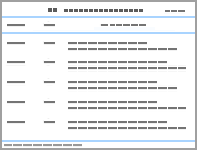
表1
CH4抑制剂减排效果的荟萃分析"
| CH4抑 制剂 CH4 inhibitor | 添加剂量 Supplementation dosage | 动物 Animal | 平均CH4产量 Average CH4 production (g·d-1) | CH4排放量变化 Changes in CH4 emissions | 其他指标变化 Other indicator changes | ||||||
|---|---|---|---|---|---|---|---|---|---|---|---|
| CH4产量 CH4 production (g·d-1) | CH4产率 CH4 yield (g·kg-1 DMI) | CH4排放 强度 CH4 emission intensity (g·kg-1 ECM or FPCM) | CH4排放因子 CH4 emission factor (% of GE) | 干物质 采食量 Dry matter intake (kg·d-1) | 日增重 Daily liveweight gain (g·d-1) | 料重比 Feed conversion ratio | 产奶量 Milk yield (kg·d-1) | ||||
| 3-NOP[ | 70.5 mg·kg-1 DM | 奶牛 Dairy cattle | 361 | -32.7±1.5 | -30.9±1.5 | -30.9±1.5 | — | — | — | — | — |
| 海藻[ Seaweed | — | 奶牛和肉牛 Dairy and beef cattle | — | — | -5.3±3.5 | — | — | 0.28 (-0.63 to 0.07; 95% CI) | -0.01 (-0.05 to 0.03; 95% CI) | -0.38 (-0.58 to -0.18; 95% CI) | 1.35 (0.91 to 1.78; 95% CI) |
| 硝酸盐[ Nitrate | 16.6 g·kg-1 DM | 奶牛 Dairy cattle | 339 | -16.9±1.0 | -15.5±1.2 | — | — | — | — | — | — |
| 16.8 g·kg-1 DM | 肉牛 Beef cattle | 155 | -12.2±1.3 | -9.0±1.8 | — | — | — | — | — | — | |
| 复合精油[ Blended essential oils | 1 g·d-1 | 奶牛 Dairy cow | 321 | 0.954 (0.921 to 0.987; 95% CI) | 0.982 (0.918 to 1.050; 95% CI) | 0.925 (0.864 to 0.989; 95% CI) | — | 1.003 (0.985 to 1.020; 95% CI) | 1.020 (1.011 to 1.028; 95% CI) | ||
表2
研究CH4抑制剂作用方式的方法"
| 研究层面 Research level | 基础探索 Basic exploration | 深入研究 In-depth research | 未来研究方向 Future research direction |
|---|---|---|---|
| 微生物学 Microbiology | 用添加和不添加H2的混合瘤胃微生物进行培养,初步了解CH4抑制剂是否抑制产甲烷菌或产H2微生物;使用定量PCR和高通量测序探索目标瘤胃微生物的变化;用与CH4抑制共生的纯培养物验证直接作用 Cultivate mixed rumen microorganisms with and without added H2 to gain an initial understanding of whether CH4 inhibitors inhibit methanogens or H2 -producing microorganisms; use quantitative PCR and high-throughput sequencing to explore changes in the target rumen microorganisms; use pure cultures associated with CH4 inhibition to verify direct effects | 不同种类目标微生物纯培养物的剂量反应;研究目标微生物对CH4抑制剂敏感性的差异;通过高通量测序对目标微生物和其他微生物进行长期(≥84天)体内监测;研究对非目标微生物的直接不良影响 Dose-response of pure cultures of different target microorganisms; investigate differences in the sensitivity of target microorganisms to CH4 inhibitors; conduct long-term (≥84 days) in vivo monitoring of target and other microorganisms by high-throughput sequencing; investigate direct adverse effects on non- target microorganisms | 通过培养组学研究评估CH4抑制剂对目前不可培养微生物的影响 Assess the effects of CH4 inhibitors on currently unculturable microorganisms through cultivation omics studies |
| 细胞和分子 Cells and molecules | 识别活性化合物 Identify active compounds | 确定所涉及的机制类型:酶抑制、膜破坏、阻断DNA和蛋白质合成;通过纯酶-底物体系验证目标酶;展示抑制的具体机制,包括结合位点、反应中间体和机制;确定类型(竞争性或非竞争性)和动力学(即抑制50%酶活性的化合物浓度) Determine the types of mechanisms involved: enzyme inhibition, membrane disruption, and inhibition of DNA and protein synthesis; validate the target enzyme using a pure enzyme-substrate system; demonstrate the specific mechanism of inhibition, including the binding site, reaction intermediates and mechanism; determine the type (competitive or non-competitive) and kinetics (i.e. the concentration of the compound that inhibits 50% of enzyme activity) | 研究目标微生物敏感性差异与获得耐药性的作用机制 Investigate the mechanisms underlying differences in target microorganism sensitivity and the acquisition of resistance |
| 微生物发酵与生态系统 Microbial fermentation and ecosystems | 调查总VFA浓度和单个VFA摩尔百分比的变化;测定体外H2积累量和体内H2排出量;当活性化合物或其代谢物并非天然存在于瘤胃中,或当降解途径已被明确且研究重点在于参数化速率时,分析化学方法可能足以用于研究降解速率;如果活性化合物或其代谢产物可能存在于瘤胃中,则进行体外放射性标记试验以了解活性化合物的瘤胃代谢 Investigate changes in total VFA concentration and the molar percentage of individual VFAs; measure in vitro H2 accumulation and in vivo H2 emissions; when the active compound or its metabolites are not naturally present in the rumen, or when the degradation pathway has been established and the research focus is on rate parameterization, analytical chemistry methods may be sufficient to study the degradation rate; if the active compound or its metabolites may be present in the rumen, conduct in vitro radiolabeling experiments to understand the ruminal metabolism of the active compound | 测定溶解H2、甲酸、琥珀酸、乳酸、甲醇和乙醇的浓度;进行宏基因组学和宏转录组学,特别关注氢化酶 Measure the concentrations of dissolved H2, formate, succinate, lactate, methanol and ethanol; conduct metagenomics and metatranscriptomics, with particular attention to hydrogenases | 通过代谢组学分析全面解析CH4抑制剂对电子汇和代谢中间体的影响;宏蛋白质组学分析有助于更深入地了解代谢途径速率的变化;确定抑制CH4生成对VFA产生的影响;分离与鉴定代谢活性化合物的微生物 Comprehensively analysis the effects of CH4 inhibitors on electron sinks and metabolic intermediates through metabolomic analysis; metaproteomic analysis will help to gain a deeper understanding of changes in the rates of metabolic pathways; determine the effects of inhibiting CH4 production on VFA production; isolate and identify microorganisms that metabolize active compounds |
| 动物 Animals | 了解活性化合物及其瘤胃代谢物在动物产品(奶类或肉类)和组织(瘤胃、肝脏、乳腺、血液和其他器官)中的吸收、代谢、排泄和沉积;活性化合物及其中间体和终产物代谢物的毒理学与致突变性检测;如果采食量下降,需检查是否存在适口性问题或炎症问题 Understand the absorption, metabolism, excretion and deposition of active compounds and their ruminal metabolites in animal products (milk or meat) and tissues (rumen, liver, mammary glands, blood and other organs); conduct toxicological and mutagenicity testing of active compounds and their intermediate and end-product metabolites; if feed intake decreases, check for palatability or inflammatory problems | 对反刍动物和非反刍动物口服同位素标记化合物,然后在组织、粪便、尿液、奶样和呼气中进行定量检测;对瘤胃液和血浆进行代谢组学分析,以筛选潜在有毒化合物或可能影响采食量的化合物 Administer isotope-labelled compounds orally to ruminants and non-ruminants, followed by quantitative analysis in tissues, faeces, urine, milk samples and exhaled breath; conduct metabolomic analysis of rumen fluid and plasma to screen for potentially toxic compounds or compounds that may affect feed intake | 确定对VFA吸收、糖异生和其他吸收后过程的影响;研究通过抑制瘤胃CH4产生进而降低采食量的机制 Determine the effects on VFA absorption, gluconeogenesis and other post- absorptive processes; investigate the mechanisms by which inhibiting rumen CH4 production subsequently reduces feed intake |
| 交叉层面 Cross-cutting level | 科研论文中方法涉及的动物物种、品种、生产类型、年龄、生产阶段和水平、饮食、饲养管理和行为、采食模式及其他信息的系统阐述 Systematic description in research papers of the animal species, breeds, production types, ages, production stages and levels, diets, husbandry management and behavior, feeding patterns and other information involved in the methods | 描述活性化合物在瘤胃中浓度的每日动态变化;优化具有协同作用模式的各种CH4抑制剂组合的设计 Describe the daily dynamics of active compound concentrations in the rumen; optimize the design of various combinations of CH4 inhibitors with synergistic modes of action | 在体内水平以及在混合和定向培养的对照试验中,研究不同添加剂的功效如何受到生理和微生物变量的影响 Investigate how the efficacy of different additives is affected by physiological and microbial variables in vivo and in controlled trials involving mixed and targeted cultures |
表3
探寻能够抑制瘤胃合成CH4的生物活性物质的研究方法"
| 研究方法 Research methods | 优越性 Superiority | 局限性 Limitation |
|---|---|---|
| 经验法 Empirical approach | 允许在短时间内获得和检验较多数量且多样化的候选物 Allows a large number and variety of candidates to be obtained and tested within a short period | 母料中存在的CH4抑制剂候选物是复杂化合物混合物的一部分,并且含有量可能较低,因此提取和检测所需的母料数量可能相当大且难以获取。尽管可以直接使用未经分离或纯化的母体材料,但其中其他化合物的存在可能会显著影响试验结果,并引入额外的干扰因素,这些因素会阻碍对CH4抑制剂混合产物的有效性认定。因此,建议使用专用设备和适当的分馏和纯化方法进行高效加工 The candidate CH4 inhibitors present in the feedstock are part of a mixture of complex compounds and may be present in low quantities; consequently, the quantity of feedstock required for extraction and detection may be considerable and difficult to obtain. Although the parent material can be used directly without separation or purification, the presence of other compounds may significantly affect the test results and introduce additional interfering factors that hinder the effective determination of the efficacy of the CH4 inhibitor mixed product. Therefore, it is recommended that specialized equipment and appropriate fractionation and purification methods be used for efficient processing |
| 机理法 Mechanistic approach | 能够实现无限搜索,以相对快速、高通量的方式发现、分析和开发产甲烷菌的特异性抑制剂,并有望找到新型化合物 Enables unlimited screening to discover, analyse and develop specific inhibitors of methanogens in a relatively rapid, high-throughput manner, and is expected to identify novel compounds | 需要精密的设备和特定的专业知识。潜在的CH4抑制剂候选物可能面临以下挑战:天然来源中无法获取或尚未被发现;即使已知,仍需从母体材料中分离;或必须通过合成获得,部分化合物难以足量合成或成本高昂。此外,通过该途径筛选出的部分CH4抑制剂候选物可能在细胞内生物利用率较低,且转运蛋白突变可能导致细胞对该候选物产生耐药性 Requires precise equipment and specific expertise. Potential CH4 inhibitor candidates may face the following challenges: they may be unobtainable or undiscovered in natural sources; even when known, they may still need to be isolated from the parent material; or they may have to be obtained through synthesis, with some compounds being difficult or costly to synthesize in sufficient quantities. In addition, some CH4 inhibitor candidates screened through this route may have low intracellular bioavailability, and mutations in transport proteins may result in cellular resistance to the candidate |
表4
反刍动物CH4排放量的检测方法及其应用特点"
| 方法 Methods | 优点 Advantages | 缺点 Disadvantages |
|---|---|---|
| 便携式蓄积室 Portable accumulation chamber,PAC | 方法简单。对于绵羊,可以在拖车上放置10到12个PAC单位,以便在农场进行测量。每天可以测量到相对大量的动物个体(70—84只)。在一次试验中可设置多个处理 The method is simple. For sheep, 10 to 12 PAC units can be placed on a trailer to enable measurements to be conducted on the farm. A relatively large number of individual animals (70 to 84) can be measured each day. Multiple treatments can be established in a single trial | 需要将动物从其生产环境中移出以进行测量,并且在测量过程中通常不喂食。无法测量采食量。劳动密集型。不覆盖整个喂养周期的抽样;需要密集的现场采样计划来提供准确的CH4排放量测量。目前的设置和测量方法主要是对动物的排放进行排名,适宜于动物选育 Animals need to be removed from their production environment for measurement and are usually not fed during the measurement process. Feed intake cannot be measured. Labor-intensive. Sampling does not cover the entire feeding period; an intensive field sampling plan is required to provide accurate measurements of CH4 emissions. The current setup and measurement methods mainly rank emissions from animals and are suitable for animal breeding |
| 呼吸面罩 Face mask,FM | 方法相对简单,可以获得准确的数据。该方法有移动版本 The method is relatively simple and can provide accurate data. The method has a mobile version | 需要一个密集的现场采样计划以获得准确的CH4产量测量。动物在测量过程中不能进食或饮水,需要动物配合才能进行测量。劳动密集型。可以同时测量的动物数量有限 An intensive field sampling plan is required to obtain accurate measurements of CH4 production. Animals cannot eat or drink during the measurement process, and their co-operation is required for measurements to be conducted. Labour-intensive. The number of animals that can be measured simultaneously is limited |
| 房屋通量 House flux | 在散栏式畜舍中进行群体测量。能够测量包括粪便释放的气体排放量。对养殖场正常饲养管理干扰很小或没有干扰 Group measurements are conducted in loose- housing facilities. Gas emissions, including those released from faeces, can be measured. There is little or no interference with normal farm husbandry management | 测量的通风率存在较大的不确定性。在自然通风的畜舍里很难获得准确的测量值。漏缝地板型畜舍的粪便量会对结果产生较大影响。捕获肠道CH4排放量微小差异(5%—10%)的灵敏度较差。如果用示踪剂(sulfur hexafluoride,SF6),SF6是一种强效GHG。不建议用于测试CH4抑制剂 There is considerable uncertainty in the measured ventilation rates. It is difficult to obtain accurate measurements in naturally ventilated housing. The quantity of faeces in slatted-floor housing can have a considerable effect on the results. It has poor sensitivity for detecting small differences (5% to 10%) in enteric CH4 emissions. If a tracer is used (sulfur hexafluoride, SF6), SF6 is a potent GHG. It is not recommended for testing CH4 inhibitors |
| 结合模型确定流量的方法 Methods to determine fluxes combined with models | 能够测量大群动物或整个养殖场(或地区),且对动物无干扰性。可在圈养条件下进行长期测量。可测量圈养环境下粪便和放牧条件下土壤的气体排放量,包括N2O。对于CH4主要来自反刍动物的地区,大规模设置(区域塔)有可能被用作自上而下的方法 Can measure large groups of animals or an entire farm (or region) without disturbing the animals. Long-term measurements can be conducted under housed conditions. Gas emissions from faeces under housed conditions and from soil under grazing conditions, including N2O, can be measured. In regions where CH4 comes mainly from ruminants, large-scale installations (regional towers) could potentially be used as a top-down approach | 不适用于室内。测量位置需要有相对平坦的地形,有最少的障碍物(如建筑物、树木)和其他产生CH4的来源(在测量动物群体时)。分析中包含的测量仅在适当的天气条件下进行(数据丢失率很高)。在大多数情况下没有统计复制。捕获肠道CH4排放量微小差异(5%—10%)的灵敏度较差。不建议用于测试CH4抑制剂。如果用示踪剂(nitrous oxide,N2O),N2O是一种强效GHG It is not suitable for indoor use. The measurement location needs to have relatively flat terrain, with minimal obstacles (such as buildings and trees) and other sources of CH4 (when measuring a group of animals). Measurements included in the analysis are only conducted under suitable weather conditions (the data loss rate is very high). In most cases, there is no statistical replication. It has poor sensitivity for detecting small differences (5% to 10%) in enteric CH4 emissions. It is not recommended for testing CH4 inhibitors. If a tracer is used (nitrous oxide, N2O), N2O is a potent GHG |
| 无人机载传感器 Unmanned aerial vehicle-mounted sensors | 不干扰养殖场的正常饲养管理。获得整个养殖场的CH4排放量 Does not interfere with normal farm husbandry management. Obtains the CH4 emissions of the entire farm | 短期和不频繁的测量活动无法提供动物排放量的代表性样本。很难对养殖场的烟羽排放进行具有代表性的捕获。在测量活动中,如果依赖区域气象站的数据,其变异性极高;而依靠农场气象站的数据进行测量,其变异性也很大(误差范围有时甚至包括零排放)。难以准确估算气流。无法区分农场的不同排放源(例如,肠道、粪便储存、幼龄动物、成年动物)。无法在受控条件下比较处理。通常需要养殖场数据(例如动物类别、动物数量、粪便的储存量、粪便储存系统等)才能理解这些数据。不建议用于测试CH4抑制剂 Short-term and infrequent measurement activities cannot provide representative samples of animal emissions. It is difficult to capture representative measurements of the farm plume emissions. During measurement activities, if data from a regional weather station are relied upon, their variability is extremely high; while measurements relying on data from a farm weather station also have considerable variability (the error range sometimes even includes zero emissions). It is difficult to estimate airflow accurately. It is not possible to distinguish between different emission sources on the farm (e.g. enteric, faecal storage, young animals and adult animals). Treatments cannot be compared under controlled conditions. Farm data are usually required (e.g. animal category, number of animals, quantity of faeces stored, faecal storage system, etc.) to understand these data. It is not recommended for testing CH4 inhibitors |
| 卫星 Satellite | 测量一个地区长时间序列(季节性和跨年)内的CH4浓度。有可能确定CH4浓度高的热点区域。有可能作为一种自上而下的方法来跟踪CH4浓度热点是否随时间变化 Measures CH4 concentrations in an area over a long time series (seasonal and interannual). It may be possible to identify hotspot areas with high CH4 concentrations. It may be possible to use it as a top-down approach to track whether CH4 concentration hotspots change over time | 方法尚未完全开发。目前仅在阳光充足且无云的条件下进行粗分辨率的CH4浓度测量。现阶段,尚不清楚卫星是否可以定位排放源并跟踪动物排放。无法区分一个地区不同的CH4排放源(如动物排放、土壤排放、自然陆地排放、垃圾填埋场CH4、化石燃料CH4),也无法区分单个养殖场(可能是孤立的大型养殖场)。仅适用于以畜牧业为主的地区。只能验证一个地区由于实施了所有缓解措施而导致的总体CH4减排情况,而不能针对特定的缓解措施(如单个农场使用CH4抑制剂)进行验证。不建议用于测试CH4抑制剂 The method has not yet been fully developed. At present, only coarse-resolution measurements of CH4 concentrations are conducted under sunny and cloud-free conditions. At this stage, it is not yet clear whether satellites can locate emission sources and track animal emissions. It is not possible to distinguish between different CH4 emission sources in an area (such as animal emissions, soil emissions, natural terrestrial emissions, landfill CH4 and fossil-fuel CH4), nor between individual farms (which may be isolated large farms). It is only suitable for regions dominated by livestock farming. It can only verify the overall reduction in CH4 emissions in an area resulting from the implementation of all mitigation measures, and cannot verify specific mitigation measures (such as the use of CH4 inhibitors on an individual farm). It is not recommended for testing CH4 inhibitors |
| [1] |
doi: 10.1016/j.anifeedsci.2016.05.018 |
| [2] |
doi: 10.1016/j.dib.2023.109459 |
| [3] |
|
| [4] |
IPCC (Intergovernmental Panel for Climate Change). Climate Change 2013: The Physical Science Basis. Contribution of Working Group I to the Fifth Assessment Report of the Intergovernmental Panel on Climate Chang[M]. Cambridge; New York: Cambridge University Press, 2013.
|
| [5] |
doi: 10.1016/j.resconrec.2022.106843 |
| [6] |
doi: 10.1016/j.aninu.2021.09.005 pmid: 34754963 |
| [7] |
|
| [8] |
Intergovernmental Panel on Climate Change. Climate Change 2022 - Mitigation of Climate Change: Working Group III Contribution to the Sixth Assessment Report of the Intergovernmental Panel on Climate Change[M]. Cambridge: Cambridge University Press, 2023.
|
| [9] |
doi: 10.1038/ncomms2432 pmid: 23385573 |
| [10] |
doi: 10.1017/S1751731110000546 pmid: 22444607 |
| [11] |
doi: 10.1128/AEM.02812-07 pmid: 18424540 |
| [12] |
pmid: 1473352 |
| [13] |
doi: 10.1128/AEM.70.3.1263-1270.2004 |
| [14] |
doi: 10.1038/srep14567 pmid: 26449758 |
| [15] |
刁其玉, 贾鹏. 反刍动物甲烷减排措施研究进展[J]. 广东畜牧兽医科技, 2023, 48(4): 1-6.
doi: 10.19978/j.cnki.xmsy.2023.04.01 |
|
|
|
| [16] |
doi: 10.1016/j.tim.2025.02.012 |
| [17] |
doi: 10.3389/fmicb.2017.02642 pmid: 29375511 |
| [18] |
doi: 10.1186/s13568-017-0377-2 pmid: 28378285 |
| [19] |
doi: 10.1186/s40168-023-01654-3 |
| [20] |
doi: 10.1016/j.anifeedsci.2022.115481 |
| [21] |
doi: 10.3168/jds.2011-4508 pmid: 22118094 |
| [22] |
|
| [23] |
|
| [24] |
doi: 10.2527/jas.2014-8196 pmid: 26440025 |
| [25] |
doi: 10.3168/jds.2023-23420 |
| [26] |
doi: 10.3168/jds.2022-22211 |
| [27] |
doi: 10.1371/journal.pone.0249053 |
| [28] |
doi: 10.3168/jds.2020-18541 pmid: 32981733 |
| [29] |
doi: 10.3390/ani10040620 |
| [30] |
doi: 10.1016/j.heliyon.2022.e09738 |
| [31] |
doi: 10.1038/s41467-020-15652-8 pmid: 32312972 |
| [32] |
doi: 10.3389/fmicb.2015.01133 pmid: 26528276 |
| [33] |
doi: S0022-0302(16)30301-0 pmid: 27236758 |
| [34] |
doi: 10.3168/jds.2020-18908 pmid: 33131815 |
| [35] |
doi: 10.3390/ani13111826 |
| [36] |
doi: 10.1186/s40104-022-00721-3 pmid: 35799285 |
| [37] |
doi: 10.3168/jds.2024-25046 pmid: 39725503 |
| [38] |
doi: 10.3390/molecules23020492 |
| [39] |
|
| [40] |
|
| [41] |
贾鹏, 屠焰, 李发弟, 刁其玉. 反刍动物甲烷排放量测定方法的研究进展[J]. 动物营养学报, 2020(6): 2483-2490.
doi: 10.3969/j.issn.1006-267x.2020.06.006 |
|
|
|
| [42] |
贾鹏, 董利锋, 屠焰, 刁其玉. 间接法测定反刍动物甲烷排放量的研究进展[J]. 动物营养学报, 2021, 33(9): 4839-4847.
doi: 10.3969/j.issn.1006-267x.2021.09.005 |
|
|
|
| [43] |
doi: 10.1071/AN22051 |
| [44] |
doi: 10.1079/BJN19760053 |
| [45] |
doi: 10.3168/jds.2011-4298 pmid: 22612950 |
| [46] |
李晓鹏, 刘云龙, 崔甲军, 屠焰, 蒋林树, 成述儒. 基于GreenFeed系统研究绿原酸对泌乳中后期奶牛瘤胃甲烷排放、发酵参数和生产性能的影响[J]. 中国农业科学, 2025, 58(14): 2904-2913.DOI: 10.3864/j.issn.0578-1752.2025.14.014.
|
|
|
|
| [47] |
doi: S0022-0302(18)30370-9 pmid: 29680642 |
| [48] |
周艳, 董利锋, 邓凯东, 许贵善, 刁其玉. 肉用绵羊生长期甲烷排放特点与预测模型的建立[J]. 中国农业科学, 2019, 52(10): 1797-1806.DOI: 10.3864/j.issn.0578-1752.2019.10.012.
|
|
|
|
| [49] |
doi: 10.1111/gcb.14094 pmid: 29450980 |
| [50] |
doi: 10.3168/jds.2021-20806 |
| [51] |
pmid: 31187958 |
| [52] |
doi: 10.1126/sciadv.aav8391 |
| [53] |
doi: 10.1038/s41598-023-48449-y |
| [1] | 朱琦, 贾振鹏, Tahir SHAH, 徐晨晟, 李芷琦, 吕会帅, 朱鹏超, 韦小敏, 黄冬琳, 孙艳妮, 曹卫东, 高亚军, 王朝辉, 张达斌. 绿肥配施增效产品降低旱地麦田温室气体排放及碳足迹[J]. 中国农业科学, 2026, 59(7): 1507-1522. |
| [2] | 张卫建, 严圣吉, 尚子吟, 唐志伟, 吴柳格, 李佳锐, 陈浩天, 邓艾兴, 张俊, 张鑫, 郑成岩, 宋振伟. 稻田甲烷不完全源于水稻种植的人为贡献[J]. 中国农业科学, 2026, 59(4): 824-833. |
| [3] | 马志远, 鹿琳, 曹泽, 宫焕宇, 王文博, 冉雅楠, 米见对, 景小平, 何小强, 龙瑞军. 冷季补饲对放牧牦牛生长性能、甲烷排放及经济效益的影响[J]. 中国农业科学, 2026, 59(20): 4684-4696. |
| [4] | 申跃宇, 陈少侃, 马亚东, 刘建业, 张亚一, 陈桐, 赵鑫, 张歆, 屠焰. 低豆粕日粮对奶牛生产性能和甲烷排放量的影响[J]. 中国农业科学, 2026, 59(20): 4673-4683. |
| [5] | 张梦梦, 张传凯, 孙世钦, 阴向辉, 李文娟, 张立阳, 付彤, 高腾云, 刘凯珍. 日粮中可溶性蛋白水平对后备牛生产性能、甲烷排放和瘤胃微生物区系的影响[J]. 中国农业科学, 2026, 59(20): 4655-4672. |
| [6] | 贾鹏, 夏东, 苏衍菁, 姜雪元, 韦子海, 雷胡龙, 康金国, 焦崇, 陆乃升. 反刍动物瘤胃产氢微生物构成及其对甲烷生成的调控[J]. 中国农业科学, 2026, 59(20): 4642-4654. |
| [7] | 刁其玉, 刘云龙. 我国农食系统温室气体排放现状及瘤胃甲烷调控路径[J]. 中国农业科学, 2026, 59(20): 4603-4616. |
| [8] | 杨国昌, 郑月, 包向男, 代迎春, 王金刚, 白雪峰, 孙伟, 李喜和, 张淑君. 中红外光谱分析技术在奶牛甲烷排放预测中的应用研究进展[J]. 中国农业科学, 2025, 58(9): 1856-1866. |
| [9] | 郭松, 韩磊, 汪源, 王子君, 钱紫慧, 路佳明, 赵灿, 王维领, 许轲, 张洪程, 杨凤萍, 霍中洋. 控释与速效氮肥不同配比一次性侧深施对水稻产量、氮肥利用率和碳减排的影响[J]. 中国农业科学, 2025, 58(24): 5216-5233. |
| [10] | 李晓鹏, 刘云龙, 崔甲军, 屠焰, 蒋林树, 成述儒. 基于GreenFeed系统研究绿原酸对泌乳中后期奶牛瘤胃甲烷排放、发酵参数和生产性能的影响[J]. 中国农业科学, 2025, 58(14): 2904-2913. |
| [11] | 曹景文, 聂志刚, 李广, 杨洁. 基于DNDC和NSGA-Ⅲ耦合模型的旱地春小麦稳产减排多目标优化[J]. 中国农业科学, 2025, 58(13): 2538-2551. |
| [12] | 孙建飞, 程琨. 农田土壤固碳与温室气体排放计量研究进展[J]. 中国农业科学, 2025, 58(11): 2190-2205. |
| [13] | 高尚洁, 刘杏认, 李迎春, 柳晓婉. 施用生物炭和秸秆还田对农田温室气体排放及增温潜势的影响[J]. 中国农业科学, 2024, 57(5): 935-949. |
| [14] | 牛坤玉, 葛若昊, 陈美安, 金书秦, 刘静. 双碳目标下中国农食系统温室气体排放结构、发展趋势及国际比较[J]. 中国农业科学, 2024, 57(21): 4290-4307. |
| [15] | 周元清, 董红敏, 朱志平, 王悦, 李南西. 生猪养殖系统碳足迹评估研究进展[J]. 中国农业科学, 2024, 57(2): 379-389. |
|
||
