






中国农业科学 ›› 2026, Vol. 59 ›› Issue (20): 4547-4569.doi: 10.3864/j.issn.0578-1752.2026.20.009
刘泽洋1,2,3( ), 梁亚宁1,2,3(), 陈琪1,2,3, 谈梦琪1,2,3, 张慧贤1,2,3, 袁子彧1,2,3, 杨勇4, 张飞1, 徐强1, 邓秀新1, 陈嘉景1,2,3(), 徐娟1,2,3()
收稿日期:2026-03-08
接受日期:2026-07-21
出版日期:2026-10-16
发布日期:2026-10-21
通信作者:
联系方式:
刘泽洋,E-mail:liuzeyang@webmail.hzau.edu.cn。梁亚宁,E-mail:3389763309@qq.com。刘泽洋和梁亚宁为同等贡献作者。
基金资助:
LIU ZeYang1,2,3(), LIANG YaNing1,2,3(), CHEN Qi1,2,3, TAN MengQi1,2,3, ZHANG HuiXian1,2,3, YUAN ZiYu1,2,3, YANG Yong4, ZHANG Fei1, XU Qiang1, DENG XiuXin1, CHEN JiaJing1,2,3(), XU Juan1,2,3()
Received:2026-03-08
Accepted:2026-07-21
Published:2026-10-16
Online:2026-10-21
摘要:
除鲜食、榨汁与精油提取等用途外,柑橘也是重要的传统中药基原植物。药用柑橘栽培与应用历史已有2 000多年,其功效归因于富含的类黄酮、挥发性成分、生物碱、香豆素、类柠檬苦素及多糖等多种生物活性物质,共同构成了抗氧化、抗炎、抗癌等药理作用的物质基础。然而药用柑橘活性成分的组成及含量受到种质、生境、生长发育阶段及组织特异性等因素的显著影响,导致不同基因型、产地及生长期的药用柑橘在药效上呈现显著差异。尽管药用和保健价值已获广泛认同,但目前针对药用柑橘基原植物正本清源、药效成分系统鉴定、法定质量评价指标确立以及新种质资源发掘等方面的研究仍较为有限。因此,本文系统梳理了药用柑橘的入药种质资源、组织器官及其主要功效成分,并对其药效物质基础、基本评价指标的研究成果进行总结,进一步对品质评价体系优化、入药种质精准鉴别、新资源发掘及个性化使用规范等方面提出展望,以期为科学评价与提升药用柑橘药效成分、推动药用新种质的发掘利用与创新以及产业上相关规范性标准的建立提供理论参考。
刘泽洋, 梁亚宁, 陈琪, 谈梦琪, 张慧贤, 袁子彧, 杨勇, 张飞, 徐强, 邓秀新, 陈嘉景, 徐娟. 药用柑橘应用研究现状与前景[J]. 中国农业科学, 2026, 59(20): 4547-4569.
LIU ZeYang, LIANG YaNing, CHEN Qi, TAN MengQi, ZHANG HuiXian, YUAN ZiYu, YANG Yong, ZHANG Fei, XU Qiang, DENG XiuXin, CHEN JiaJing, XU Juan. Research Progress and Prospect of Medicinal Citrus Application[J]. Scientia Agricultura Sinica, 2026, 59(20): 4547-4569.

图1
药用柑橘的基原植物、成品药材、主要药效成分与代表性中成药 A:《中国药典》收录的药用柑橘基原植物分类示意图;B:药用柑橘基原种质资源图示;C:成品中药材;D:主要药效成分结构式;E:代表性中成药;F:4大类入药基原植物分类关系"
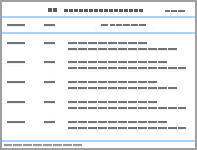
表1
中国药典中药用柑橘的基原植物、药用部位及中成药数量汇总表"
| 药材名 Medicinal material name | 基原植物 Original plant source | 品种群 Cultivar group | 入药组织/部位 Medicinal part or tissue | 含量标准 Content standard | 功能与主治 Function and indication | 中成药数量 (不完全统计) Number (Incomplete statistics) |
|---|---|---|---|---|---|---|
| 陈皮 Chenpi | 橘及其栽培变种 Citrus reticulata and its cultivated varieties | 茶枝柑、大红袍、温州蜜柑、福橘 Chachi, Dahongpao, Unshiu, Fuju | 干燥成熟果皮 Dried ripe pericarp | 陈皮:橙皮苷≥3.5%,广陈皮:橙皮苷≥2.0%,川陈皮素和橘皮素≥0.42% Chenpi: Hesperidin≥3.5%, Guangchenpi: Hesperidin≥2.0%, Nobiletin and tangeretin≥0.42% | 理气健脾,燥湿化痰;用于脘腹胀满,食少吐泻,咳嗽痰多 Regulate qi and strengthen the spleen, dry dampness and transform phlegm. It is indicated for abdominal distension and fullness, poor appetite with vomiting and diarrhea, as well as cough with profuse phlegm | 186 |
| 青皮 Qingpi | 橘及其栽培变种 Citrus reticulata and its cultivated varieties | / | 干燥幼果或 未成熟果实的果皮 Dried pericarp of young or unripe fruits | 橙皮苷≥5.0% Hesperidin≥5.0% | 疏肝破气,消积化滞;用于胸胁胀痛,疝气疼痛,乳癖,乳痈,食积气滞,脘腹胀痛 Soothe the liver, break stagnant qi, resolve accumulation, and transform stagnation. Chest and hypochondriac distending pain, hernia pain, breast hyperplasia (mammary nodule), acute mastitis, food accumulation with qi stagnation, and epigastric and abdominal distending pain | 33 |
| 橘红 Juhong | 橘及其栽培变种 Citrus reticulata and its cultivated varieties | 大红袍、福橘 Dahongpao, Fuju | 干燥外层果皮 Dried exocarp | 橙皮苷≥1.7% Hesperidin≥1.7% | 理气宽中,燥湿化痰;用于咳嗽痰多,食积伤酒,呕恶痞闷 Regulate qi, broaden the middle, dry dampness, and transform phlegm. Cough with profuse sputum, food accumulation due to alcohol abuse, nausea, vomiting, and stuffy oppression | 11 |
| 橘核 Juhe | 橘及其栽培变种 Citrus reticulata and its cultivated varieties | 大红袍、福橘 Dahongpao, Fuju | 干燥成熟种子 Dried mature seed | / | 理气,散结,止痛;用于疝气疼痛,睾丸肿痛,乳痛乳癖 Regulate qi, dissipate nodules, and relieve pain. Hernia pain, testicular swelling and pain, breast pain, and breast hyperplasia (mammary nodules) | 1 |
| 橘叶Juye | / | / | / | / | / | 3 |
| 化橘红 Huajuhong | 化州柚或柚 Citrus grandis Tomentosa or Citrus grandis | / | 未成熟或近成熟的 干燥外层果皮 Dried immature or nearly ripe fruit exocarp | 柚皮苷≥3.5% Naringin≥3.5% | 理气宽中,燥湿化痰;用于咳嗽痰多,食积伤酒,呕恶痞闷 Regulate qi, broaden the middle, dry dampness, and transform phlegm. Cough with profuse sputum, food accumulation due to alcohol abuse, nausea, vomiting, and stuffy oppression | 12 |
| 枳实 Zhishi | 酸橙及其栽培 变种或甜橙 Citrus aurantium and its cultivated varieties, or Citrus sinensis | 黄皮、代代花、 朱栾、塘橙 Huangpi, Daidai, Chuluan, Tangcheng | 干燥幼果 Dried young fruit | 辛弗林≥0.3% Synephrine≥0.3% | 破气消积,化痰散痞;用于积滞内停,痞满胀痛,泻痢后重,大便不通,痰滞气阻,胸痹,结胸,脏器下垂 Break stagnant qi, eliminate accumulation, transform phlegm, and dissipate stuffiness. Internal accumulation of undigested food and qi stagnation, stuffiness and distending pain, tenesmus in dysentery, constipation, phlegm stagnation with qi blockage, chest impediment (thoracic obstruction), chest binding (fullness and pain in the chest), and visceral ptosis | 47 |
| 枳壳 Zhiqiao | 酸橙及其 栽培变种 Citrus aurantium and its cultivated varieties | 黄皮、代代花、 朱栾、塘橙 Huangpi, Daidai, Chuluan, Tangcheng | 干燥未成熟果实 Dried immature fruit | 柚皮苷≥4.0% 新橙皮苷≥3.0% Naringin≥4.0% Neohesperidin≥3.0% | 理气宽中,行滞消胀;用于胸胁气滞,胀满疼痛,食积不化,痰饮内停,脏器下垂 Regulate qi, broaden the middle, unblock stagnation, and relieve distension. Qi stagnation in the chest and hypochondrium, distension and pain, food accumulation with indigestion, internal retention of phlegm-fluid, and visceral ptosis | 79 |
| 香橼 Xiangyuan | 枸橼或香圆 Citrus medica or Citrus wilsonii | / | 干燥成熟果实 Dried ripe fruit | 香圆:柚皮苷≥2.5% 枸橼未作具体指标要求 Xiangyuan: Naringin≥2.5% Citron: No specific requirement. | 疏肝理气,宽中,化痰;用于肝胃气滞,胸胁胀痛,脘腹痞满,呕吐噫气,痰多咳嗽 Soothe the liver, regulate qi, broaden the middle, and transform phlegm. Qi stagnation of the liver and stomach, chest and hypochondriac distending pain, epigastric and abdominal stuffiness, vomiting and eructation, and profuse cough with sputum | 6 |
| 佛手 Foshou | 佛手 C. medica var. sarcodactylis | / | 干燥果实 Dried fruit | 橙皮苷≥0.03% Hesperidin≥0.03% | 疏肝理气,和胃止痛,燥湿化痰;用于肝胃气滞,胸胁胀痛,胃脘痞满,食少呕吐,咳嗽痰多 Soothe the liver, regulate qi, harmonize the stomach, relieve pain, dry dampness, and transform phlegm. Qi stagnation of the liver and stomach, chest and hypochondriac distending pain, epigastric stuffiness, poor appetite, vomiting, and cough with profuse sputum | 10 |

图2
药用柑橘已报道及潜在代谢物质分类、药效成分及其功能挖掘示意图 图中所示生理活性的关键评价指标及其含义如下:抗炎活性的判定以促炎因子(TNF-α, IL-6)水平的下调,同时抗炎因子(IL-4)水平的上调为主要标志;抗氧化活性体现为抗氧化酶超氧化物歧化酶(SOD)活性与谷胱甘肽(GSH)水平上调,以及氧化损伤产物丙二醛(MDA)与活性氧(ROS)水平下调;促细胞凋亡活性(尤指针对癌细胞)以促凋亡蛋白Bax与死亡受体配体 FasL 表达上调为特征。图中箭头“↑”表示指标上调或改善,“↓”表示指标下调或降低"
表2
药用柑橘潜在药效成分及其药理活性"
| 序号 No. | 潜在药效成分 Potential active constituent | 化学分类 Chemical classification | 药理作用 Pharmacological action | 实验模型 Experimental model | 参考文献 Reference |
|---|---|---|---|---|---|
| 1 | 柚皮素 Naringenin | 类黄酮 Flavonoids | 抗氧化、降血糖血脂、抗肥胖、抗糖尿病、抗炎、抗器官毒性 Antioxidant, hypoglycemic and lipid-lowering, anti-obesity, antidiabetic, anti-inflammatory, and anti-organ toxicity | 大鼠、小鼠 Rat, mouse | [ |
| 2 | 圣草酚Eriodictyol | 抗炎、保护神经系统Anti-inflammatory and neuroprotective | 大鼠Rat | [ | |
| 3 | 芹菜素 Apigenin | 抗氧化、抗炎、抗癌、降血糖血脂、延缓衰老、减轻焦虑 Antioxidant, anti-inflammatory, anticancer, hypoglycemic and lipid-lowering, anti-aging, and anxiolytic | 细胞、大鼠、小鼠 Cell, rat, mouse | [ | |
| 4 | 木犀草素Luteolin | 抗炎Anti-inflammatory | 小鼠Mouse | [ | |
| 5 | 香叶木素Diosmetin | 抗炎Anti-inflammatory | 小鼠Mouse | [ | |
| 6 | 四甲氧基木犀草素 Tetramethoxyluteolin | 调节免疫 Immunomodulatory | 细胞 Cell | [ | |
| 7 | 香蜂草苷Didymin | 保护肝脏Hepatoprotective | 小鼠Mouse | [ | |
| 8 | 芸香柚皮苷Narirutin | 抗癌、神经保护Anticancer and neuroprotective | 大鼠Rat | [ | |
| 9 | 地奥司明 Diosmin | 抗炎、抗氧化、抗糖尿病、抗癌、保护肝脏、保护神经系统、保护视网膜 Anti-inflammatory, antioxidant, antidiabetic, anticancer, hepatoprotective, neuroprotective, and retinoprotective | 大鼠、小鼠 Rat, mouse | [ | |
| 10 | 野漆树苷 Rhoifolin | 抗糖尿病、抗癌、抗氧化、抗炎 Antidiabetic, anticancer, antioxidant, anti-inflammatory | 小鼠、大鼠 Mouse, rat | [ | |
| 11 | 甜橙黄酮 Sinensetin | 抗炎、降血糖血脂、抗肥胖 Anti-inflammatory, hypoglycemic and lipid-lowering, anti-obesity | 大鼠、小鼠 Rat, mouse | [ | |
| 12 | 异甜橙黄酮 Isosinensetin | 抗氧化、抗癌 Antioxidant, anticancer | 小鼠、细胞 Mouse, cell | [ | |
| 13 | 芹菜素三甲醚 Apigenin trimethyl ether | 治疗房颤 Treatment of atrial fibrillation | 小鼠 Mouse | [ | |
| 14 | 异欧前胡素 Isoimperatorin | 香豆素类 Coumarins | 抑制肿瘤血管生成、预防糖尿病、预防和治疗甲型流感病毒 Inhibit tumor angiogenesis, prevent diabetes, prevent and treat influenza A virus | 细胞 Cell | [ |
| 15 | 佛手柑内酯Bergapten | 抗炎、抗衰老Anti-inflammatory, anti-aging | 细胞Cell | [ | |
| 16 | 花椒毒酚Xanthotoxol | 抗炎Anti-inflammatory | 细胞Cell | [ | |
| 17 | 伞形酮Umbelliferone | 抗炎Anti-inflammatory | 小鼠Mouse | [ | |
| 18 | 异橙皮内酯Isomeranzin | 抗炎Anti-inflammatory | 细胞Cell | [ | |
| 19 | 橙皮油素 Auraptene | 抗癌、抗抑郁、预防心肌梗死、调节免疫、改善人体认知障碍 Anticancer, antidepressant, prevent myocardial infarction, immunomodulatory, improve cognitive impairment in humans | 细胞、小鼠、大鼠、人体 Cell, mouse, rat, human | [ | |
| 20 | 异茴芹素 Isopimpinellin | 抗癌、抑制肿瘤血管生成 Anticancer, inhibit tumor angiogenesis | 小鼠、细胞、斑马鱼 Mouse, cell, zebrafish | [ | |
| 21 | 马尔敏Marmin | 促进脂肪细胞凋亡、降脂Promote adipocyte apoptosis, lipid-lowering | 细胞Cell | [ | |
| 22 | 欧前胡素Imperatorin | 减轻心肌损伤Reduce myocardial injury | 小鼠Mouse | [ | |
| 23 | 滨蒿内酯Scoparone | 保护肝脏Hepatoprotective | 小鼠Mouse | [ | |
| 24 | 丁香酚 Eugenol | 苯丙素类 Phenylpropanoids | 抗氧化、抗癌、抗糖尿病、抗肥胖、心血管保护、抗炎、镇痛、保护神经系统 Antioxidant, anticancer, antidiabetic, anti-obesity, cardiovascular protection, anti-inflammatory, analgesic, neuroprotective | 小鼠、大鼠、斑马鱼 Mouse, rat, zebrafish | [ |
| 25 | 邻百里香酚Thymol | 抗癌Anticancer | 小鼠Mouse | [ | |
| 26 | 茴香脑Anethole | 保护神经系统Neuroprotective | 小鼠Mouse | [ | |
| 27 | 对香豆酸 p-Coumaric acid | 抗氧化、抗炎、抑制肿瘤血管生成 Antioxidant, anti-inflammatory, inhibit tumor angiogenesis | 小鼠、大鼠 Mouse, rat | [ | |
| 28 | 2-蒈烯2-Carene | 单萜 Monoterpene | 抗癌Anticancer | 大鼠Rat | [ |
| 29 | β-月桂烯 β-Myrcene | 抗氧化、抗衰老、抗炎、抗癌 Antioxidant, anti-aging, anti-inflammatory, anticancer | 大鼠、细胞 Rat, cell | [ | |
| 30 | d-柠檬烯d-Limonene | 抗抑郁Antidepressant | 小鼠Mouse | [ | |
| 31 | 3-蒈烯3-Carene | 促进睡眠Promote sleep | 小鼠Mouse | [ | |
| 32 | 橙花醛Neral | 抗炎Anti-inflammatory | 细胞Cell | [ | |
| 33 | 柠檬醛Citral | 抗炎Anti-inflammatory | 细胞Cell | [ | |
| 34 | α-松油醇 α-Terpineol | 抗炎、抗氧化、抗癌 Anti-inflammatory, antioxidant, anticancer | 大鼠、细胞 Rat, cell | [ | |
| 35 | (R)-芳樟醇 (R)-Linalool | 抗氧化、保护神经系统Antioxidant, neuroprotective | 细胞Cell | [ | |
| 36 | 香叶醇 Geraniol | 抗氧化、保护神经、抗炎 Antioxidant, neuroprotective, anti-inflammatory | 大鼠、小鼠 Rat, mouse | [ | |
| 37 | 松油烯-4-醇Terpinen-4-ol | 抗氧化Antioxidant | 细胞Cell | [ | |
| 38 | 氧化芳樟醇 Linalool oxide | 抗焦虑Anxiolytic | 小鼠Mouse | [ | |
| 39 | 橙花叔醇 Nerolidol | 倍半萜 Sesquiterpene | 抗氧化、抗人体溃疡病、抗癌 Antioxidant, anti-ulcer, anticancer | 大鼠、细胞 Rat, cell | [ |
| 40 | β-石竹烯 β-Caryophyllene | 抗炎、抗氧化、抗癌、保护心肌、降血糖血脂 Anti-inflammatory, antioxidant, anticancer, cardioprotective, hypoglycemic and lipid-lowering | 大鼠、细胞、小鼠 Rat, cell, mouse | [ | |
| 41 | α-蛇麻烯α-Humulene | 抗炎Anti-inflammatory | 小鼠Mouse | [ | |
| 42 | δ-杜松烯δ-Cadinene | 抑制癌细胞增殖、诱导凋亡Inhibit cancer cell proliferation, induce apoptosis | 细胞Cell | [ | |
| 43 | 氧化石竹烯 Caryophyllene oxide | 抑制癌细胞增殖、诱导凋亡 Inhibit cancer cell proliferation, induce apoptosis | 细胞 Cell | [ | |
| 44 | 奥巴叩酮 Obacunone | 三萜 Triterpene | 预防肥胖和高血糖、抑制癌细胞增殖和抗癌 Prevent obesity and hyperglycemia, inhibit cancer cell proliferation and anticancer | 小鼠、细胞 Mouse, cell | [ |
| 45 | 柠檬苦素 Limonin | 抗癌、抗炎、镇痛、抗菌抗病毒、抗氧化、保护肝脏 Anticancer, anti-inflammatory, analgesic, antibacterial and antiviral, antioxidant, hepatoprotective | 小鼠、细胞 Mouse, cell | [ | |
| 46 | 诺米林 Nomilin | 抗抑郁、预防骨骼异常发育疾病、延长寿命 Antidepressant, prevent abnormal bone development diseases, prolong lifespan | 小鼠 Mouse | [ | |
| 47 | 木栓酮Friedelin | 抑制癌细胞增殖Inhibit cancer cell proliferation | 细胞Cell | [ | |
| 48 | 叶黄素 Lutein | 四萜 Tetraterpene | 改善人体认知障碍、改善视力、抑制动脉粥样硬化 Improve cognitive impairment in humans, improve vision, inhibit atherosclerosis | 人体 Human | [ |
| 49 | 玉米黄质Zeaxanthin | 改善人体认知障碍Improve cognitive impairment in humans | 人体Human | [ | |
| 50 | 新叶黄素Neoxanthin | 抗癌、抗氧化、抗肥胖Anticancer, antioxidant, anti-obesity | 细胞Cell | [ | |
| 51 | 番茄红素 Lycopene | 抗癌、降血糖、抗炎、保护肝脏 Anticancer, hypoglycemic, anti-inflammatory, hepatoprotective | 细胞、人体 Cell, human | [ | |
| 52 | β-胡萝卜素β-Carotene | 抗炎Anti-inflammatory | 细胞Cell | [ | |
| 53 | N-甲基酪胺 N-Methyltyramine | 生物碱 Alkaloid | 促进营养消化、减肥、治疗胃肠道疾病 Promote nutrient digestion, weight loss, treat gastrointestinal diseases | 大鼠、小鼠 Rat, mouse | [ |
| 54 | 水苏碱 Stachydrine | 抗纤维化、抗癌、抗炎、心血管保护 Antifibrotic, anticancer, anti-inflammatory, cardiovascular protection | 大鼠、细胞 Rat, cell | [ | |
| 55 | 8-羟基喹啉 8-Hydroxyquinoline | 抗癌 Anticancer | 细胞 Cell | [ | |
| 56 | β-谷甾醇 β-Sitosterol | 甾醇类 Sterols | 抗癌、抗糖尿病 Anticancer, antidiabetic | 小鼠、大鼠 Mouse, rat | [ |
| 57 | 腐胺 Putrescine | 多胺类Polyamines | 抗抑郁 Antidepressant | 小鼠 Mouse | [ |

图3
入药组织部位、采收时期、道地性对药用柑橘药效成分的影响示意图 A:柑橘果实组织结构;B:不同柑橘种质采收时期代谢物含量变化总体规律;C:不同柑橘种质代谢的组织特异性;D:不同药用柑橘的道地性种质。果实结构由内向外依次为:种子、汁胞、囊衣(包裹汁胞的薄膜,黑色虚线框部分)、白皮层(白色圆圈所指皮层组织)、黄皮层(橙黄色圆圈所指皮层组织);果皮层为黄皮层与白皮层之和。图中箭头“↑”表示指标上调或增加,“↓”表示指标下调或降低"

图4
药用柑橘主要及前瞻性评价指标体系及评价方法 常用评价指标主要包括中国药典与最新研究中的生物活性成分;基本安全指标包括重金属和农药含量、微生物污染以及人体与药物互作影响;重要有潜力指标包括生长环境、药物稳定性以及生产加工方式;多组学评价指标包括代谢组学评价、基因组学评价以及转录组学评价等"

图5
潜在药用柑橘新基原种质 A1—A6为皱皮柑系列的不同种质,B1—B6为香橙类[133],C1—C2为酸橙类,D1—D2为枸橼和柠檬类,E1—E2为金柑类,F—K每份种质表示单独的类别"
| [1] |
doi: 10.1038/s41588-023-01516-6 pmid: 37783780 |
| [2] |
国家药典委员会. 中华人民共和国药典-一部: 2025年版[M]. 北京: 中国医药科技出版社, 2025. Chinese Pharmacopoeia Commission. People’s Republic of China
|
|
( PRC) Pharmacopoeia-part I: 2025 edition[M]. Beijing: China Medical Science Press, 2025. (in Chinese)
|
|
| [3] |
|
| [4] |
李泮霖, 彭维, 吴灏, 王永刚, 李沛波, 张迷迷, 苏薇薇. 化橘红药典标准的修改建议及其等级标准的建立[J]. 中山大学学报(自然科学版), 2019, 58(6): 1-13.
|
|
|
|
| [5] |
doi: 10.1080/10408398.2014.906382 |
| [6] |
doi: 10.1016/j.phrs.2024.107124 |
| [7] |
doi: 10.1016/j.phymed.2024.155707 |
| [8] |
doi: 10.1080/10408398.2022.2149466 |
| [9] |
doi: 10.1016/j.phrs.2020.105202 |
| [10] |
doi: 10.5650/jos.ess24169 pmid: 39756989 |
| [11] |
doi: 10.1016/j.phymed.2024.155506 |
| [12] |
doi: 10.17179/excli2024-8088 pmid: 40376440 |
| [13] |
doi: 10.1186/1758-2946-6-13 |
| [14] |
|
| [15] |
冯海艳, 张越, 王艺, 陈卓琳, 陈雨霏, 高歌, 赵旸, 刘翠. 圣草酚对缺氧缺血性脑病新生大鼠的脑保护作用及机制研究[J]. 天然产物研究与开发, 2025, 37(9): 1698-1705.
doi: 10.16333/j.1001-6880.2025.9.012 |
|
|
|
| [16] |
doi: 10.1007/s11095-010-0089-7 pmid: 20306120 |
| [17] |
doi: 10.1016/j.ejphar.2016.01.002 pmid: 26801071 |
| [18] |
doi: 10.3389/fnut.2024.1359176 |
| [19] |
pmid: 11897650 |
| [20] |
doi: 10.1016/j.intimp.2020.107046 |
| [21] |
doi: 10.1111/exd.13461 pmid: 29105195 |
| [22] |
doi: 10.1186/s12967-023-04790-4 |
| [23] |
pmid: 17600554 |
| [24] |
doi: S0141-8130(17)30967-4 pmid: 28528948 |
| [25] |
|
| [26] |
doi: 10.3390/ph18030361 |
| [27] |
|
| [28] |
doi: 10.1080/10408398.2023.2219758 |
| [29] |
doi: 10.1016/j.jff.2018.05.032 |
| [30] |
doi: 10.1016/j.biopha.2023.114347 |
| [31] |
doi: 10.1016/j.foodchem.2009.06.059 |
| [32] |
doi: 10.1016/j.bcp.2012.05.002 pmid: 22583923 |
| [33] |
|
| [34] |
doi: 10.3389/fphar.2021.657826 |
| [35] |
叶元兰, 刘恺文, 潘一鸣, 郭风劲. 佛手柑内酯延缓骨关节炎软骨细胞衰老[J]. 陆军军医大学学报, 2025, 47(3): 262-274.
|
|
|
|
| [36] |
doi: 10.3390/ijms23105813 |
| [37] |
|
| [38] |
doi: 10.1016/j.intimp.2016.05.027 pmid: 27285671 |
| [39] |
doi: 10.1016/j.tice.2022.102004 |
| [40] |
doi: 10.1016/j.phymed.2022.154457 |
| [41] |
|
| [42] |
doi: 10.1002/ptr.v39.11 |
| [43] |
doi: 10.1016/j.jff.2021.104513 |
| [44] |
doi: 10.1002/ccs3.v20.2 |
| [45] |
doi: 10.1016/j.biopha.2020.109895 |
| [46] |
|
| [47] |
doi: 10.1002/mco2.355 pmid: 37655051 |
| [48] |
doi: 10.1016/j.ibneur.2024.12.012 pmid: 39844944 |
| [49] |
doi: 10.1007/s00296-012-2394-4 pmid: 22447332 |
| [50] |
doi: 10.1002/ptr.v27.3 |
| [51] |
doi: 10.1016/j.arabjc.2024.105937 |
| [52] |
doi: 10.3389/fnut.2021.699666 |
| [53] |
doi: 10.1016/j.cbi.2014.01.009 pmid: 24480520 |
| [54] |
doi: 10.1021/acs.jafc.9b00650 |
| [55] |
doi: 10.5607/en.2019.28.5.593 |
| [56] |
doi: 10.1016/j.jff.2015.09.034 |
| [57] |
doi: 10.1007/s11947-020-02461-6 |
| [58] |
doi: 10.1002/fsn3.v11.1 |
| [59] |
doi: 10.1016/j.cbi.2014.04.010 |
| [60] |
doi: 10.3389/fphar.2016.00038 pmid: 26973525 |
| [61] |
何丽, 黄梅, 杨彩琴, 陈娜, 付凌云, 蒋朝晖, 王惠林, 沈祥春, 徐旖旎, 张彦燕. 松油烯-4-醇干预KLF4信号改善高糖诱导VSMCs氧化应激损伤的实验研究[J]. 中国药理学通报, 2020, 36(6): 839-844.
|
|
|
|
| [62] |
doi: 10.1016/j.pbb.2011.08.029 |
| [63] |
doi: 10.1016/j.foodchem.2013.09.039 pmid: 24176316 |
| [64] |
|
| [65] |
doi: 10.1002/cam4.2016.5.issue-10 |
| [66] |
doi: 10.1111/j.1476-5381.2009.00177.x pmid: 19438512 |
| [67] |
|
| [68] |
doi: 10.3390/molecules26206142 |
| [69] |
doi: 10.1016/j.bbrc.2015.06.022 pmid: 26051277 |
| [70] |
doi: 10.1016/j.tiv.2011.02.006 |
| [71] |
doi: 10.1016/j.ejmech.2023.115704 |
| [72] |
|
| [73] |
doi: 10.1007/s00210-013-0937-1 |
| [74] |
|
| [75] |
doi: 10.1038/s41467-023-39118-9 pmid: 37291126 |
| [76] |
doi: 10.1016/j.etp.2017.05.011 |
| [77] |
doi: 10.1080/1028415X.2020.1866867 |
| [78] |
doi: 10.3390/nu12102966 |
| [79] |
doi: 10.3389/fnut.2022.843512 |
| [80] |
doi: 10.3390/md23080317 |
| [81] |
doi: 10.1016/j.cofs.2021.04.013 |
| [82] |
doi: 10.1016/j.bbagen.2013.09.005 |
| [83] |
doi: 10.1002/ptr.5231 pmid: 25274429 |
| [84] |
doi: 10.1016/j.biopha.2018.12.145 |
| [85] |
doi: 10.3389/fphar.2019.00538 pmid: 31178725 |
| [86] |
doi: 10.1158/1535-7163.MCT-06-0067 |
| [87] |
doi: S0006-2952(18)30107-2 pmid: 29559312 |
| [88] |
doi: 10.1080/15376516.2018.1545815 pmid: 30461321 |
| [89] |
doi: 10.1016/j.pnpbp.2006.05.016 |
| [90] |
doi: 10.1093/jxb/erz081 |
| [91] |
|
| [92] |
doi: 10.1038/nature25447 |
| [93] |
doi: 10.1038/s41588-025-02122-4 |
| [94] |
徐娟, 吴东轩, 余红星, 陈嘉景, 尹守铮. 一种基于InDel分子标记的枳实基原植物鉴别方法及专用引物组合: CN202511123834.6[P]. 2026-04-21.
|
|
|
|
| [95] |
|
| [96] |
doi: 10.1016/j.foodchem.2025.147426 |
| [97] |
|
| [98] |
doi: 10.1016/j.molp.2025.09.007 |
| [99] |
张睿胤, 成凤, 郑亚杰, 陈鹏, 陆英, 袁建华, 李先信, 唐其. 基于HS-SPME-GC-MS法测定酸橙不同时期及不同部位的挥发性成分[J]. 天然产物研究与开发, 2022, 34(5): 790-799.
|
|
|
|
| [100] |
|
| [101] |
doi: 10.1016/j.jfca.2021.103928 |
| [102] |
李雪, 蔡中虎, 高俊燕, 陈嘉景, 刘园, 徐娟. 云南巍山不同采收季广东香水柠檬(Citrus medica)挥发性物质差异分析[J]. 园艺学报, 2025, 52(9): 2439-2452.
doi: 10.16420/j.issn.0513-353x.2024-0943 |
|
|
|
| [103] |
doi: 10.1016/j.hpj.2022.10.012 |
| [104] |
李正红, 陈海芳, 骆利平, 杨标, 魏莹, 袁金斌, 龚千峰, 杨武亮. 江枳壳不同采收期活性成分HPLC含量测定[J]. 中药材, 2013, 36(1): 28-31.
|
|
|
|
| [105] |
田静, 庞一波, 陈嘉景, 袁子彧, 曾继吾, 徐娟. 化州柚种质资源的SSR分析及其果实不同发育期柚皮苷含量变化[J]. 华中农业大学学报, 2019, 38(5): 64-70.
|
|
|
|
| [106] |
潘媛, 陈大霞, 李隆云. 川佛手不同发育时期的比较转录组学分析[J]. 中国中药杂志, 2020, 45(21): 5169-5176.
|
|
|
|
| [107] |
doi: S0981-9428(20)30006-1 pmid: 31951944 |
| [108] |
doi: 10.1186/s40168-023-01504-2 |
| [109] |
林励, 欧剑锋, 廖观荣, 邱金裕, 蔡岳文, 肖凤霞, 李向明. 化橘红道地性的初步研究[J]. 广州中医药大学学报, 2010, 27(2): 163-170.
|
|
|
|
| [110] |
陈欢, 高萌, 罗小泉, 陈海芳, 袁金斌, 杨武亮. 不同产地枳壳药材中12种有效成分的主成分分析和判别分析[J]. 中草药, 2019, 50(14): 3433-3437.
|
|
|
|
| [111] |
doi: 10.1007/s00210-017-1439-3 |
| [112] |
doi: 10.1016/j.foodchem.2015.04.007 |
| [113] |
钟永翠, 巩珺, 徐家能, 杨立伟, 梁生旺. 基于3种黄酮类化合物含量比值鉴别广陈皮道地性[J]. 药物分析杂志, 2017, 37(1): 20-29.
doi: 10.16155/j.0254-1793.2017.01.03 |
|
|
|
| [114] |
周晗昕, 刘园, 袁子彧, 曾继吾, 肖雪, 陈嘉景, 朱安婷, 徐娟. 多组学联合解析干制和陈化对广陈皮代谢品质的影响[J]. 中国科学: 生命科学, 2025, 55(6): 1288-1305.
|
|
|
|
| [115] |
何中燕. 橘核质量及柠檬苦素类似物纯化工艺的研究[D]. 成都: 成都中医药大学, 2012.
|
|
|
|
| [116] |
于芷芩, 张良琦, 蔡煜涵, 吴月峰, 袁筱, 贺福元, 周晋. “同源异效”中药枳实和枳壳的研究进展[J]. 中国中药杂志, 2024, 49(19): 5135-5146.
|
|
|
|
| [117] |
严辉, 高明亮, 查玉玲, 陈静梅, 濮宗进, 郭盛, 周桂生, 陈佩东, 詹志来. 香橼化学成分和药理作用研究进展及其质量标志物预测分析[J]. 中国现代应用药学, 2022, 39(7): 976-988.
|
|
|
|
| [118] |
刘心语. 佛手质量标志物的研究[D]. 成都: 西南交通大学, 2021.
|
|
|
|
| [119] |
doi: 10.3389/fpls.2019.01288 pmid: 31681382 |
| [120] |
doi: 10.1038/s41467-024-48235-y |
| [121] |
|
| [122] |
doi: 10.1111/pbi.v21.8 |
| [123] |
|
| [124] |
|
| [125] |
doi: 10.1016/j.foodchem.2024.138616 |
| [126] |
doi: 10.1007/s44281-025-00079-2 |
| [127] |
doi: 10.1021/acs.jafc.1c01211 |
| [128] |
doi: 10.1016/j.molp.2024.10.009 |
| [129] |
徐娟, 刘园, 张海朋, 李莉, 蒋友武, 张红艳. 一种茶枝柑InDel分子标记及其特异引物在广陈皮真伪鉴定上的应用: ZL202110779936.9 [P]. 2022-04-08.
|
|
|
|
| [130] |
徐娟, 莫小琴, 陈嘉景, 李古, 袁子彧, 曾继吾, 蒋友武. 用于区分毛橘红和光橘红原料植物的分子标记及其应用: CN201911001504.4[P]. 2021-06-11.
|
|
|
|
| [131] |
陈嘉景, 吴东轩, 温欢, 刘园, 赵志鹏, 徐娟. 一种用于鉴定建柑的分子标记及其应用: CN202510349038.8[P]. 2026-04-17.
|
|
|
|
| [132] |
doi: 10.3390/genes15060719 |
| [133] |
康婧博, 温欢, 吴群, 熬义俊, 陈嘉景, 刘园, 徐娟. 七种香橙种质挥发性物质比较分析[J]. 园艺学报, 2026, 53(1): 25-40.
doi: 10.16420/j.issn.0513-353x.2025-0081 |
|
|
|
| [134] |
|
| [1] | 王小玮, 杜佛力, 闫红财, 郎正东, 党志娟, 李葆春, 汪军成, 马小乐, 王化俊, 张宏, 姚立蓉. 396份春小麦灌浆期和成熟期抗旱性评价[J]. 中国农业科学, 2026, 59(8): 1608-1621. |
| [2] | 崔节浩, 张萌, 王沁, 于佳妍, 林琨, 李尚泽, 兰恒, 耿艳秋, 张强, 郭丽颖, 邵玺文. 粳稻资源抗倒伏性评价与生理机制[J]. 中国农业科学, 2026, 59(7): 1420-1438. |
| [3] | 郝琨, 陈洪德, 张威, 钟韵, 党美荣, 朱士江, 黄志坤, 金英. 基于柑橘产量、品质及水氮利用的涌泉根灌水氮综合评价[J]. 中国农业科学, 2026, 59(4): 862-873. |
| [4] | 刘丹丹, 丁文涛, 程起灿, 张瑜, 邢爱双, 郭祥龙, 邢邯, 郭娜, 赵晋铭. 大豆R6期籽粒氨基酸含量的遗传多样性与全基因组关联分析[J]. 中国农业科学, 2026, 59(20): 4461-4475. |
| [5] | 苏万龙, 任海燕, 薛晓芳, 石美娟, 刘丽, 赵爱玲, 李毅, 王永康. 基于感官、质构、理化分析的枣果品质综合评价[J]. 中国农业科学, 2026, 59(18): 4135-4148. |
| [6] | 丁倩, 何丽莲, 钱禛锋, 吴期滨, 赵昌祖, 林佩霞, 农韦优, 王誉洁, 张媛媛, 阙友雄, 李富生. 不同甘蔗品种/系脱叶性综合评价及叶鞘离区细胞形态和生理差异分析[J]. 中国农业科学, 2026, 59(15): 3315-3327. |
| [7] | 高亚峰, 杨嘉宁, 孙雪迪, 陈佳佳, 党志娟, 汪军成, 张宏, 马小乐, 姚立蓉, 孟亚雄, 司二静, 李葆春, 王化俊. 春小麦耐低氮种质资源的筛选与综合评价[J]. 中国农业科学, 2026, 59(11): 2299-2313. |
| [8] | 谢永祥, 潘怡敏, 黄蕊, 秦慧彬, 侯森, 贺强, 凌亮, 穆志新, 王海岗. 山西谷子种质资源耐瘠性鉴定及综合评价[J]. 中国农业科学, 2026, 59(11): 2325-2339. |
| [9] | 张悦青, 张玉亭, 薛晨飞, 韩秦宇, 贺一容, 徐紫娟, 范秀梅, 王军娥, 罗丹, 冯雪, 孙胜. 364份樱桃番茄种质资源表型性状的遗传多样性分析及综合评价[J]. 中国农业科学, 2026, 59(11): 2468-2483. |
| [10] | 陈天晓, 曹榕, 宋倩楠, 胡亮亮, 王素华, 王丽侠, 程须珍, 陈红霖. 小豆种质资源苗期耐盐性综合评价及耐盐种质筛选[J]. 中国农业科学, 2025, 58(21): 4317-4332. |
| [11] | 唐桂梅, 李卫东, 周宇霞, 孔佑涵, 肖晓玲, 彭颖姝, 张力, 符红艳, 刘洋, 黄国林. 基于表型性状分析蕙兰种质资源遗传多样性[J]. 中国农业科学, 2025, 58(2): 339-354. |
| [12] | 包明芳, 秦燕, 陈彩锦, 张尚沛, 张国辉, 沙晓弟. 111份紫花苜蓿种质资源苗期表型抗旱性鉴定评价[J]. 中国农业科学, 2025, 58(19): 3825-3836. |
| [13] | 赵甜甜, 袁剑龙, 卓峰琦, 唐振三, 徐杰, 张峰. 马铃薯全粉品质综合评价及品种筛选[J]. 中国农业科学, 2025, 58(13): 2522-2537. |
| [14] | 陈彩锦, 马琳, 包明芳, 张国辉, 蒋庆雪, 杨天辉, 王川, 王晓春, 高婷, 王学敏, 刘文辉. 111份紫花苜蓿种质资源萌发期抗旱性鉴定评价[J]. 中国农业科学, 2025, 58(10): 1896-1907. |
| [15] | 李培松, 陆永迪, 郭郁, 张启鹏, 刘韬奋, 王天合, 杨明凤, 向导, 田景山, 张旺锋. 基于棉花公证检验数据的新疆原棉品质区域分布规律[J]. 中国农业科学, 2025, 58(1): 58-74. |
|
||
